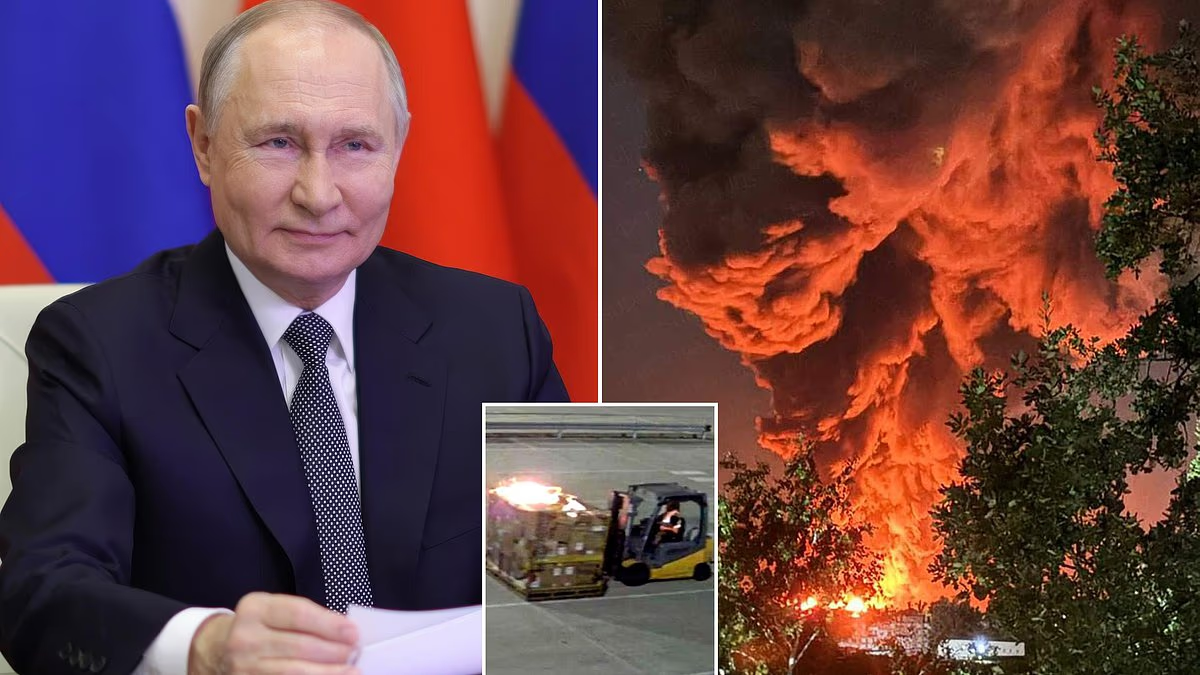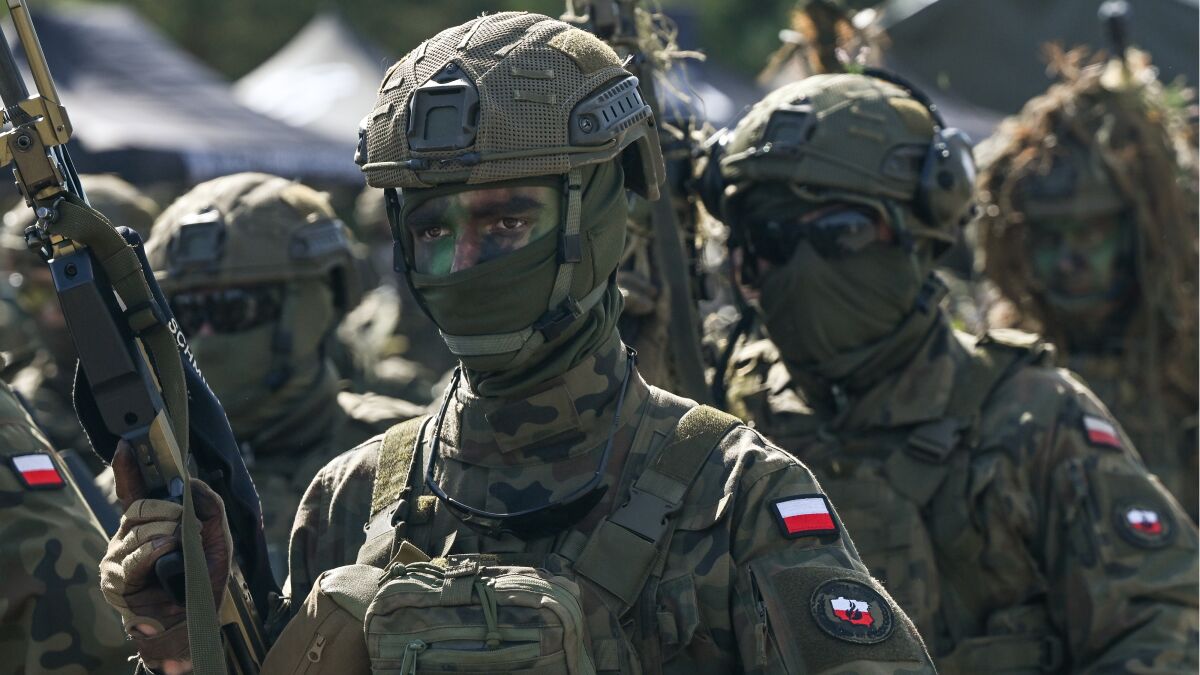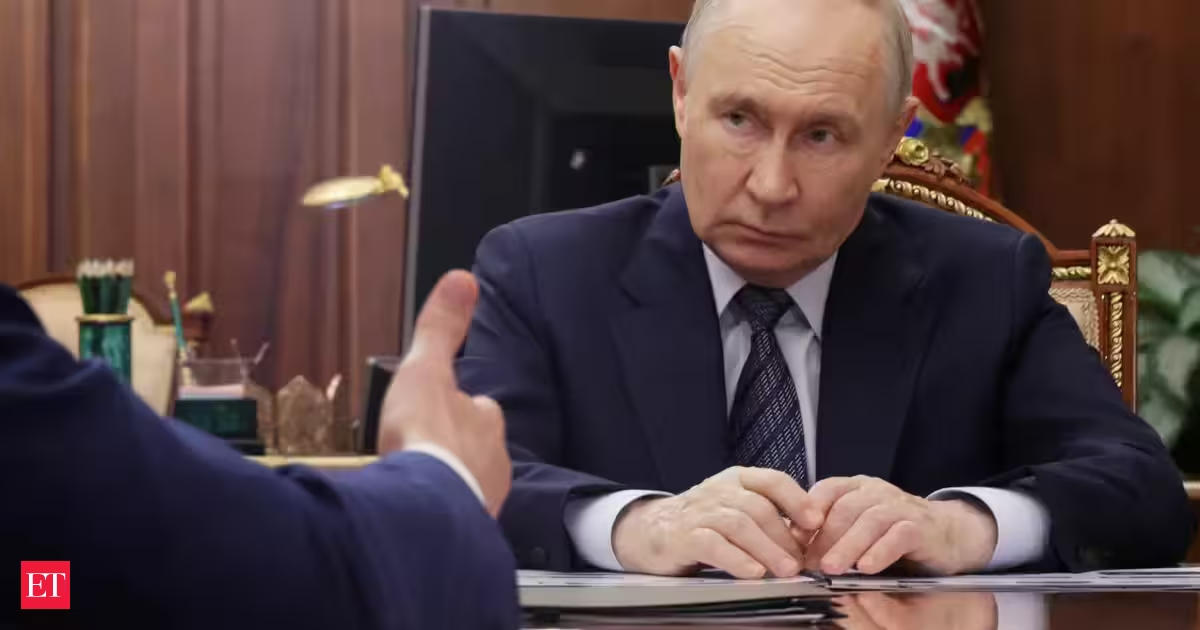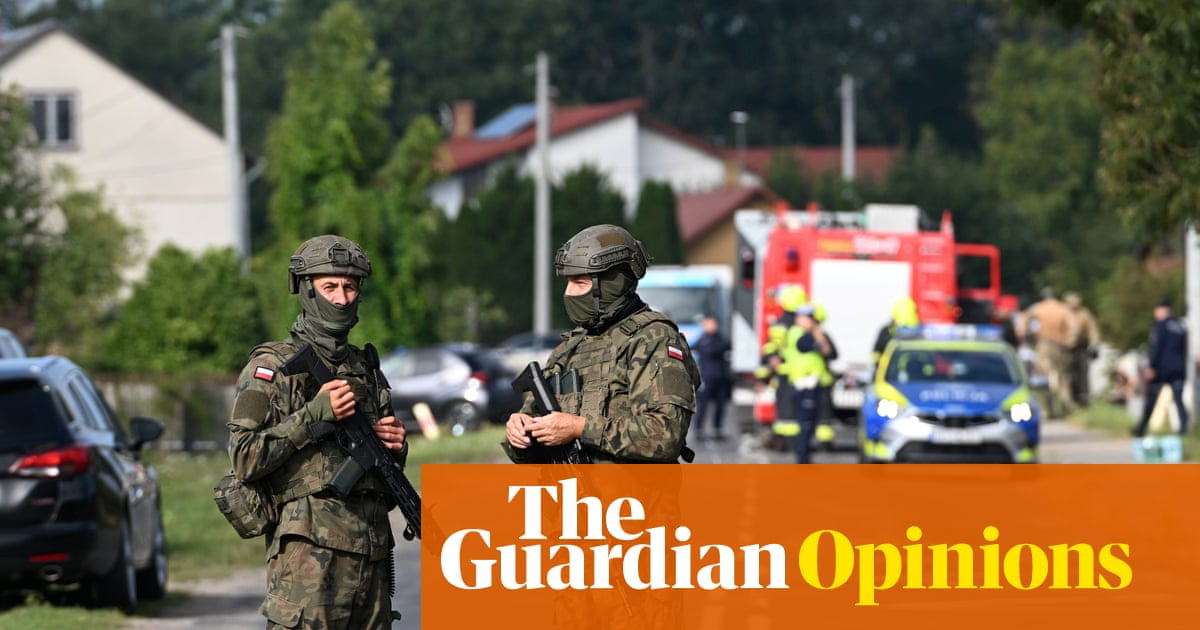
CIA Director John Ratcliffe’s visit to Moscow this week comes as U.S. intelligence warned that Russian President Vladimir Putin may be prepared to escalate against NATO. Washington must use this moment to send a simple message to Moscow: Russia cannot attack the West from the shadows and expect the West to stay silent.Russia’s full-scale invasion of Ukraine in 2022 shattered the veil of the post-Cold War European security order, but Moscow’s challenge to the West extends well beyond the battlefield. The Kremlin is using hybrid warfare tools to test NATO’s cohesion, readiness, and political resolve. Cyberattacks, GPS interference, propaganda, espionage, sabotage, and military provocations allow Russia to pressure its neighbors without launching conventional attacks. By keeping its actions below the threshold of open war, Moscow makes it harder for NATO to agree on how and when to respond.Russia has already seen what a first round of testing NATO can look like. In May 2023, Serbian protesters attacked NATO’s KFOR peacekeepers in Kosovo, injuring more than 90 troops, while Serbia, one of Moscow’s closest European allies, remained at the center of the escalating crisis. NATO chose not to confront the larger strategic challenge. For Moscow, the lesson was clear: NATO could be tested at its periphery without triggering war. Is Russia now preparing round two?
Putin is testing NATO because he thinks the West will flinch
Putin is testing NATO with GPS spoofing, sabotage, and drones, and paying nothing for it. Deterrence requires imposing costs.
910 words~4 min read