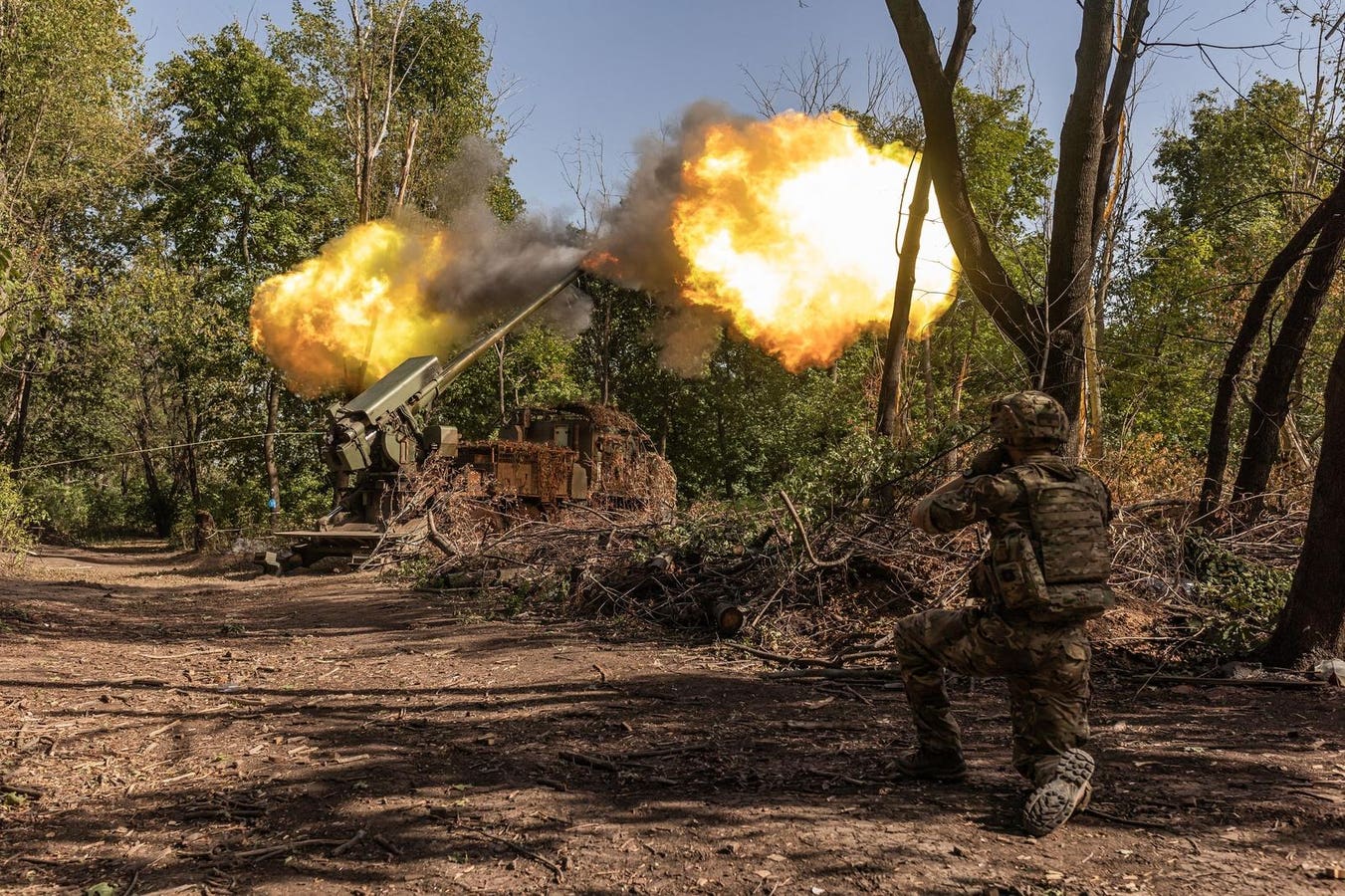
Russia’s invasion of Ukraine shattered assumptions about the reliability of major energy exporters, while the conflict between the United States and Iran has highlighted the vulnerability of global shipping routes. Together, the crises have pushed energy security and supply diversification to the top of the agenda, driving governments and energy companies to look beyond traditional suppliers and toward emerging energy players around the world.For all the latest headlines, follow our Google News channel online or via the app.
Suriname
Suriname captures this trend well. Sitting next to a highly productive offshore basin, the South American country is preparing for a $10.5 billion oil development led by TotalEnergies, with first production targeted for 2028. The GranMorgu project has propelled Suriname into the front row of emerging oil producers.Critics question whether Suriname can avoid the boom-and-bust cycle that has devastated other resource-rich states, and whether a major new oil industry can deliver long-term prosperity as governments pursue the transition to lower-carbon energy systems.Others, however, are optimistic that oil revenues could be channeled into protecting the rainforest that covers 93 percent of the country and has helped Suriname generate carbon credits, while also providing investment to poorer communities in the country’s interior. Russell Mittermeier, a leading conservationist, told the Financial Times that he would rather see responsible oil development, with revenues channeled back into forest protection, than see logging and gold mining continue.