ByKen Silverstein,
Senior Contributor.
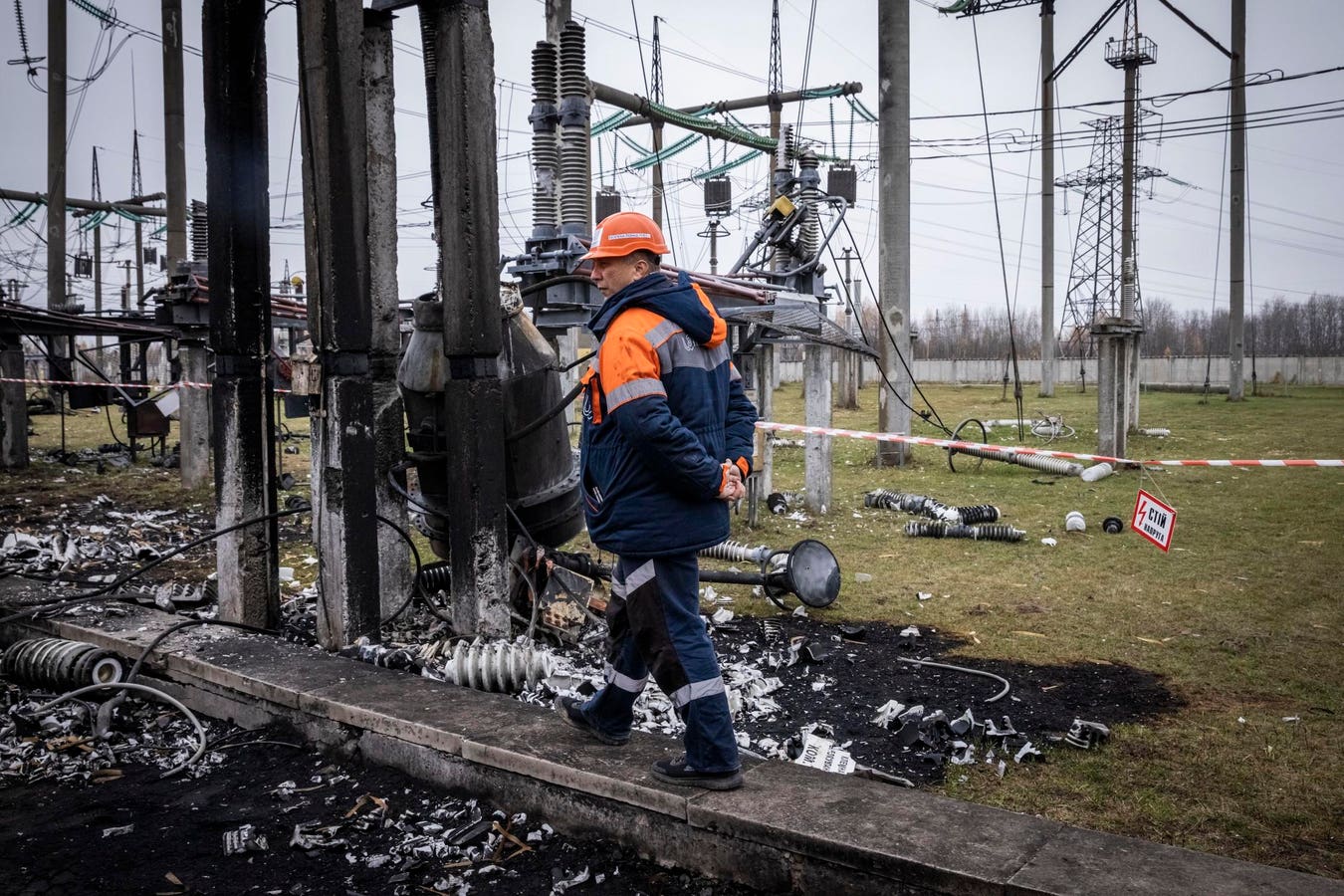
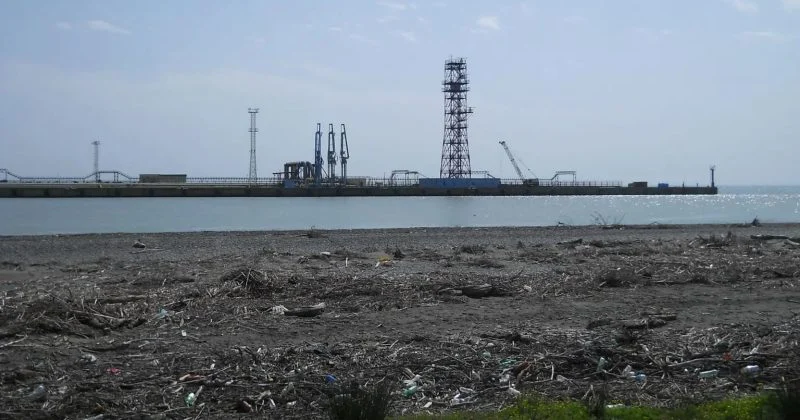
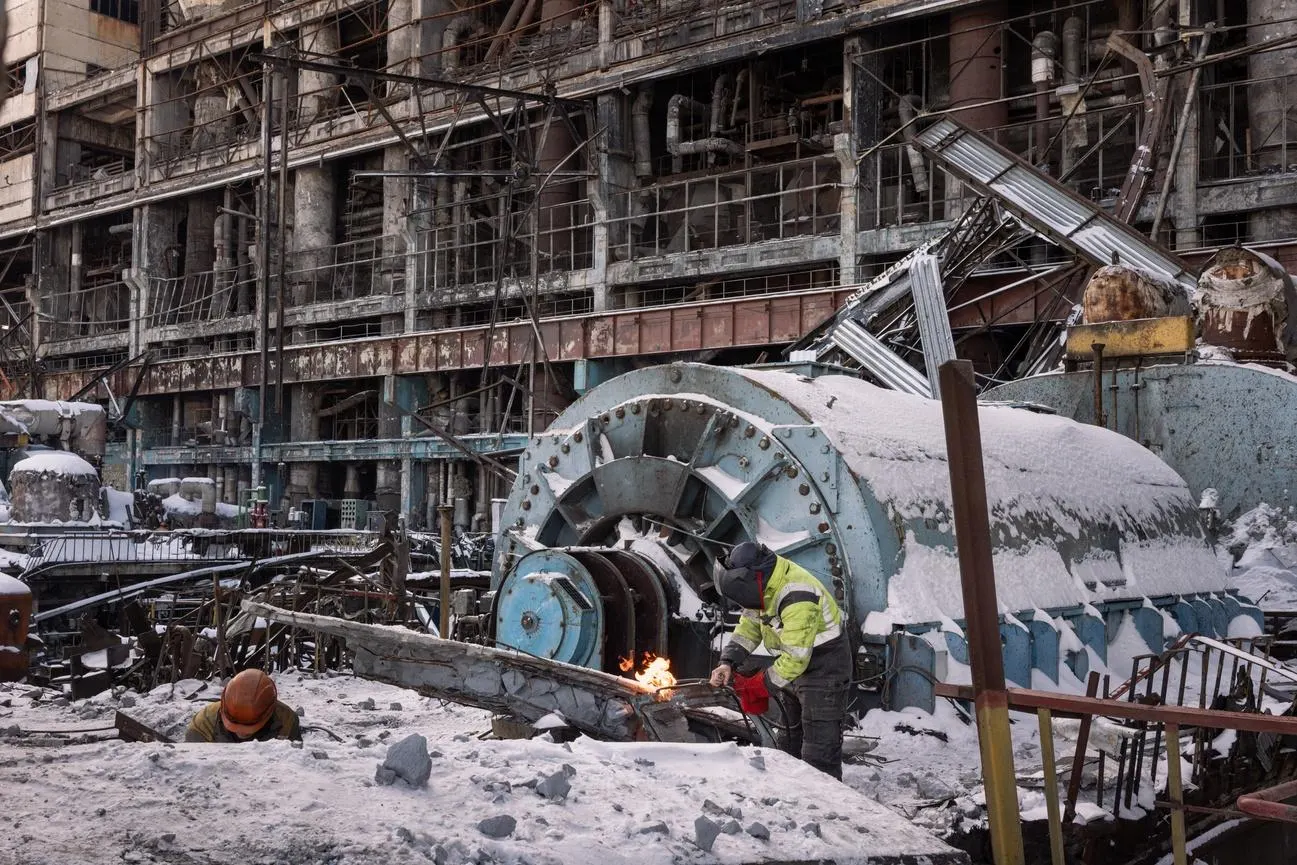
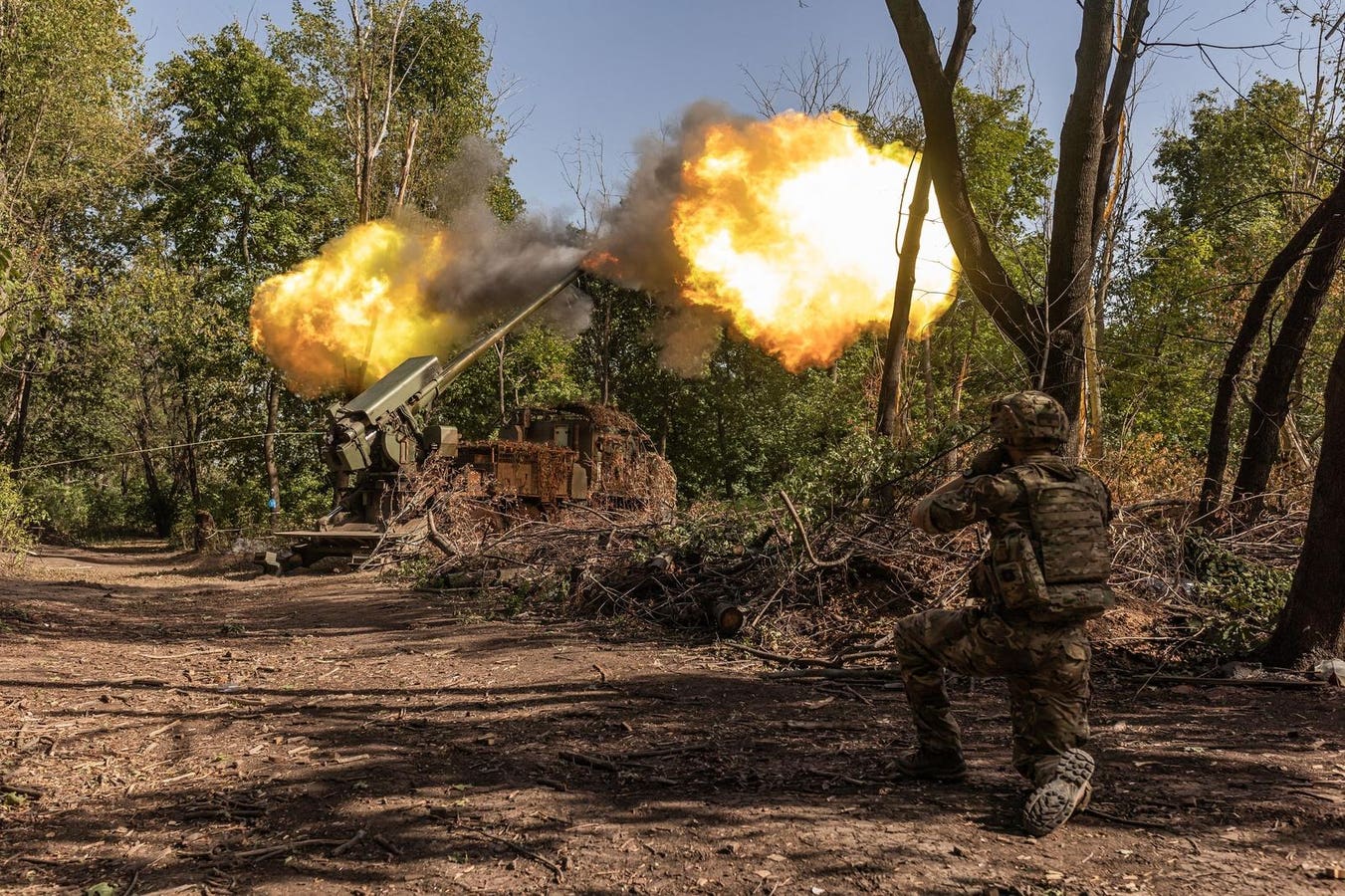
As Washington circulates a 28-point “peace” plan for Ukraine, the real war is being fought in pipelines, refineries, and power grids. From the Nord Stream 2 sabotage —still publicly unattributed and disputed by Western intelligence services— to strikes on Russian fuel depots and Ukrainian substations, both sides are targeting energy infrastructure. Russia has taken a significant hit to refining and storage capacity, while Ukraine’s grid and generation remain vulnerable. The energy battlefield is reshaping leverage — and any diplomatic proposal that ignores it miscalculates reality.
The Trump administration’s peace plan, as summarized by Anne Applebaum, rewards Russian aggression, undermines NATO, and offers Moscow economic and territorial rewards without accountability. Yet energy realities suggest Russia is not as dominant as the plan assumes. As Applebaum writes in The Atlantic: “The central points of the plan reflect long-standing Russian demands. It is not a peace plan. It is a proposal that weakens Ukraine and divides America from Europe, preparing the way for a larger war in the future.”
According to Applebaum’s reporting, the plan envisions Russia retaining control over Crimea, Donetsk, Luhansk, and the occupied territories of Zaporizhzhia and Kherson. Ukraine would cap its armed forces at 600,000 troops, hold new elections within 100 days—Russia has been holding sham elections for two decades—renounce NATO membership in its constitution, and accept limitations on foreign troop deployments. Economic relief and reconstruction aid would flow largely under U.S. oversight, with Moscow benefiting from the reintegration of sanctions relief and global markets.