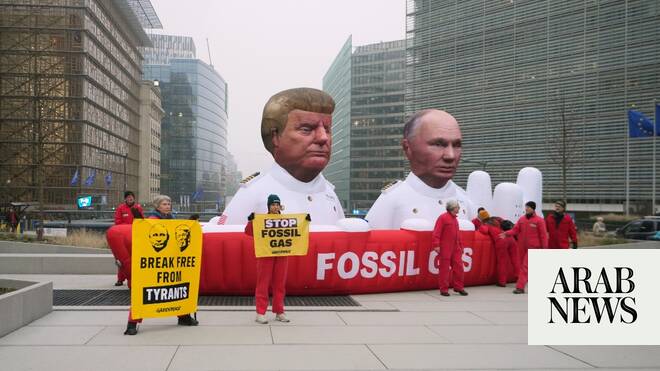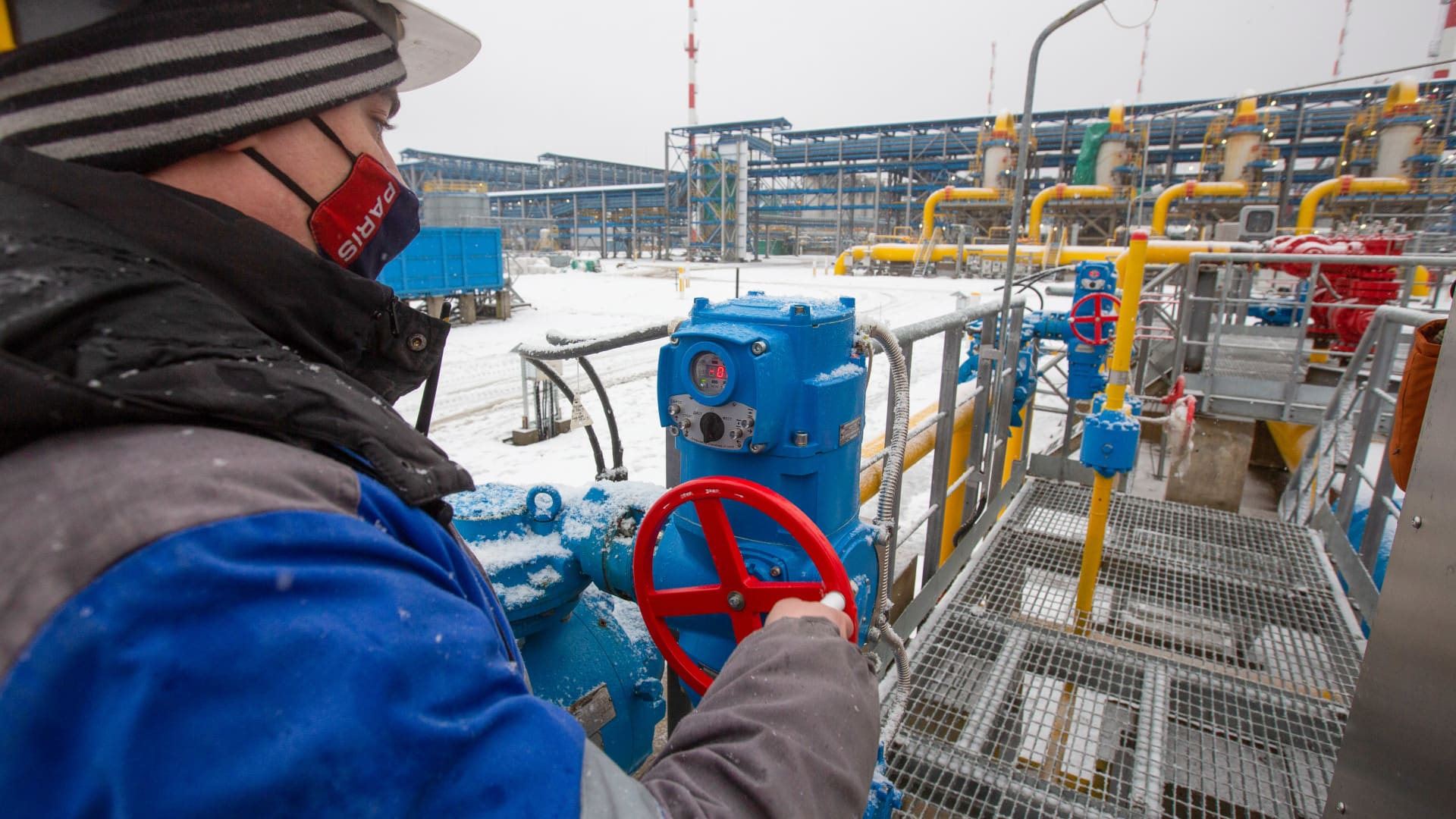
Europe is pressing ahead with plans to ban Russian gas imports by the end of 2027, effectively capping Moscow’s energy future in the region and leaving a bevy of stranded assets in its wake.
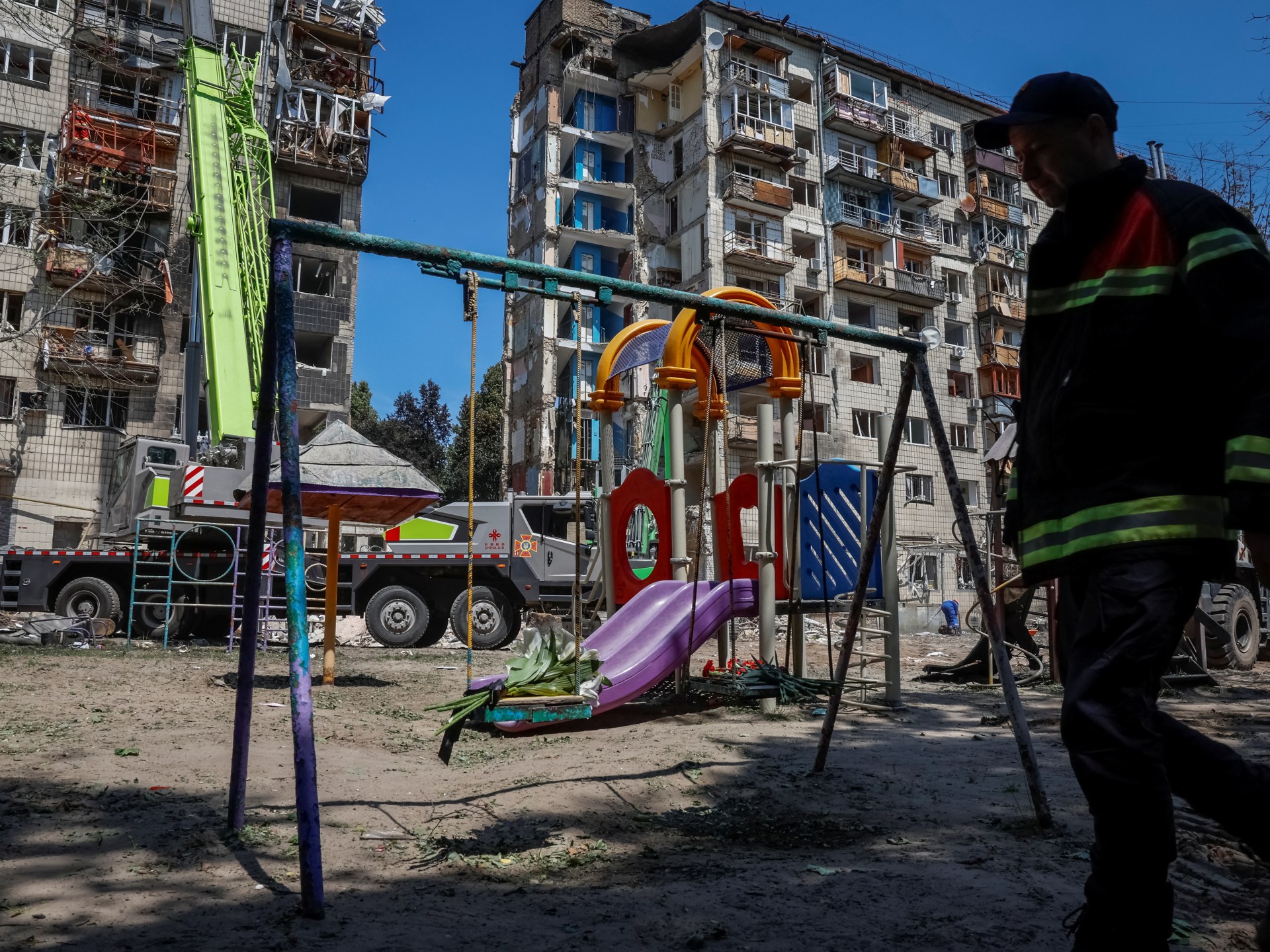
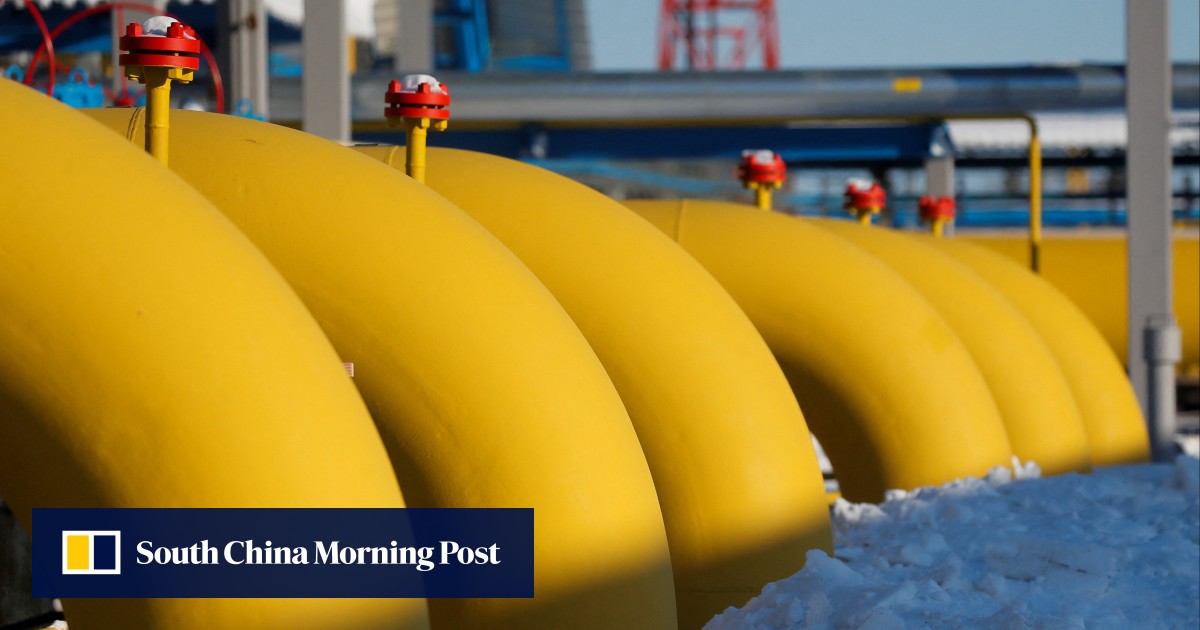
The dual Nord Stream 1 and 2 subsea pipelines were early casualties of Russia’s invasion of Ukraine, with the infrastructure being sabotaged in late 2022 and the latter pipeline — costing $11 billion to build and aimed at doubling cheap Russian gas flows to Germany — never being certified for use.
There had been speculation that the major energy infrastructure could eventually be resurrected if, or rather when, the war between Russia and Ukraine ends and there’s a peace agreement between the parties.
However, talks to try to establish the grounds for a ceasefire have been moving at a snail’s pace with neither side willing to cross “red lines” regarding the permanent surrender of territory, be it sovereign or occupied. Speaking with British news website UnHerd, Vance said Monday that while the U.S. is going to “try to get this thing solved,” he “wouldn’t say with confidence that we’re going to get a peaceful resolution.”
Hopes of a deal have led to questions over what economic and energy links between Russia and the rest of the world could be re-established and, when it comes to Europe, whether a ceasefire could lead to a reintegration of Russian gas and the resurrection of the Nord Stream gas pipelines.