https://arab.news/w89m3
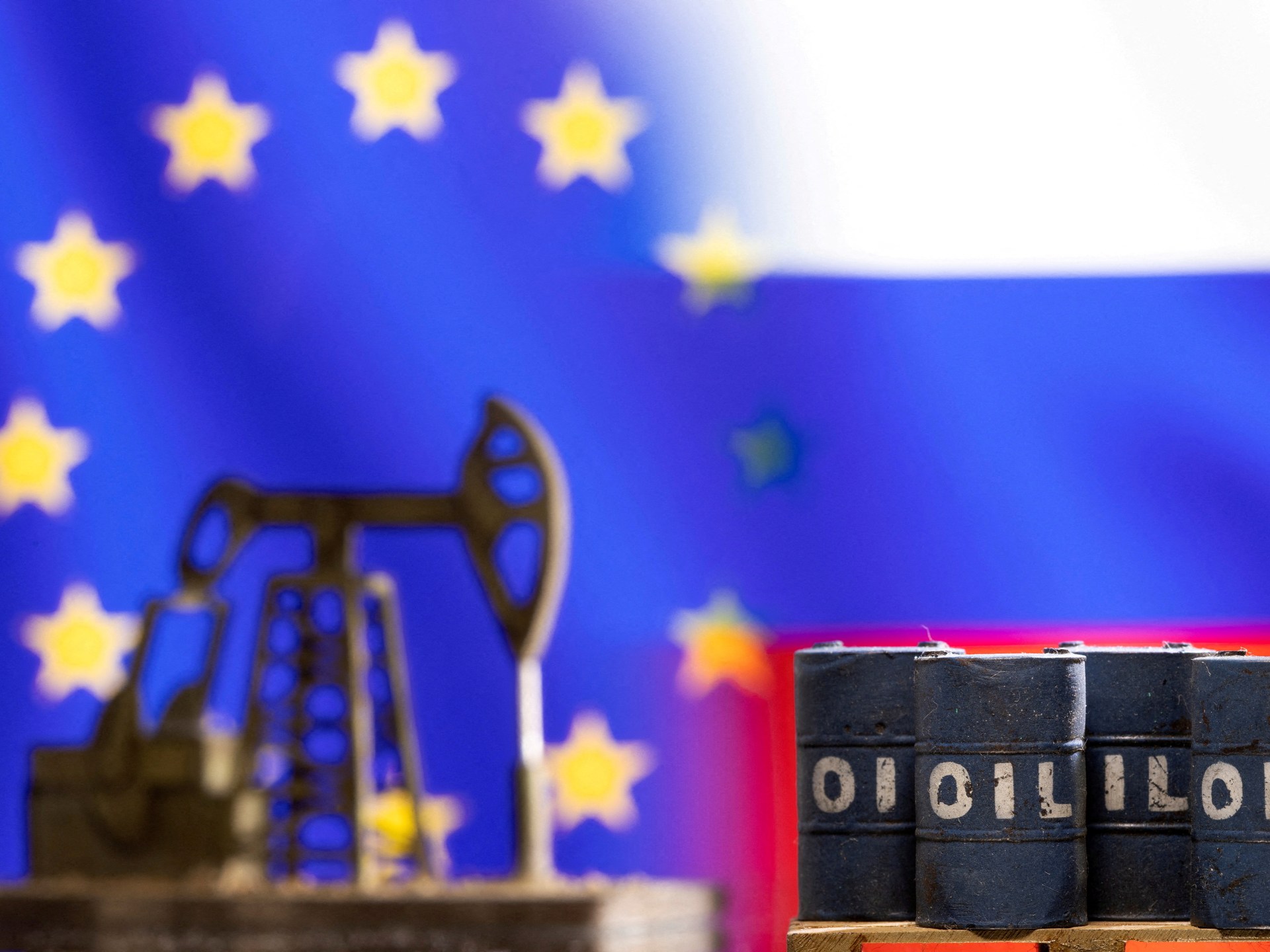
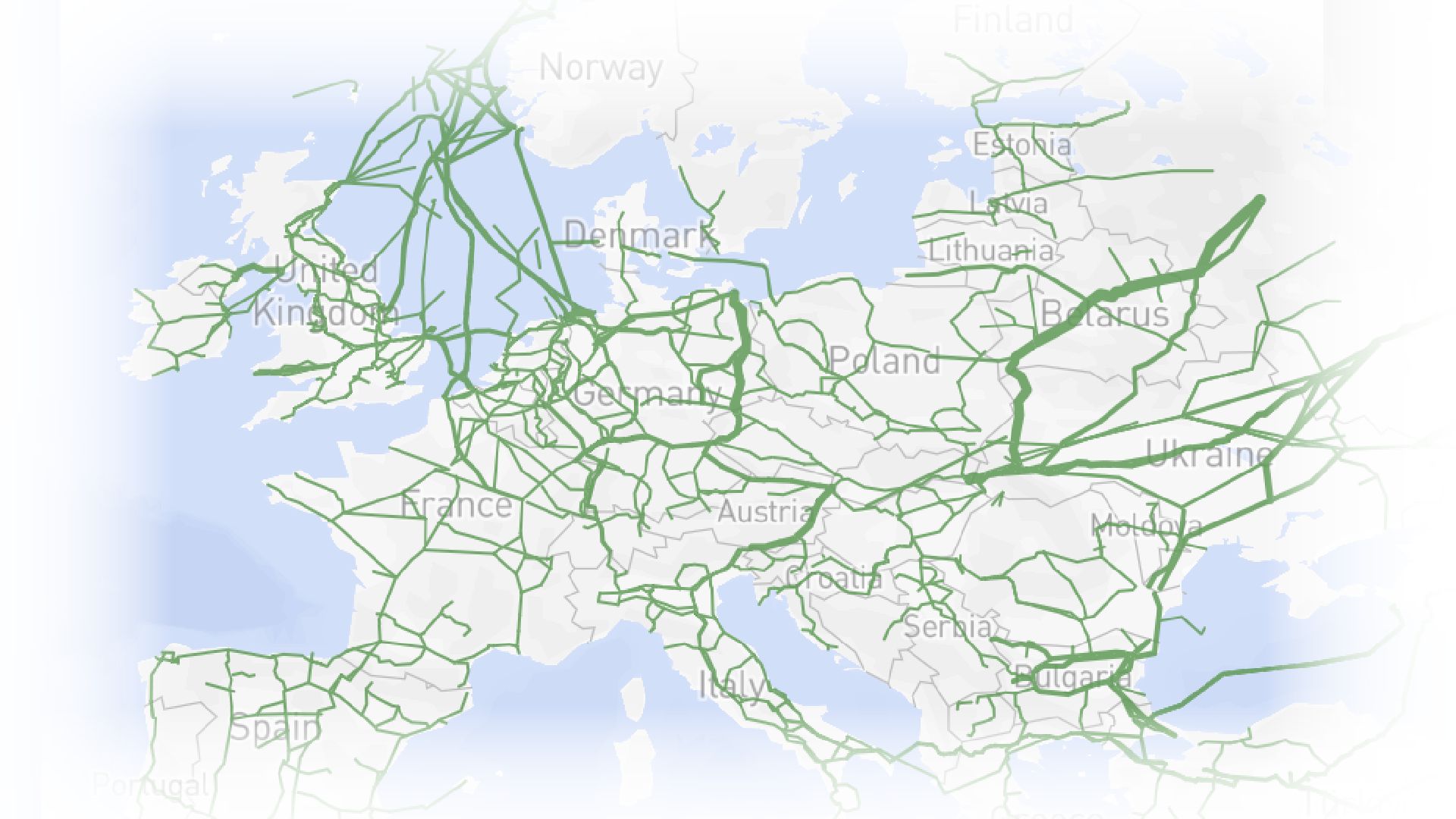
More than three and a half years on from Russia’s invasion of Ukraine, Europe is still grappling with its energy security by diversifying its oil and gas imports away from Moscow and toward other markets. While progress has been made, it has often been a case of two steps forward and one step back.
For years leading up to 2022, Europe enjoyed relatively easy access to cheap Russian oil and gas. Russia was happy to sell to Europe. Moscow needed the money and knew that doing so gave it leverage in any bargaining or negotiations with Brussels. In the past, there have even been cases where Russia used its energy exports as a tool of foreign policy — leveraging Europe’s dependence by disrupting supply.
Europe’s energy situation was made even more precarious by its incessant drive toward renewable energy at all costs. Nuclear power plants were decommissioned. Costly and only moderately effective solar and wind projects became the preferred method of power generation, while coal mines were closed.
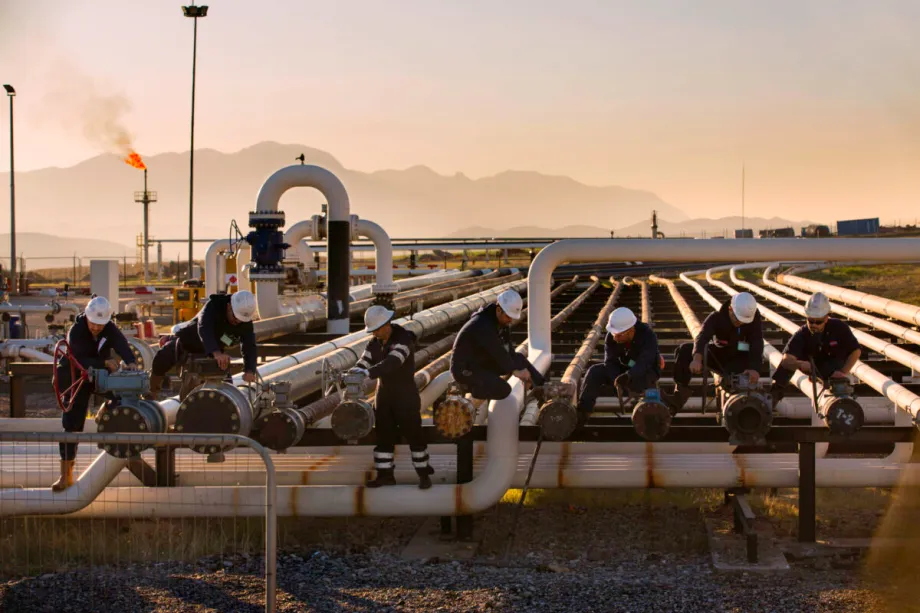
Russia’s large-scale invasion of Ukraine in 2022 was considered a wake-up call to many. At the time, there was widespread talk about Europe shifting away from Russian energy to new sources. That enthusiasm led to concrete measures at first. By early summer of that year, the EU had signed a new agreement with Azerbaijan that increased Caspian gas exports to European markets, offsetting some of the imports previously coming from Russia. Europe also sought new sources of gas from North Africa, particularly Algeria. The same can be said for the US, which has seen a significant increase in gas exports to Europe since 2022.