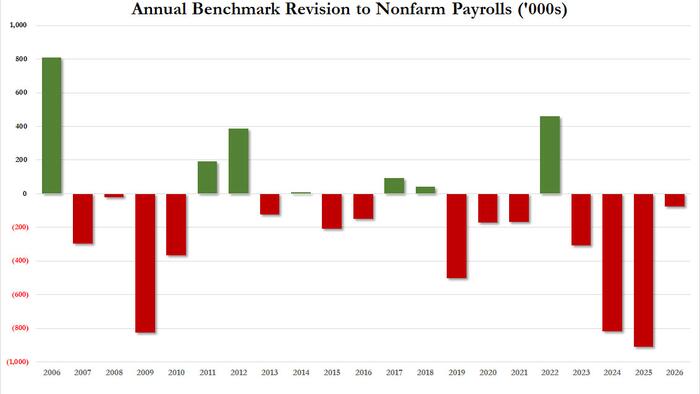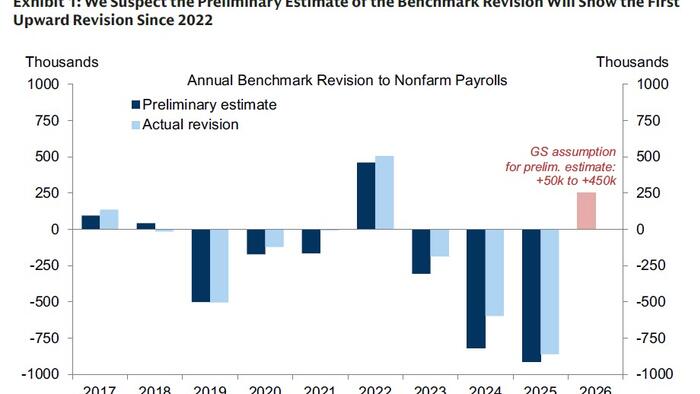
The US labor market has been telling a rosier story than reality warranted. The Bureau of Labor Statistics released a preliminary annual benchmark revision on August 28, 2026, showing the economy created 79,000 fewer jobs than initially reported over the 12 months ending in March 2026.
The real gut punch came in February 2026, when the BLS finalized its revision of 2025 employment data. Initial estimates had pegged 2025 job growth at roughly 584,000. The revised figure: a mere 181,000. That’s a downward adjustment of approximately 862,000 to 898,000 jobs, one of the largest percentage reductions since 2009.
The August 2026 preliminary revision adds another layer. Total private employment was revised down by 178,000 jobs. Monthly reports have been telling a similar story. The July 2026 jobs report revised May’s employment count down by 66,000 and June’s by 37,000, a combined 103,000-job reduction across just two months.
Why the numbers keep missing
The BLS produces its monthly jobs reports using the Current Employment Statistics survey, which polls a sample of businesses. Once a year, it cross-references those estimates against the Quarterly Census of Employment and Wages, a far more comprehensive dataset built on actual unemployment insurance records. Over the past decade, annual benchmark revisions have averaged around 0.2% of total nonfarm employment. The 2025 revision blew past that threshold by a wide margin.