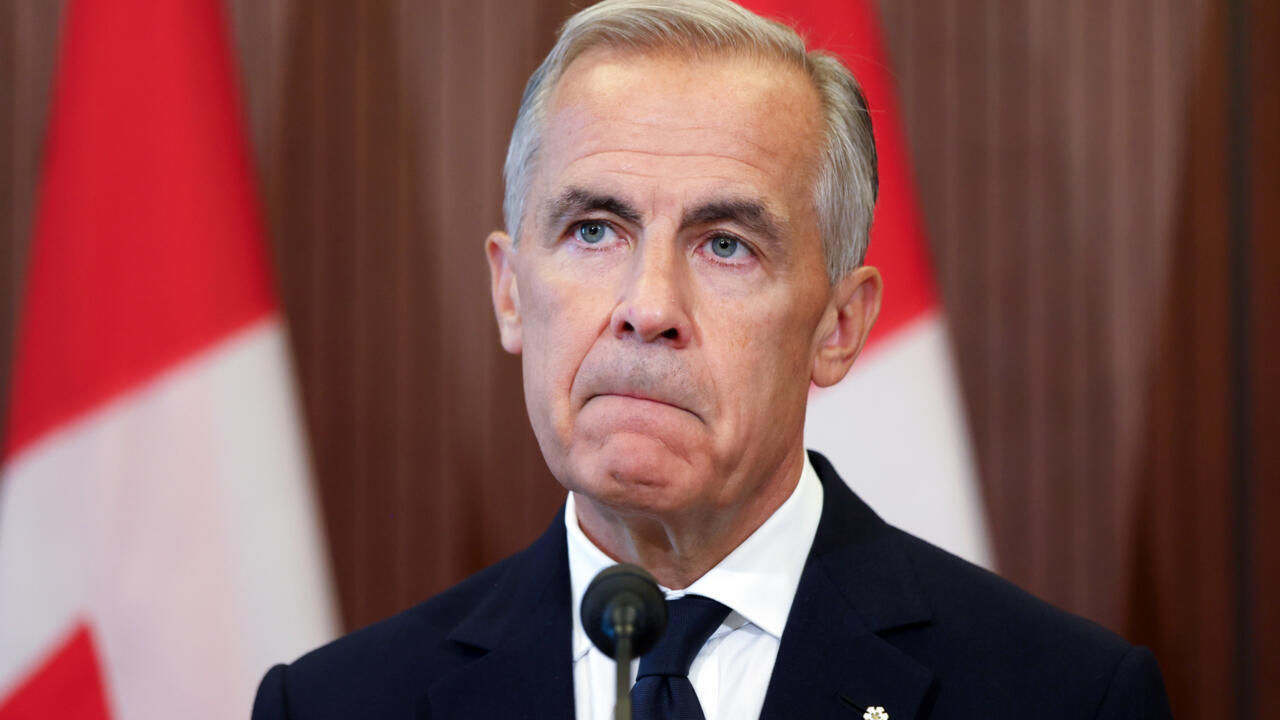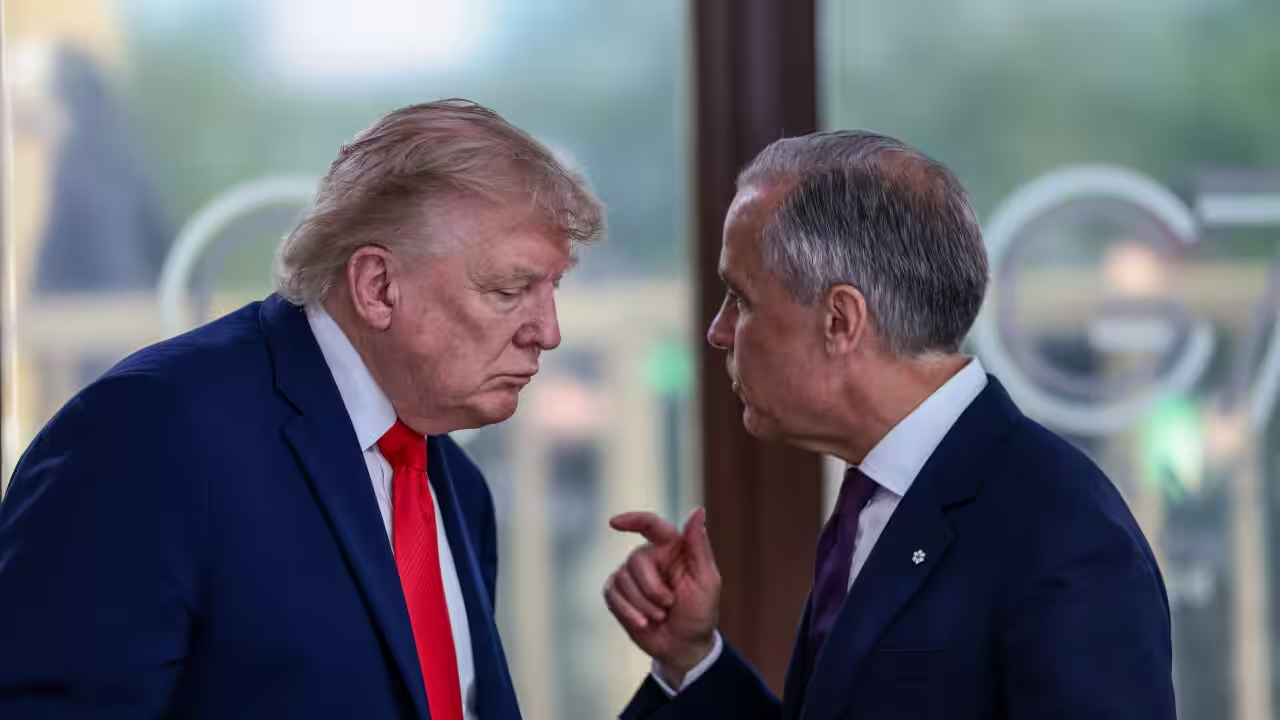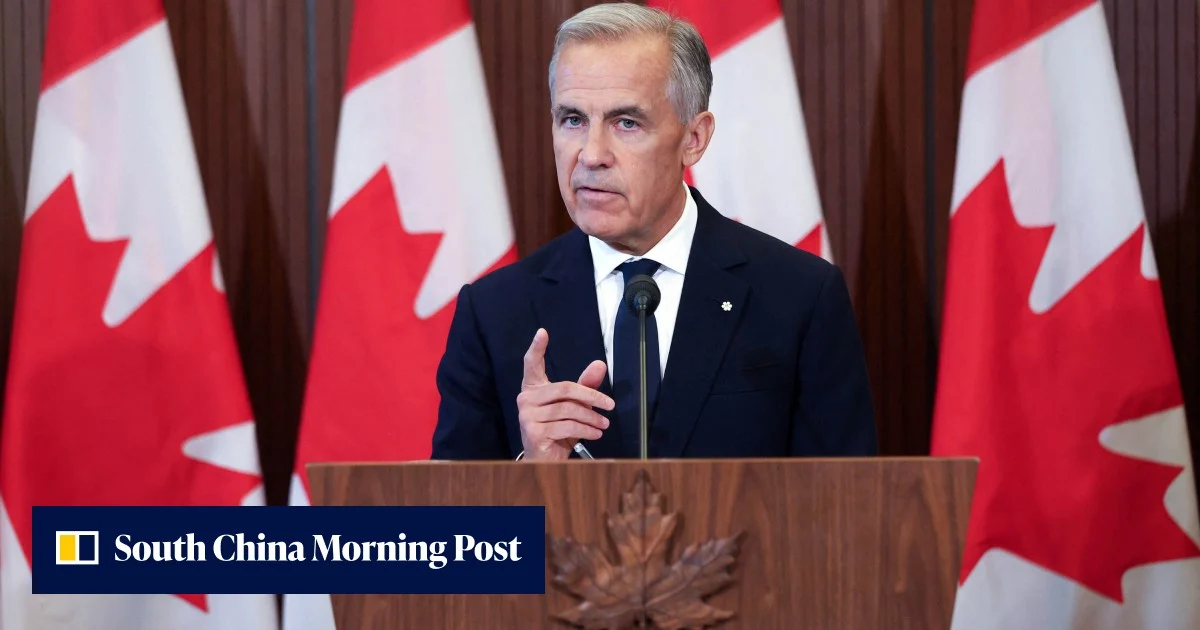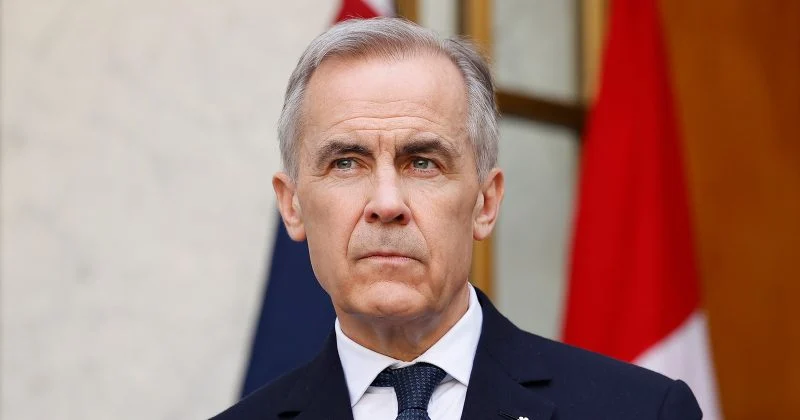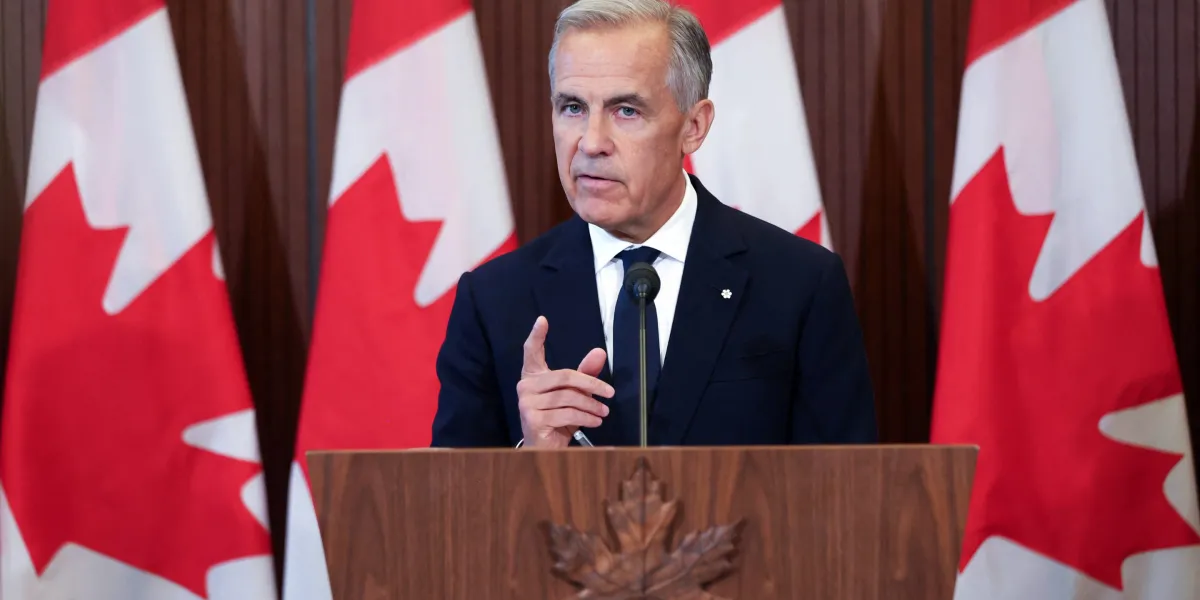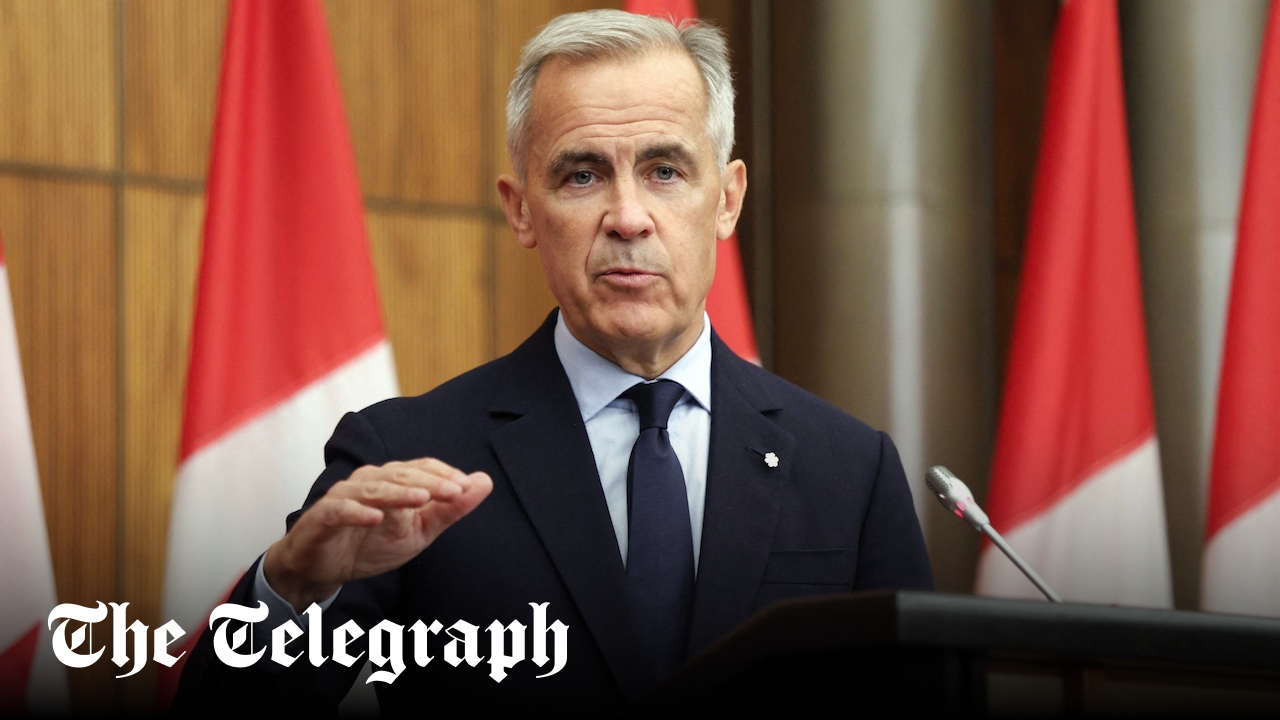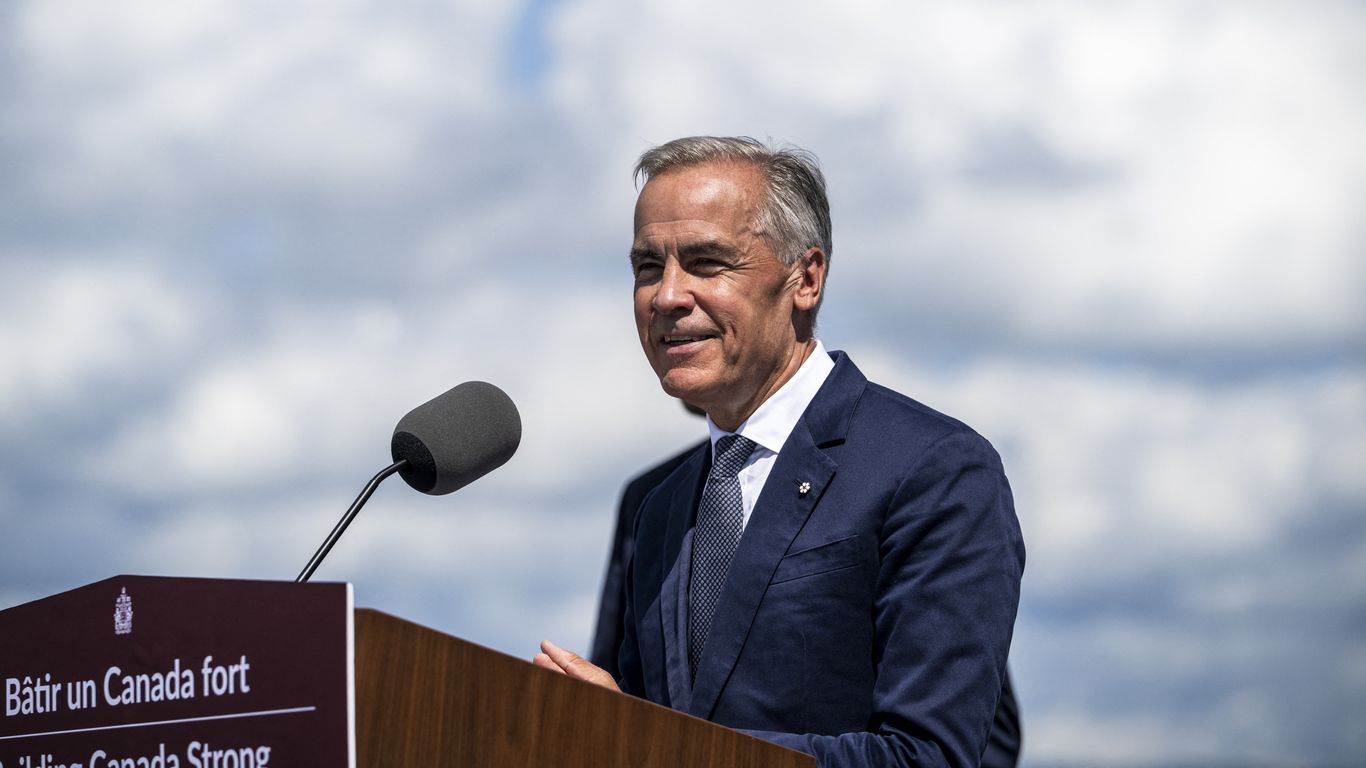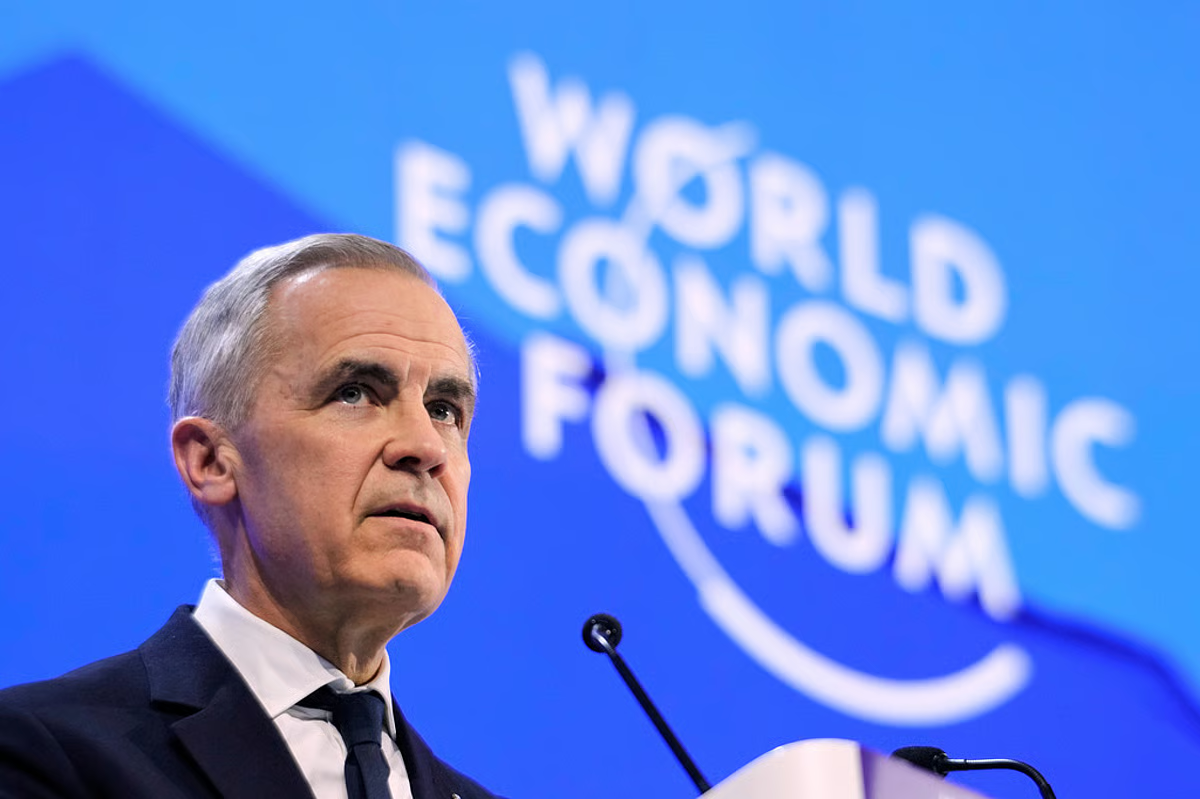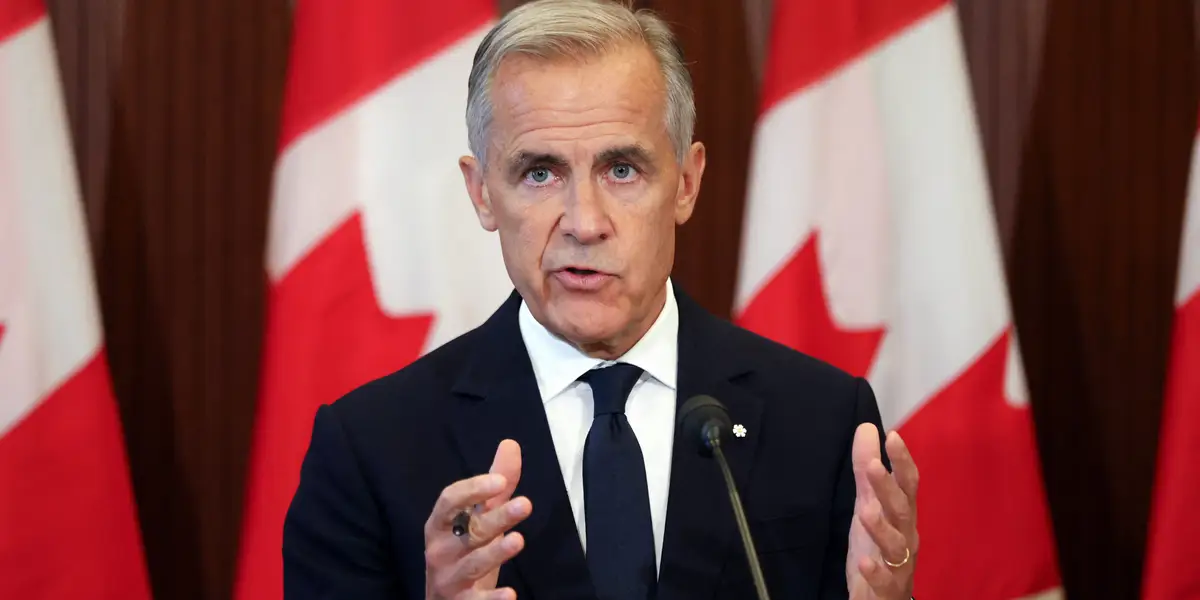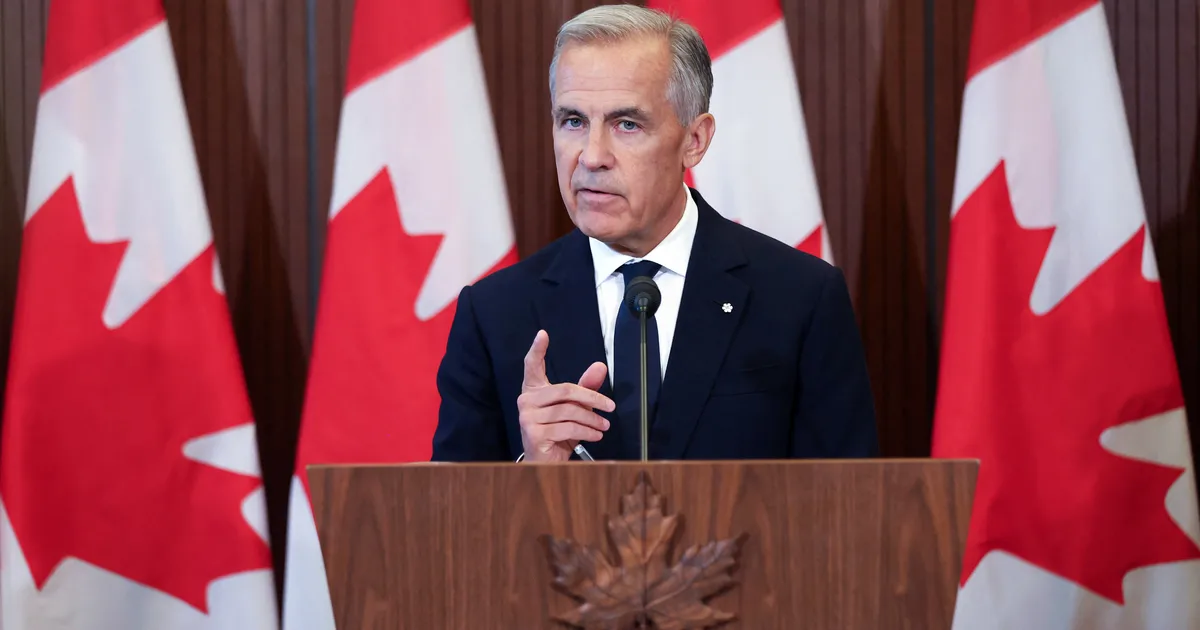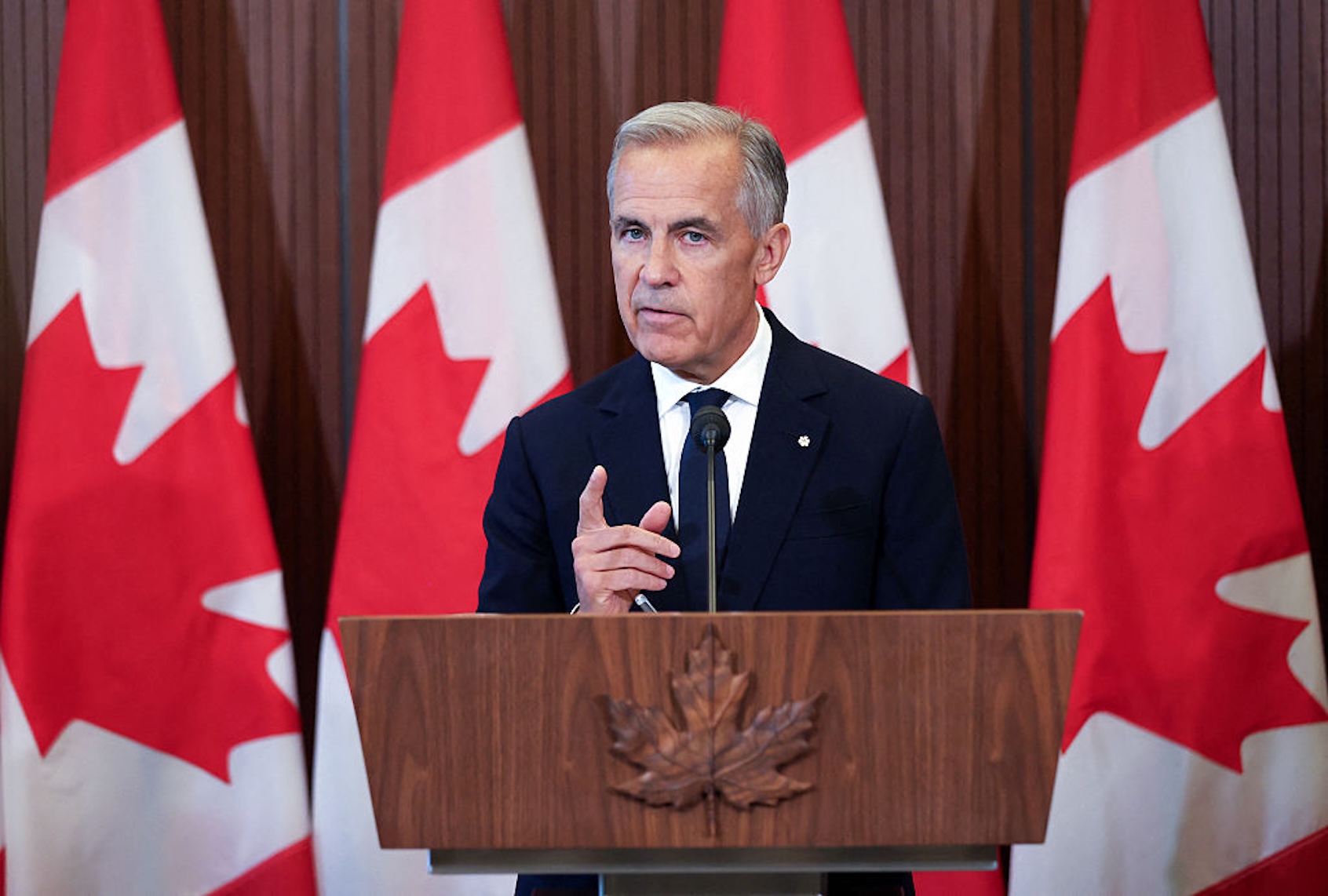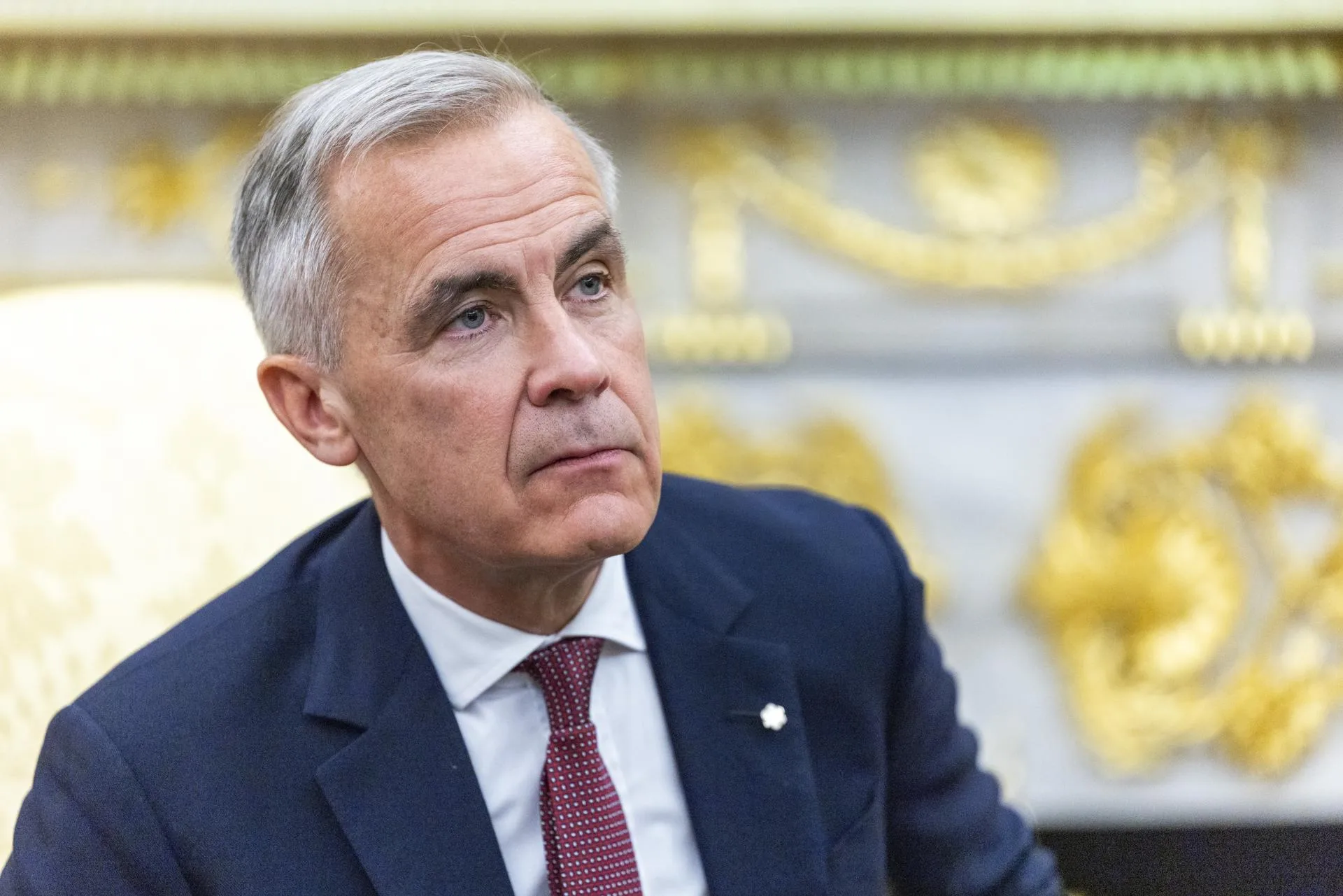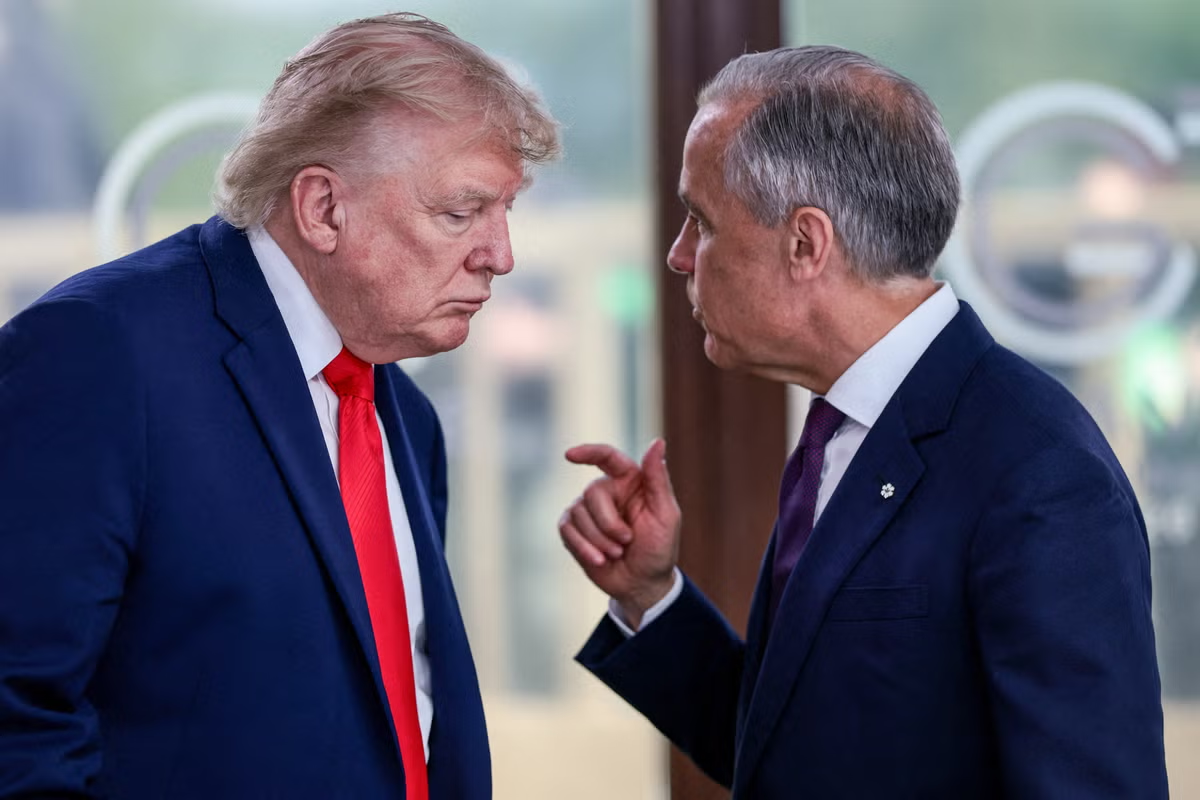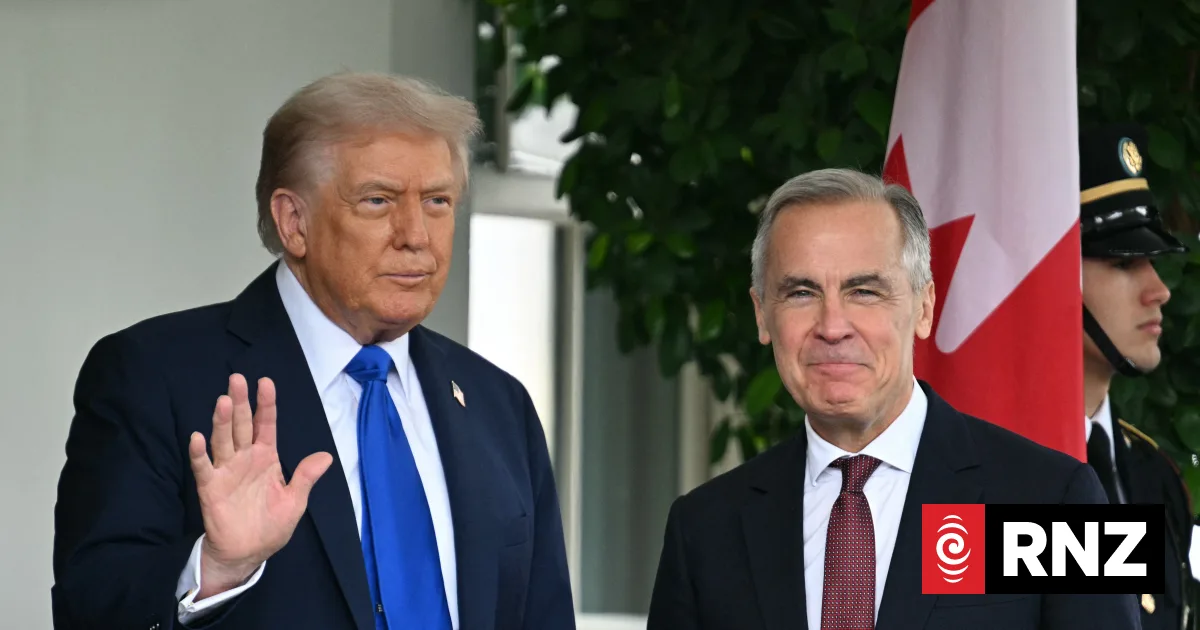
Canadian PM Mark Carney has gone toe-to-toe with US President Donald Trump, refusing to back down to tariff demands. It's costing Canada, but they're backing Carney anyway.Leaders around the world - including in Japan, South Korea and the European Union - have agreed to lopsided trade deals with the United States to stave off, or at least limit, US President Donald Trump's tariff threats.Not Mark Carney. The Canadian prime minister is one of the very few leaders - China's Xi Jinping being the obvious other one - to stand up to Trump's economic bullying. His government walked out of negotiations last week, declaring no deal was better than a bad deal.This week on The Detail, Canadian Broadcasting Corporation journalist Jayme Poisson describes how politicians and the public have rallied behind Carney, even though the trade war will strike a significant blow to Canada's economy."Canadians have been living with rhetoric from the Trump administration since he came into power and he started talking about Canada as the 51st state," she says. "That really unleashed an enormous amount of anger in the country."Carney is channelling that anger and refusing to let the Trump administration treat Canada like a subsidiary of the United States or a vassal state.Just this week, Trump has doubled down on this approach, referring to the prime minister as "Governor Carney". Then at a public rally, Vice President JD Vance referred to Canada as a "state" - insisting this was a Freudian slip.The latest flare up came after some Canadian stores removed American liquor, including bourbon, from their shelves and after, according to Trump, Canada "allowed" smoke from wildfires to cross the border.US President Donald Trump displays a signed executive order renaming Lake Ontario to "Lake America" amid an ongoing trade war between the US and Canada.Andrew HarnikHe threatened 50 percent tariffs on US$20 billion worth of goods - including hockey sticks, cement, and dog leashes - unless Ottawa agreed to a new trade deal. Talks progressed for almost a month, until Carney's negotiators walked out 90 minutes before the Friday midnight deadline for an agreement.It turned out, according to Carney, the US side had insisted on "uneconomic" conditions including changing how Canada prioritises French-language content on streaming platforms."That was seen as an affront to our attempts to protect the French culture and the French language, and Canadian culture more broadly. So the prime minister found that that was unacceptable," Poisson says.The Trump administration also tried to introduce language limiting how Canada strikes trade deals with other countries, and wanted the right to change the terms of the deal around tariffs at any time."The language was too strong around that," she says.Both sides are now in a retaliatory mood, with Canada on Tuesday announcing retaliatory tariffs on about US$20b worth of US goods. Ottawa said the new duties match "dollar-for-dollar" the 50 percent import taxes Trump imposed.This phase of the trade war could cost 90,000 jobs and shave half a percentage point off economic growth, according to economists. But still, polls have shown that three-quarters of Canadians back Carney's stance.The prime minister has been trying to make the Canadian economy - which produces oil and gas, and has benefited from the price spikes since Trump invaded Iran in February - more resilient.Canada on Tuesday announced retaliatory tariffs on about US$20b worth of US goods.AFP / Andrej IvanovHe has set out an ambitious agenda to attract C$500b of new private-sector investment over five years, and to fast-track energy and infrastructure projects deemed critical to the country.And since Carney delivered a speech at the World Economic Forum in Davos in January, calling on "middle powers" to band together as the great powers disrupt the global order, his government has struck almost 20 trade and security deals. It expects to ink agreements with India, Asean and the European Union in coming months.But as to where this goes next? Neither side appears to be backing down."We have heard that the Carney government is preparing to ride this out for the remainder of the Trump term," Poisson says, but adds that even a Democratic president might keep tariffs in place."What happens next? I think your guess is as good as mine. This whole process has been really quite wildly unpredictable."This Saturday episode is made with funding from the Peter M Acland Foundation.Check out how to listen to and follow The Detail here.You can also get in touch with us by emailing thedetail@rnz.co.nz
Canada has had enough of US President Donald Trump
Canadian PM Mark Carney has gone toe-to-toe with US President Donald Trump, refusing to back down to tariff demands. It's costing Canada, but they're backing Carney anyway.
738 words~3 min read