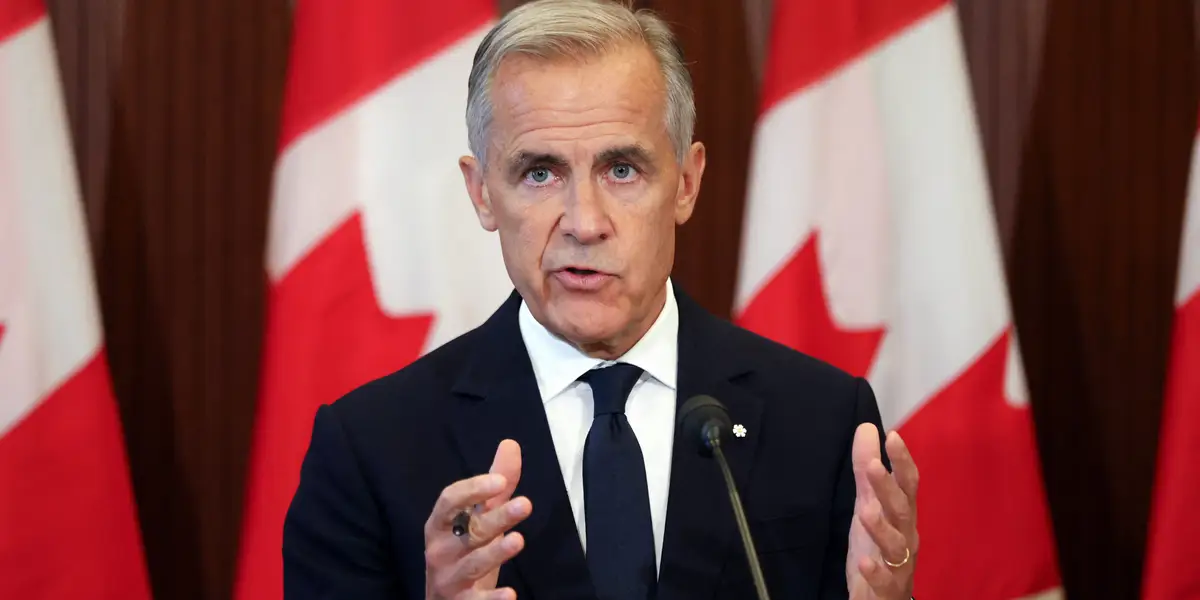
Dave Chan / AFP via Getty Images
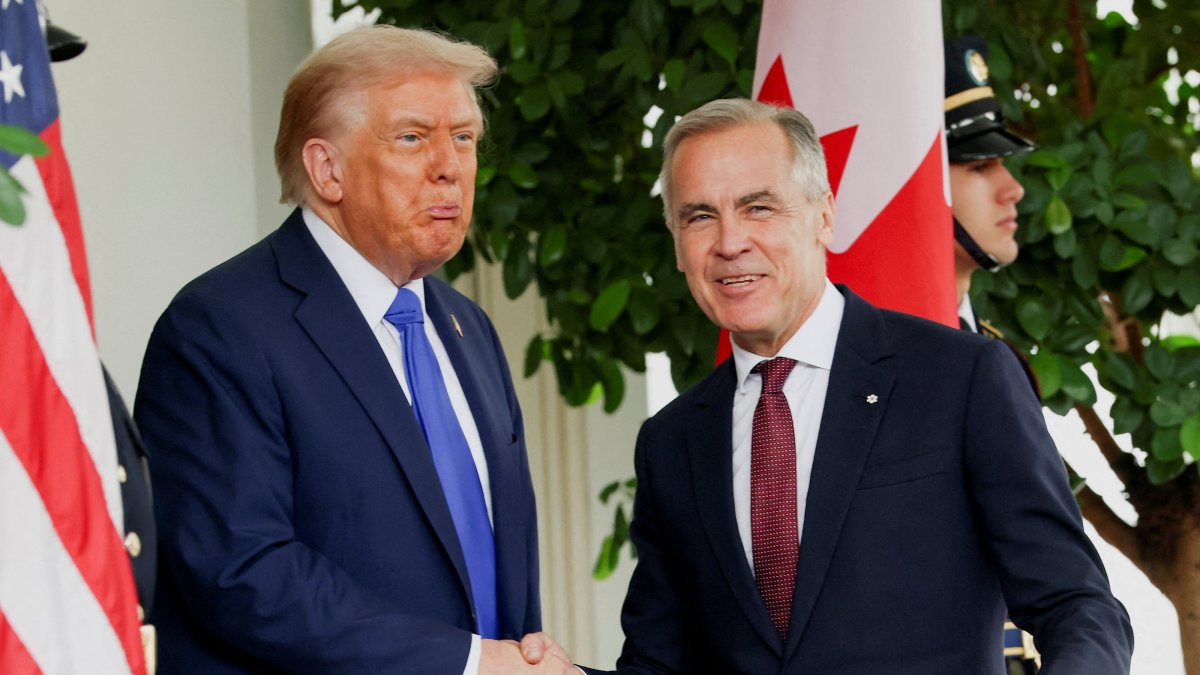
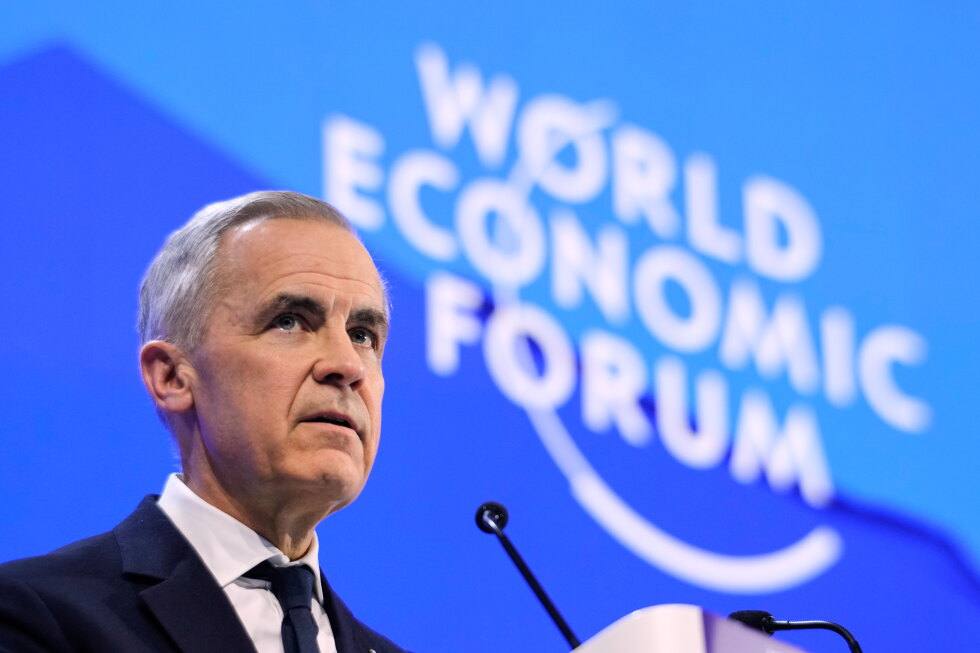
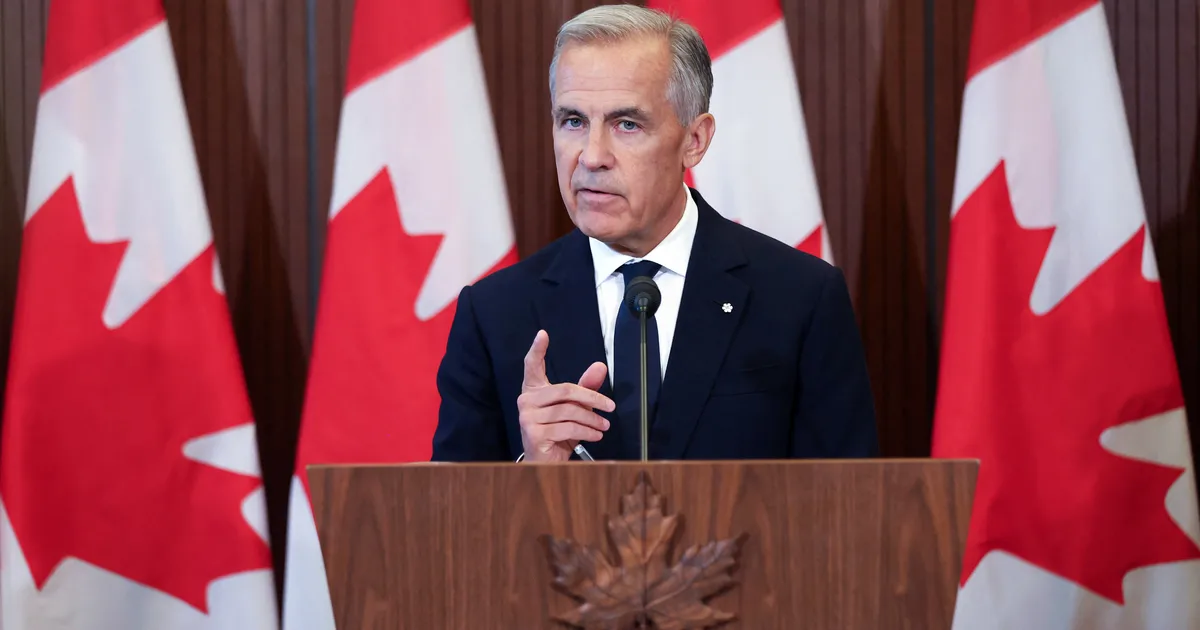
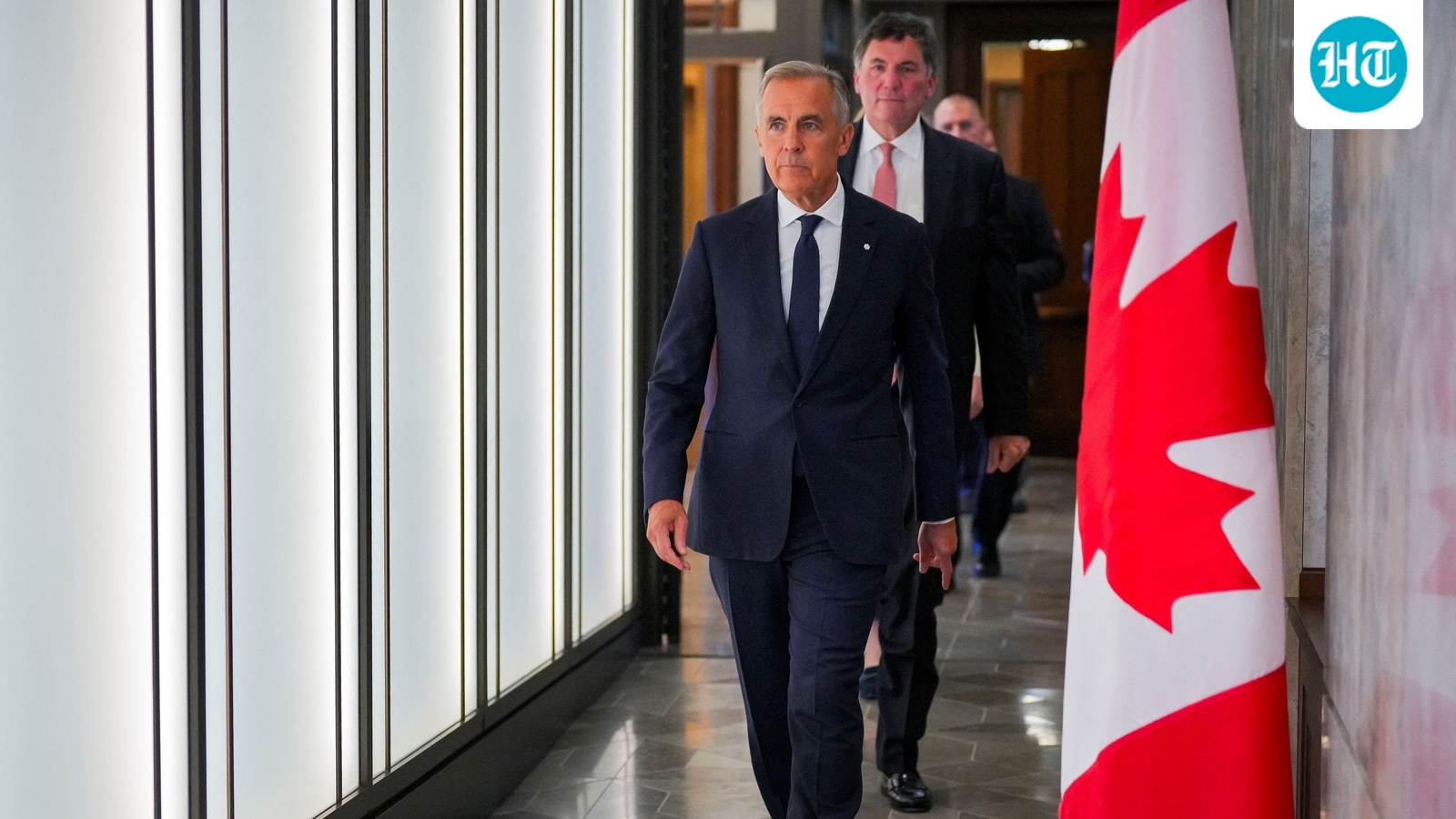
Mark Carney is facing a challenge familiar to many company leaders: how to deal with a more powerful partner you can't afford to lose.The Canadian prime minister is in a trade fight with US President Donald Trump. Though Carney lacks the upper hand because Canada depends more on access to the US market than vice versa, he walked away from trade talks with Trump, arguing that the US had produced unfair terms. The dispute has escalated in recent days, with Washington imposing new tariffs on Canadian goods and Ottawa announcing retaliatory ones on US imports.Whether Carney's approach ultimately benefits Canada remains unclear. For business leaders who have to negotiate with vital suppliers or customers, however, his approach offers a window into what it's like to hold one's ground in a dispute with someone more powerful."It's about how to maintain strategic discipline when the person across the table is completely unpredictable, has more leverage than you, and is trying to dictate the terms of the relationship," said Chris Kaufman, a leadership consultant who cofounded the e-commerce giant StockX.Carney's approach also shows the importance of updating assumptions when a once-reliable partner stops behaving as expected, he added."You can't let history become your strategy," said Kaufman.In a statement, White House spokesperson Kush Desai said Canada rejected "the most generous deal that had been offered to any of America's trading partners" and that the country's position "is less about defiance and more about short-term foolishness."Nintendo v. AmazonReggie Fils-Aimé said he faced a similar imbalance of leverage when he was president of Nintendo of America. In the early 2010s, he said Amazon wanted enough promotional funding to match or beat other retailers' prices for a popular handheld console and its forthcoming successor. Amazon also sought to undercut other retailers when they ran promotions, he said.