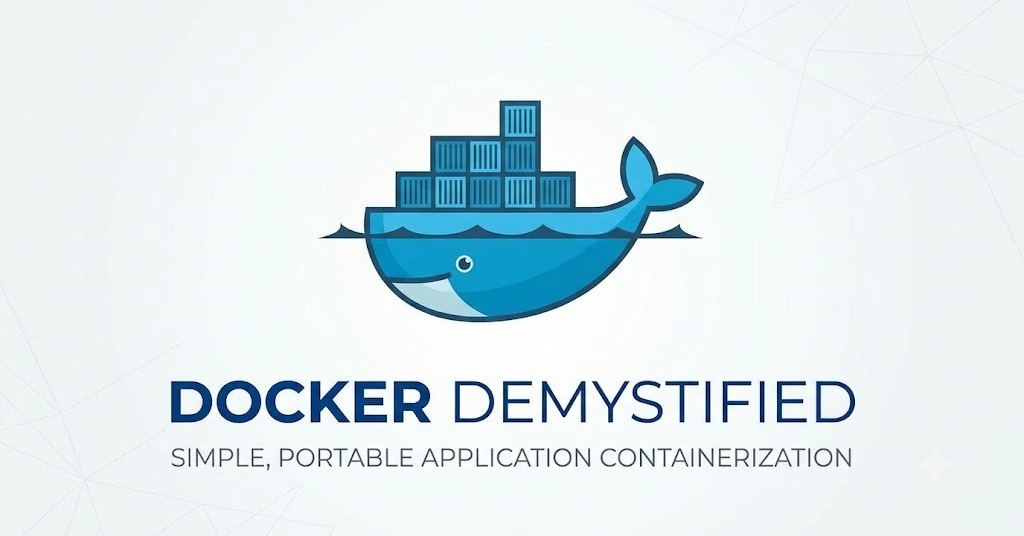
If you have ever dealt with the nightmare of "it works on my machine but crashes in production," you have felt the pain that containerization was built to solve. This post breaks down exactly what Docker is, how it works under the hood, and how it compares to its modern rival, Podman.
What is Docker
For years, deploying software meant provisioning a server, installing the correct operating system, downloading dependencies, and praying no other application on that server caused a conflict. If you deployed a Node.js server directory directly, you were at the mercy of whatever version of Node, Python, or system libraries happened to be installed on that host machine.
Docker is a containerization platform that solves this by packaging your application code alongside its entire environment: the specific OS user space, runtime, and system dependencies, into a single, standardized unit called a container.
Why Do We Need Docker