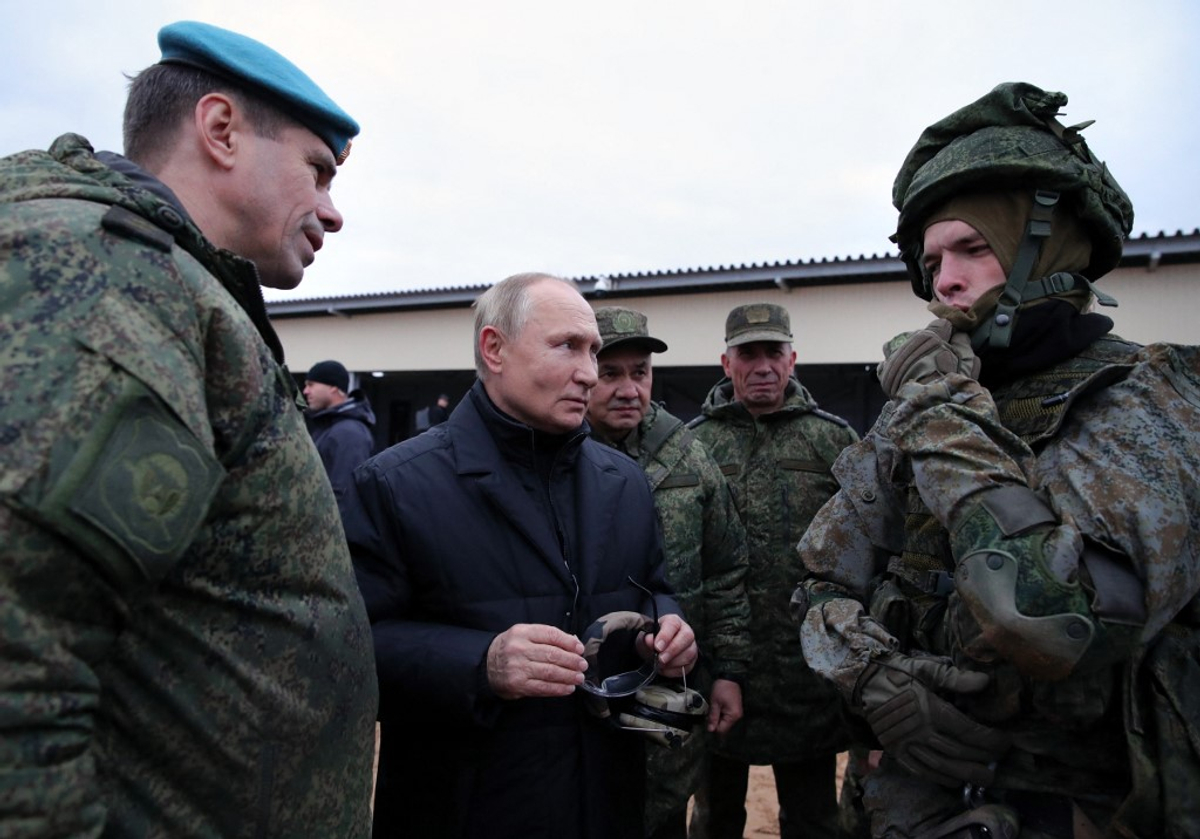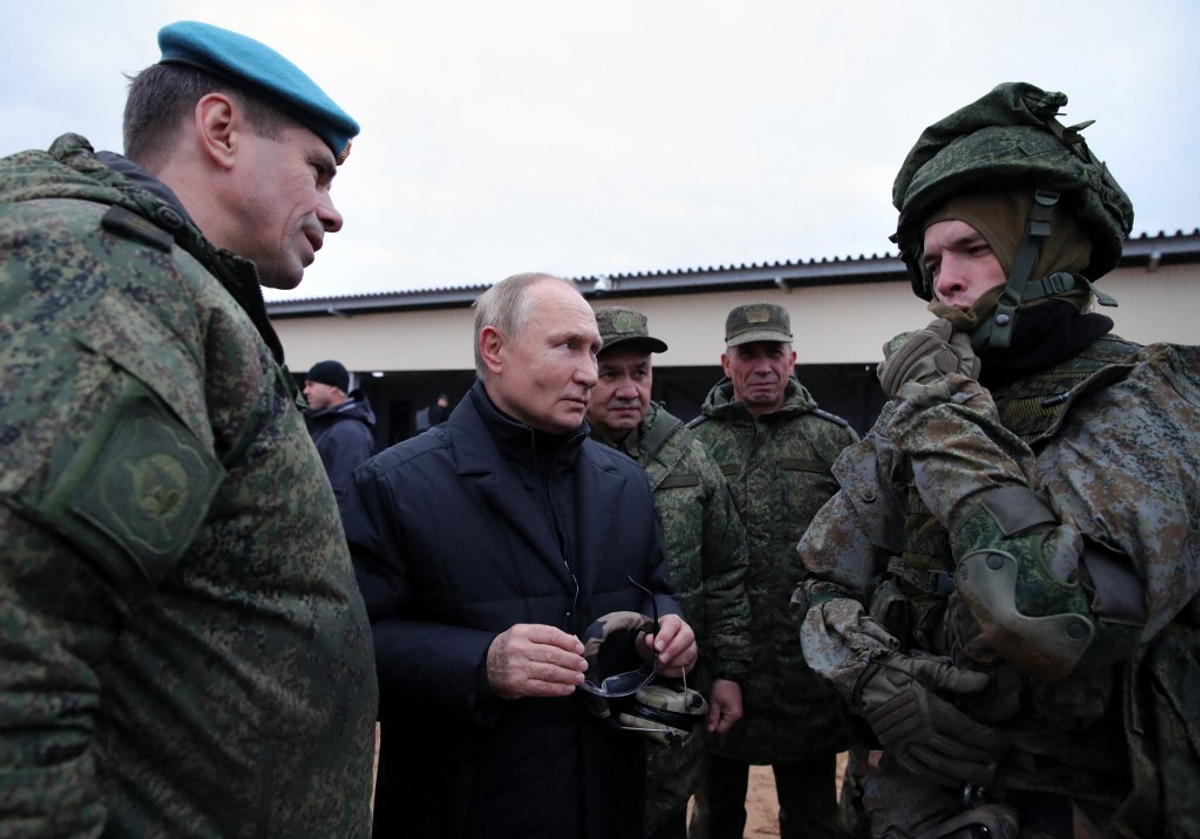
There is one sure sign: when officials across Russia’s political establishment insist that something will not happen, it usually does. That was the case with raising the retirement age, increasing tax pressure, denying plans for a full-scale invasion of Ukraine, and later with the so-called “partial” mobilization.
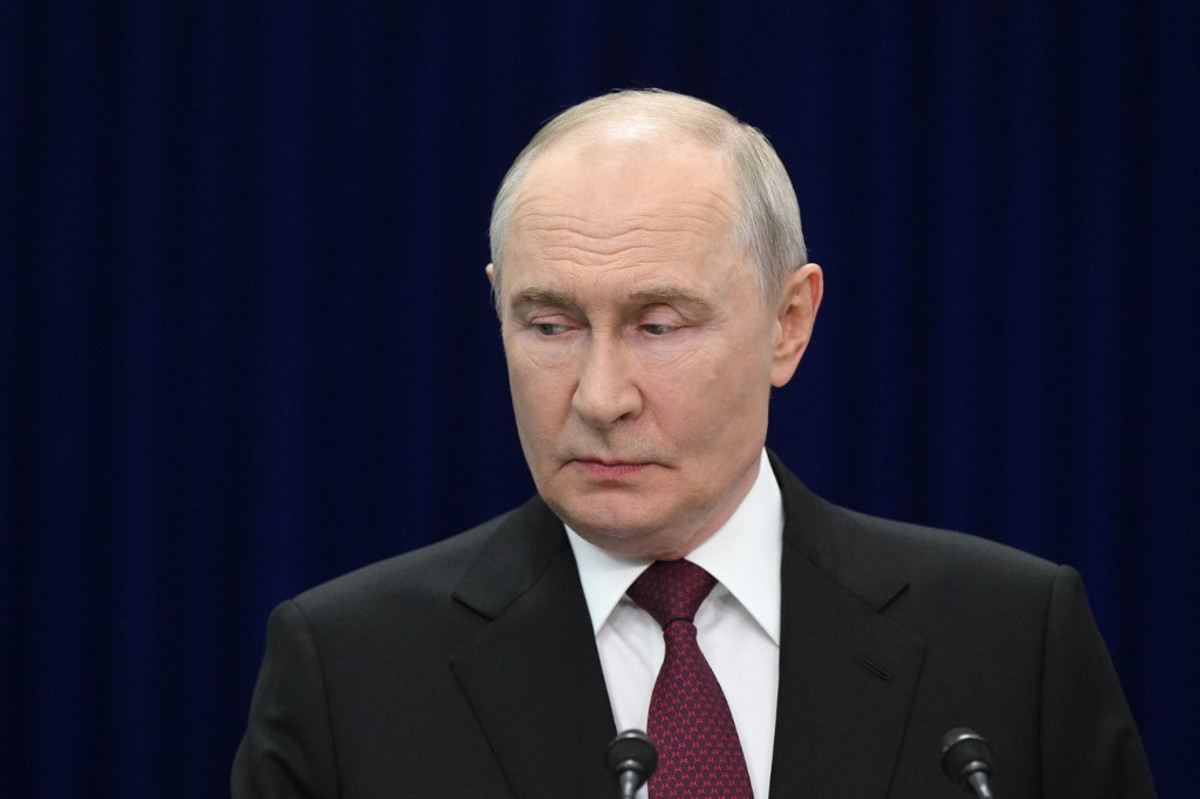
Now the same pattern is repeating around a new mobilization cycle. On August 27, Ukraine’s Main Intelligence Directorate of the Ministry of Defense and Foreign Intelligence Service said Putin plans to mobilize 300,000 people in each of 2026 and 2027.
At the same time, Kremlin spokesman Dmitry Peskov dismissed reports of preparations for a new mobilization as yet another “information canard.” Earlier, such plans had been denied by former Russian President Dmitry Medvedev, Russia’s Permanent Representative to the UN Vasily Nebenzya, and State Duma lawmakers from the Defense Committee. The synchronized nature of these denials, however, suggests that there may be more to the story than the Kremlin is admitting.
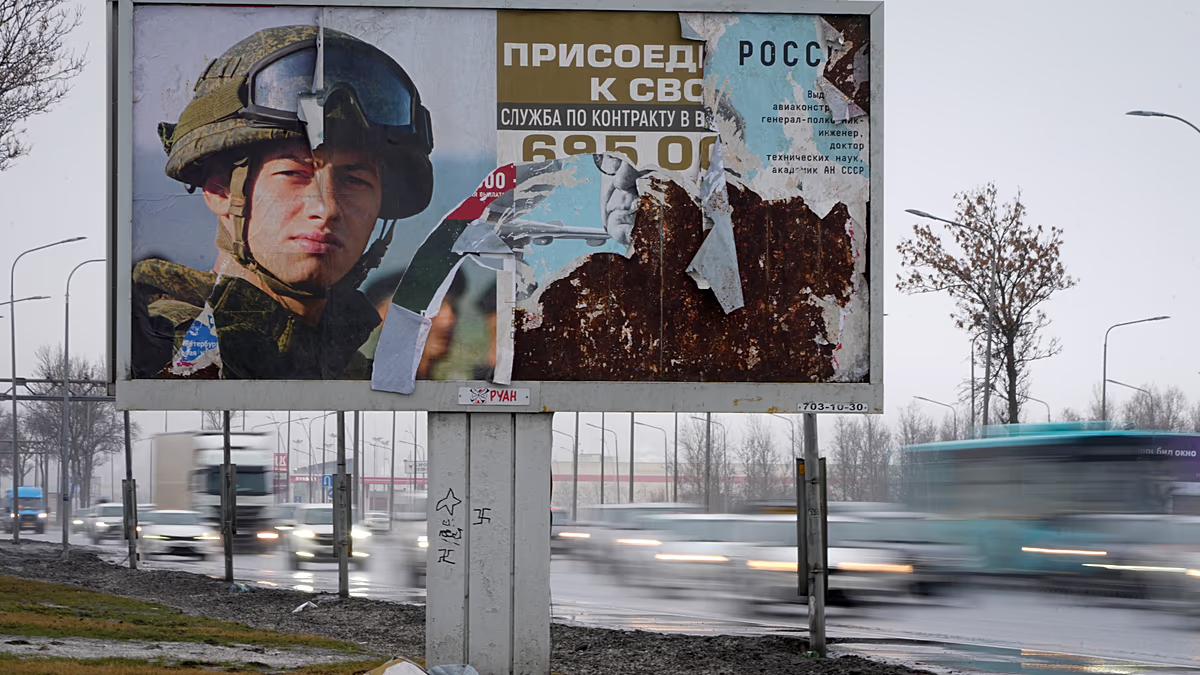
The “volunteer” mobilization pool is running dry
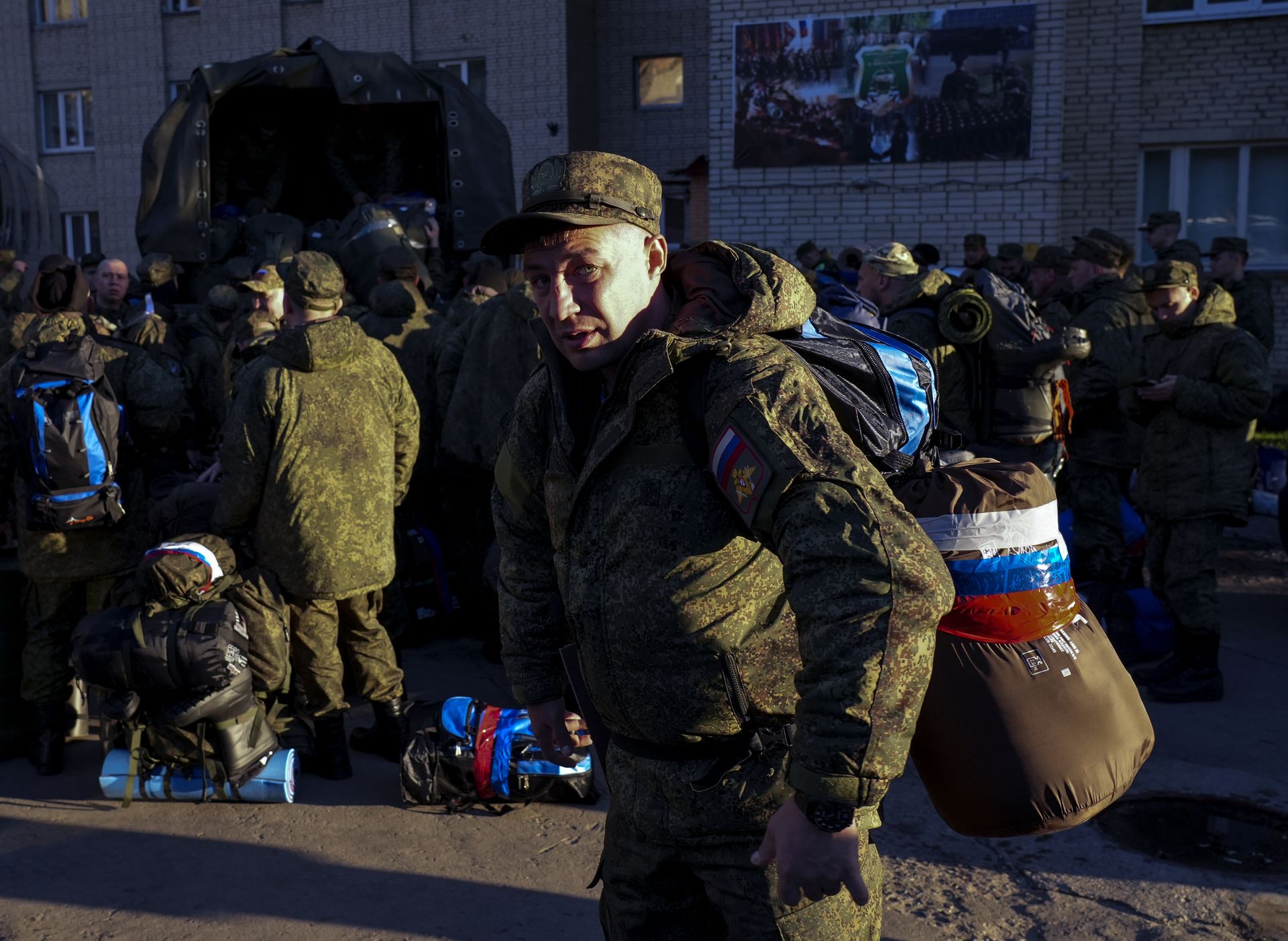
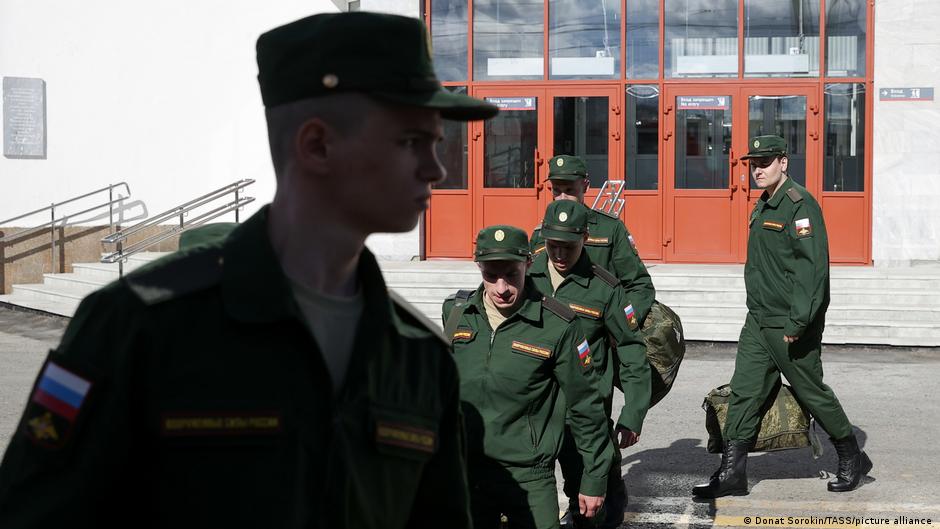
Formally, mobilization in Russia is still ongoing. Putin’s Decree No. 647, issued on September 21, 2022, remains in force. The Kremlin announced at the time that 300,000 people would be mobilized, but no separate document terminating the mobilization regime was ever issued. This creates a convenient legal gray area: the authorities can avoid announcing a new wave of mobilization while continuing to use the existing mechanism to replenish the army on an ongoing basis.