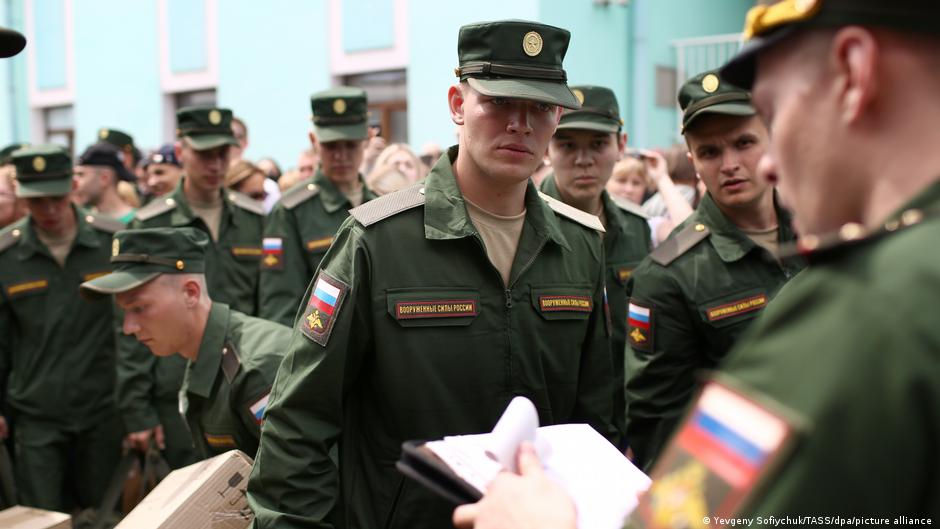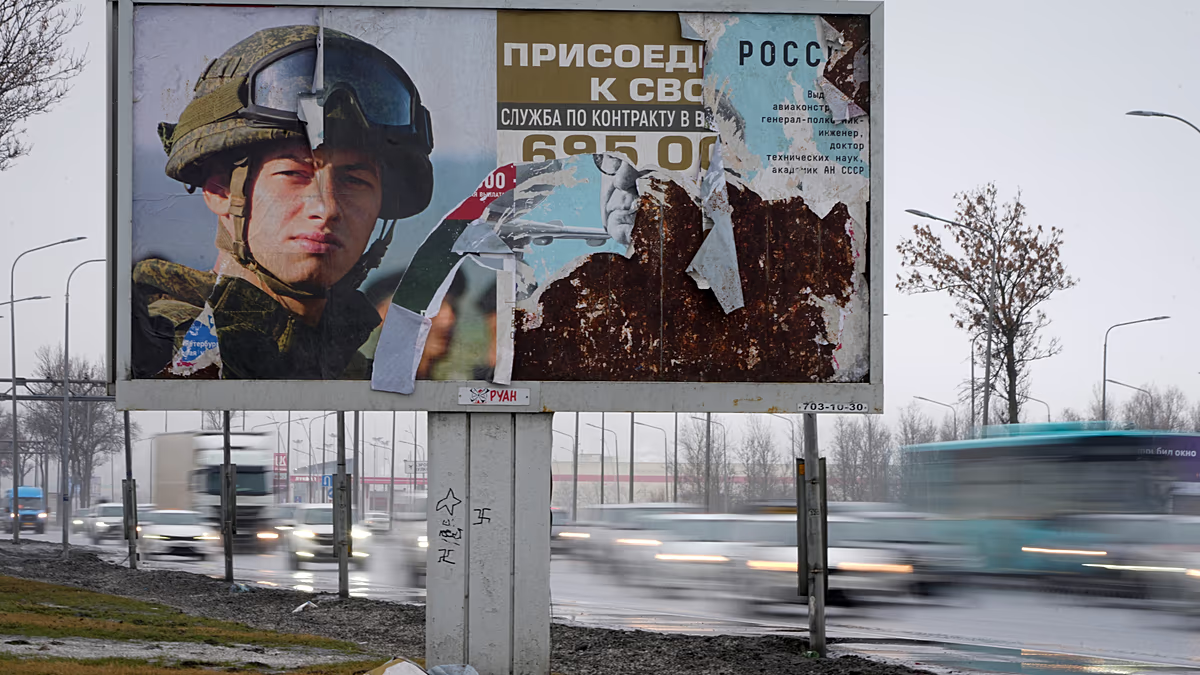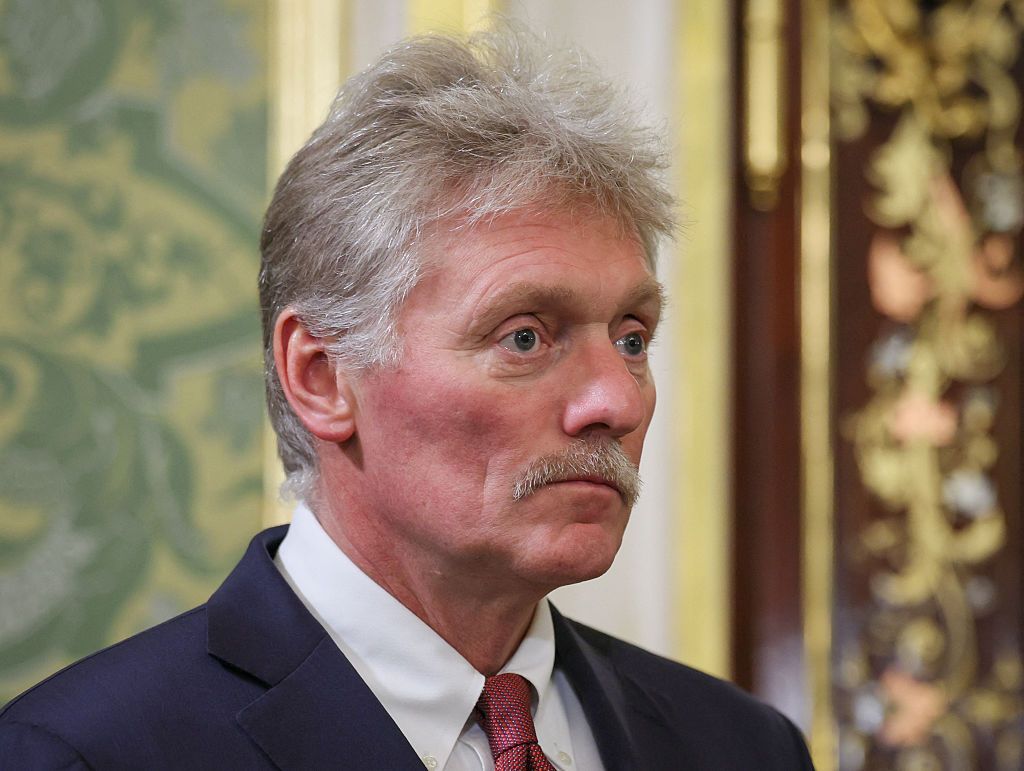
Kremlin spokesperson Dmitry Peskov accused Ukrainian authorities of trying to "ideologically destabilize the situation" in Russia by spreading reports about a possible new Russian mobilization, in an interview with Russian media outlet RTVI on Aug. 25.Peskov was responding to questions about the Kremlin's view on another Russian mobilization announcement and whether such a scenario is being considered."All of this is being planted by the Ukrainian authorities," Peskov said, adding that "these are all fabricated stories that are deliberately being planted in the information space."Speculation about another Russian mobilization has intensified in recent months as Russia’s battlefield gains slow and its voluntary recruitment system struggles to compensate for mounting losses.President Volodymyr Zelensky said on Aug. 23 that Russia plans to mobilize around 300,000 people after State Duma elections in September, largely avoiding major cities to limit public backlash. He described the plan as "peripheral mobilization." Russia has repeatedly denied plans for mobilization, both now and in 2022. On Sept. 13, 2022, Peskov said that neither full nor partial mobilization was "on the agenda." Eight days later, Putin announced a partial mobilization, calling up around 300,000 reservists.The move sparked protests and prompted hundreds of thousands of Russians to flee the country, while Putin’s approval ratings declined. Since then, Russia has largely relied on contract soldiers to replenish its ranks, while gradually expanding and experimenting with new ways to attract recruits, including targeting university students.Analysts argue that Moscow would resort to another mobilization only under severe pressure, such as an imminent front-line collapse, given the political risks such a move would carry.Moscow also repeatedly dismissed warnings that it was preparing to invade Ukraine in the months and days before launching its full-scale invasion on Feb. 24, 2022.As more than 149,000 Russian troops massed near Ukraine, on Feb. 16, 2022, Peskov mocked Western warnings of an imminent Russian attack and described them as "Western hysteria."Eight days later, Russia launched a full-scale invasion.
'Fabricated stories' — Kremlin accuses Ukraine of spreading false mobilization claims
Speculation about another mobilization has intensified in recent months as Russia’s battlefield gains slow and its voluntary recruitment system struggles to compensate for mounting losses.
318 words~1 min read