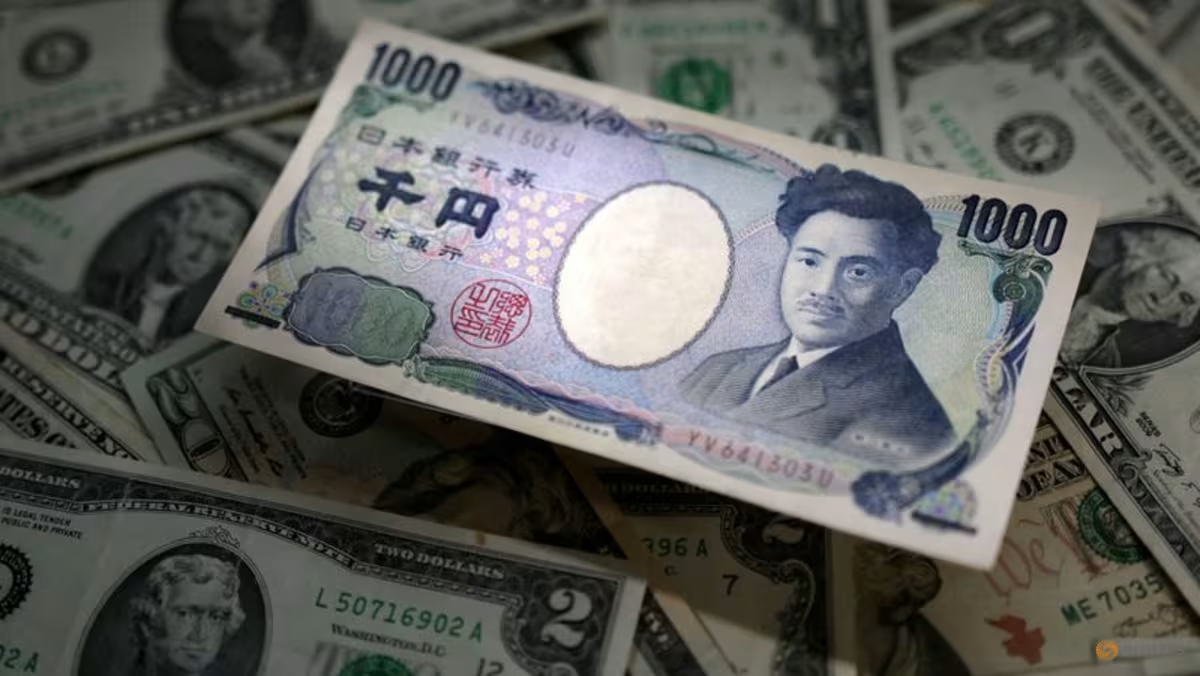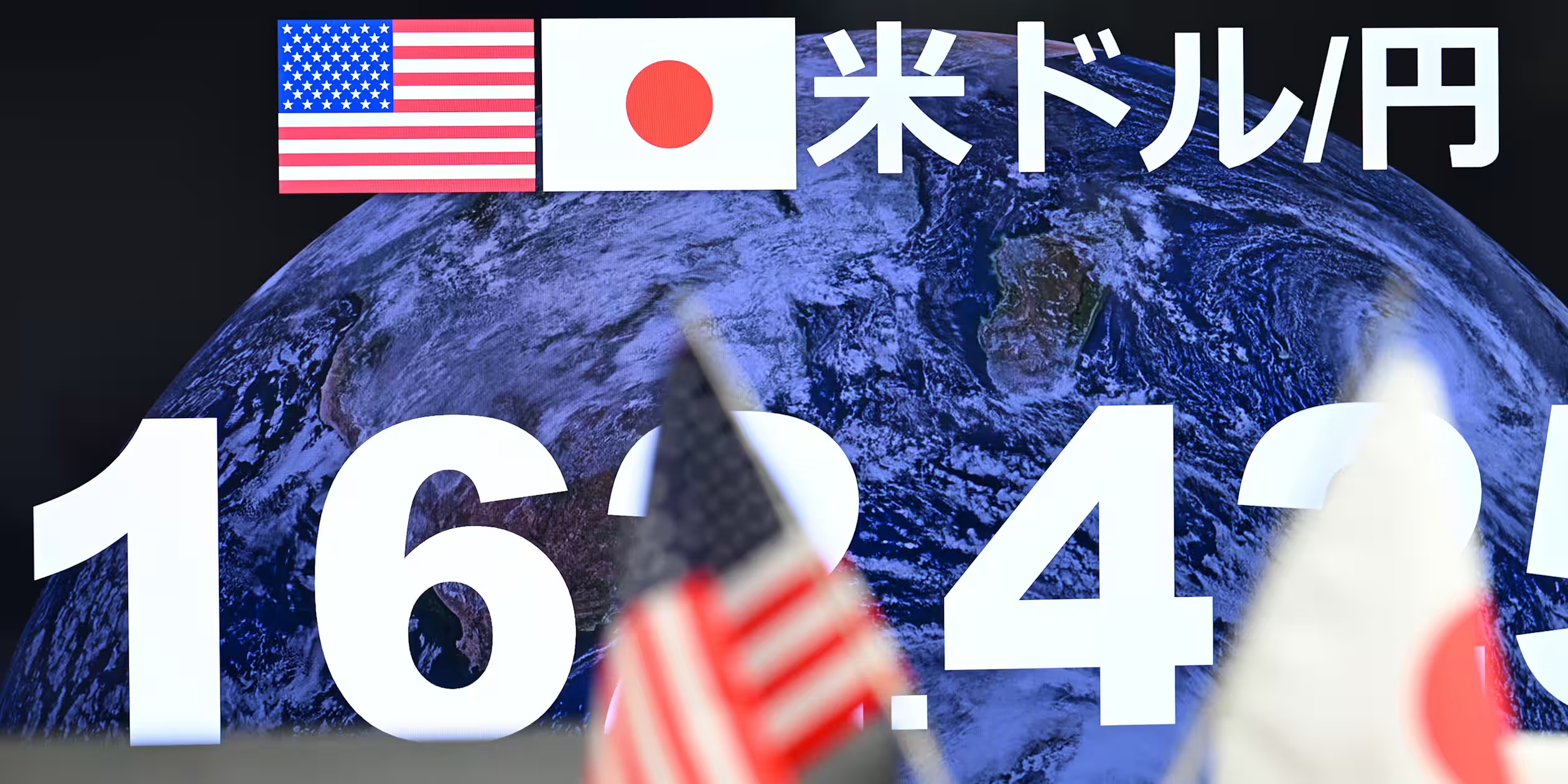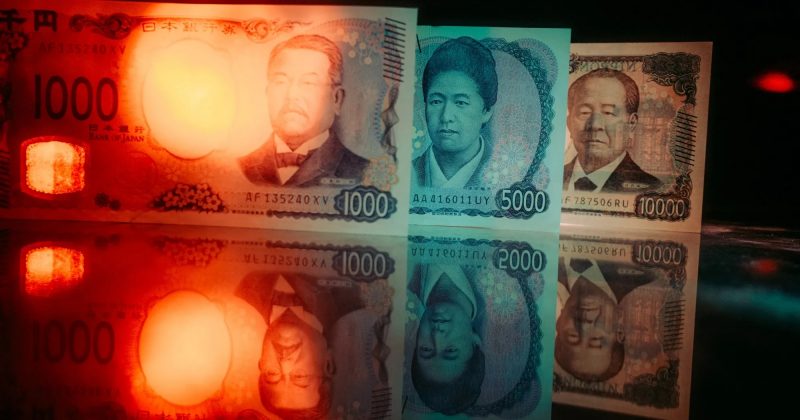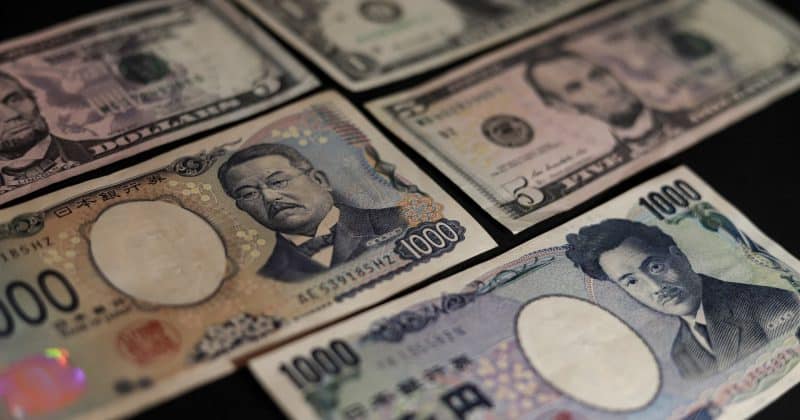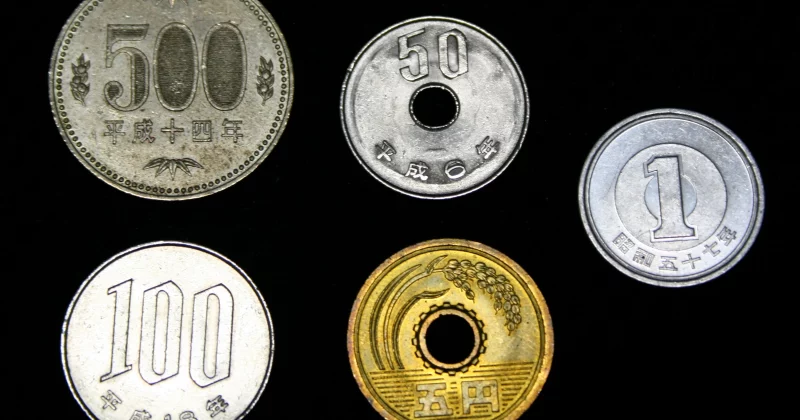
Japan has deployed an extraordinary amount of money to defend its currency, and the yen keeps sliding anyway. The yen hit 160.725 per dollar on April 30, a near two-year low that triggered one of the most aggressive currency defense operations in modern financial history. By the time Japan’s Ministry of Finance finished tallying its intervention spending for the April-to-May window alone, the bill came to 11.7 trillion yen, roughly $73 billion to $73.5 billion, the largest single-month intervention on record.
Factor in a subsequent operation on July 30 estimated at around $53 billion, and Japan’s total 2026 intervention tab approaches $96 billion.
How Japan got here
The yen’s weakness flows directly from the interest rate gap between Japan and the United States. When US rates are meaningfully higher than Japanese rates, global investors naturally move capital toward dollar-denominated assets for better returns. That steady demand for dollars puts persistent downward pressure on the yen, and no amount of intervention fully resolves the underlying arithmetic.
Japan imports nearly all of its oil and natural gas, and those purchases are priced in dollars. A weaker yen means those imports cost more in local currency terms, which feeds inflation and further strains household budgets.