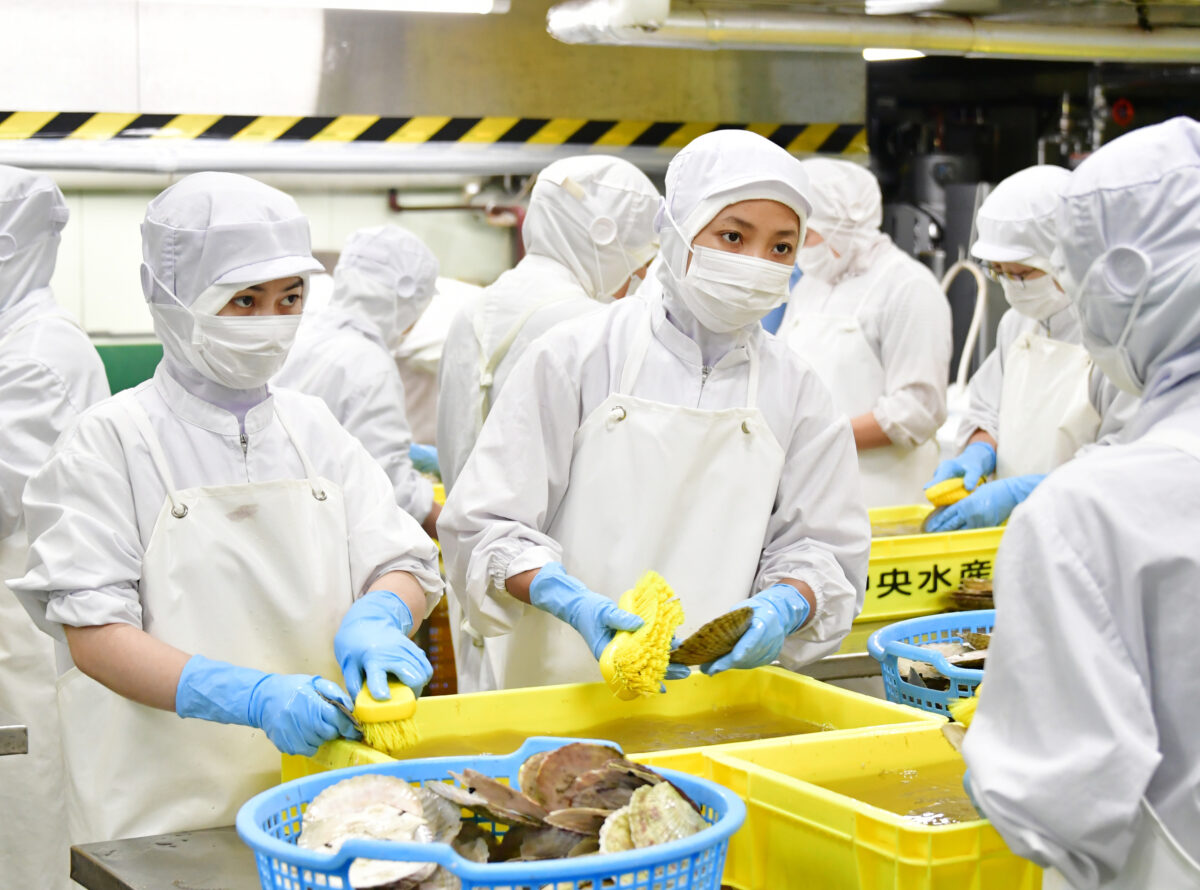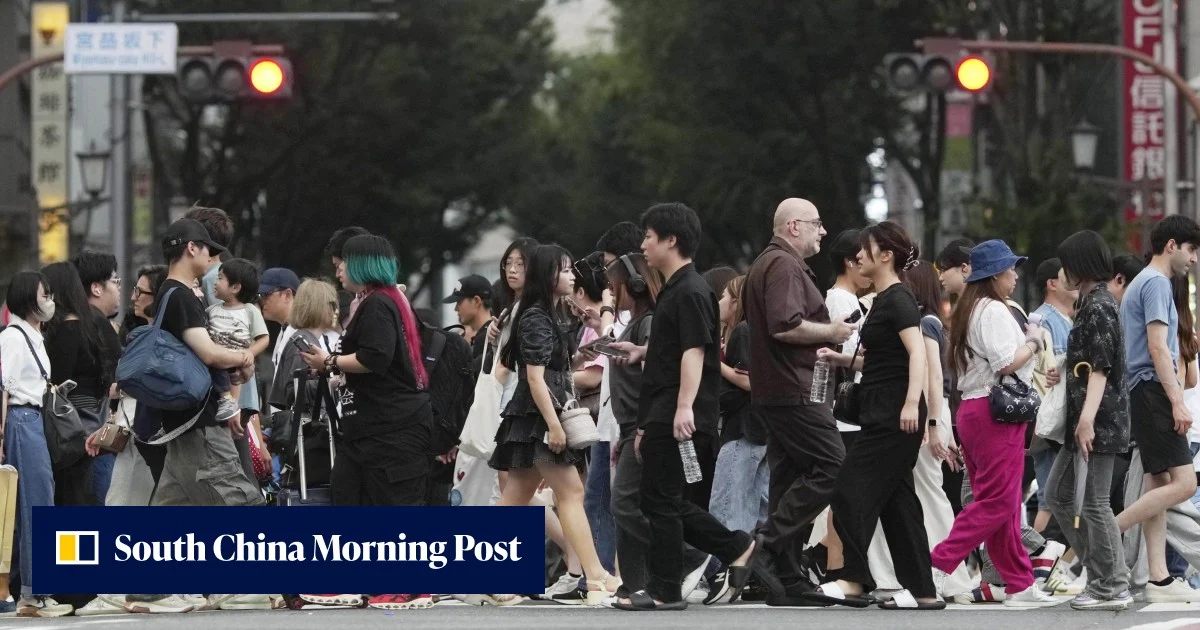
As Japan takes a harder line on immigration, its nearly 2.6 million foreign workers are caught in a puzzling bind—desperately in demand yet steadily pushed away.
Take Japan’s strained care sector, which employs 90,000 foreign workers and still faces an estimated shortage of around 250,000 workers under the pressures of a rapidly aging population. So long as they worked as certified care workers in Japan for at least five years, foreign nursing students, predominately from Southeast Asian countries like Indonesia and Vietnam, have long been eligible to receive generous scholarships, full-time permanent contracts, and new, easier pathways to care worker certification. “Facilities are so happy to have them,” said Reiko Ogawa, a professor at Chiba University who is researching migrant care workers. “Without them, a number of facilities would have already gone under.”
As Japan takes a harder line on immigration, its nearly 2.6 million foreign workers are caught in a puzzling bind—desperately in demand yet steadily pushed away.
Take Japan’s strained care sector, which employs 90,000 foreign workers and still faces an estimated shortage of around 250,000 workers under the pressures of a rapidly aging population. So long as they worked as certified care workers in Japan for at least five years, foreign nursing students, predominately from Southeast Asian countries like Indonesia and Vietnam, have long been eligible to receive generous scholarships, full-time permanent contracts, and new, easier pathways to care worker certification. “Facilities are so happy to have them,” said Reiko Ogawa, a professor at Chiba University who is researching migrant care workers. “Without them, a number of facilities would have already gone under.”