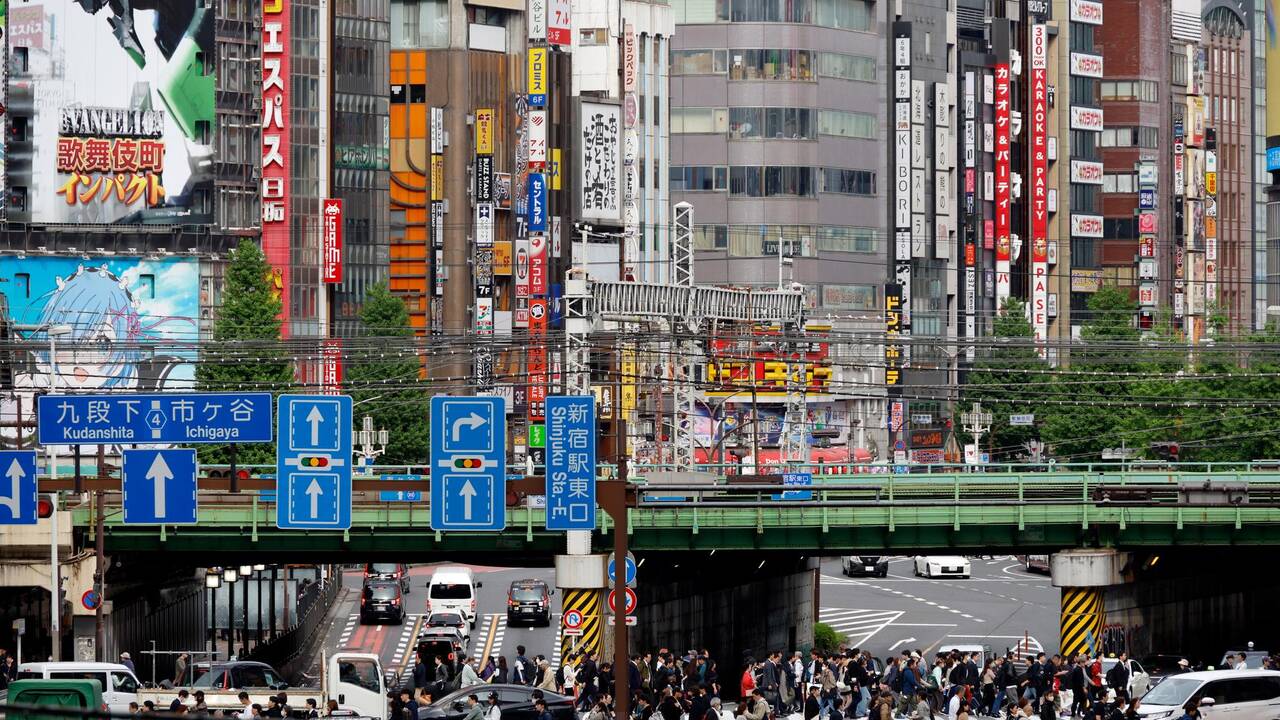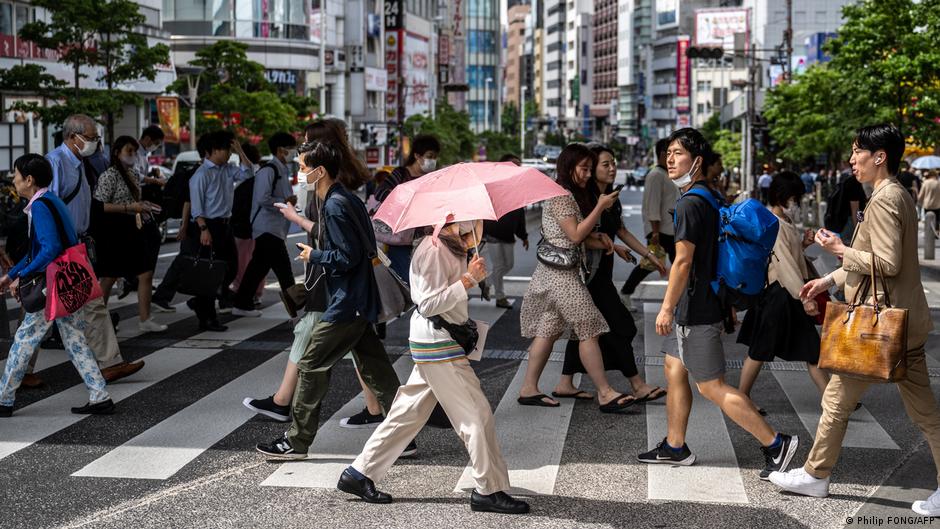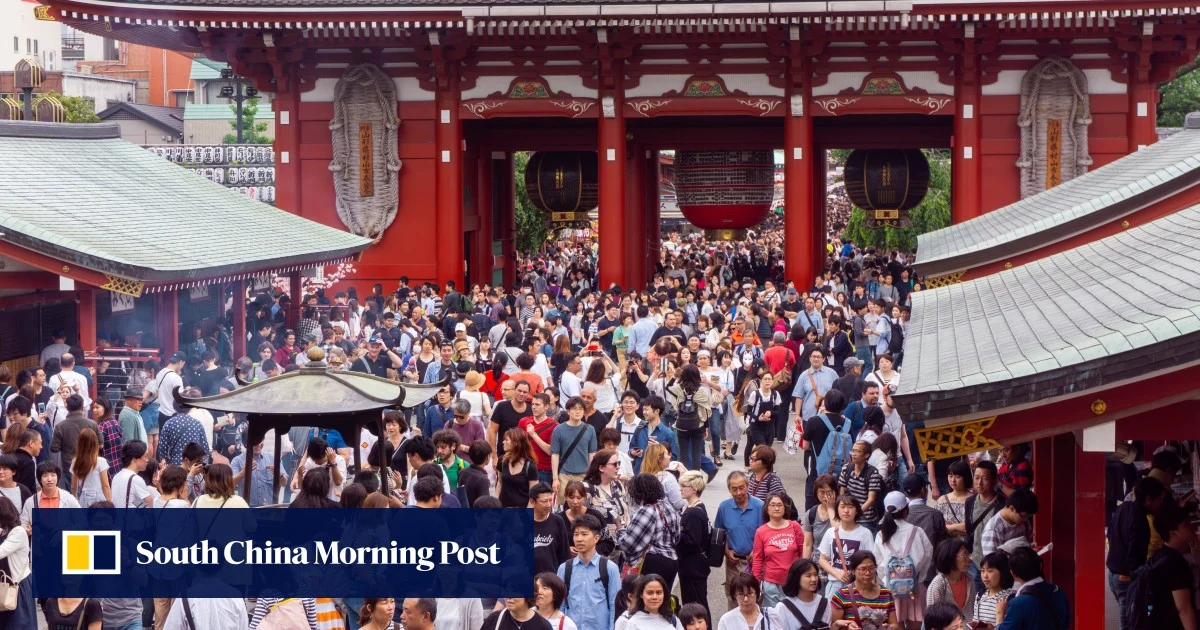
Japan increasingly needs foreign workers, but the government is becoming more restrictive about who can become a citizen. Under Prime Minister Sanae Takaichi, the Nationality Act has not been formally amended — Article 5 still states that applicants for naturalisation must have ‘continuously maintained a domicile in Japan for five years or more’. But in practice, the threshold for acquiring Japanese citizenship has become noticeably harder to reach.
The shift lies not in statutory change but in administrative practice. The Ministry of Justice has reportedly tightened scrutiny of tax payments, pension contributions, health insurance compliance, employment stability and legal records over longer periods of residence. Formally, the five-year requirement remains intact. But in practice, applicants increasingly face expectations of stable residence and social integration in Japan for closer to a decade before naturalisation is realistically attainable.
This tightening reflects the broader political logic of the Takaichi government. The administration has consistently drawn a distinction between accepting foreigners as workers and accepting them as members of the national community. Foreign labour may be economically necessary. But Japan is not yet prepared to redefine itself as an immigration country.