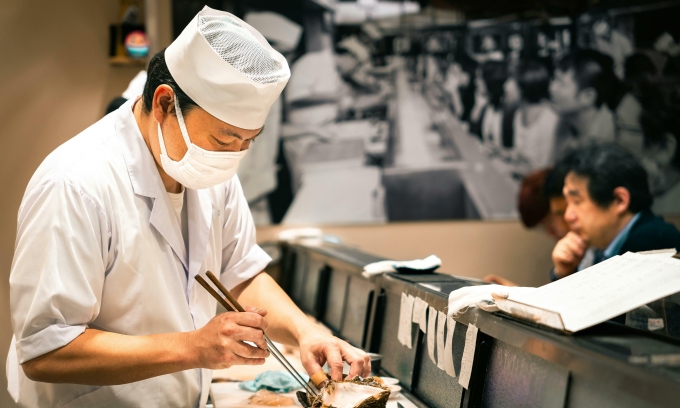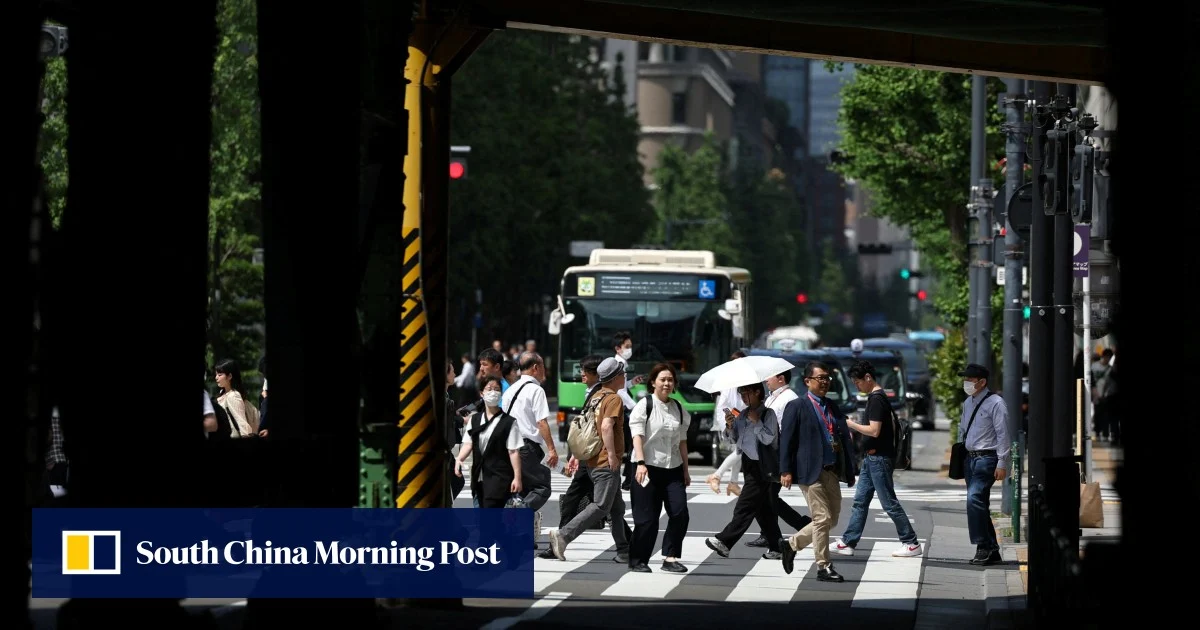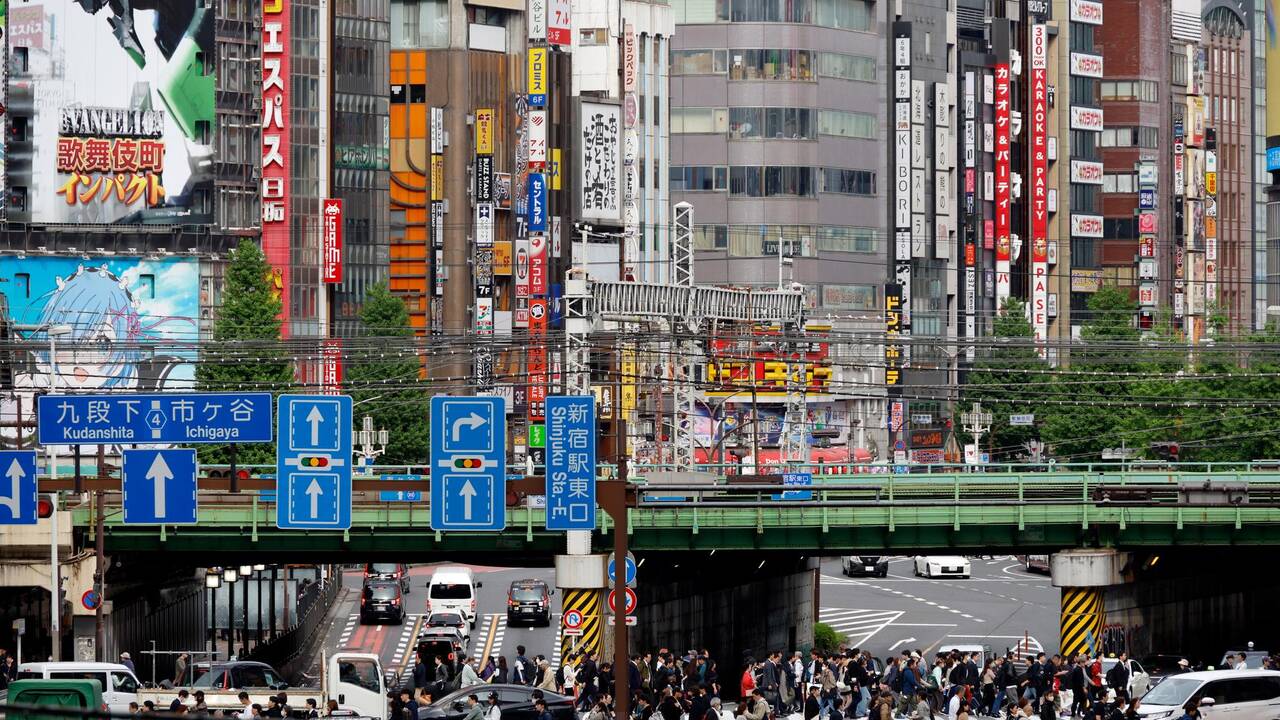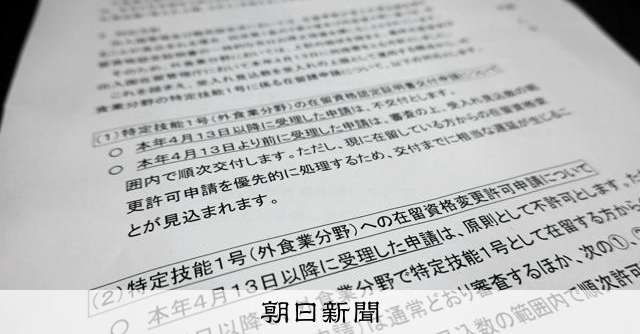
Japan’s restaurant industry suspended new recruitment under the government’s Type 1 Specified Skilled Worker (SSW) visa program after reaching its quota of 50,000 migrant workers in April 2026. This episode exposes growing tensions between labour shortages and increasingly restrictive political attitudes towards immigration in Japan.
The suspension affects a sector already struggling with chronic labour shortages and highlights broader flaws in Japan’s immigration framework, which relies on fixed projections rather than real-time labour demand. Industry groups are now urging the government to expand the quota, but the political climate surrounding immigration has become significantly less flexible.
The SSW program, introduced in 2019, was designed to address labour shortages by allowing migrant workers to enter industries facing recruitment difficulties. The first phase (2019–24) allowed up to 345,000 workers. The second phase (2024–29) expanded the ceiling to 820,000 amid expectations of worsening labour shortages in sectors like elder care and food manufacturing.
Yet the system has struggled to accurately reflect actual market demand. During the first phase, which coincided with the COVID-19 pandemic, only two of the 12 eligible industries reached between 90 and 100 per cent of their projected recruitment targets. The government offset surpluses and shortfalls across sectors to balance the overall numbers.