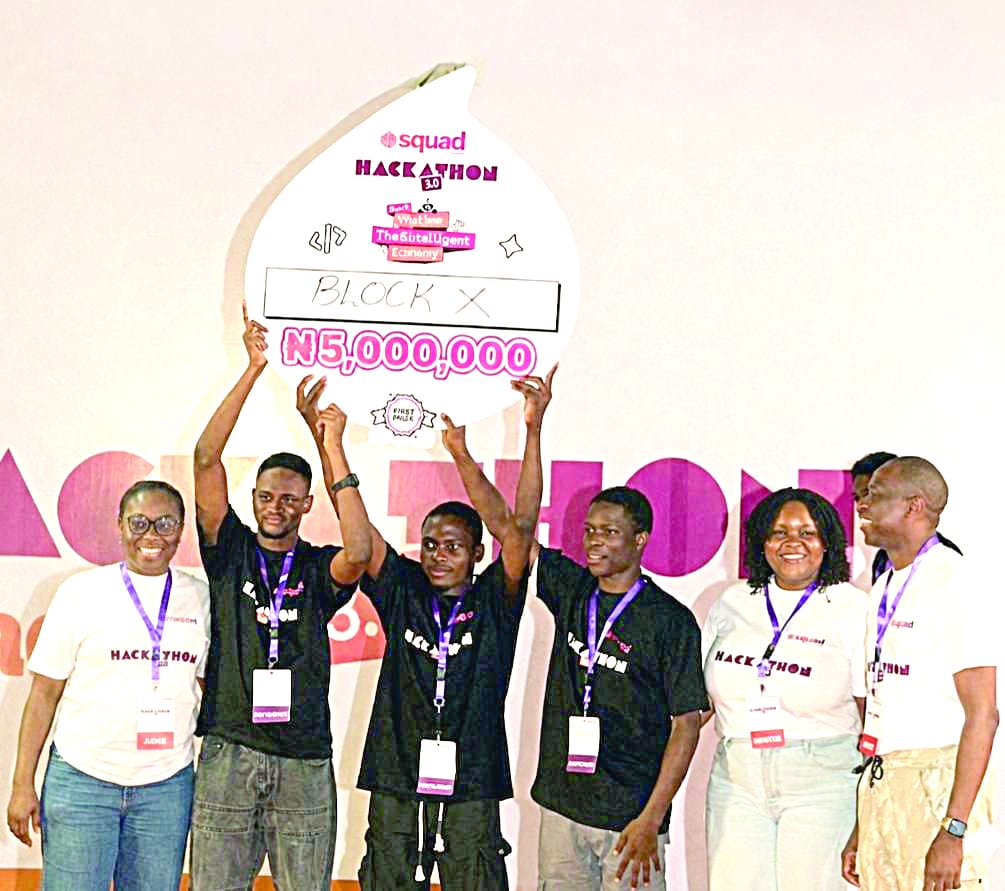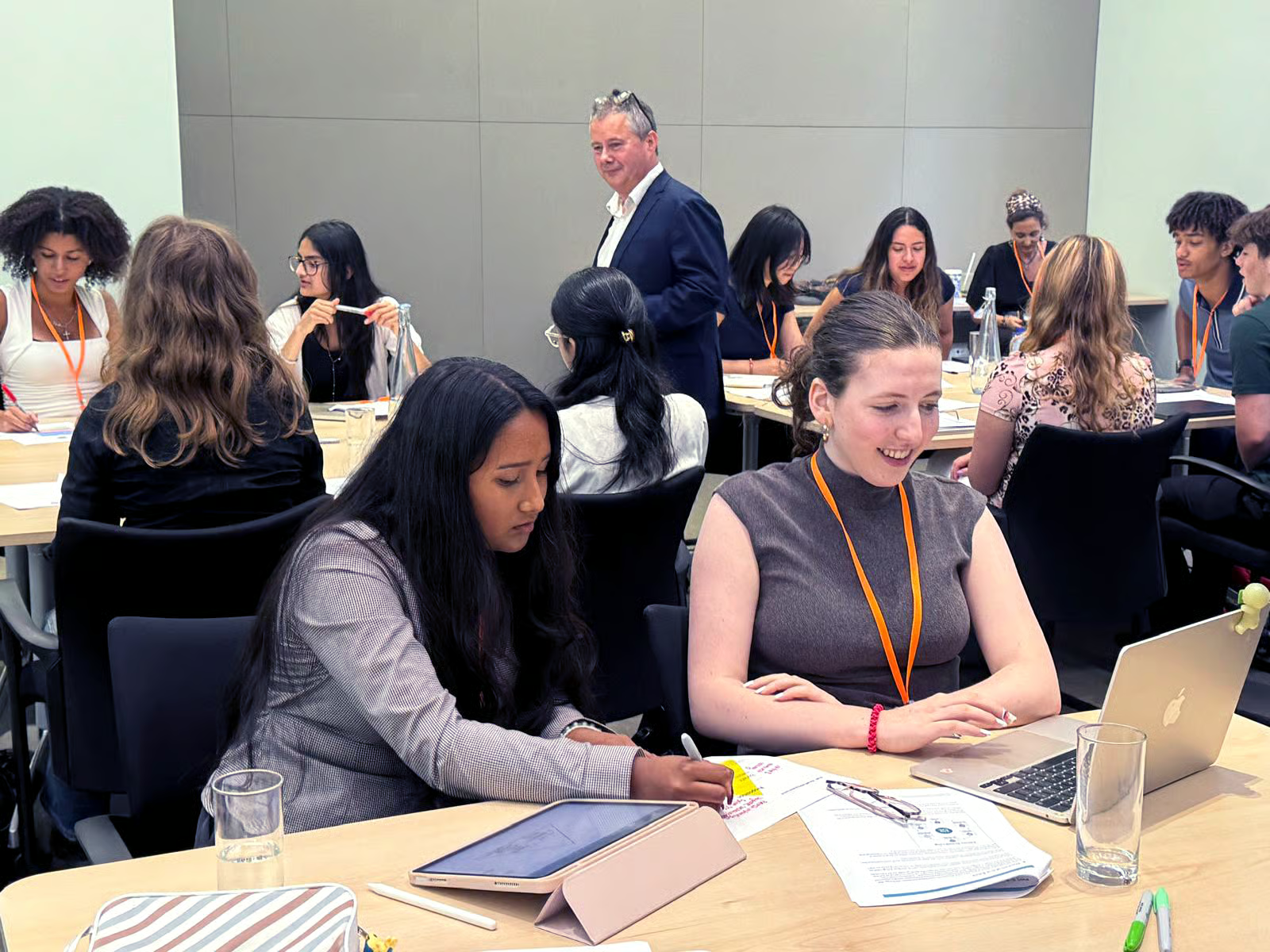
Every evening, after full days at their jobs, they logged on anyway, as engineers, product managers, and testers, to teach people they had never met, for a programme that did not pay them a single naira. They came back the next week. And the next. Nobody quit on the learners. No grants. No investors. No paid instructors. Just a group of people who believed that someone else’s future was worth their time. By the end of the first cohort, they had built something money never touched: a community forging Africa’s next tech talent.
That is how FutureForge, a volunteer-led tech training initiative, ran its first cohort funded out of the co-founders’ pockets, taught by professionals volunteering after full workdays, and held together by a core team juggling jobs, school, and personal responsibilities.
The programme offered free training in frontend development, backend development, product management, and software testing to learners it calls “Forgers”, with facilitators drawn from professionals actively working in the industry. Nobody involved was paid.
The bet behind it was simple: talent is everywhere, but access and opportunity are not. And the question the first cohort set out to answer was bigger than any single class: what happens when a community decides to take responsibility for creating opportunities for the next generation of tech talent?