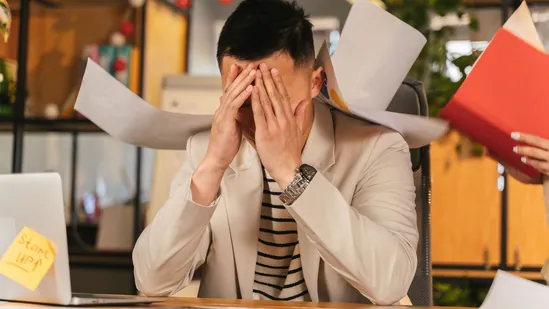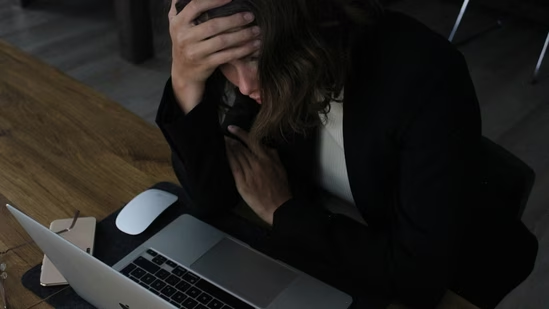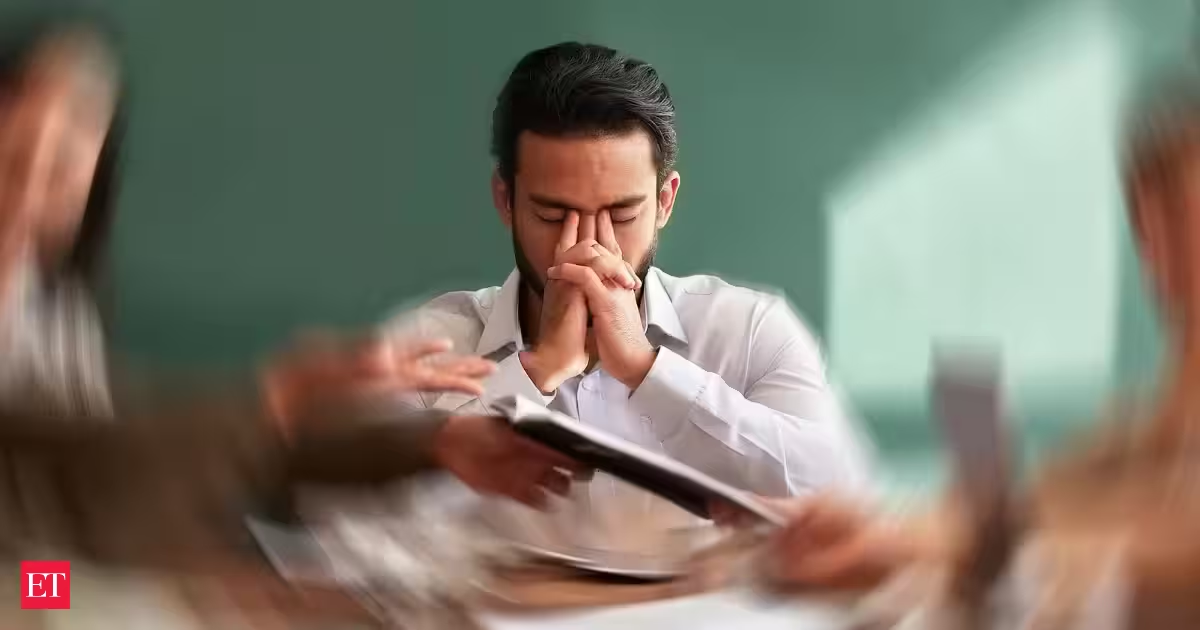
Stress is easy to brush aside. A busy day, a difficult conversation or a packed workload can leave you feeling overwhelmed, but many people simply carry on and hope the feeling passes.The World Health Organization (WHO) has highlighted why stress should not be ignored, urging people to recognise its signs and make time to pause, breathe and slow down.Read more - Cyclosporiasis: Think your salad is harmless? Parasite outbreak spreads across Michigan, Pennsylvania, Texas, Ohio, Massachusetts & 15 more states; FDA issues warningIn a post shared on X, WHO said stress can make it harder to relax and make decisions. It can also increase feelings of anxiety and irritation and negatively affect overall health.— WHO (@WHO) What are the common signs of stress?Stress does not always show up as an obvious feeling of worry. It can also appear through physical changes in the body.The WHO graphic highlights several possible signs, including:HeadachesNeck and shoulder painBack painMuscle tensionAn upset stomachLoss of appetiteA feeling of heaviness in the chestA sensation of having a lump in the throatThese symptoms can have different causes, so experiencing one or more of them does not necessarily mean that stress is the reason.How does stress affect the body?When stress builds up, it can affect both mental and physical wellbeing. You may find it difficult to relax, concentrate or make decisions, while feelings such as anxiety and irritation can become more noticeable.Physical tension can also develop, particularly around areas such as the neck, shoulders and back.That is why recognising the early signs can be useful rather than simply pushing through them.Why is it important to recognise stress early?Ignoring stress for long periods can make it harder to switch off and recover from everyday pressures.Recognising that you are feeling stressed gives you an opportunity to step back and make small changes. Even a short pause during a hectic day can help create some breathing space.WHO's message encourages people to spot the signs of stress and practise simple techniques that allow them to pause, breathe and slow down.What can you do when you feel stressed?Simple habits can help you create a little distance from whatever is causing the pressure.You could try:Taking a few slow, deep breathsStepping away from work or a stressful situation for a few minutesGetting some fresh air or going for a short walkSpeaking to someone you trustBreaking overwhelming tasks into smaller stepsGiving yourself time to rest and switch offThe goal is not to eliminate every stressful moment from life, that would be quite a trick, but to learn how to respond when stress starts building up.When should you take stress seriously?If stress is persistent, overwhelming or interfering with your everyday life, it is worth speaking to a qualified healthcare professional.Similarly, symptoms such as chest pain, severe headaches or other worrying physical symptoms should not automatically be assumed to be caused by stress. Seek appropriate medical advice, particularly if symptoms are new, severe or persistent.
WHO stress advisory WHO has a warning for people with these 8 symptoms, from headaches to muscle tension: Here’s why you should take them seriously
The World Health Organization (WHO) urges people to recognise the signs of stress and take time to pause and slow down. Stress can manifest through physical symptoms such as headaches, muscle tension and stomach discomfort. Persistent stress can significantly affect both mental and physical wellbeing. Simple techniques such as deep breathing can help manage rising pressure, while people experiencing overwhelming or persistent symptoms should consider seeking professional support.
486 words~2 min read