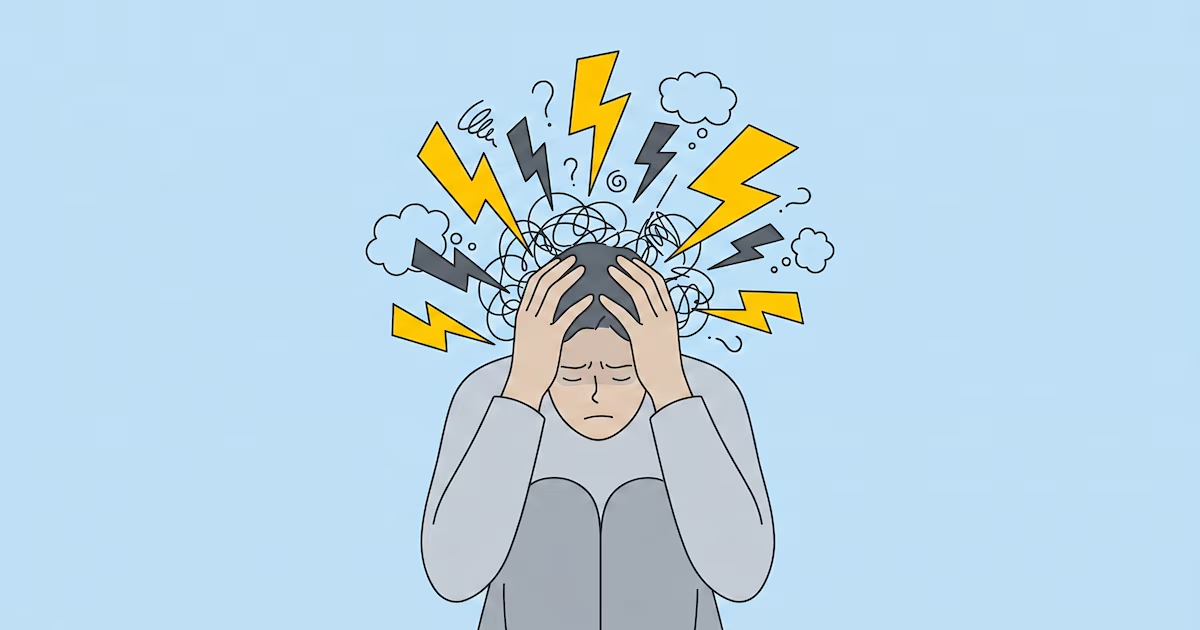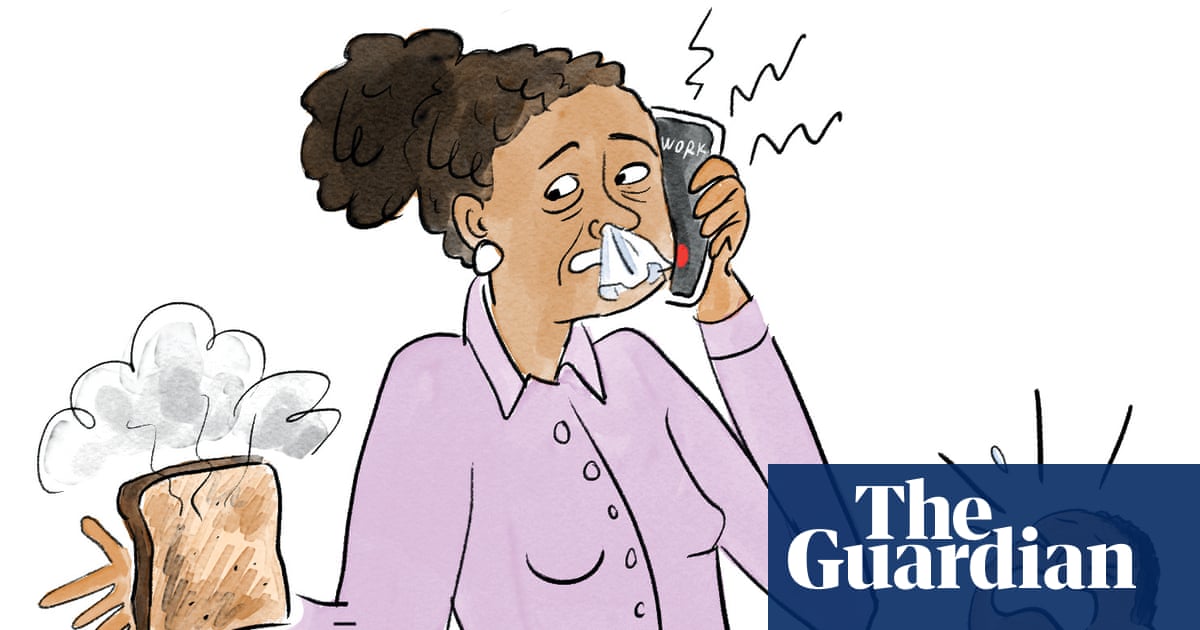
Stress is often treated as a psychological problem — something to be managed through mindset, meditation, or time off. But the body registers stress as a biological event, not just a mental one. When the brain perceives a threat, it triggers a cascade of hormonal and neurological changes that ripple outward into the cardiovascular system, the gut, the skin, the immune system, and beyond. Most of these responses were never designed for the pressures of modern life. They evolved to handle short, sharp dangers — a predator, a fall, a fight. The problem is that the human stress response does not distinguish between a charging lion and a mounting pile of unpaid bills.
The two primary stress hormones, cortisol and adrenaline, are efficient and powerful. In small doses, they sharpen focus, raise energy, and prepare the body for action. But when stress becomes chronic — when those hormones stay elevated for days, weeks, or months — the same mechanisms that protect in an emergency begin to cause damage. Sustained high cortisol suppresses immune function, disrupts sleep architecture, increases blood pressure, and alters how fat is stored. Chronic adrenaline exposure strains the heart and keeps the nervous system in a state of low-level alert that is exhausting to maintain.