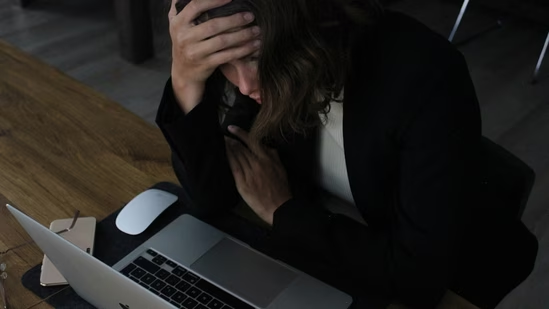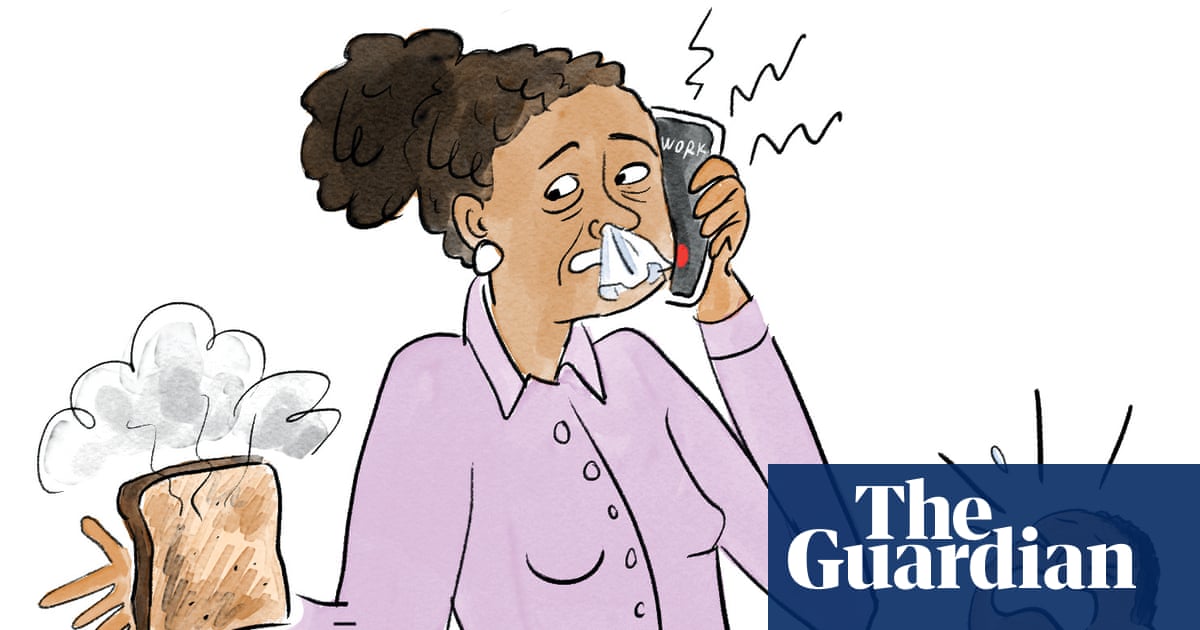
Living with chronic stress is consistently linked to poorer health outcomes, from heart problems to chronic inflammation and a less efficient immune system. It can manifest as a prolonged sense of feeling overwhelmed, under pressure, and burnt out – and wreaks havoc on our minds and bodies.
If you’re juggling a busy schedule and family commitments, it can be too easy to dismiss everything as “just stress”, when the mental and physical impact may warrant further discussion with a healthcare professional.
“Headaches, dizziness, muscle tension, poor sleep and stomach problems are among common physical symptoms people may experience during periods of stress,” says professor Victoria Tzortziou Brown, president of the Royal College of GPs.
“A GP’s role is to make sure we are not missing an underlying medical condition,” Tzortziou Brown continues. “Some symptoms should always be assessed, regardless of whether you are feeling stressed.” For example, unexplained weight loss, a new lump, blood in your stools, persistent chest pain or unexplained shortness of breath, she says, should never be ignored.
Shorts