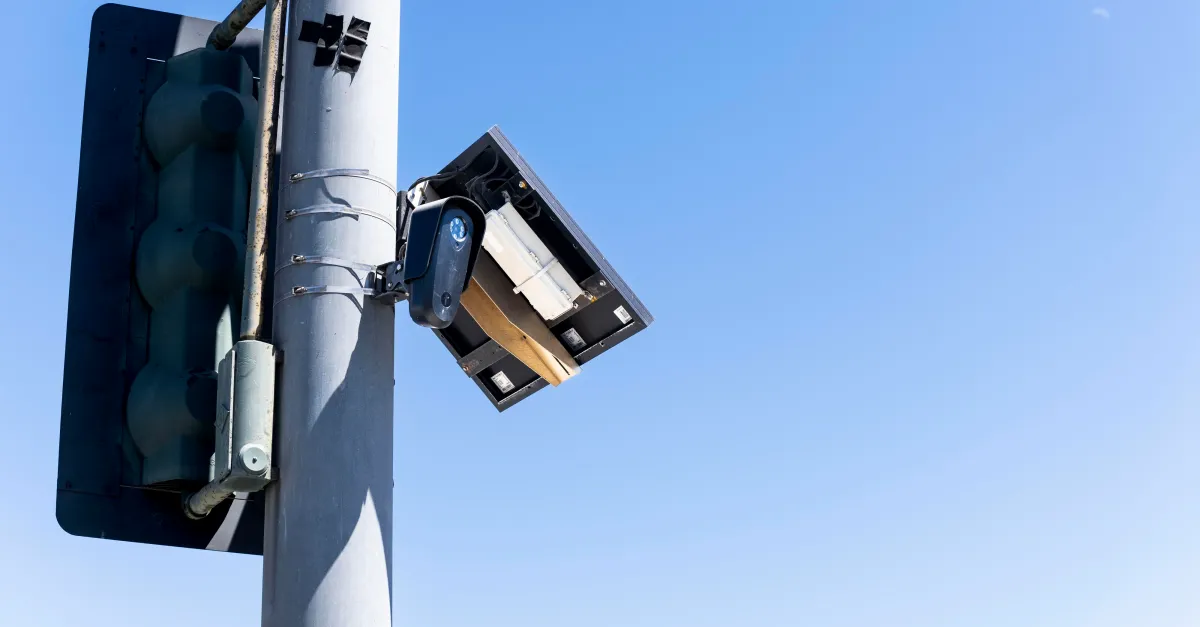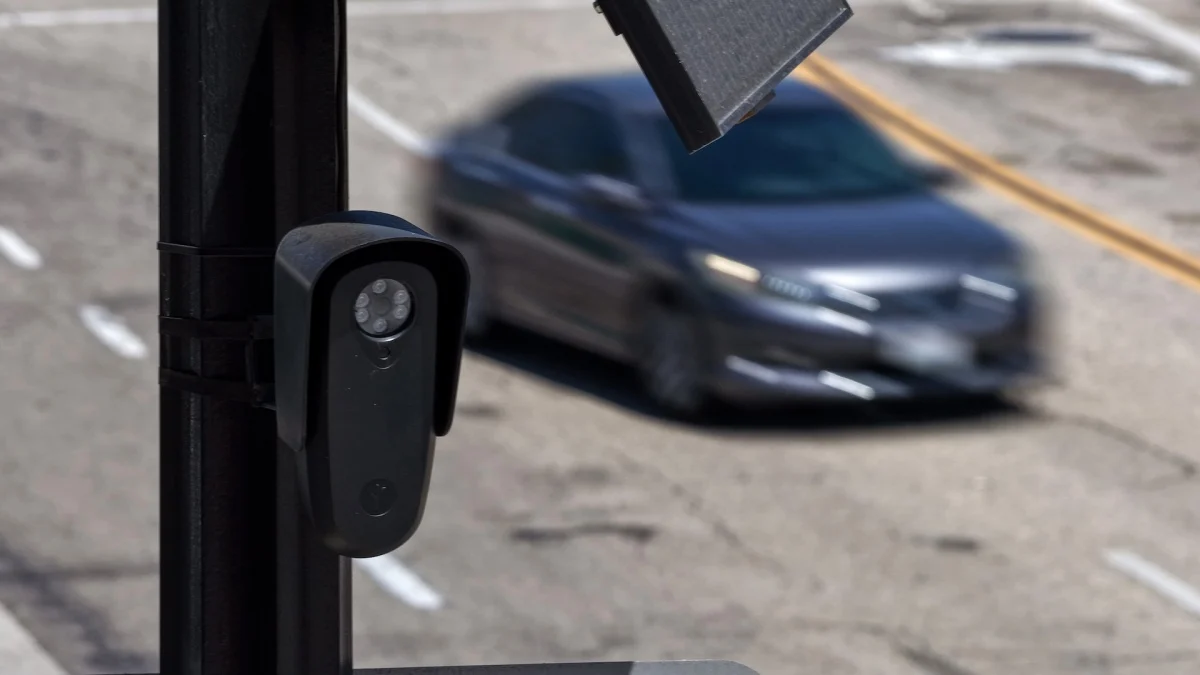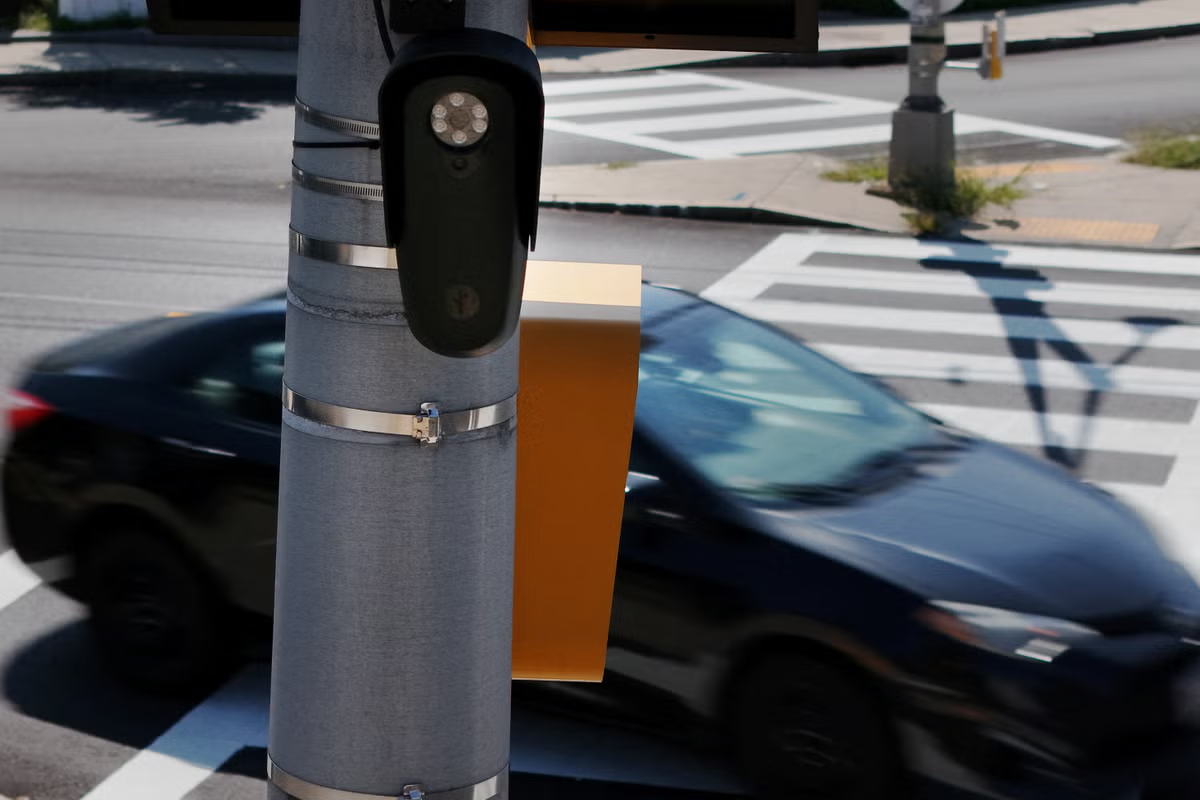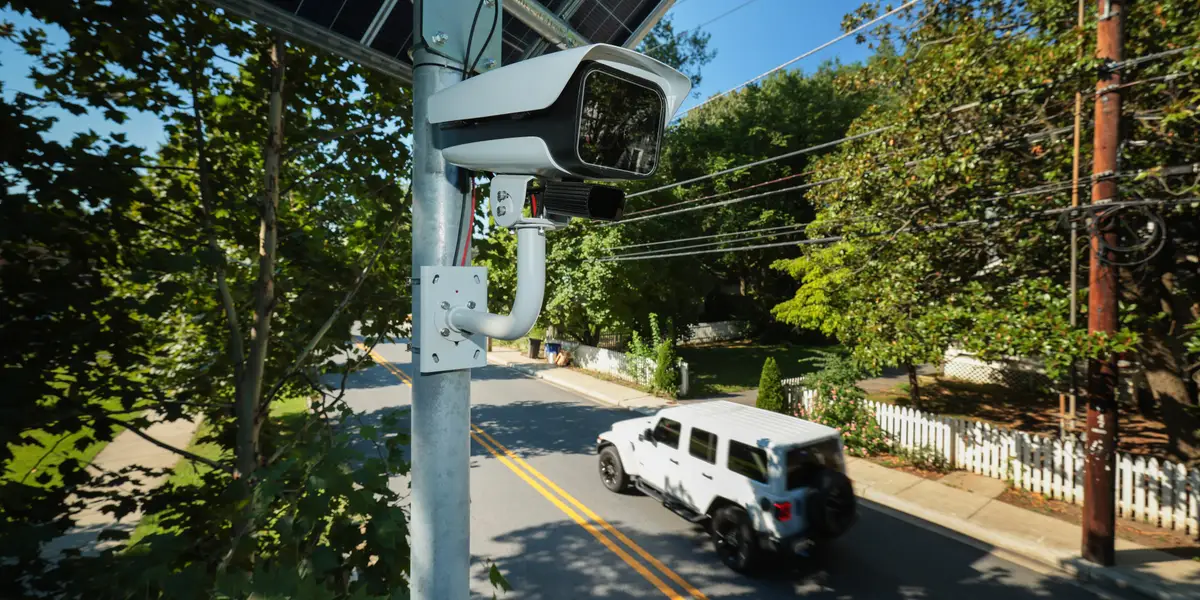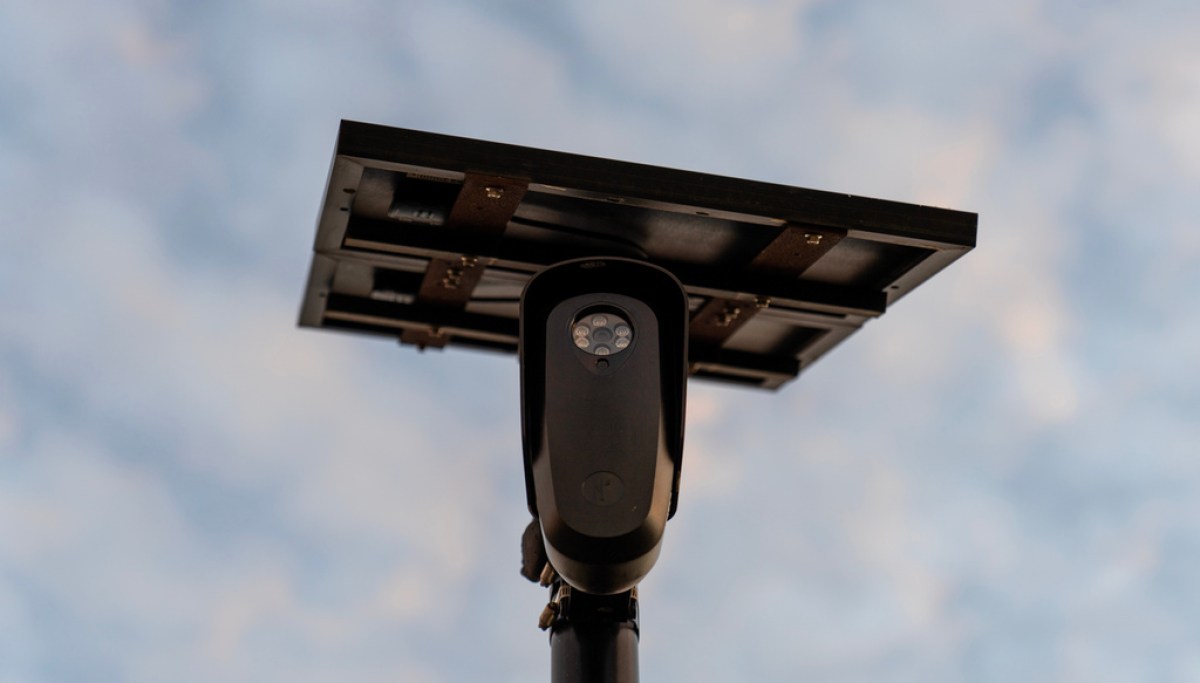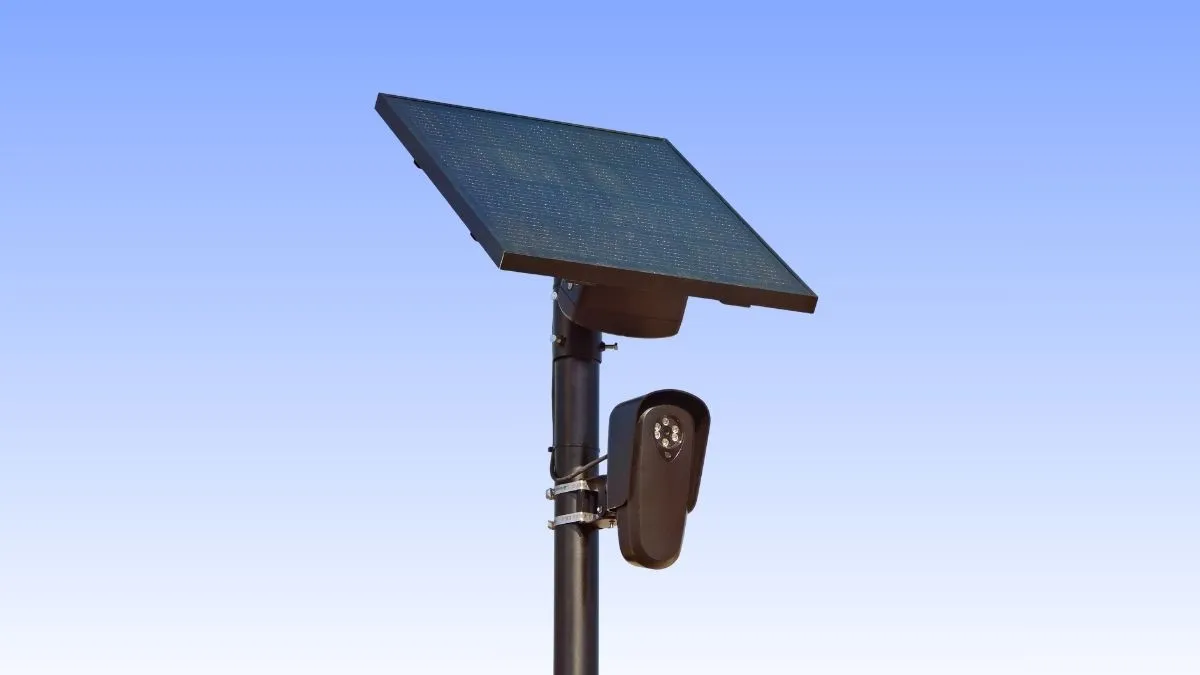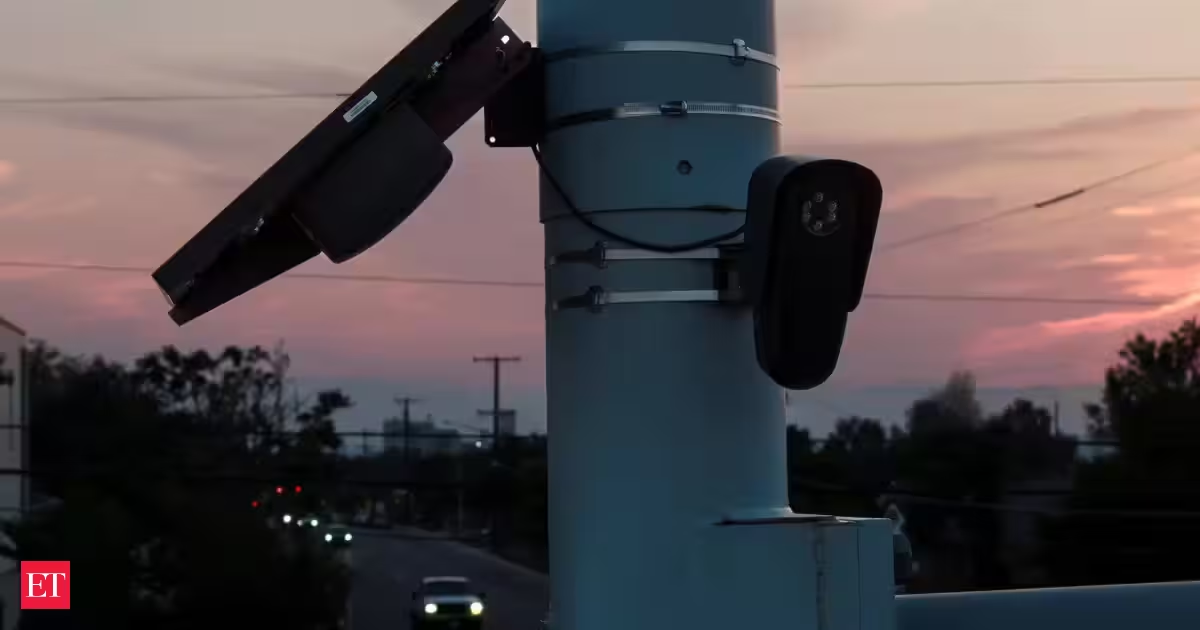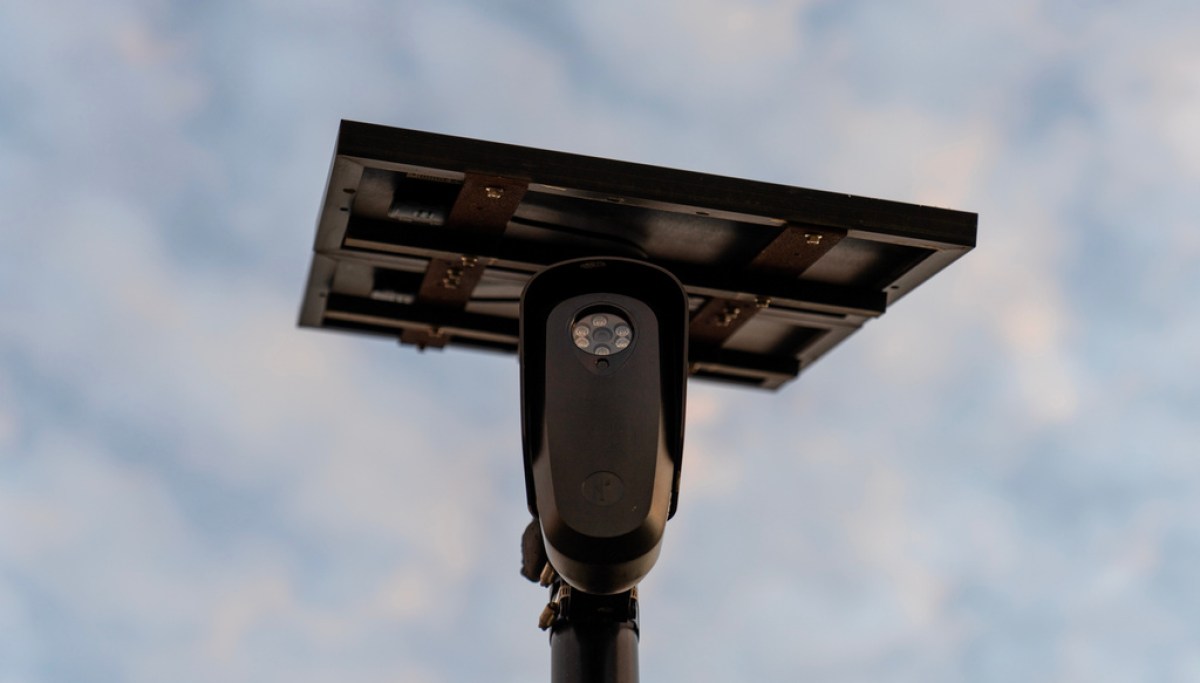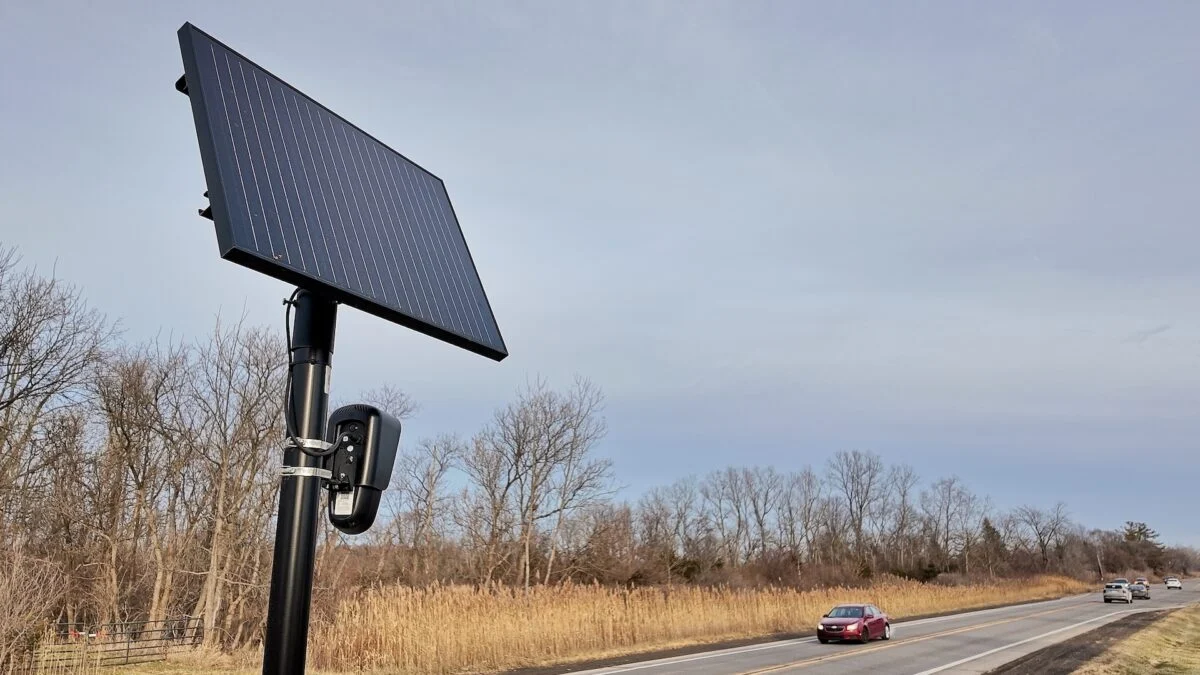
Will Freeman wasn’t looking to start a national movement when he launched DeFlock after noticing Flock Safety’s automatic license plate readers along the side of the road.The software engineer was driving across the country in 2024 when the cameras began catching his attention. They appeared at interstate exits, along city streets, and, in one instance, on a dirt road. When Freeman arrived in his hometown of Huntsville, Alabama, he found them there too.“I mean, it just looked creepy to me,” Freeman told the Washington Examiner. “It looked like it was designed to be hidden because it was all black and then typically mounted behind signs and in spots where you’re unlikely to see them.”
Freeman started asking his friends if he knew what they were, only to find out no one had any idea what Flock was. So, he started digging.He learned that the cameras he had encountered were operated by Flock Safety, an Atlanta-based tech company that has rapidly built a nationwide network used by thousands of law enforcement agencies.Getting DeFlock off the ground
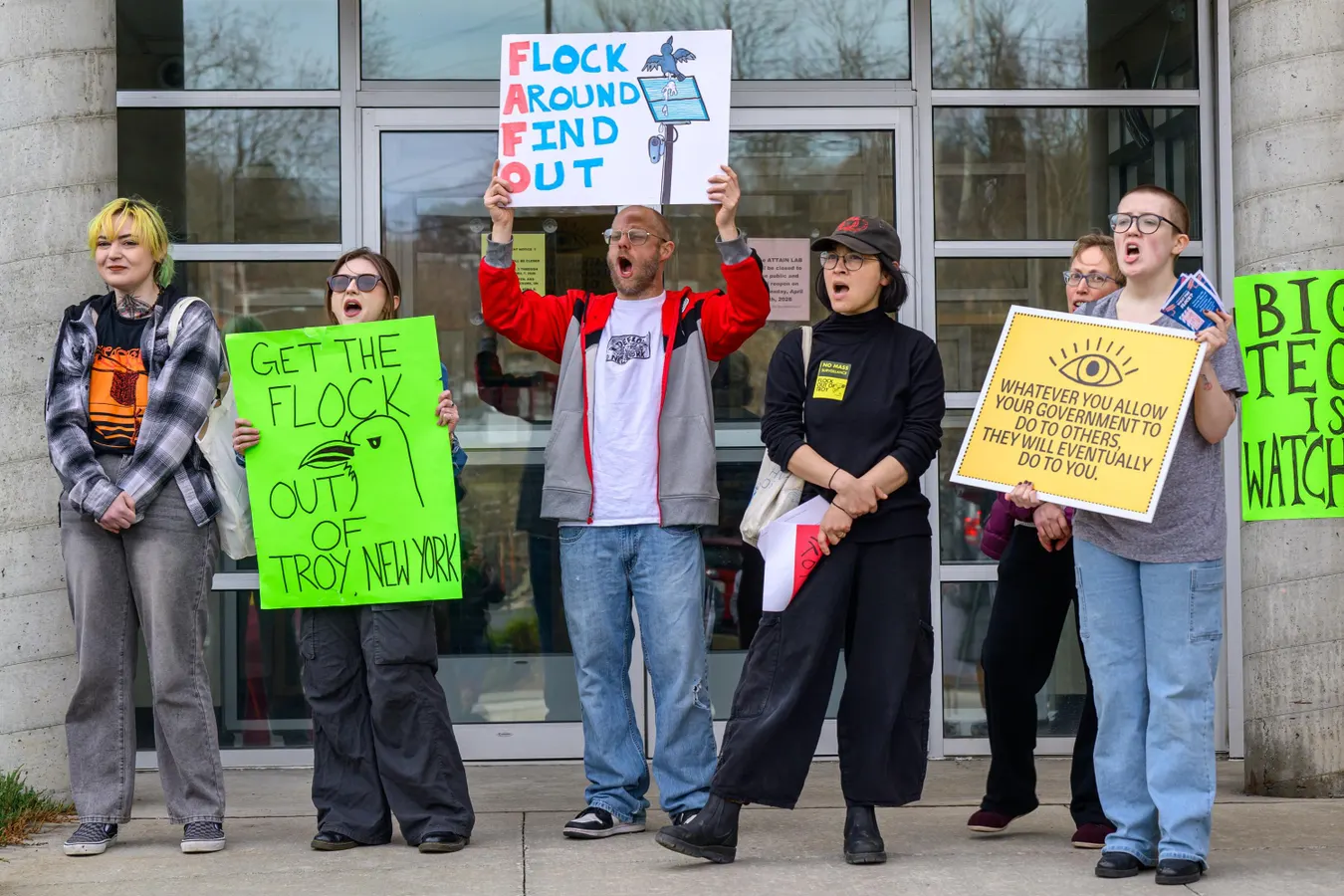
For Freeman, having learned what the cameras do only made them more concerning.“I thought, wow, well, we need to have a discussion about this,” he said. “This kind of seems like something that should have been brought up to the public before they were implemented.”Freeman then put his computer skills to work and built a website where people can map out the locations of Flock cameras: DeFlock.Unlike a traditional camera positioned to catch a specific violation, such as not paying a toll, Flock’s cameras collect information about every vehicle that passes them, including license plates and other identifying characteristics. Flock currently has over 120,000 cameras active across 49 states and has struck deals with thousands of municipalities. When Freeman set DeFlock live, his intention was just to let people know about the cameras he felt were invading residents’ privacy. There was no advertising campaign or political organization behind it. Freeman still had his regular job, and DeFlock was just a side project that stemmed from his concerns about the company and its product.“I wanted to make a website that kind of told you about them, showed you where they were on a map, so that if someone wanted to go out and verify it, they could,” Freeman said.The website slowly spread through technology circles before reaching a much larger audience through national media and political figures. Freeman said after conservative commentator Tucker Carlson talked about Flock, traffic on the website grew sixfold.“It changed from just like something that only privacy-focused people knew about to something that the average person cares about,” Freeman said.DeFlock has expanded as opposition to ALPRs has grown. What started primarily as a crowdsourced map became a clearinghouse for people who wanted to challenge Flock deployments in their own communities. Freeman added information about taking concerns to city councils and helped local activists organize.But the operation behind DeFlock remains strikingly small compared to its reach. Freeman said only five to 10 people make up the team, supplemented by a much larger network of people who donate time and resources around the country.The movement has remained difficult to place neatly on the political spectrum, as candidates and lawmakers from both sides of the aisle have raised concerns about Flock.COMMUNITIES FEAR FLOCK CAMERAS’ SAFETY PROMISE IS TROJAN HORSE FOR MASS SURVEILLANCE“I don’t think it’s a politically divisive issue,” Freeman said. “I think it’s a top-down versus Left-Right kind of thing.”Freeman explained that he never intended to become an activist by creating DeFlock, but the opposition to Flock has grown beyond grassroots organizing and has carried into electoral politics.Flock backlash reaches the midterm elections and Capitol Hill