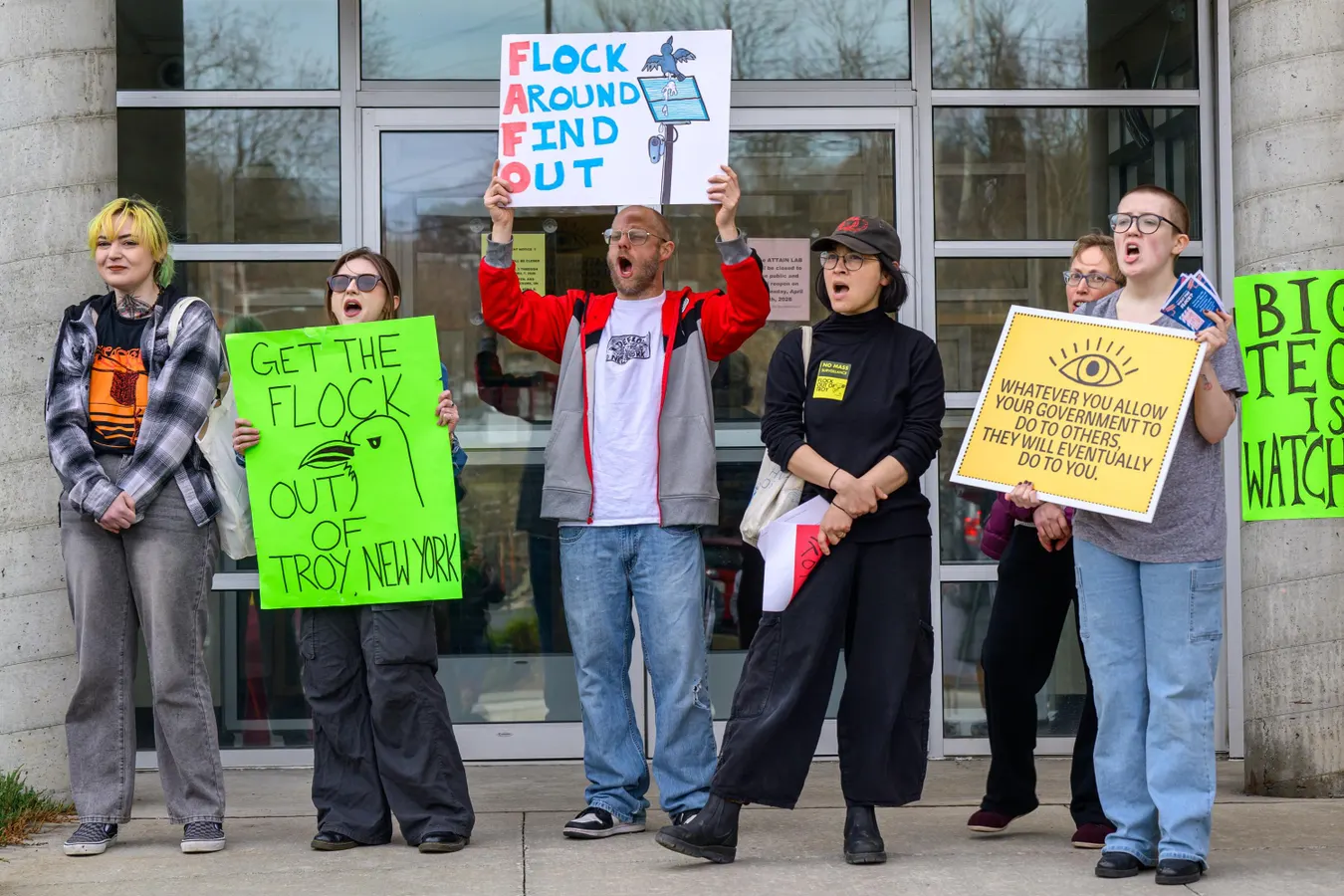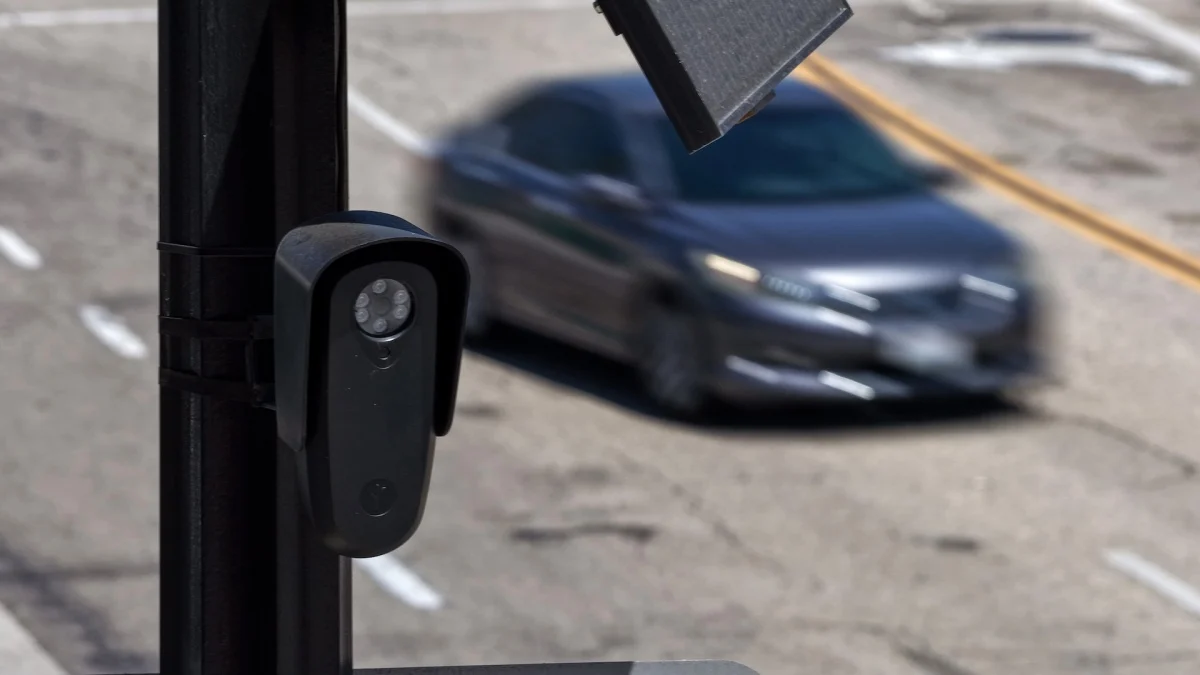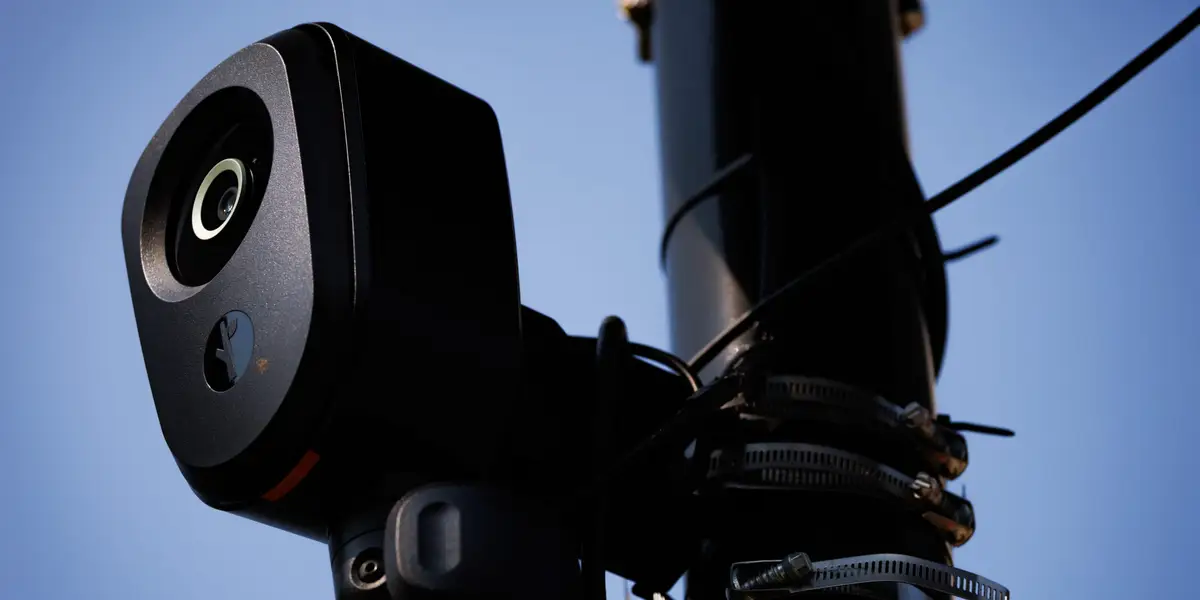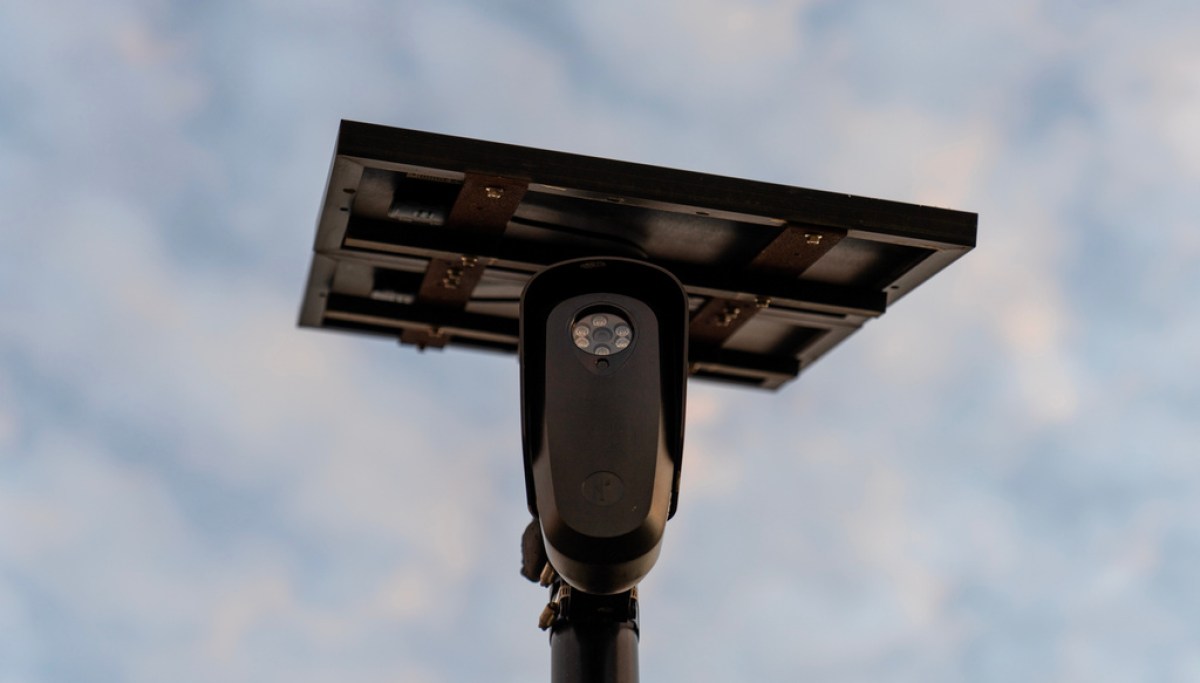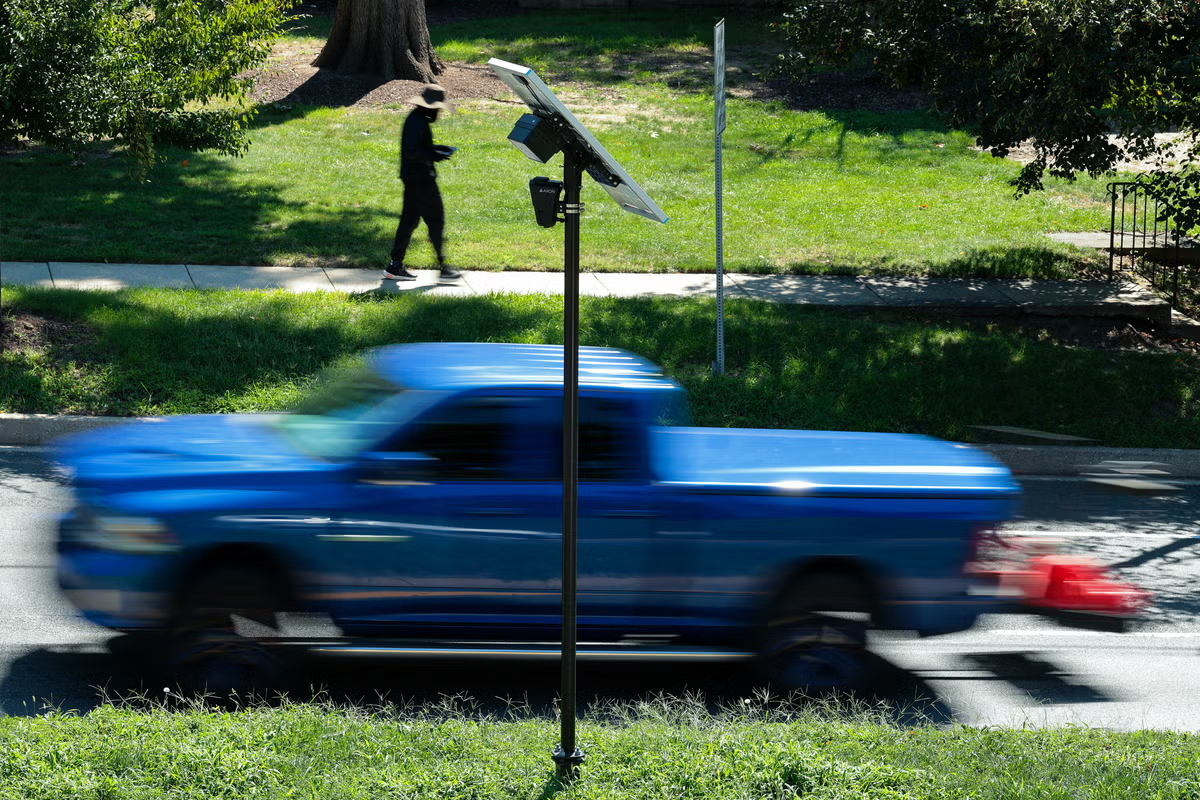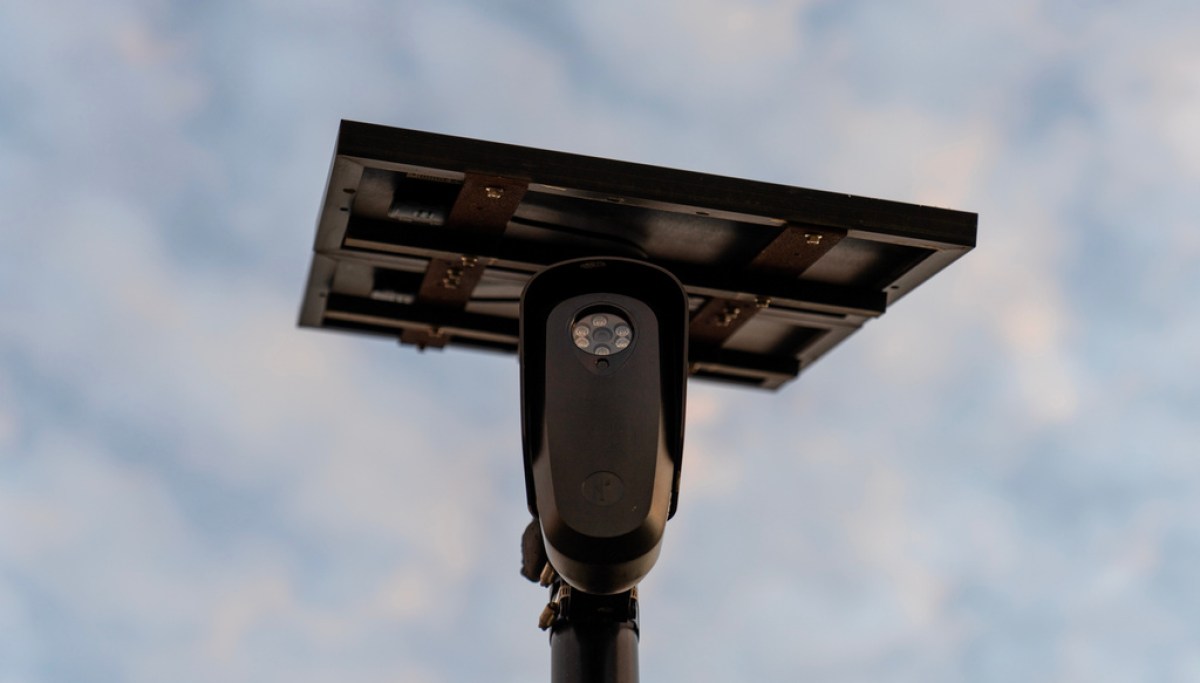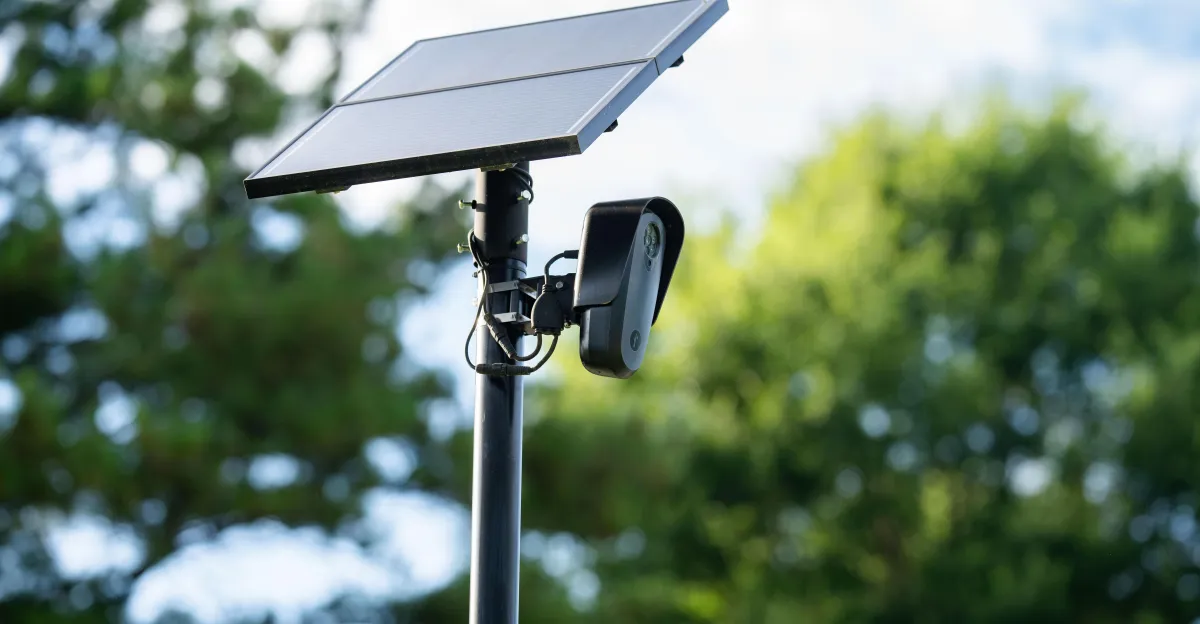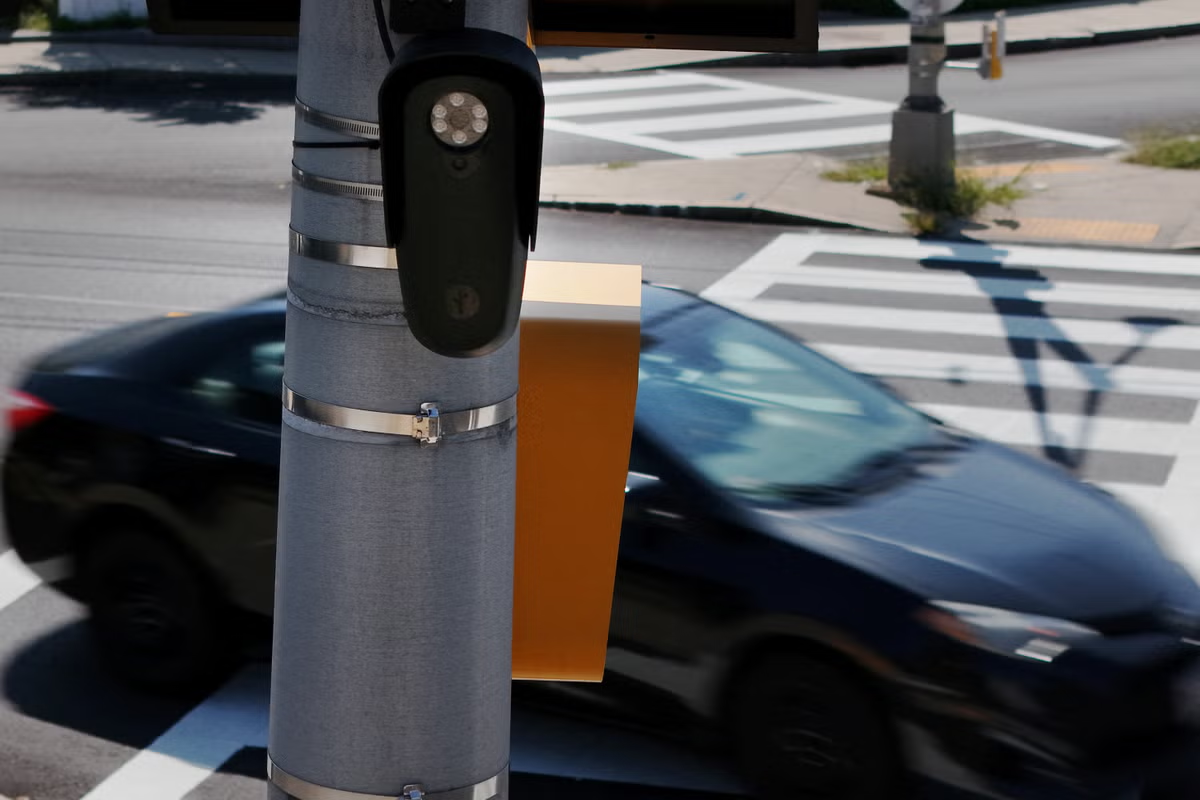
More than 100 cities across the country are rejecting Flock cameras amid growing privacy and safety concerns about the company’s sprawling network of automatic license plate readers. Flock, which offers a system made up of thousands of cameras to immediately recognize license plates, has been mired in controversy over its expansive network which is in every state except Alaska. While the cameras have helped catch criminals, critics say the company’s Big Brother-like practices constitute an invasion of privacy and violate the Fourth Amendment. There have also been reports of law enforcement officers abusing the system to stalk partners or exes. As a result, many Americans have become wary of Flock — and local leaders across the country are taking action. A database, released Wednesday by the non-profit Institute for Justice, revealed that 105 local governments across the U.S. have canceled or not renewed their automatic license plate recognition contracts since the beginning of 2025. Flock, which offers a system to recognize license plates immediately, has been shrouded in controversy over its expansive network of cameras , thousands of which are in every state except Alaska (Reuters)Cities from coast to coast are on the list. It does not include jurisdictions that paused operations of the Flock cameras or switched to another provider of similar technology. The Independent has contacted Flock Safety for comment.The city of Tempe, Arizona, announced Wednesday that it turned off its license plate readers and would end its contract with Flock. “The cameras are no longer collecting license plate data, and Tempe will not seek another company to replace the system,” the city said in a statement. Even though the system has helped authorities solve crimes, leaders said recent reports of misuse prompted the decision. There has been no misuse reported in Tempe.“These cameras have helped our police officers do their jobs, and we don’t discount that,” Tempe Mayor Corey Woods said. “But the risk of misuse is too great. We have to be able to provide public safety in a way that maintains the trust of our community.” Cave Creek, north of Phoenix, also announced Wednesday that it had terminated its agreement with Flock, effective immediately. In a statement, the town noted that a key issue was the fact that “any local policy or safeguards could not extend beyond the Town’s jurisdiction, as FLOCK’s networked design allows data to be shared and accessed by external law enforcement agencies.” That made it impossible for the town to ensure “the level of privacy protection sought by Cave Creek officials and the community,” the statement said. Flock Safety CEO Garrett Langley (right) told Newsweek that his company's 'end goal isn’t a dystopian future of surveillance' (Getty)Some municipalities, like Stow, Massachusetts, and Nelson, Georgia, canceled their contracts following reports of police misuse of the cameras, according to the database. However others took action over community concerns. The Grafton and East Bridgewater police departments, both in Massachusetts, announced Friday that they were ending their contracts with Flock following widespread community backlash. The distrust toward Flock has become so rampant that politicians on both sides of the aisle have lodged complaints against the company. “I don’t want to have this become a surveillance state,” Florida’s Republican Governor Ron DeSantis said Wednesday during an unrelated event, according to the Miami Herald. “Go after criminals — great, let’s all do that. But surveilling just regular Floridians’ movements, and how that data’s used, that’s a bird of a different feather.” Democratic House candidates are using the controversial cameras as talking points ahead of the midterm elections. Ohio Democrat Kristina Knickerbocker said that her opponent, Republican Mike Turner, “pushed for more Flock cameras in downtown Dayton,” according to Axios. While the cameras have helped catch criminals, critics say the company’s Big Brother-like practices constitute an invasion of privacy and violate the Fourth Amendment. There have also been reports of law enforcement officers abusing the system to stalk partners or exes (Getty)“Now those cameras have been caught running thousands of searches that broke our cities rules,” she said. Chaz Molder, Democratic nominee in Tennessee’s 5th District, also argued against the use of Flock cameras. “That kind of big government overreach has no place in our country or Tennessee,” he said. Flock, which is based in Atlanta, Georgia, has been under fire since reports of widespread misuse of the Flock cameras by law enforcement officers. Early this month, The Washington Post reported that at least 50 law enforcement officers were charged with or accused of misusing Flock cameras and other surveillance systems, including to stalk women.The company, which has an estimated 120,000 cameras across the United States, has defended its product. CEO Garrett Langley told Newsweek that his company’s “end goal isn’t a dystopian future of surveillance; it’s one where we all feel safe.”Flock announced some changes earlier this month as a result of the backlash, including that it would shorten the default and recommended periods for retaining data from 30 days to seven. The changes are only set to be implemented by January 1.
More than 100 cities have turned off their Flock cameras after outcry from locals
Reported misuse of the surveillance cameras by law enforcement officers — and public distrust of the license plate readers — have led many municipalities to end contracts with Flock
836 words~4 min read