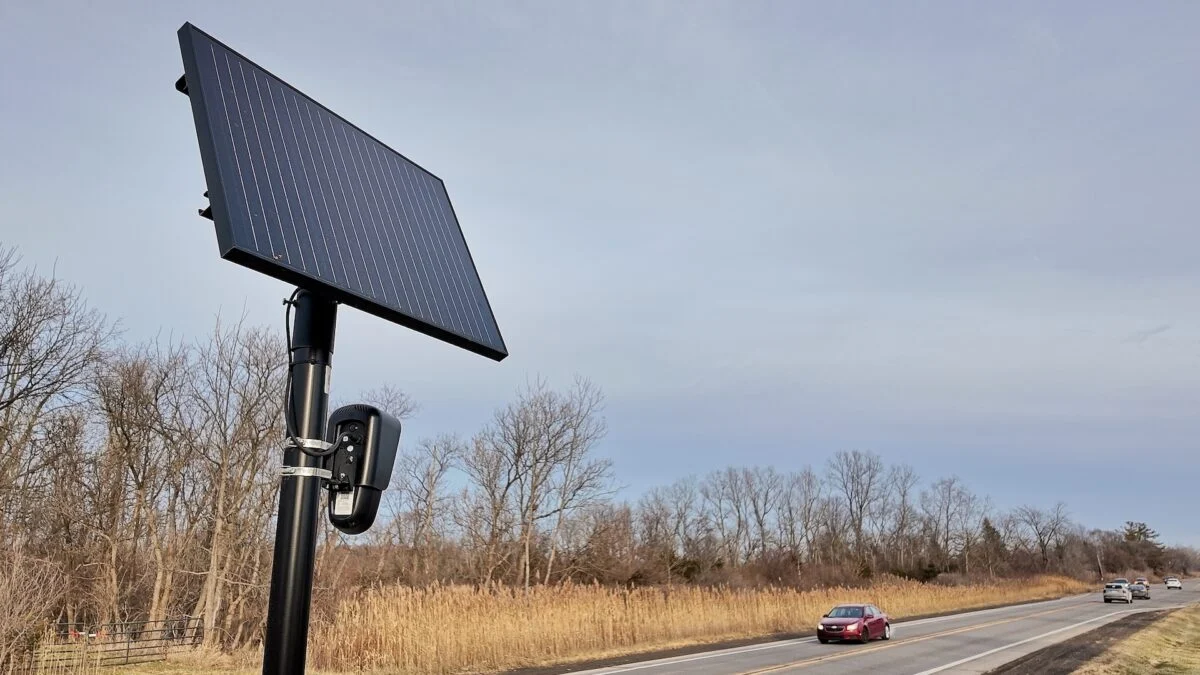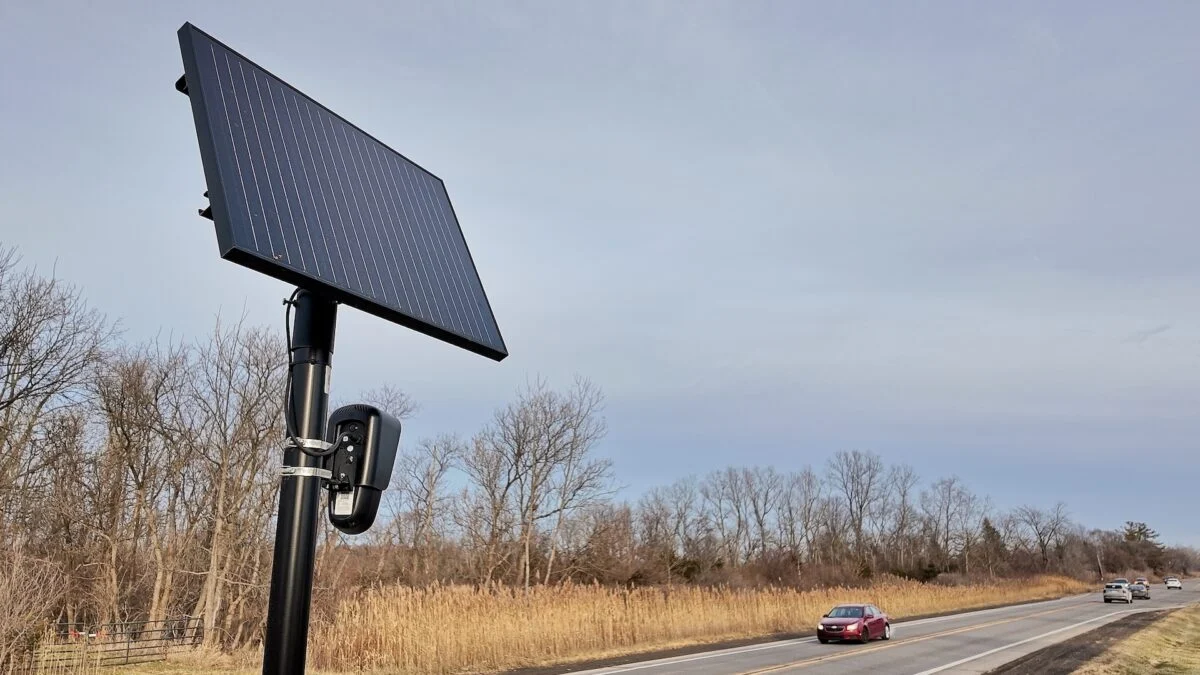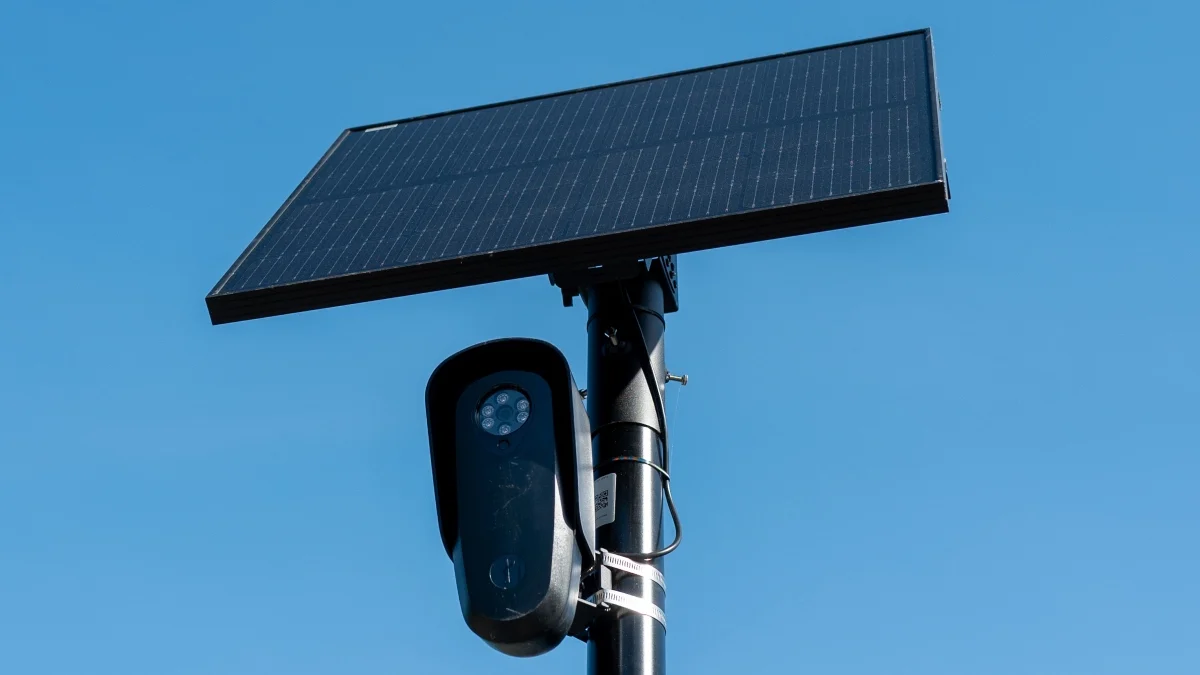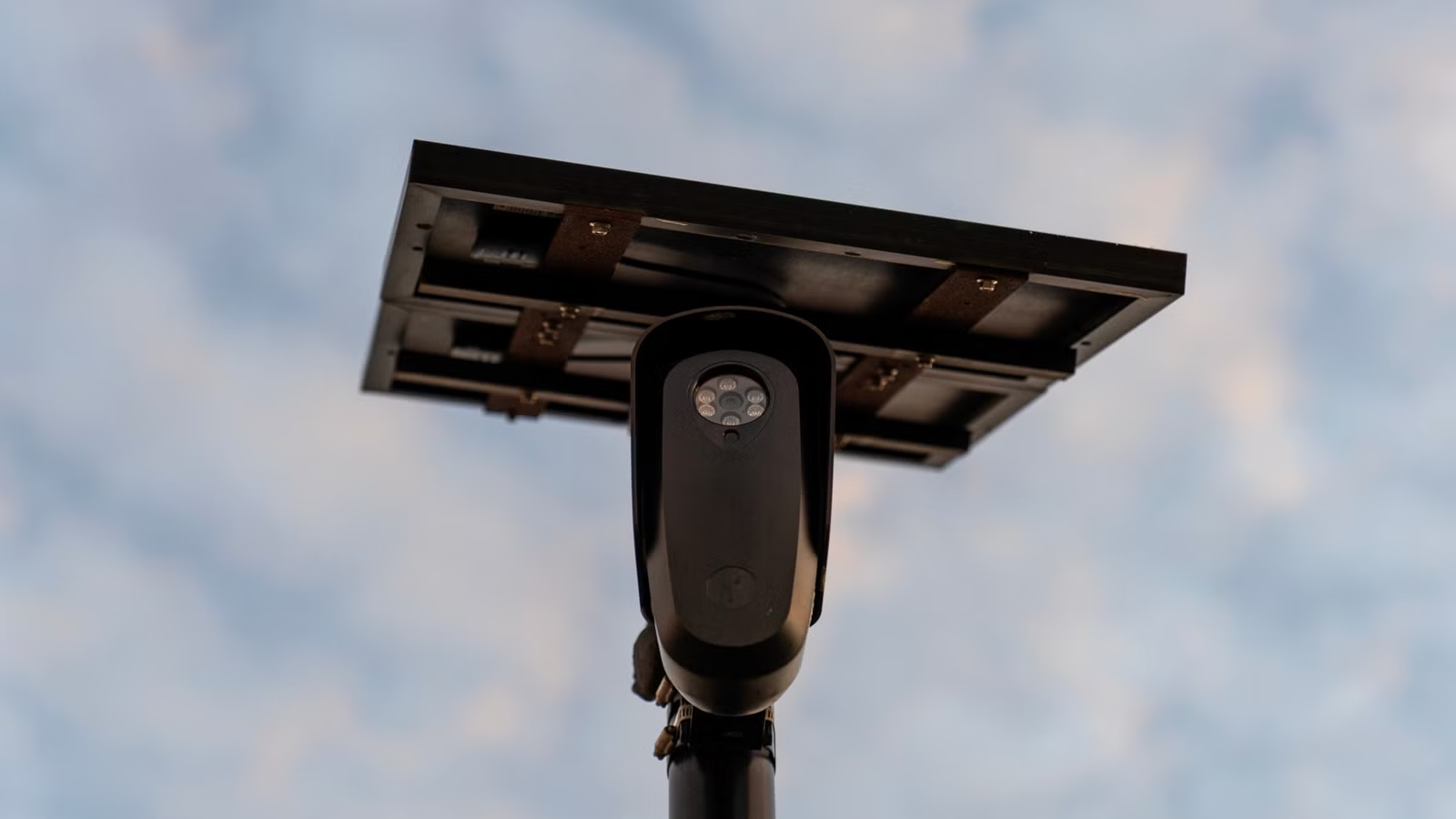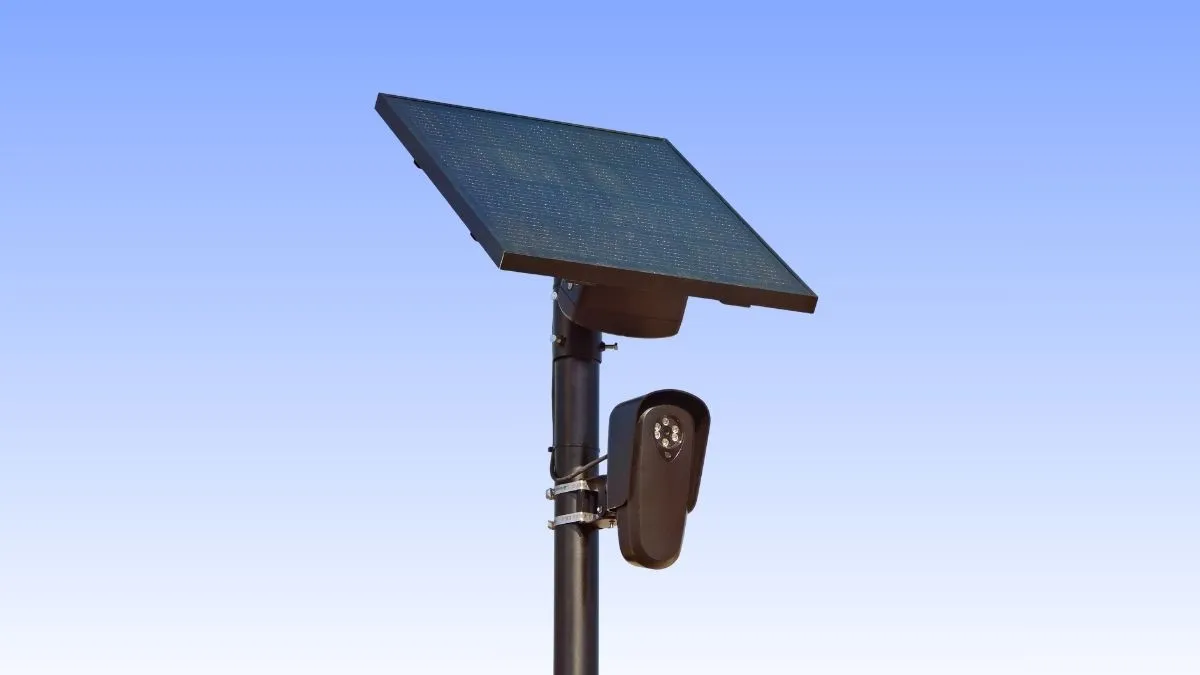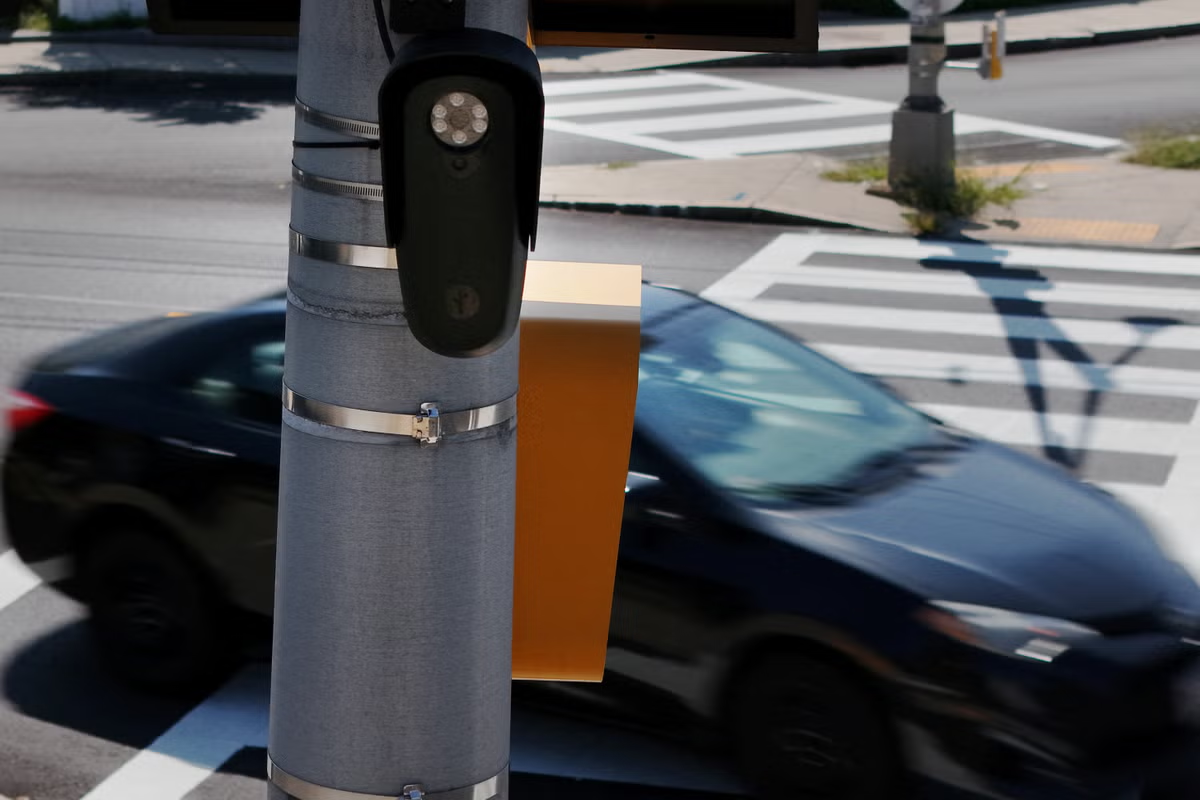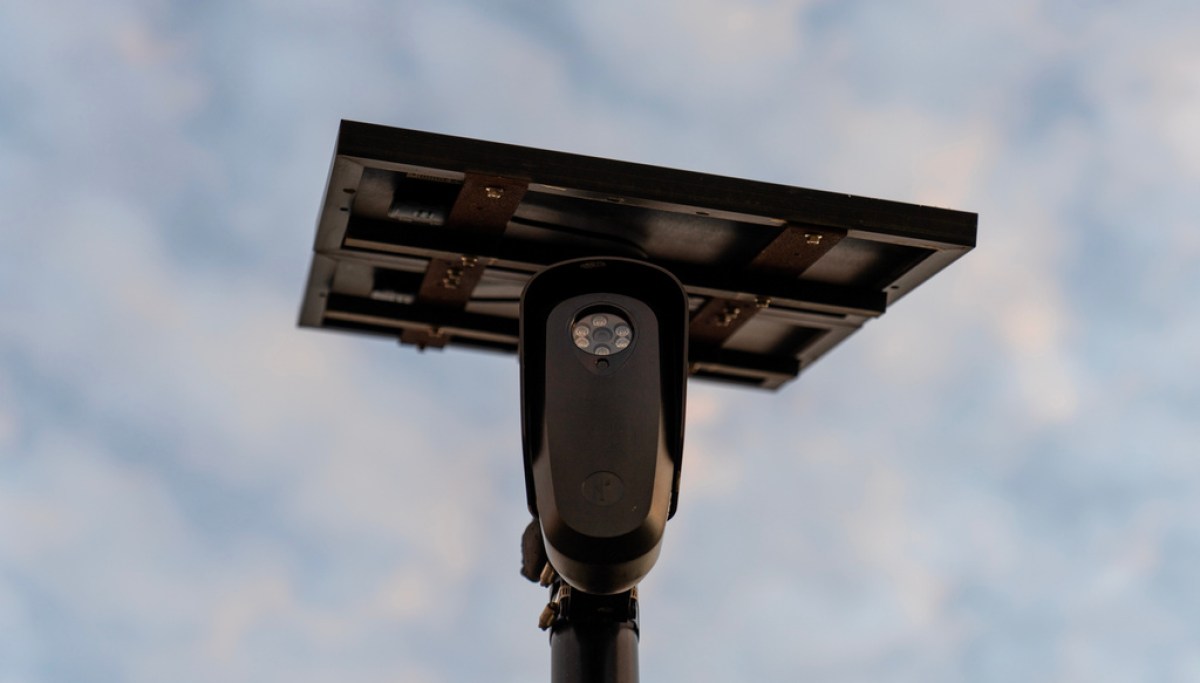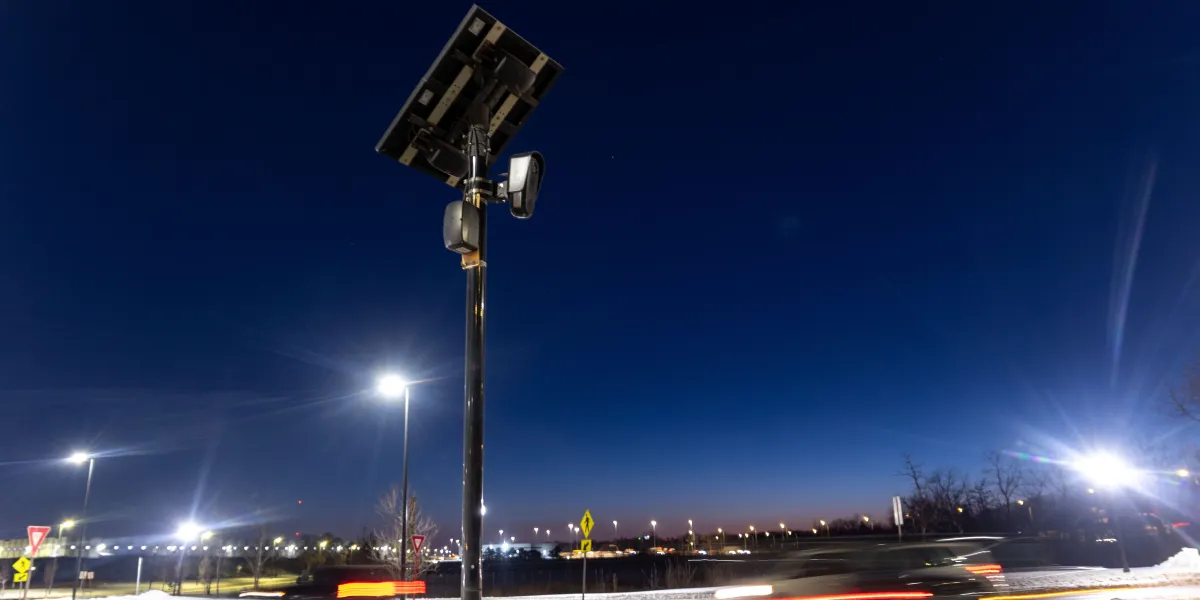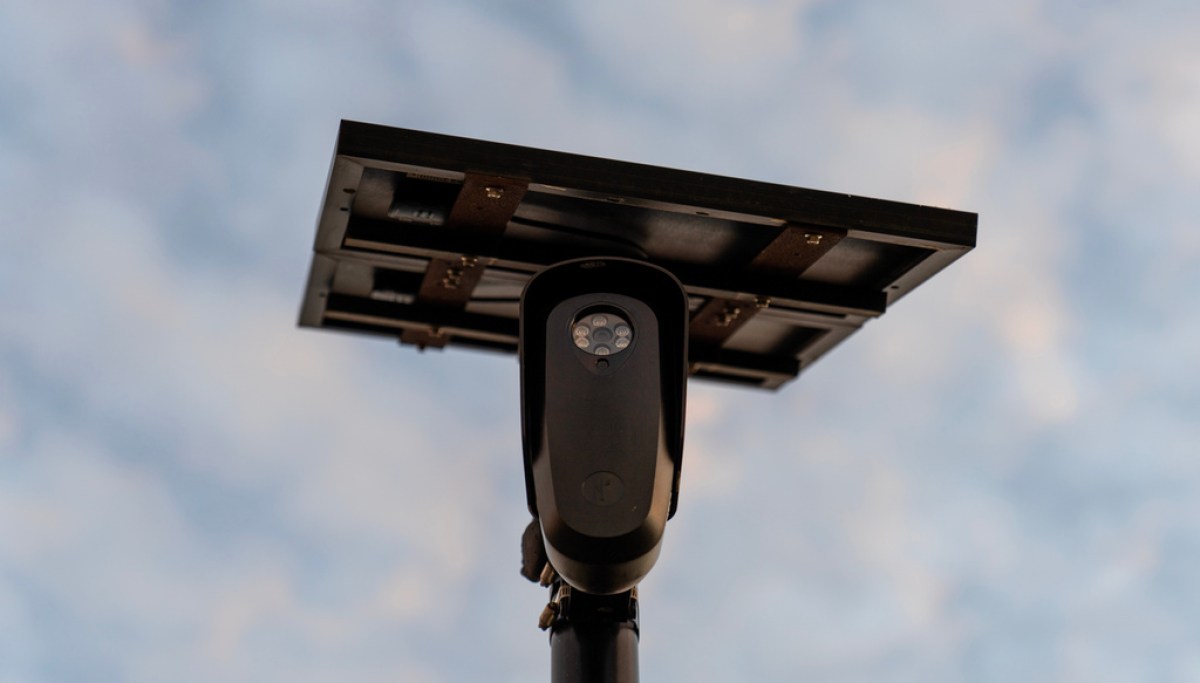
Police Departments nationwide embraced Flock Safety’s camera network as a force multiplier, saying the automated license plate readers help recover stolen vehicles, locate missing persons, and solve crimes faster. But as the cameras spread into thousands of communities across the country, opposition has grown alongside them. Residents and civil liberties advocates feel the cameras’ mere presence is a violation of their privacy and question how much data the cameras collect and how necessary they are for police investigations.
Flock rejects many of those criticisms and is adamant that municipalities own the data collected, emphasizing how its ALPRs are a victory for public safety. Those competing narratives leave a central question that has become increasingly difficult for residents to answer: What exactly is Flock collecting, and what happens to that information once it’s captured by cameras? Interviews with Flock, privacy policy experts, and residents living in communities riddled with Flock’s ALPRs reveal a gap that extends beyond disagreements over surveillance policy. While critics argue the company has not been transparent enough about its technology and data practices, Flock often responds with broad assurances about privacy, contractual protections, and public safety benefits. That gap, more than any single criticism, has become one of the company’s biggest challenges as it seeks broader public acceptance. The company that spread seemingly overnight