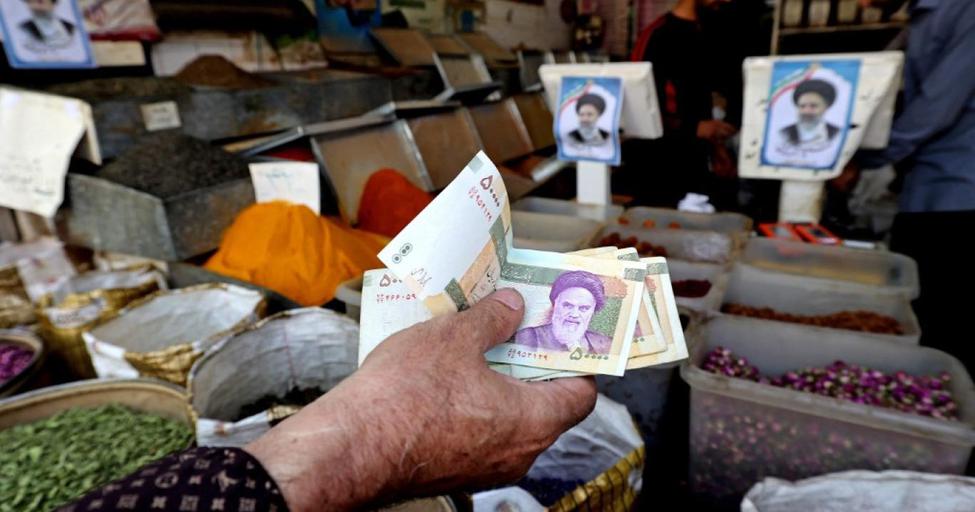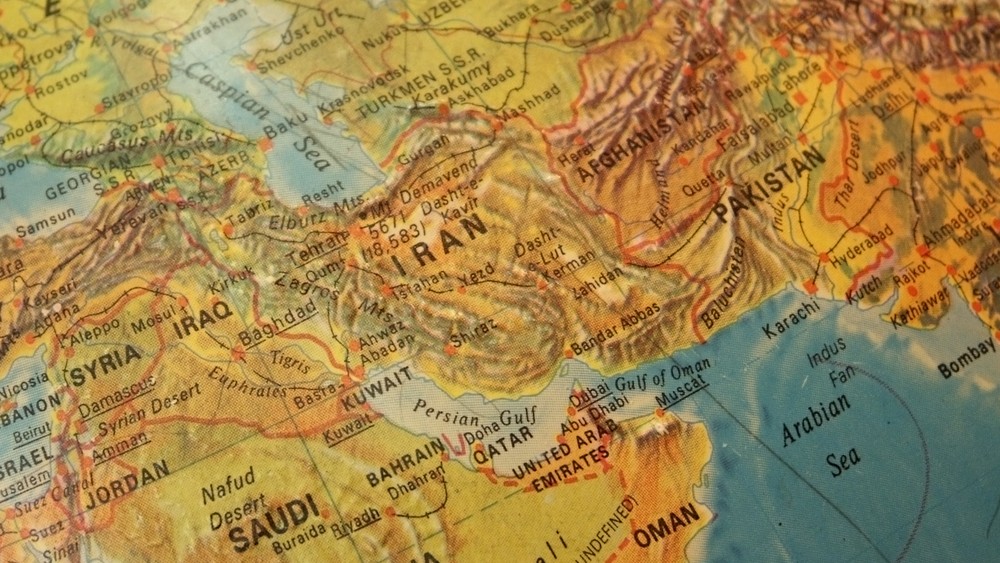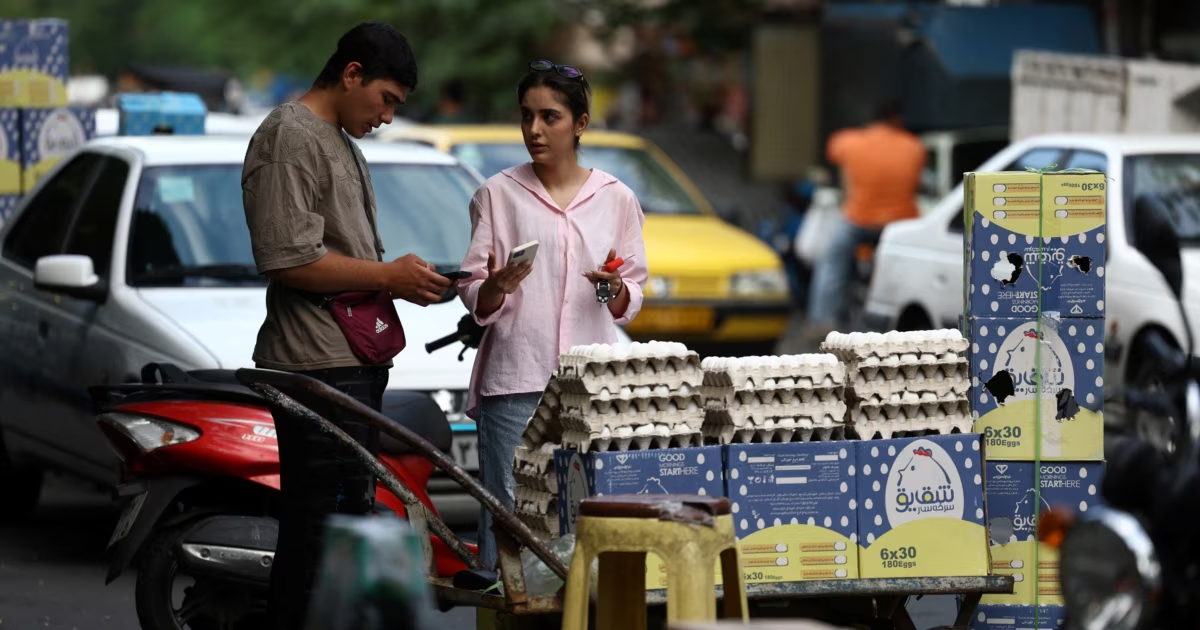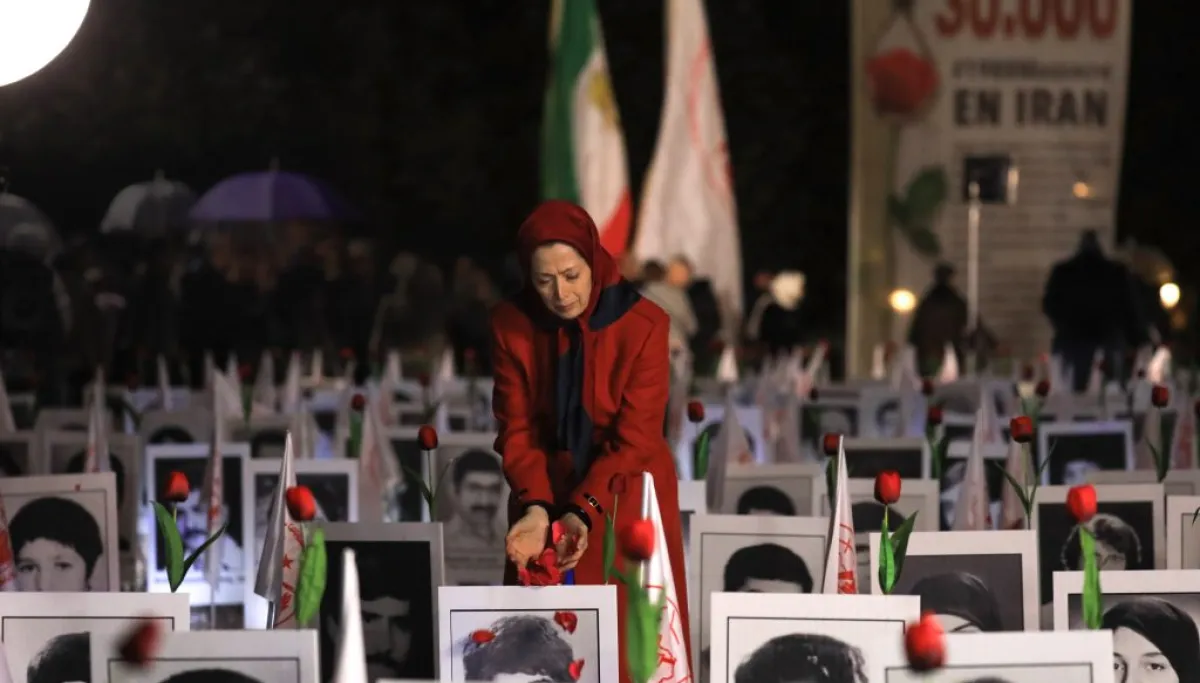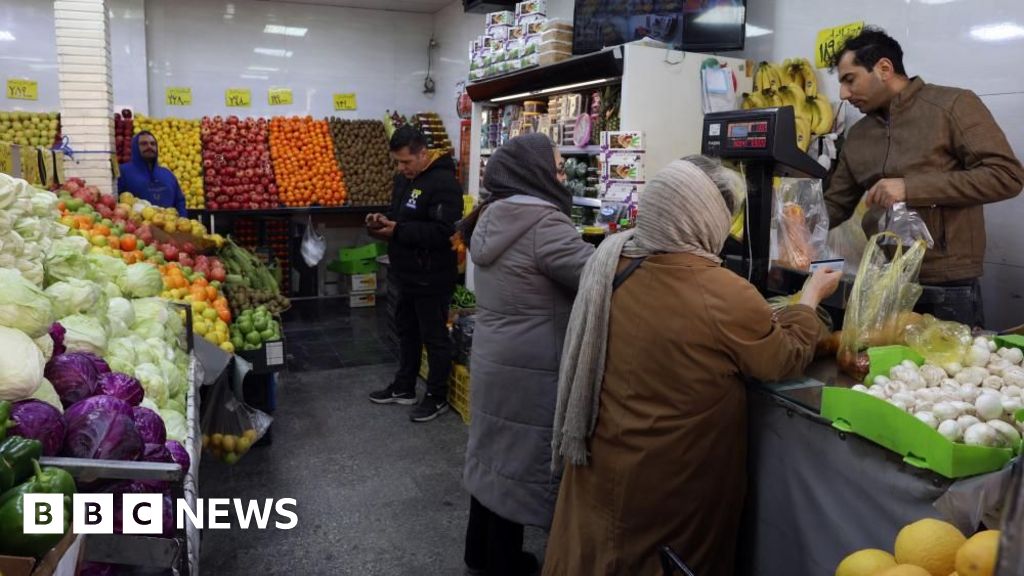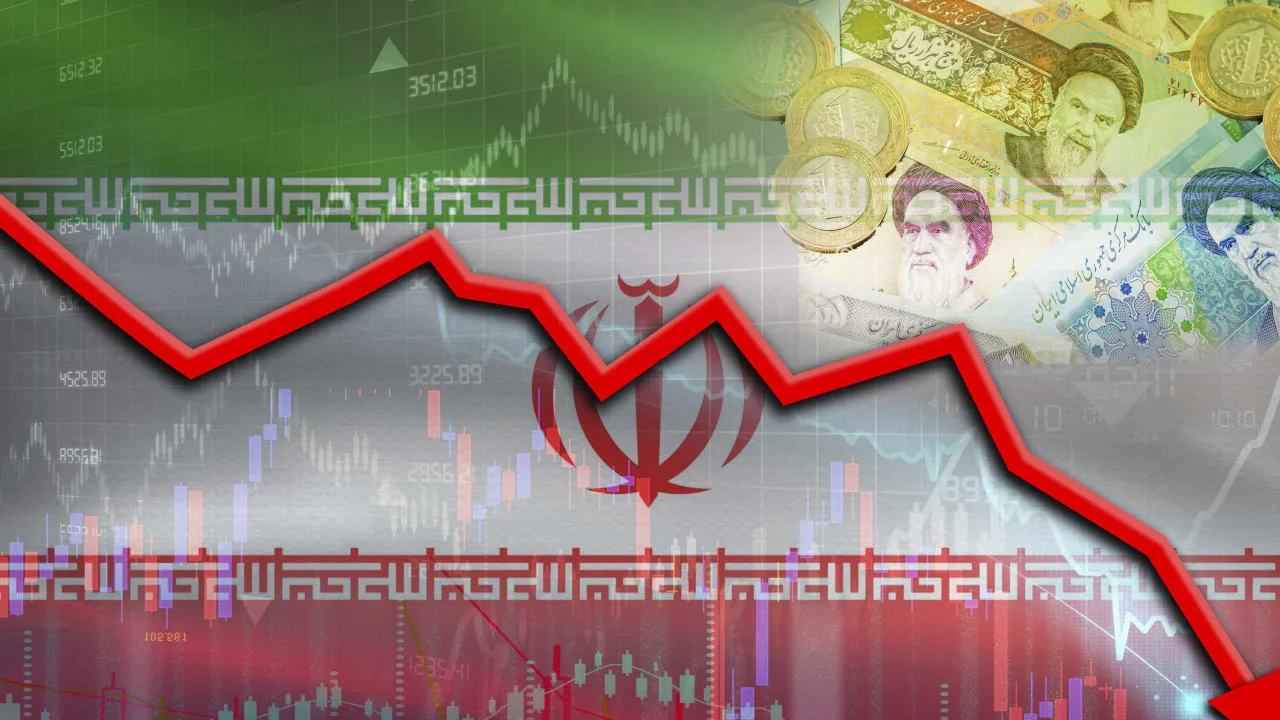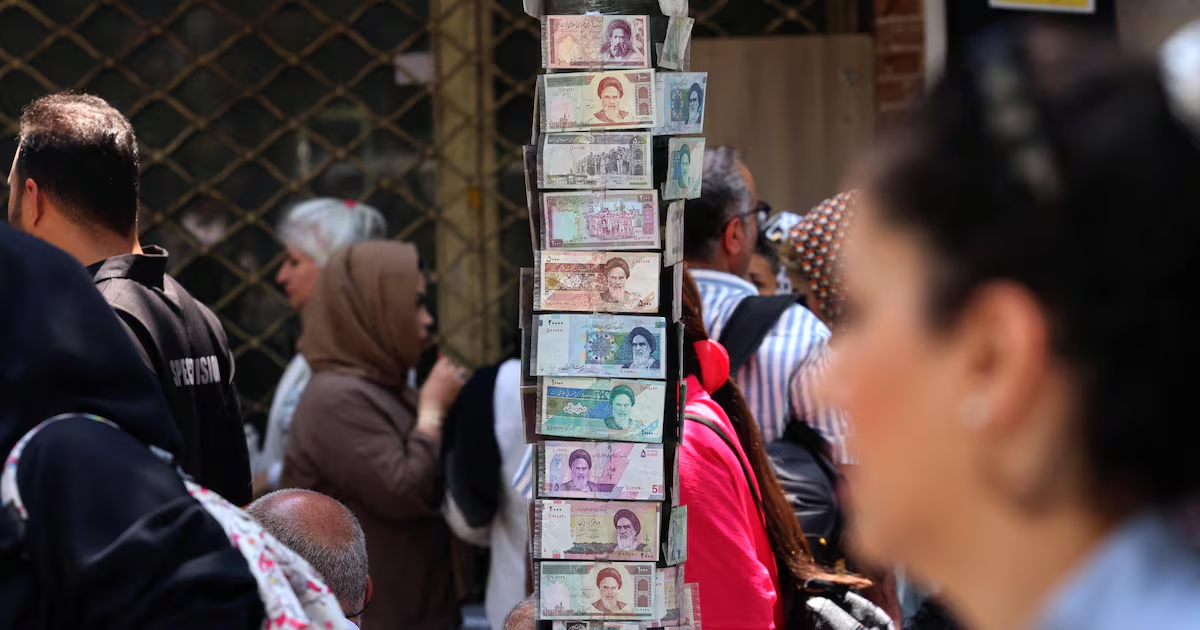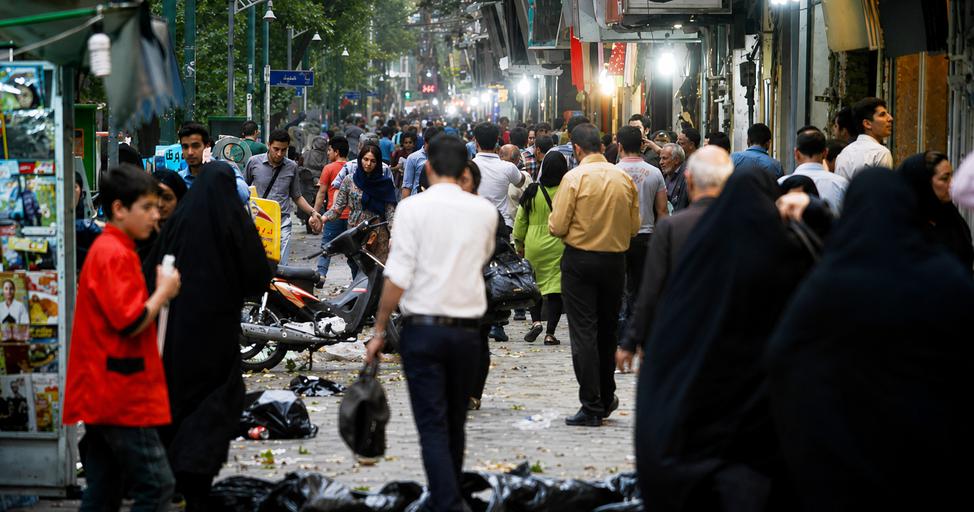
These days, Iranian society is paying a heavy price just to live. Unprecedented inflationary surges, a collapse in purchasing power, the erosion of infrastructure, and the unchecked spread of poverty have brought public welfare to the brink of collapse. This profound crisis is not the result of a sudden shock, but rather the consequence of insisting on a model of governance that sacrificed the economy for ideology and subjected diplomacy to a military balance of power, the ultimate result of which has been the sacrifice of the people’s livelihood. Masoud Nili, one of Iran’s most prominent economists, views the current situation as deeply rooted in past decision-making.
In a previous article, we attempted to examine a portion of the political decisions that drove the country’s economy toward collapse by reviewing his narrative of the years 2000 to 2013. In this article, focusing on Nili’s account of Iran’s economic conditions from 2013 to 2021, we will review the government’s political decisions and actions during this period while highlighting what he leaves unsaid. In his narrative, despite emphasizing that the economy was subjugated to politics, Nili remains silent regarding the role of the primary decision-makers, particularly the dictates of the Supreme Leader of the Islamic Republic, even though the trajectory of this economy was effectively dictated by the vision and will of the Supreme Leader and the ruling establishment.