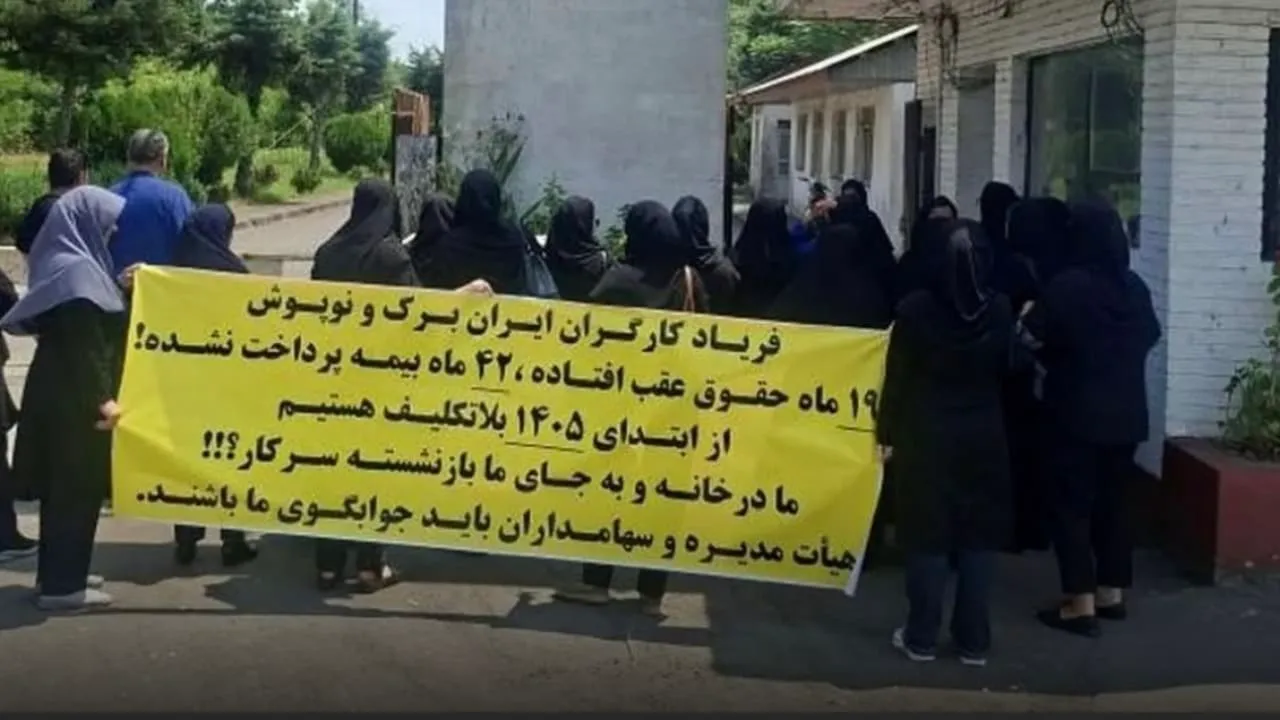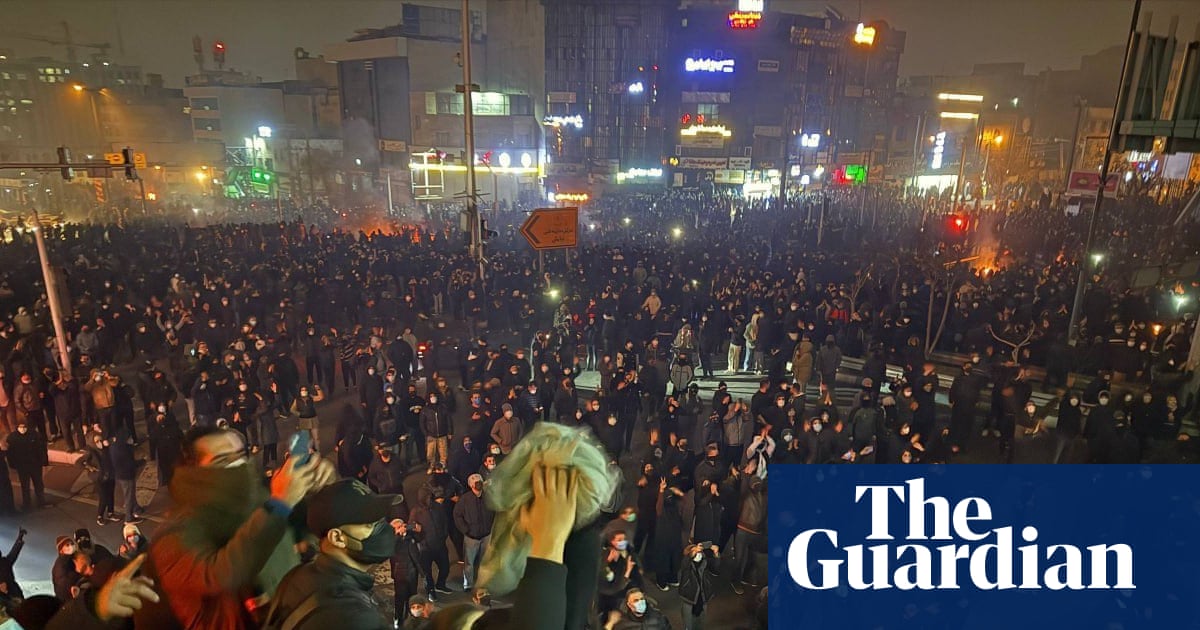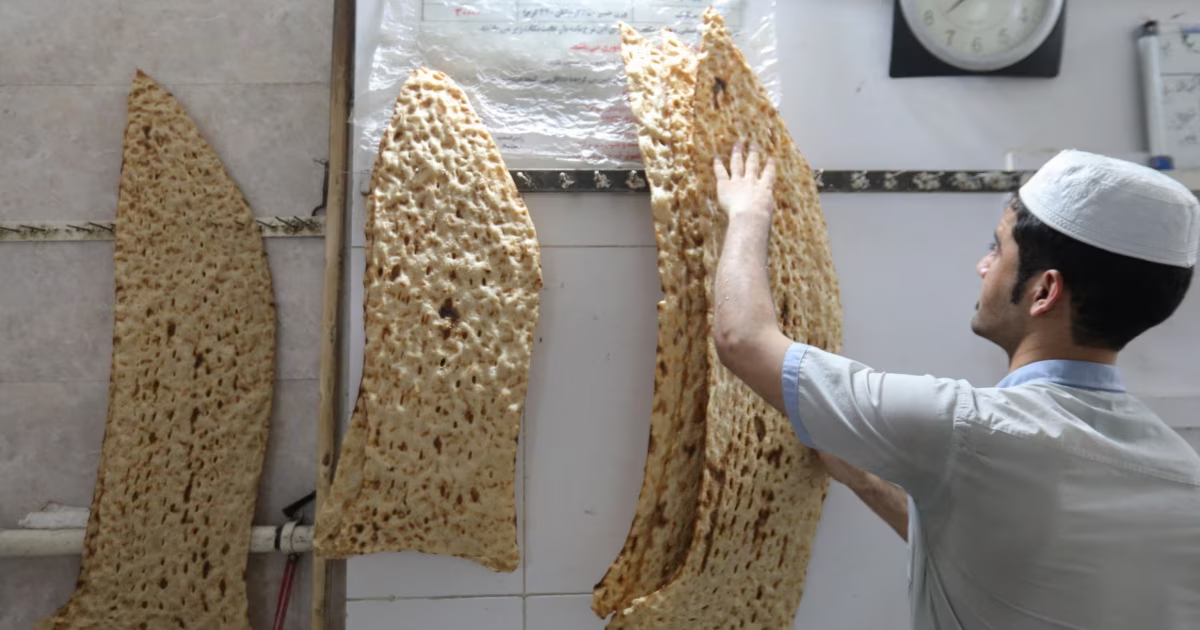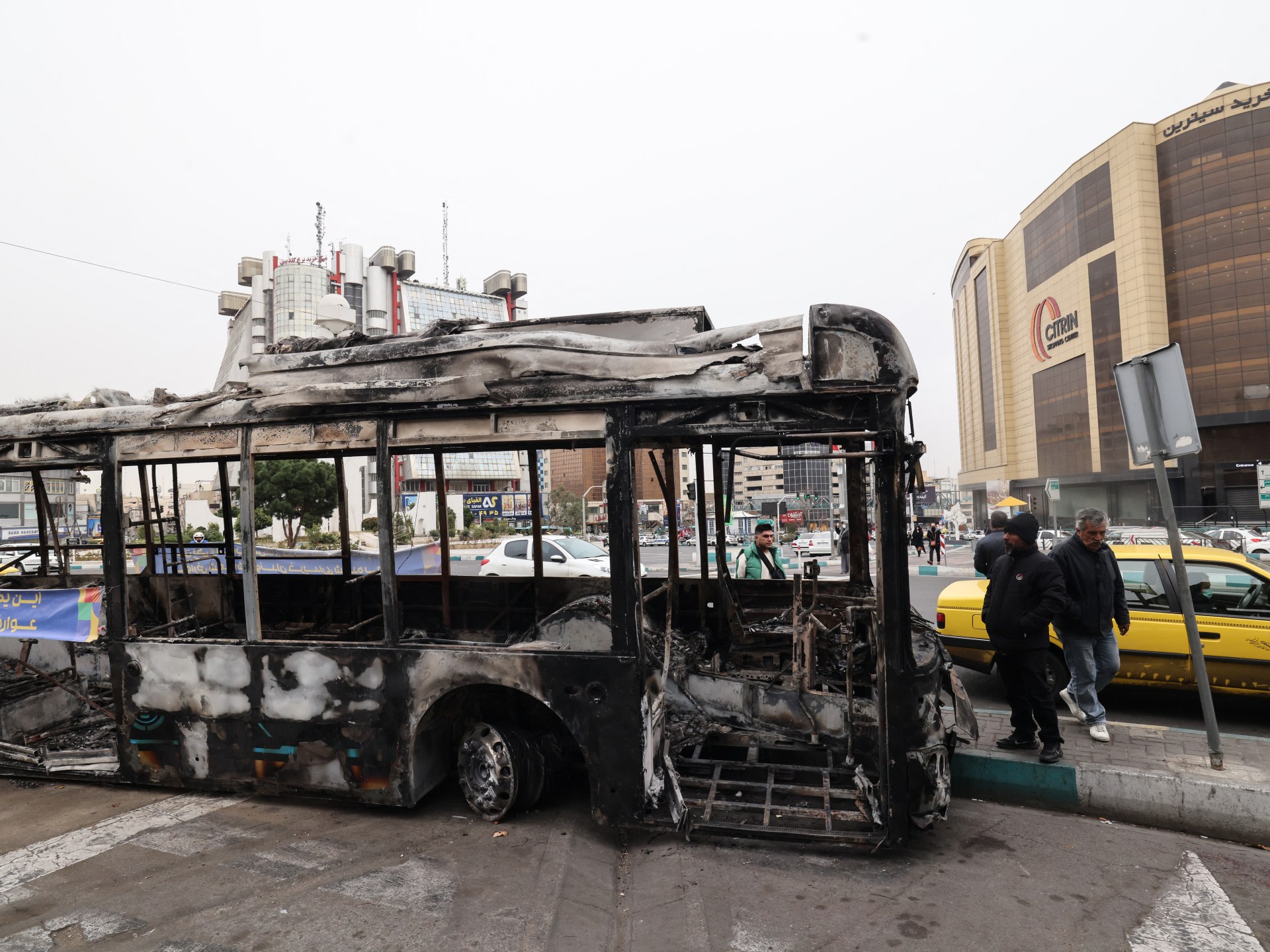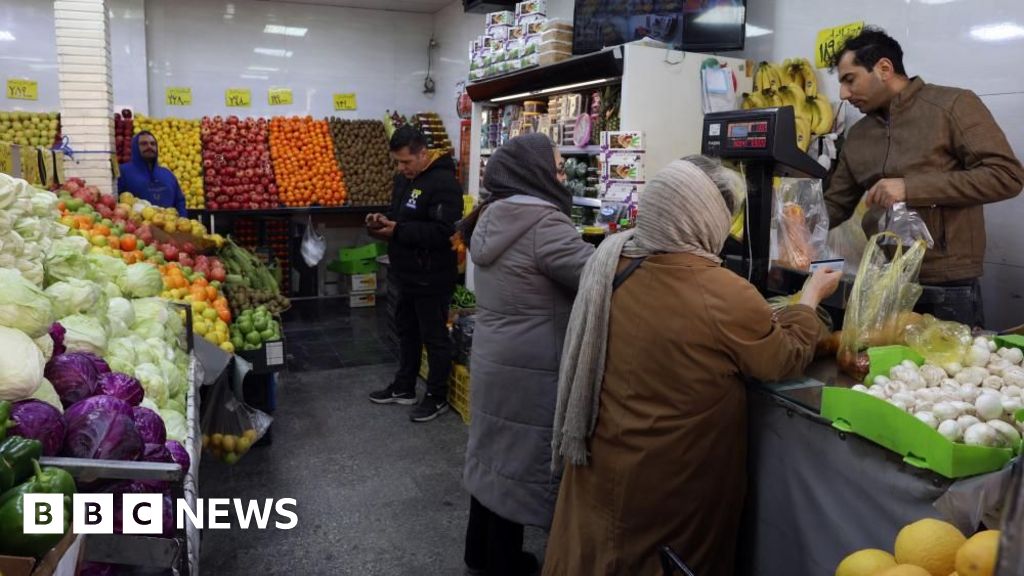
For years, Iran’s rulers have relied on repression to project stability. Yet, beneath that façade, the country faces a widening crisis of legitimacy. Rising prices, declining living standards, political repression, and the absence of meaningful avenues for change have fueled a growing sense that the existing order can neither address the public’s grievances nor command public confidence.The protest data from the Iranian year 1405 (March 20, 2025, to March 20, 2026) offers a revealing measure of these pressures. During that period, Iran witnessed 4,229 recorded protest events nationwide. The demonstrations were not confined to a particular city, profession, or social class. Workers, retirees, truck drivers, bakers, students, farmers, teachers, doctors, nurses, and other groups all entered the protest landscape. Compared with the previous reporting period, when 3,902 protests were recorded, the total increased by 327 events, or roughly 8.4%. The significance of these figures extends beyond their scale. Iran’s protests are no longer isolated labor disputes or temporary reactions to unpaid wages. They increasingly reflect a deeper structural crisis. The regime faces not merely dissatisfaction, but a population strained by economic decline, corruption, repression, and the steady erosion of public trust.
Iran’s regime can arrest protesters. It can’t outrun empty stomachs
With bread prices doubled and inflation at 87%, economic survival in Iran has transformed into an uprising that police checkpoints can no longer contain.
930 words~4 min read