https://arab.news/8fxgt
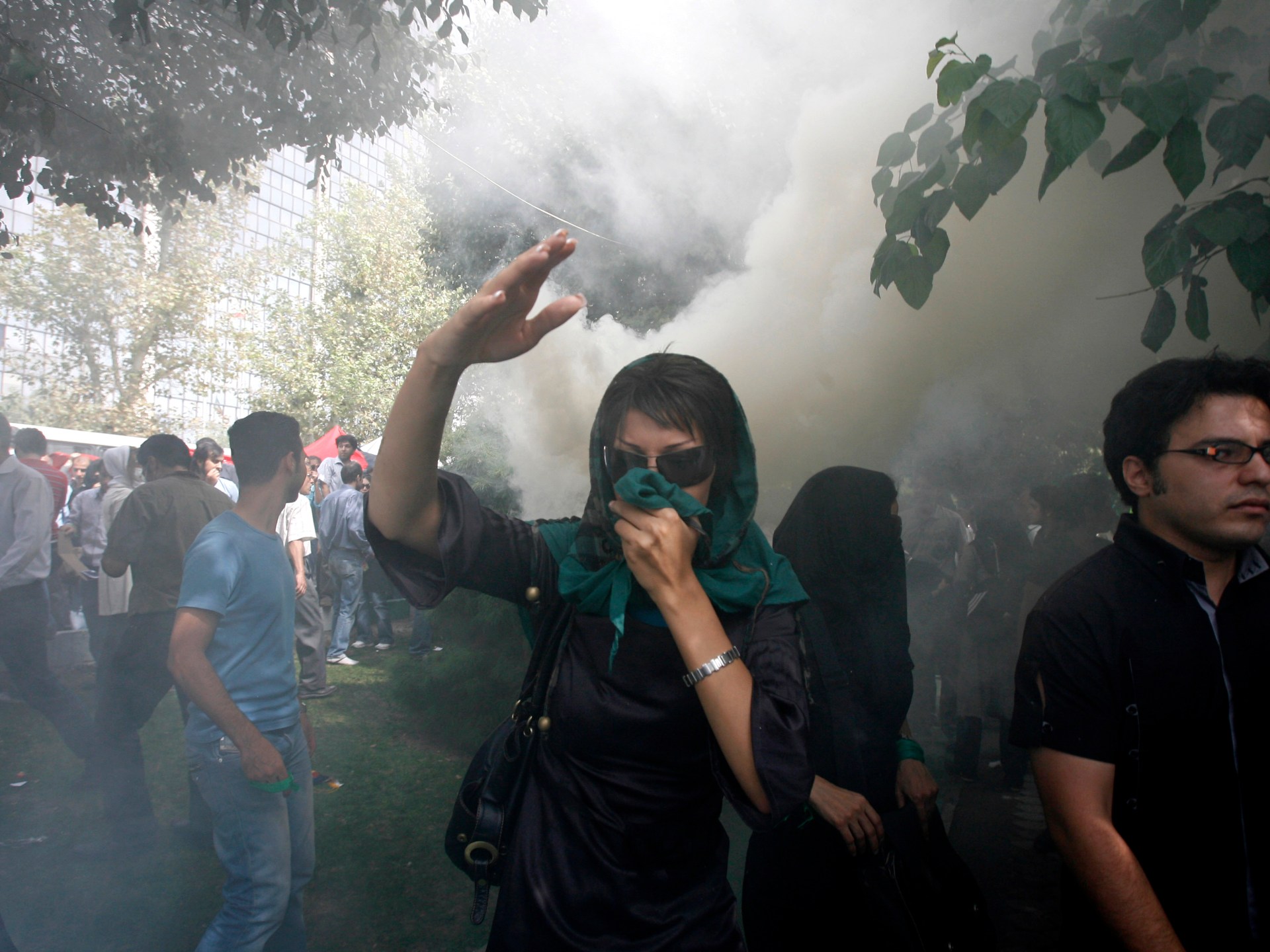
In the four or so decades since the creation of Iran’s Islamic Republic, the ruling regime has faced numerous challenges from its restive population. The “Green Revolution” in 2009, which many observers regarded as a precursor to the so-called Arab Spring that followed two years later, is still regarded as the most serious attempt to force the regime to undertake wholesale reform.
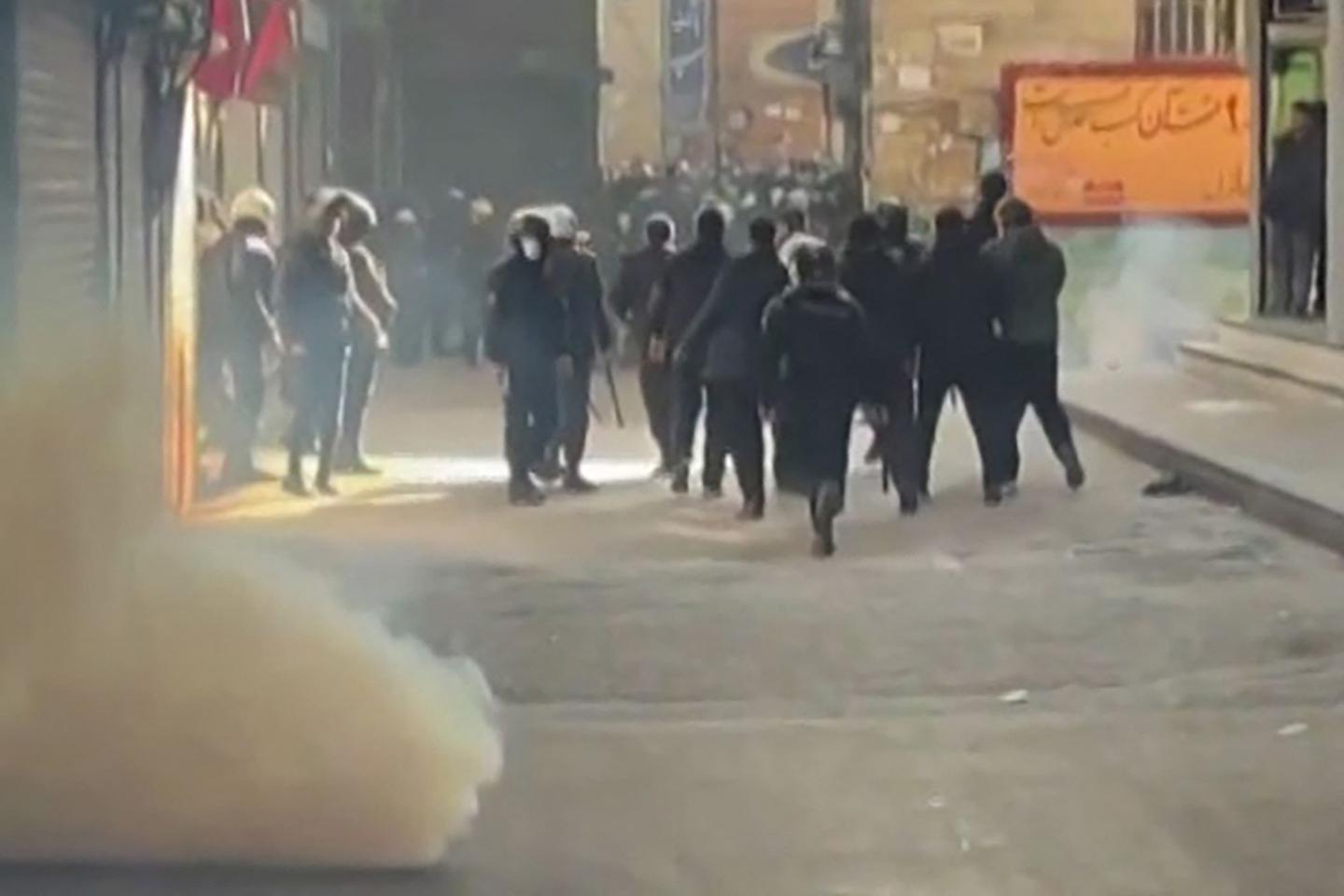
In what began as a series of mass protests against the outcome of the disputed 2009 presidential election, which resulted in the reelection of the country’s hard-line president, Mahmoud Ahmadinejad, the movement soon developed into a nationwide call for democratic reform and social liberalization. It was only after regime hard-liners launched a brutal crackdown against the demonstrators that order was finally restored.
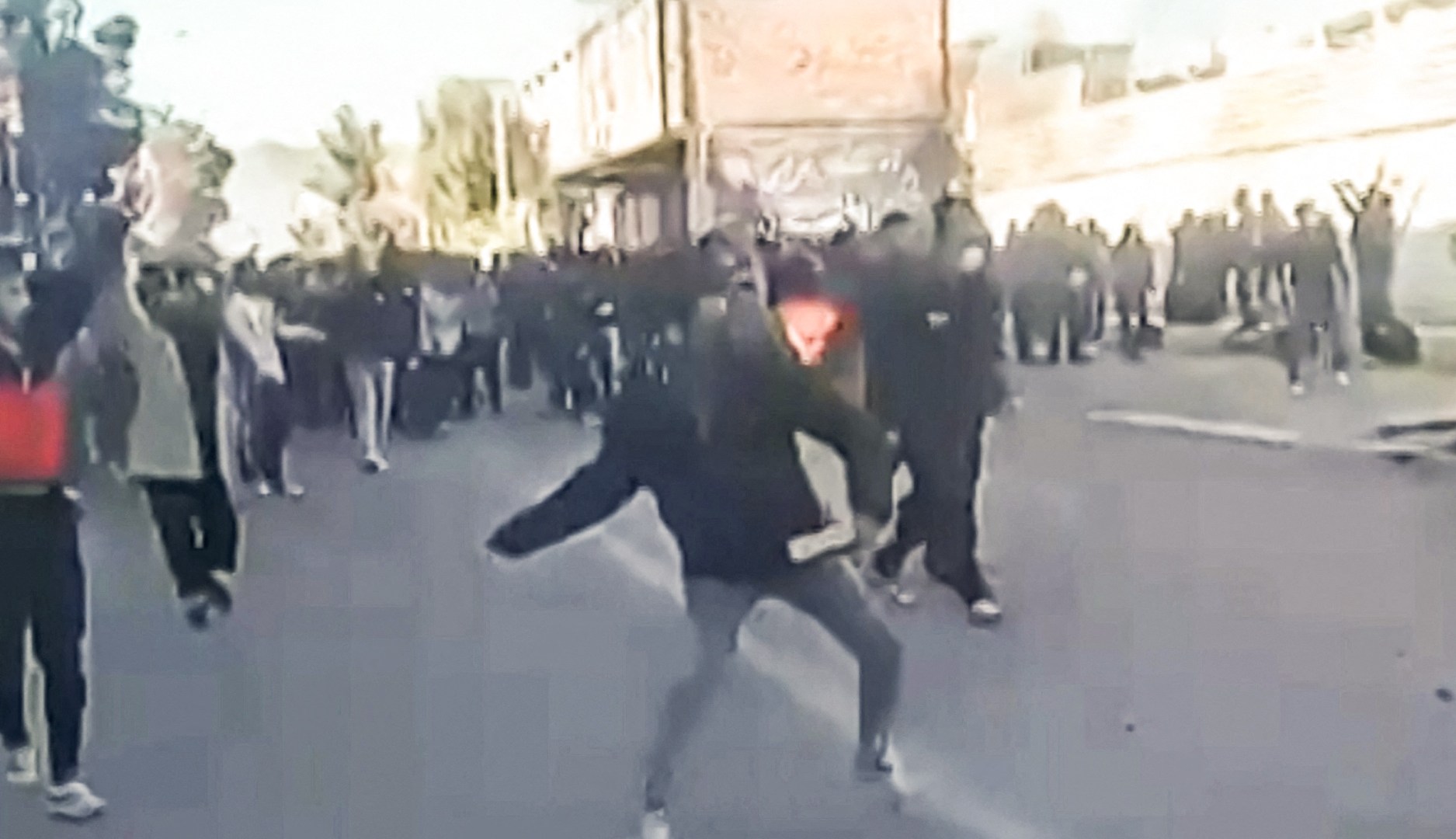
The crackdown did not entirely succeed in crushing dissent, with more recent protests taking place over the regime’s restrictive policies toward women, which prompted further nationwide demonstrations after a young Kurdish-Iranian woman died in police custody in 2022.
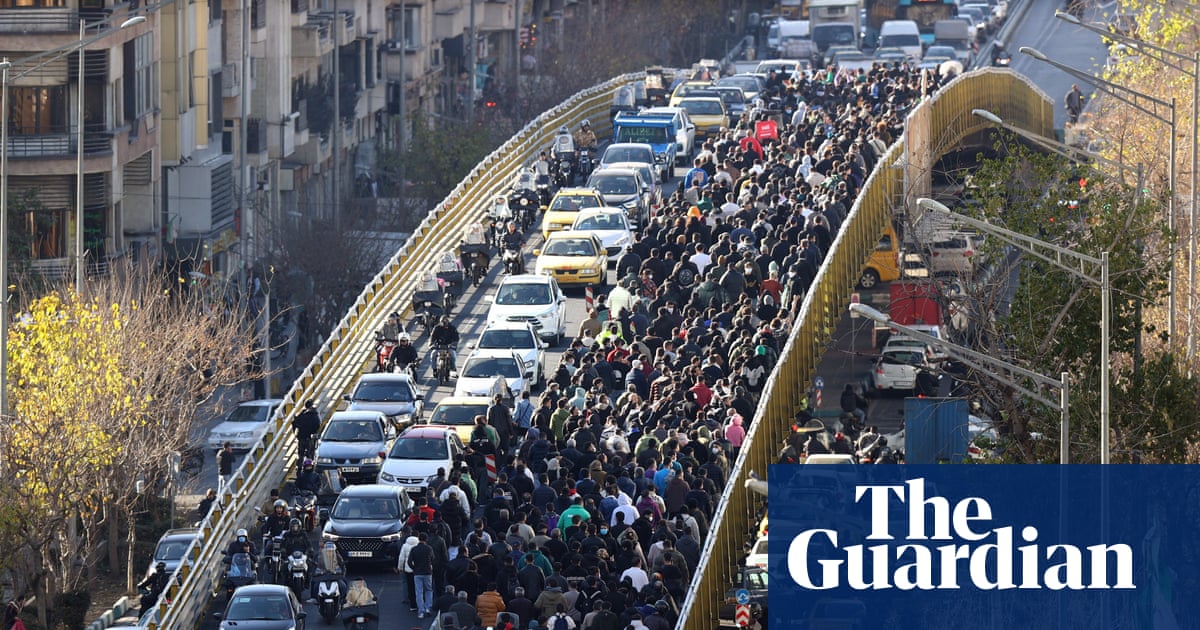
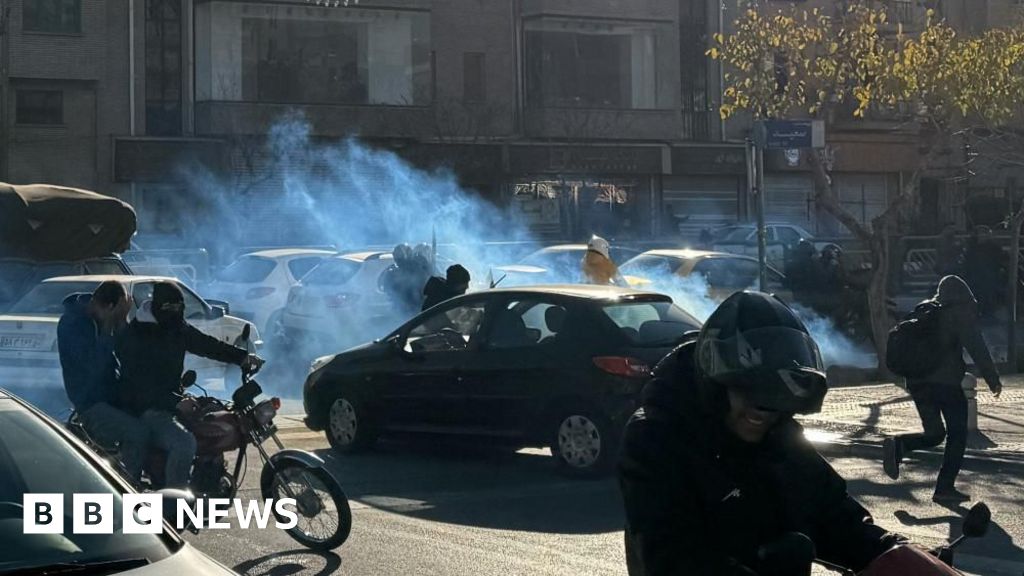
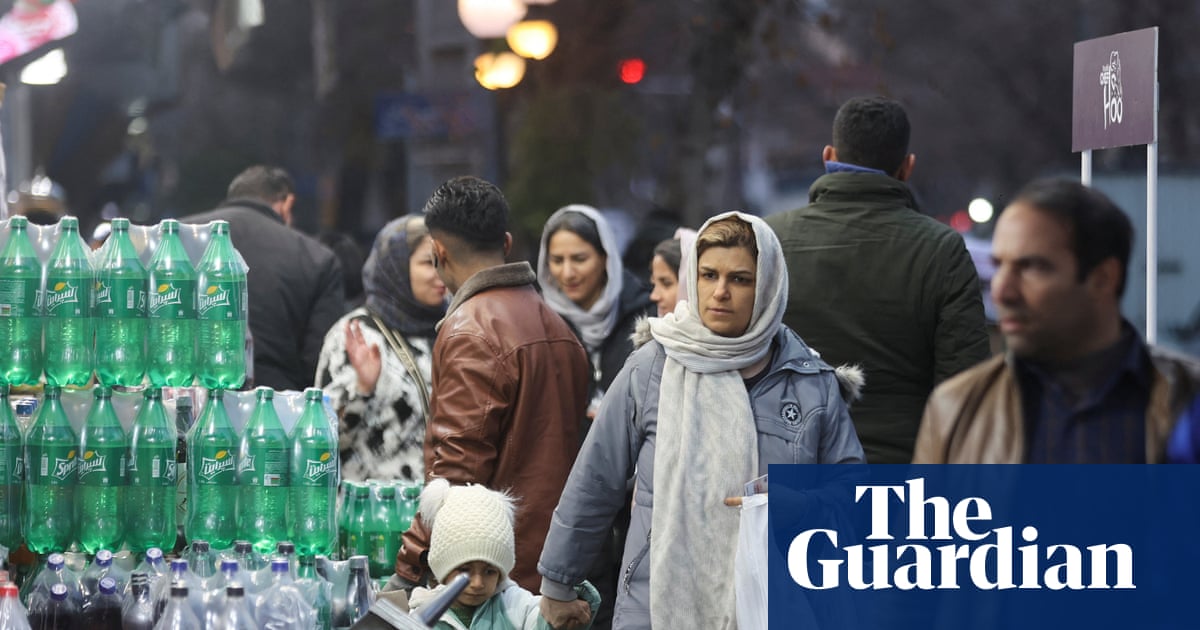
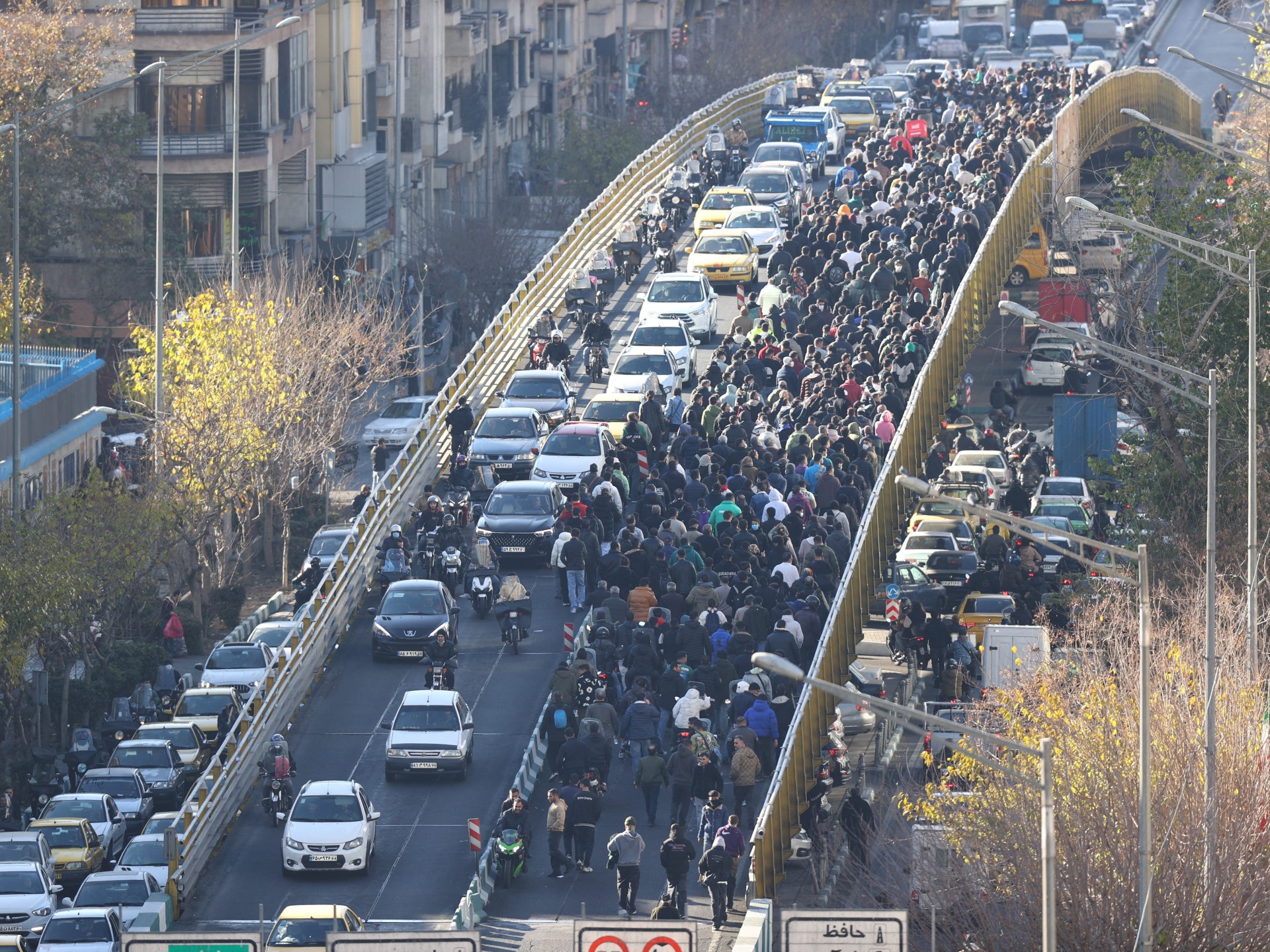
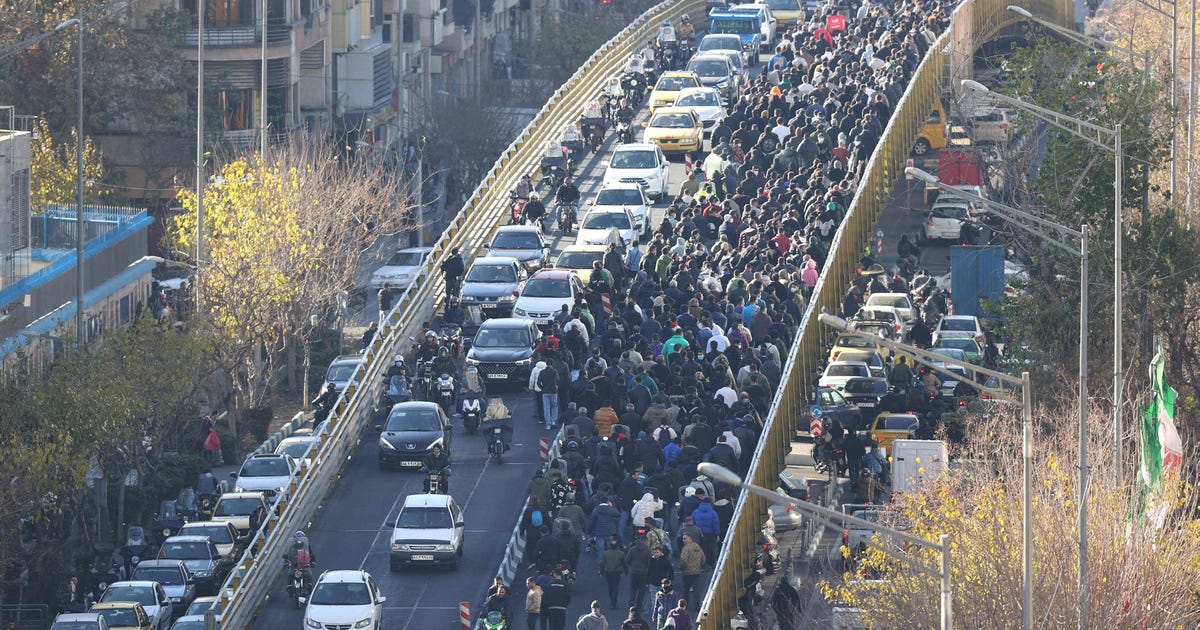
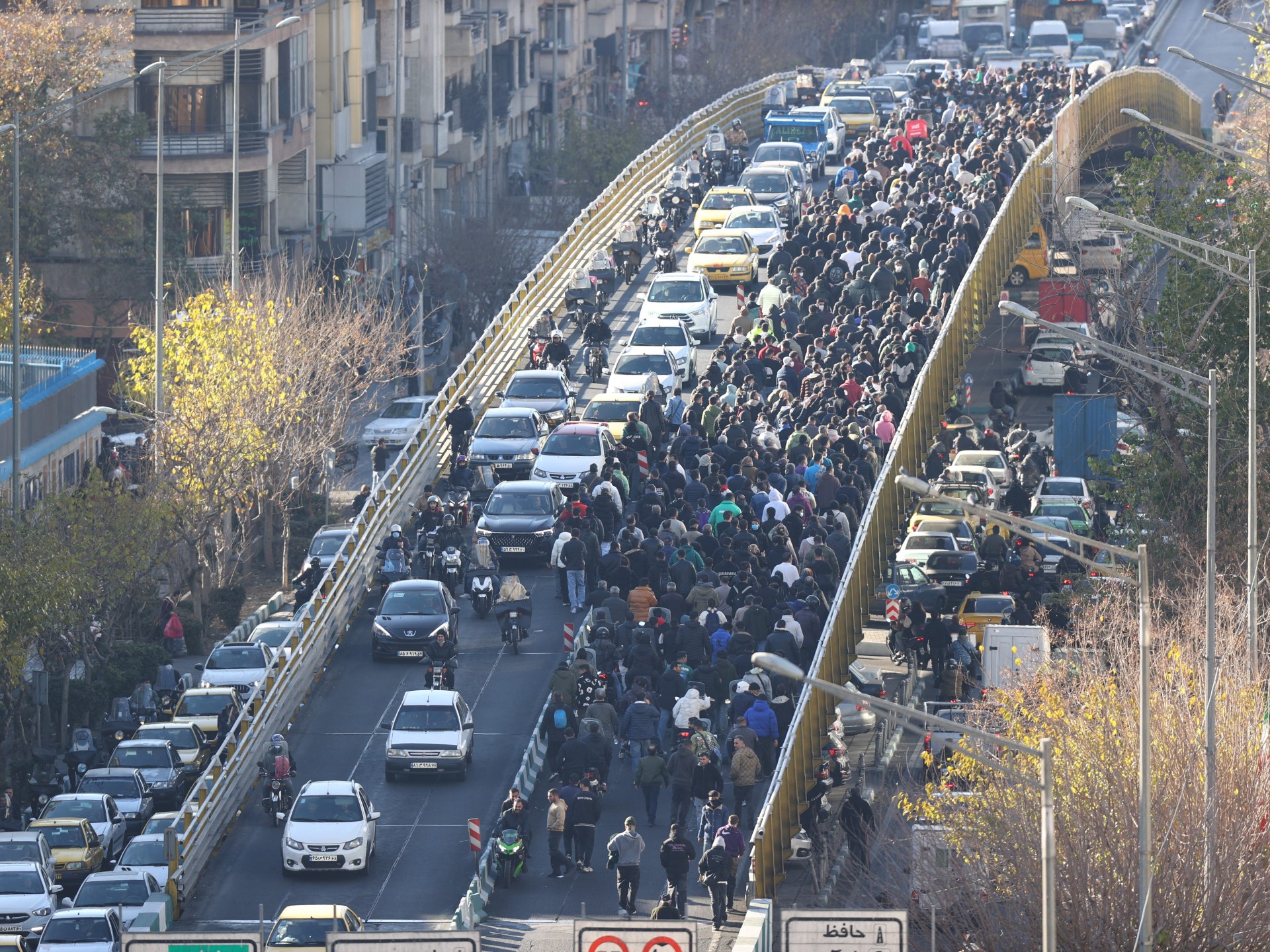
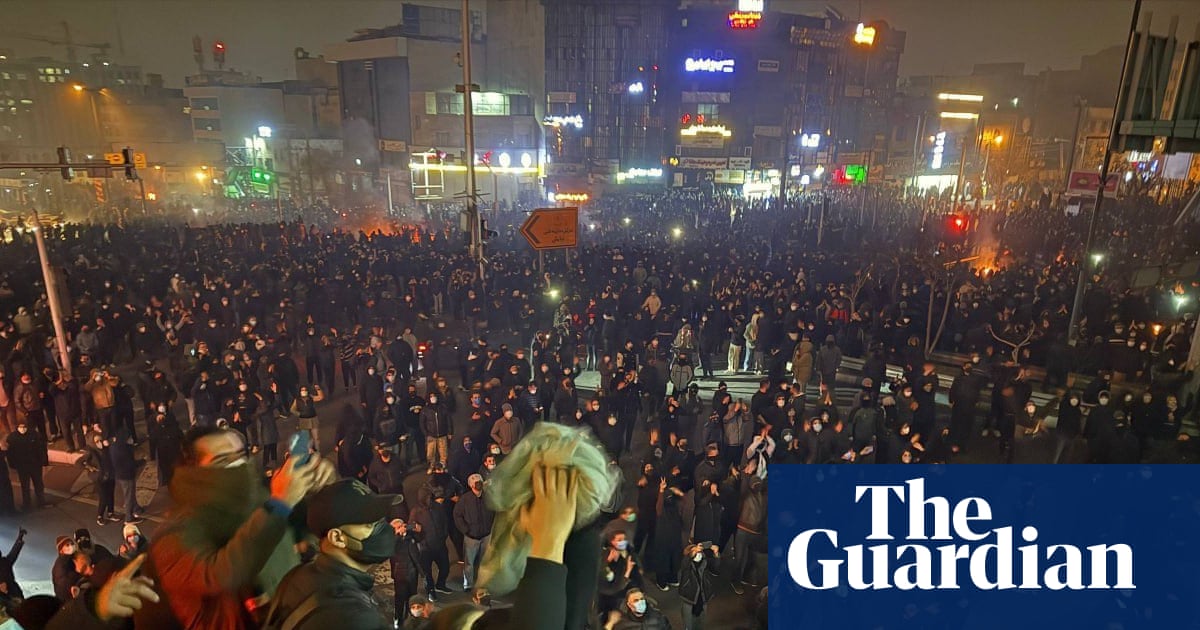
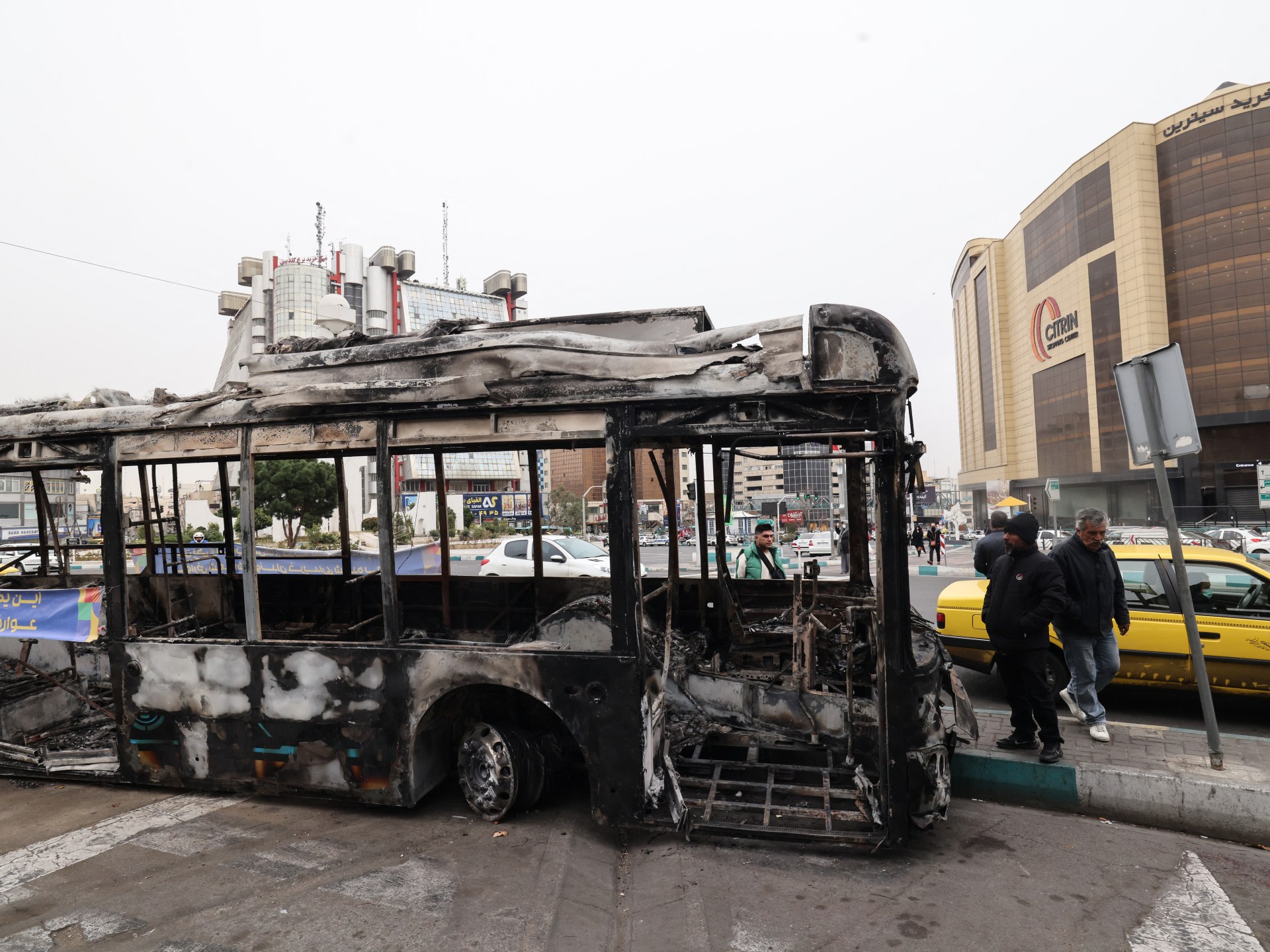
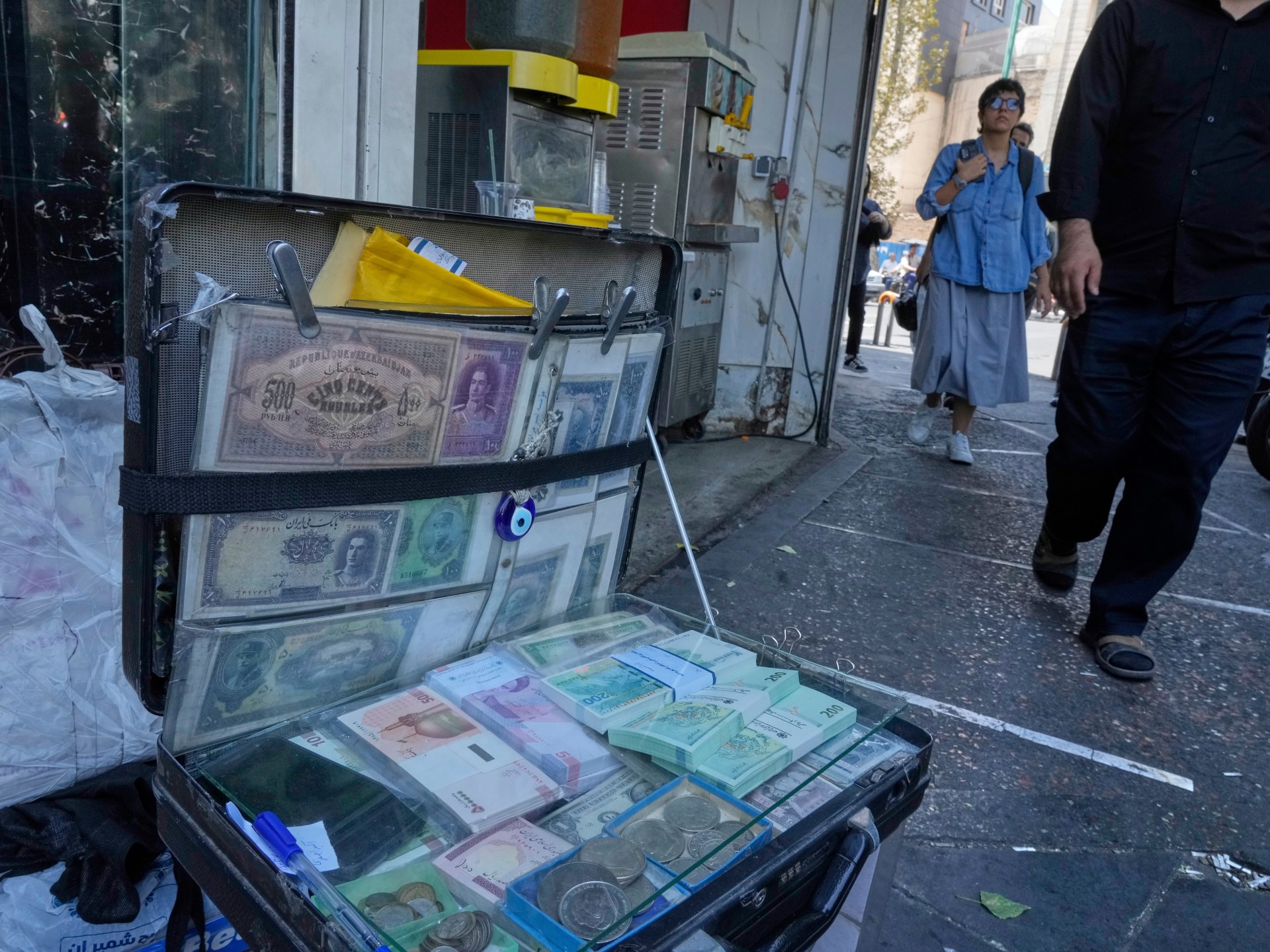
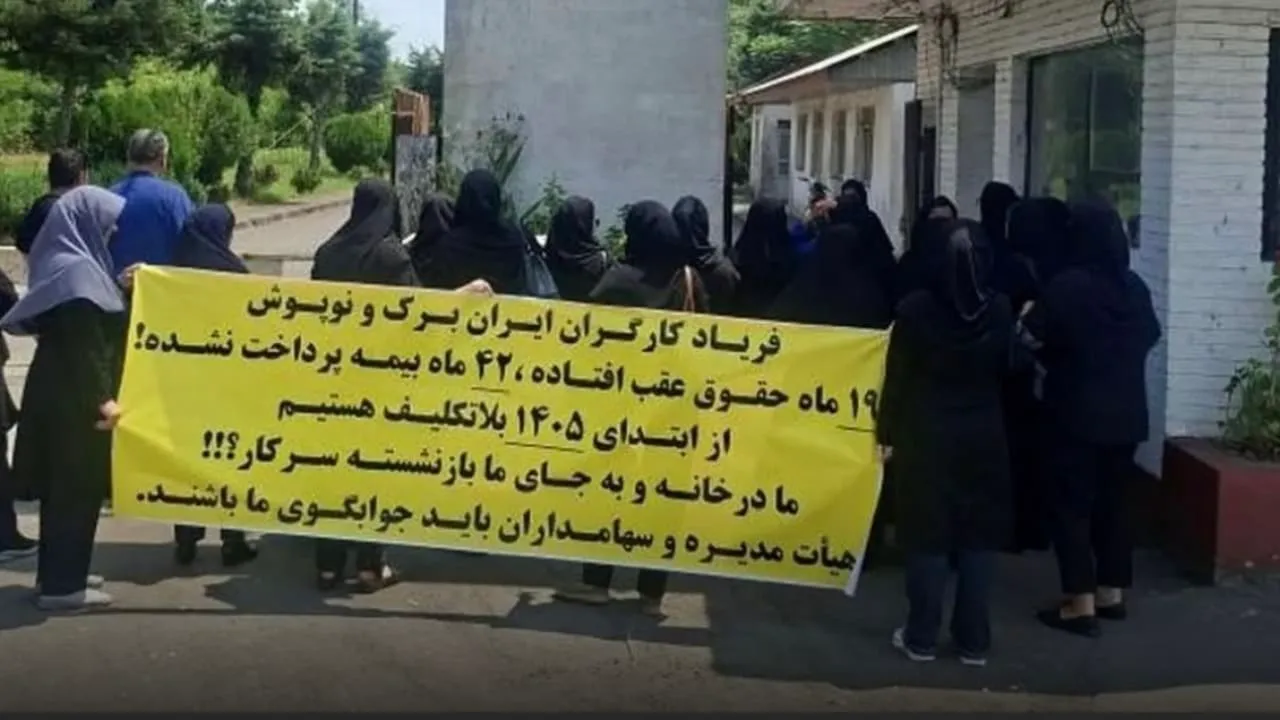
But while the Iranian regime has previously proved to be highly effective at crushing any hint of political opposition that has emerged since the 1979 revolution, the current round of protests has the potential to mount a far more serious challenge to the regime’s authority, not least because it is focused on one issue that the ayatollahs appear incapable of resolving — namely, the dire state of the Iranian economy.