https://arab.news/pkmbb
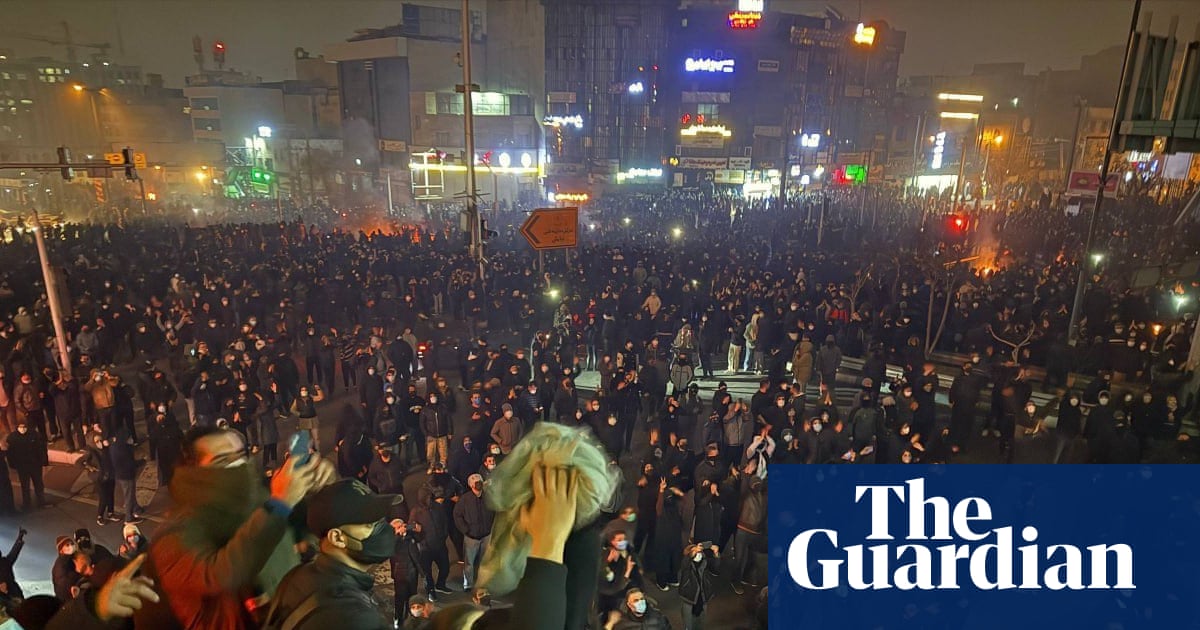
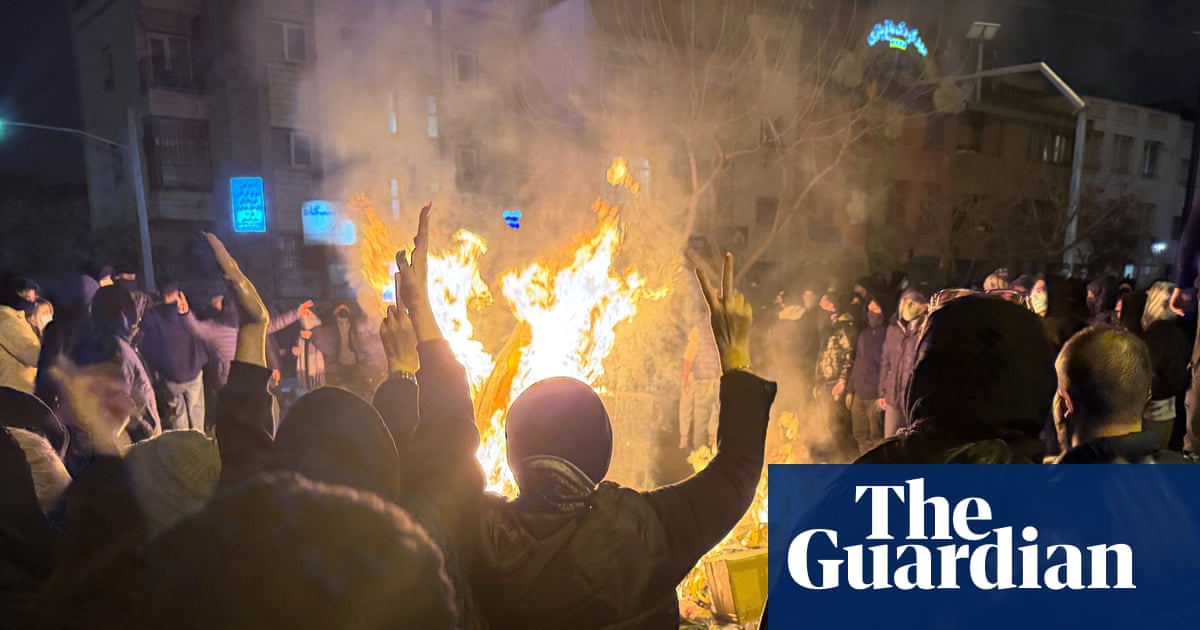
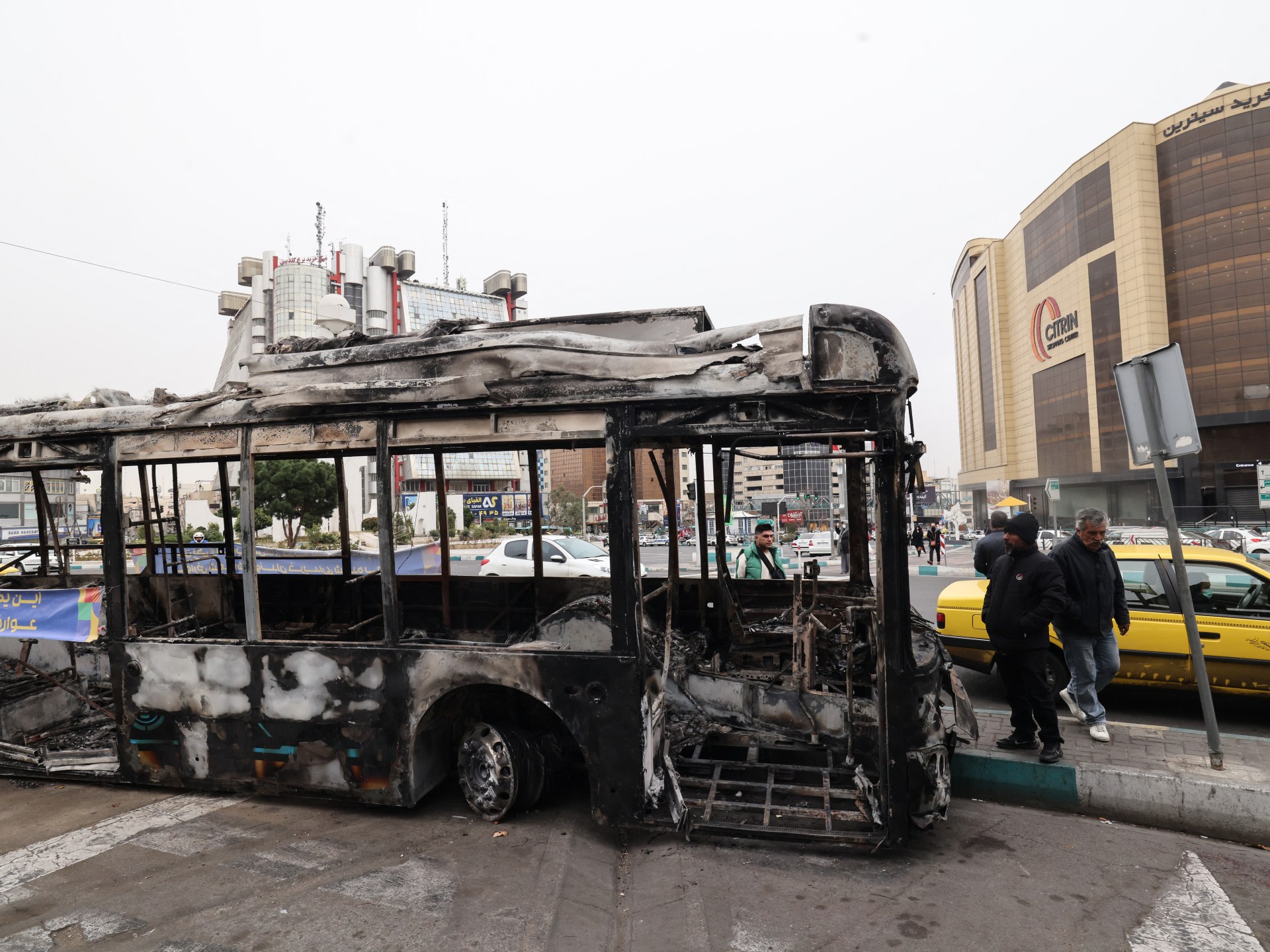
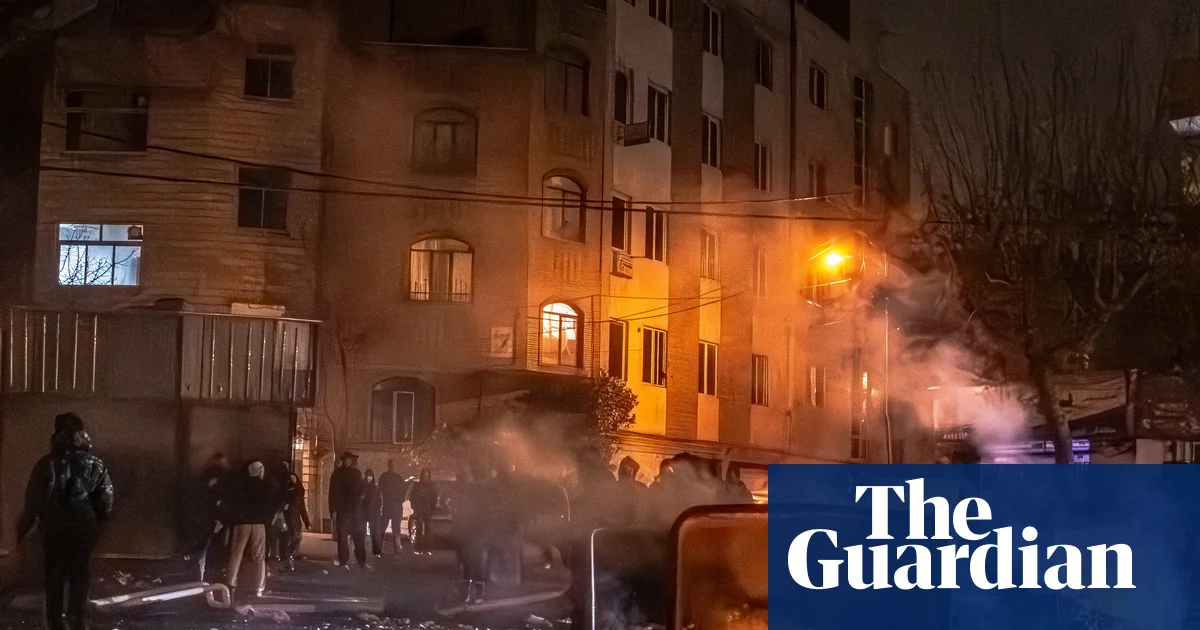
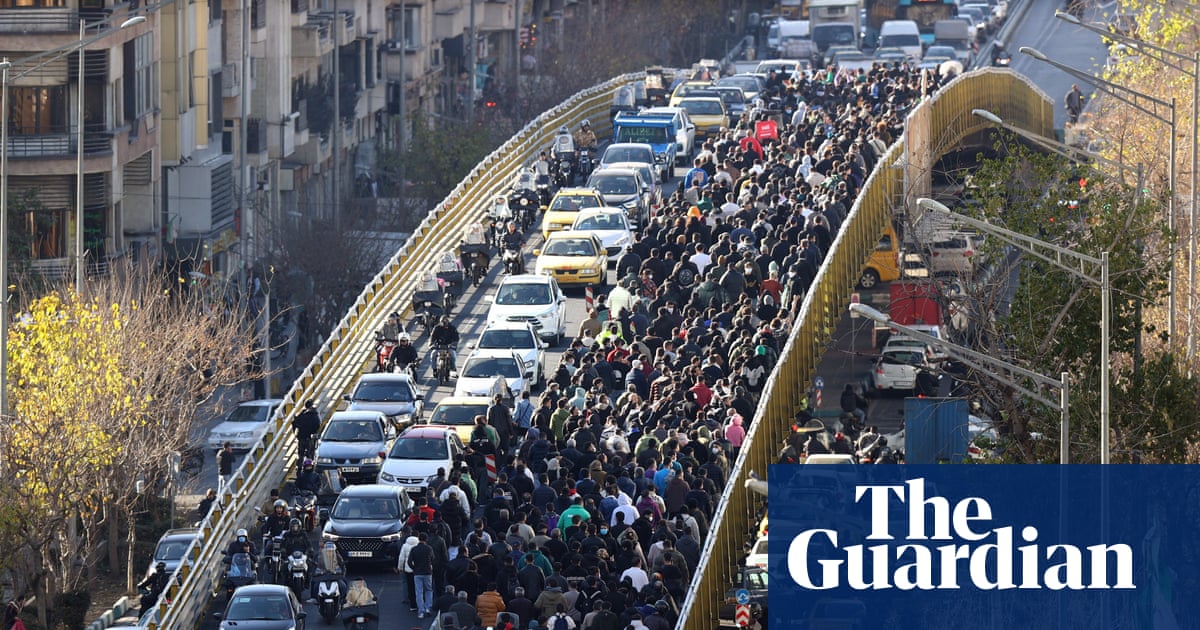
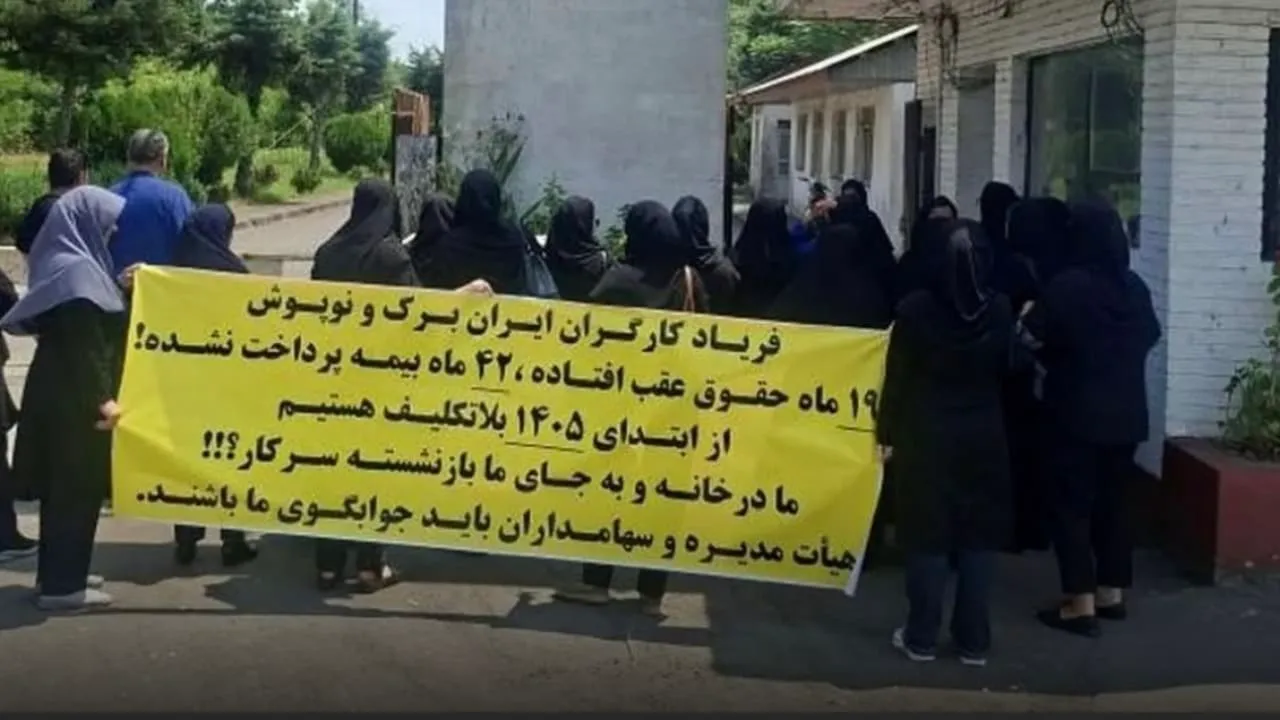
The ongoing mass demonstrations in Iran are the largest protests the country has seen in about half a decade. Although this current round of nationwide demonstrations began as a response to the economic crisis affecting market traders in the bazaars, it rapidly spread across the country as long-standing grievances over the lack of political reform and economic growth boiled over.
It is too early to tell what the outcome of these protests will be. The regime has proved resilient in the past and, although the situation does appear messy, it does not appear close to a total collapse. However, if the protests continue and outside intervention takes place, a wide range of outcomes is possible, from a rapid regime collapse as seen in Libya in 2011 to a gradual erosion of centralized control and de facto partition as seen in Syria.
While many policymakers view Iran primarily through the lens of the Middle East, the country’s northern flank cannot be ignored. The three South Caucasus countries — Georgia, Armenia and Azerbaijan — will be watching events closely with nervousness and anxiety. Iran has historically viewed the South Caucasus as an area of influence in competition with Turkiye and Russia. The region is geopolitically important, as some of the world’s most critical oil and gas transit pipelines run through it. Any spillover from Iran’s internal turmoil could therefore have broader geopolitical consequences for the South Caucasus.