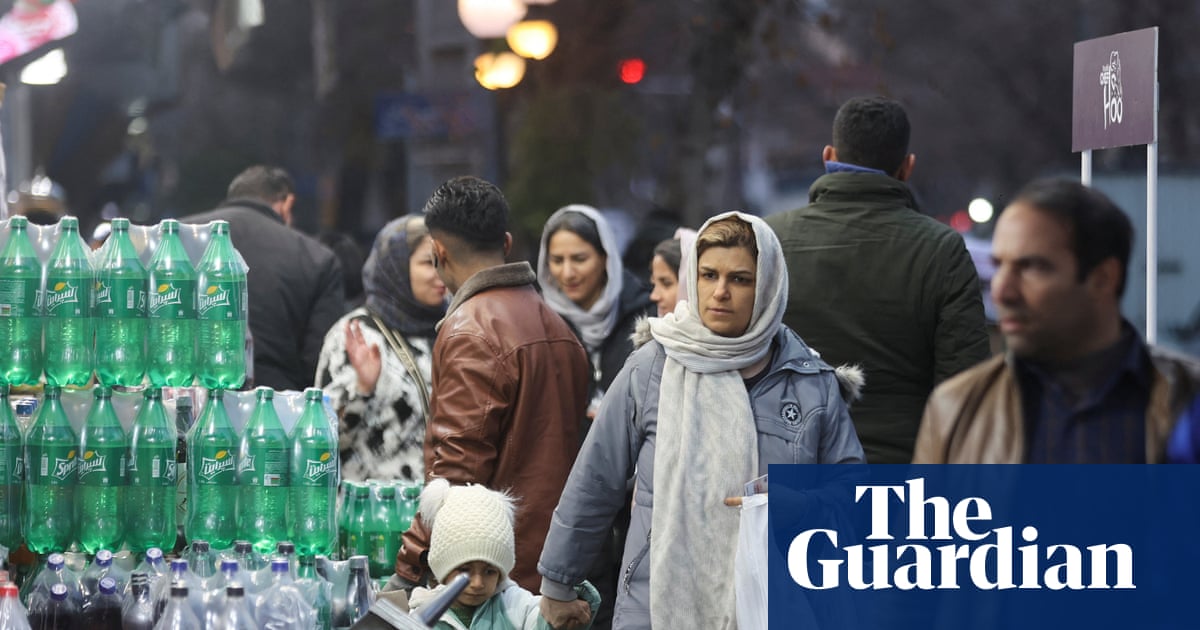
President wants to placate demonstrators calling for political change, action on corruption and help with cost of living
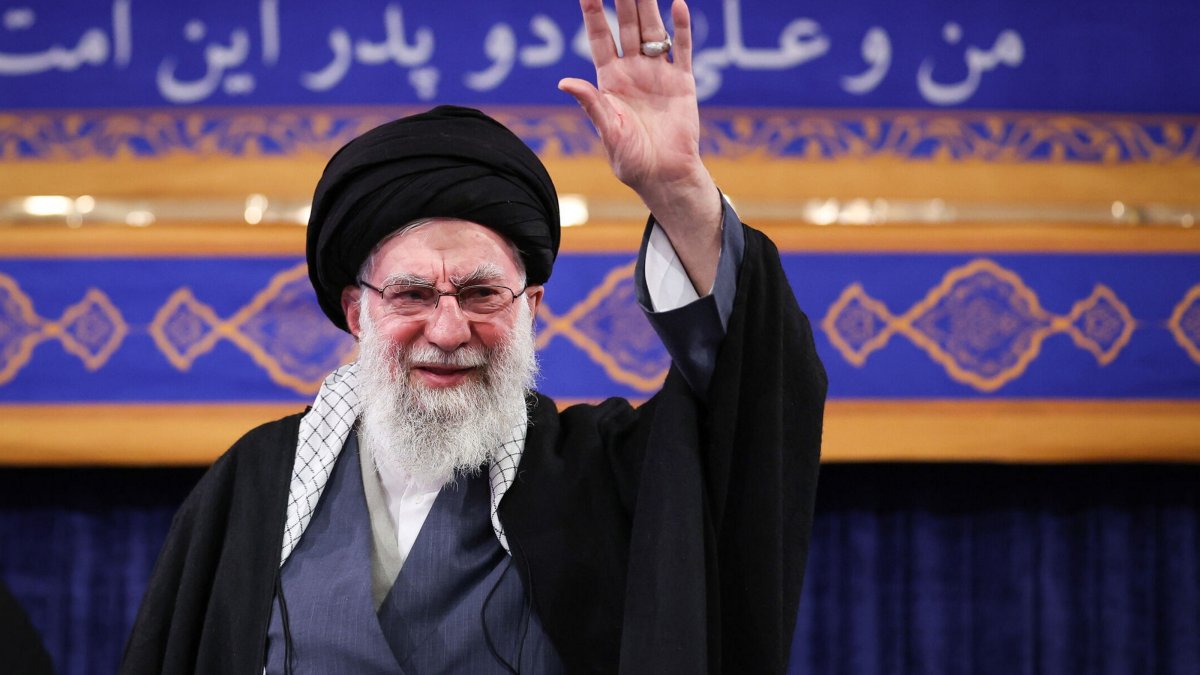
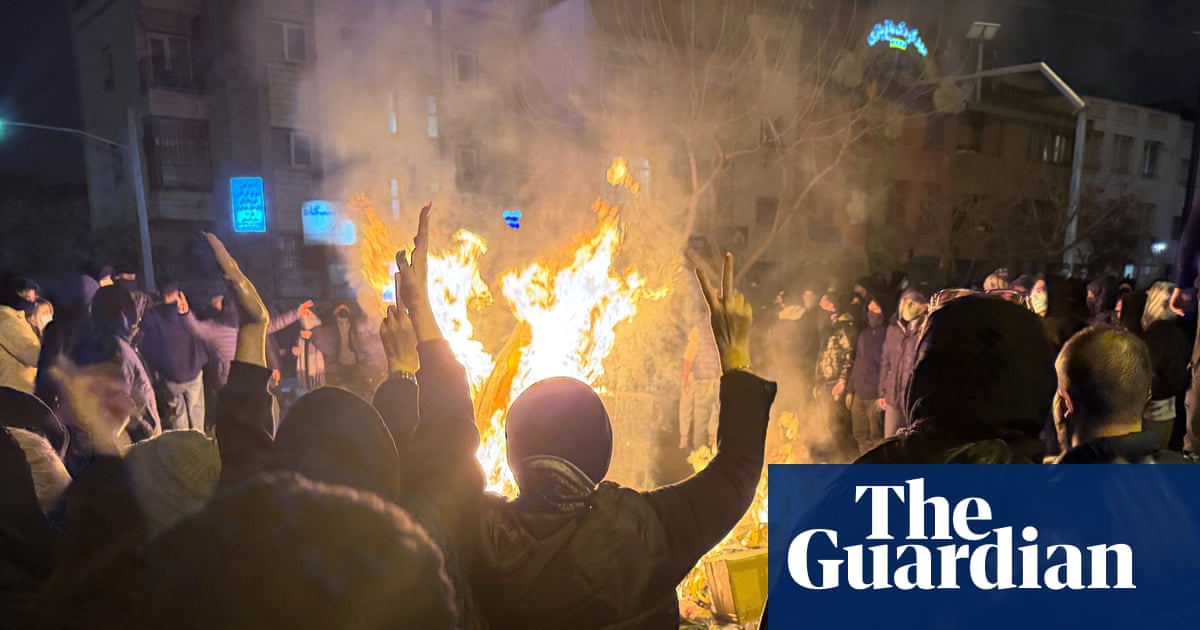
The Iranian government is attempting risky economic concessions as it tries to meet the escalating demands of protesters seeking fundamental political change, a clampdown on corruption and an easing of the squeeze on living standards of the poor.
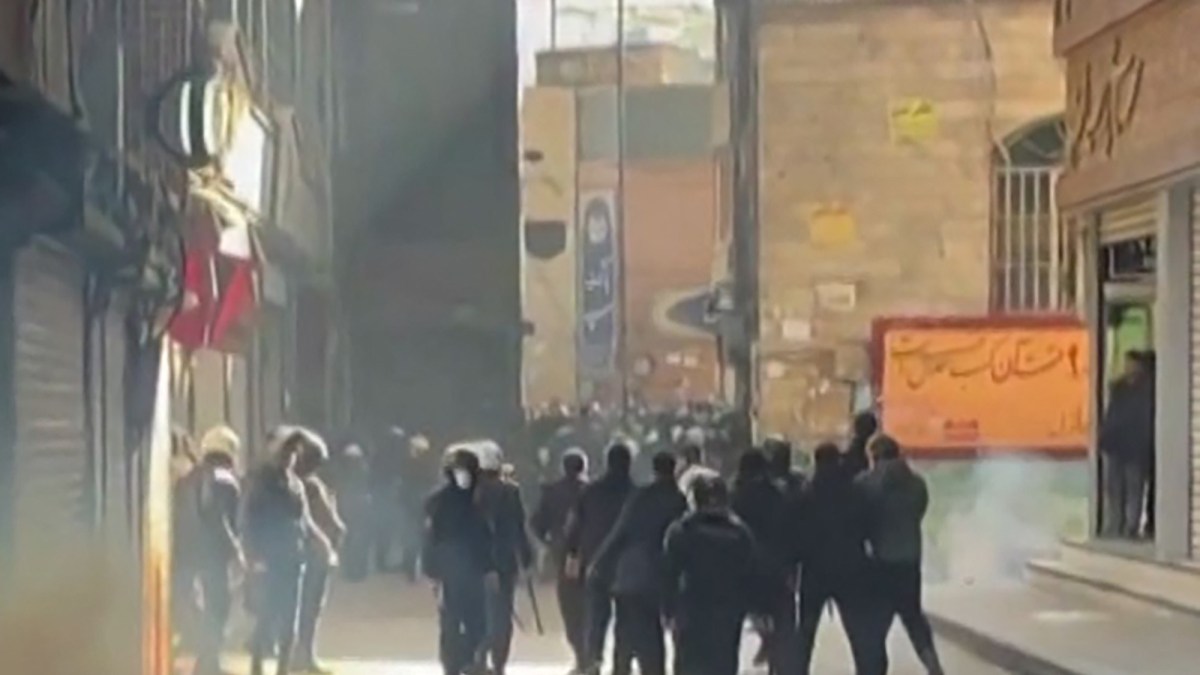
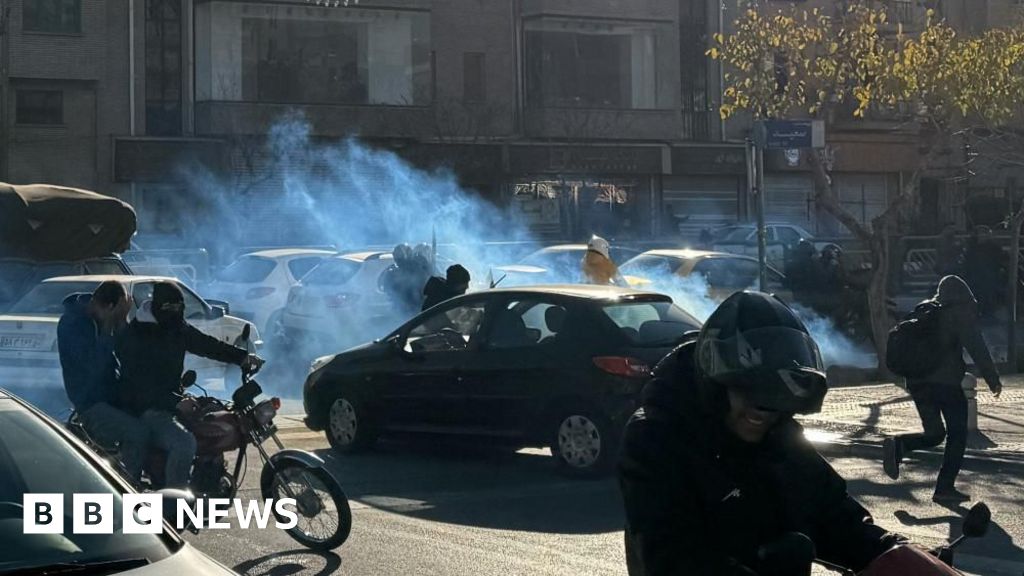
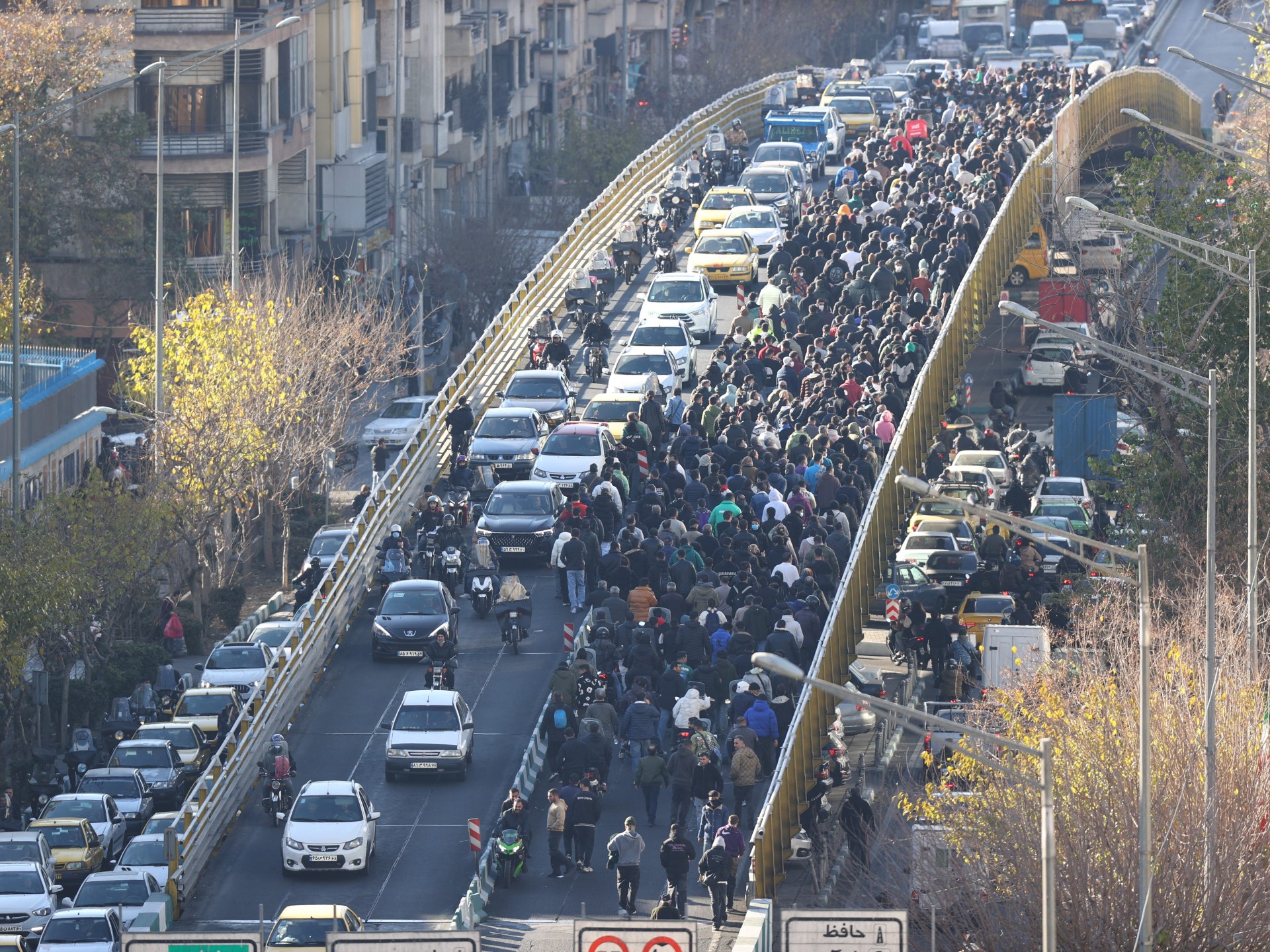
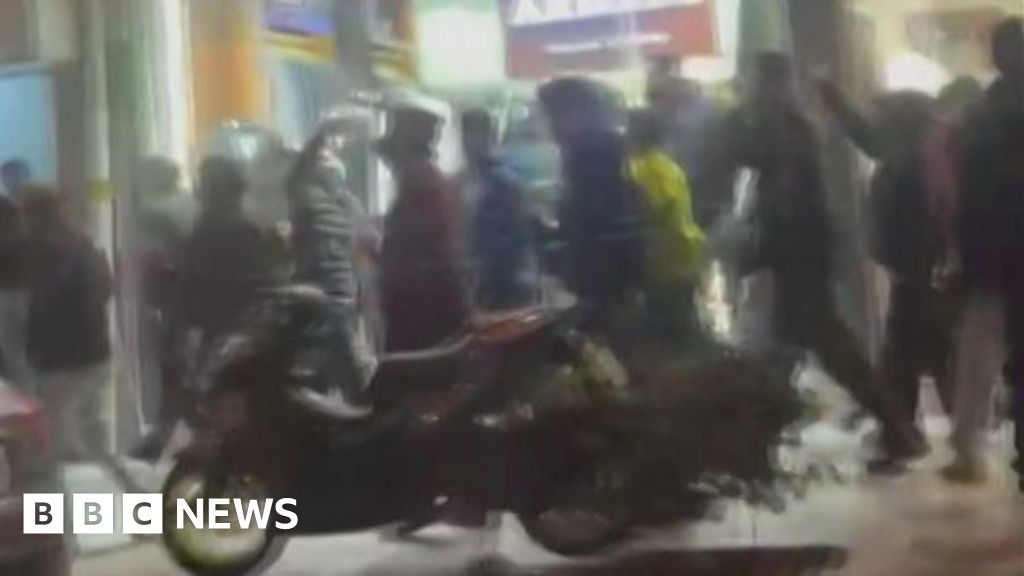
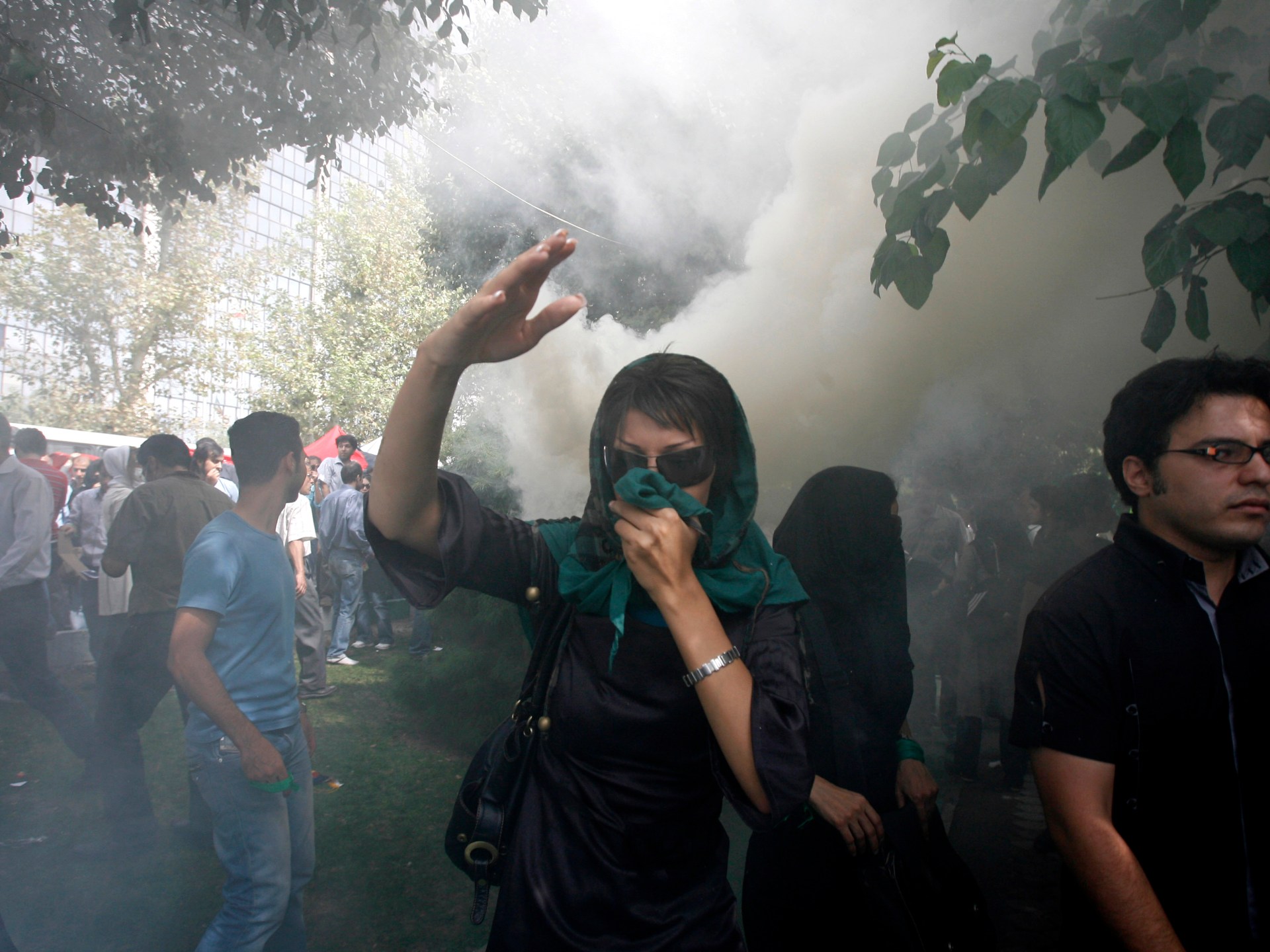
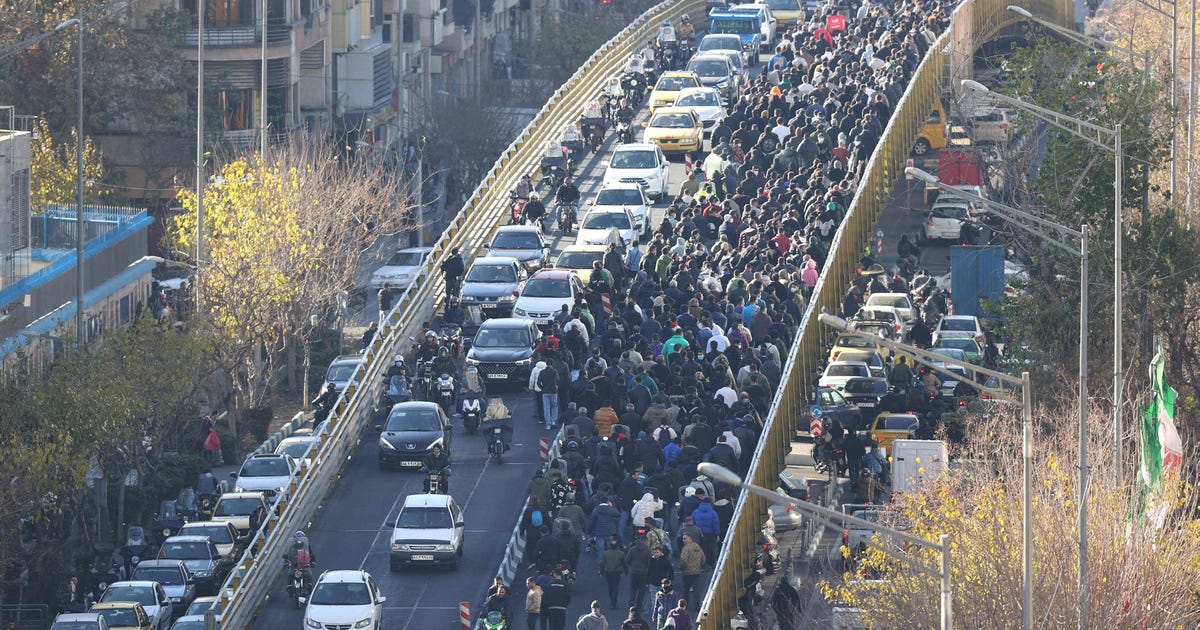
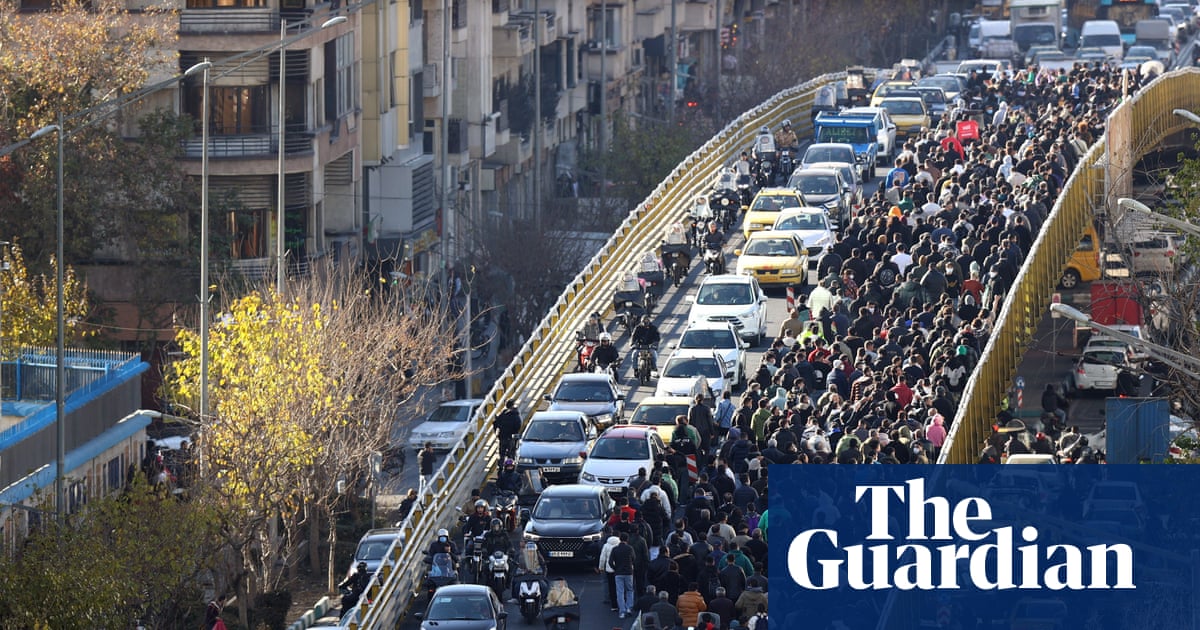
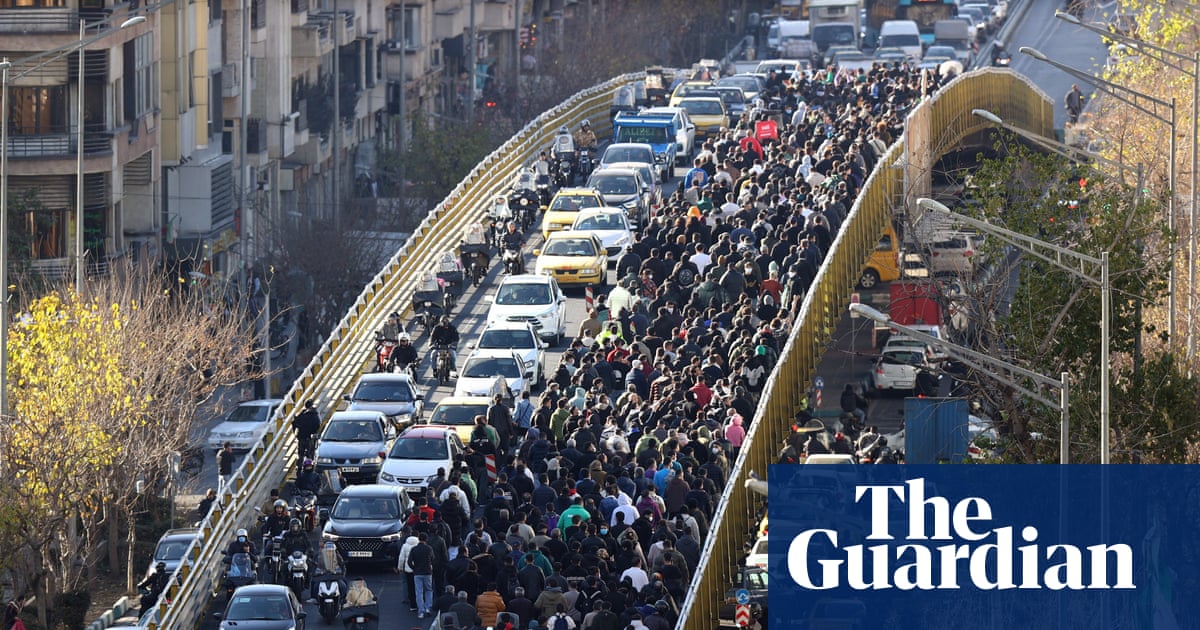
Now entering their ninth day, the protests have spread to 26 of Iran’s 31 provinces, with a US-based human rights group claiming that the death toll has passed 20 and nearly 1,000 people have been arrested.
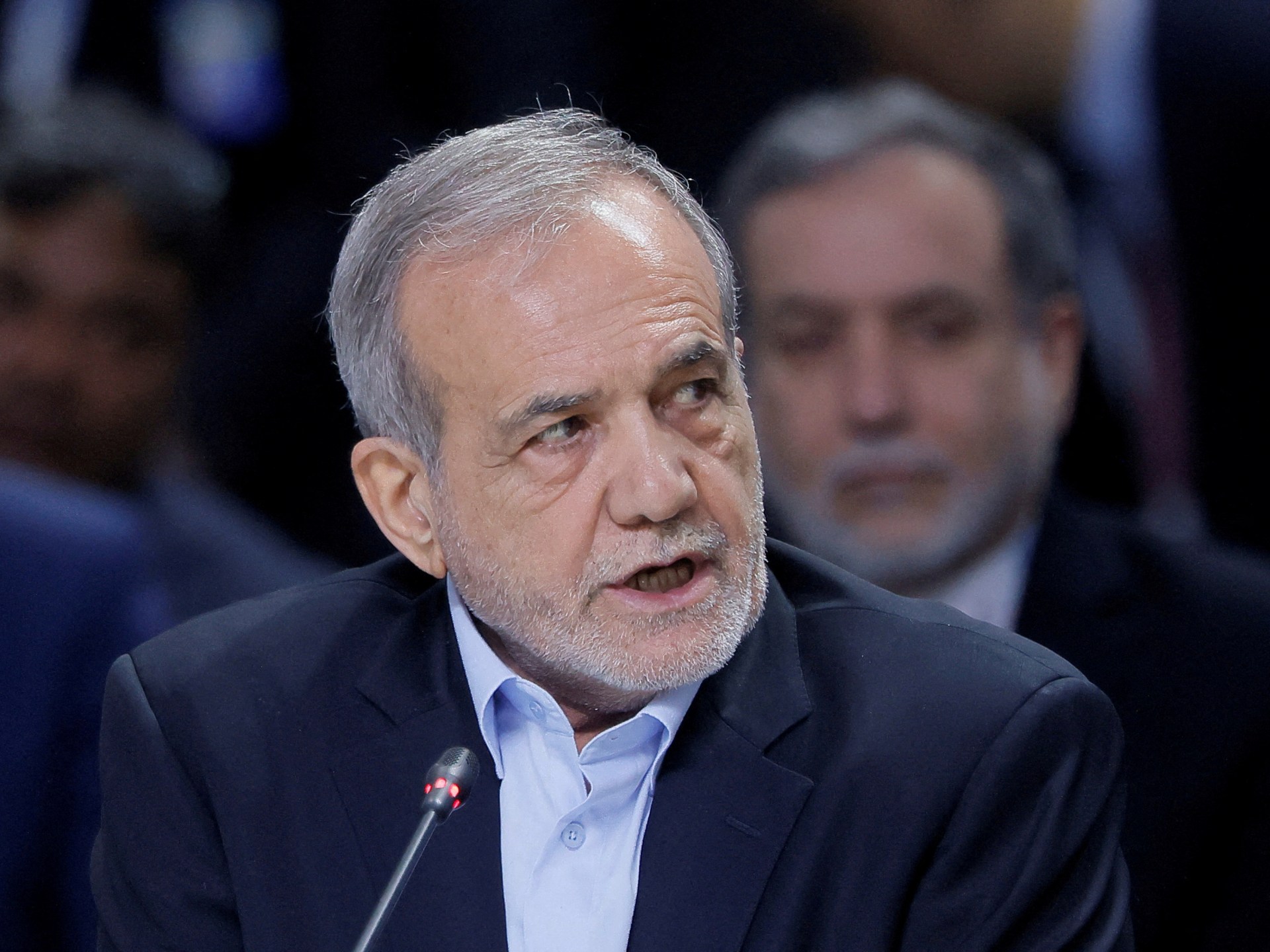
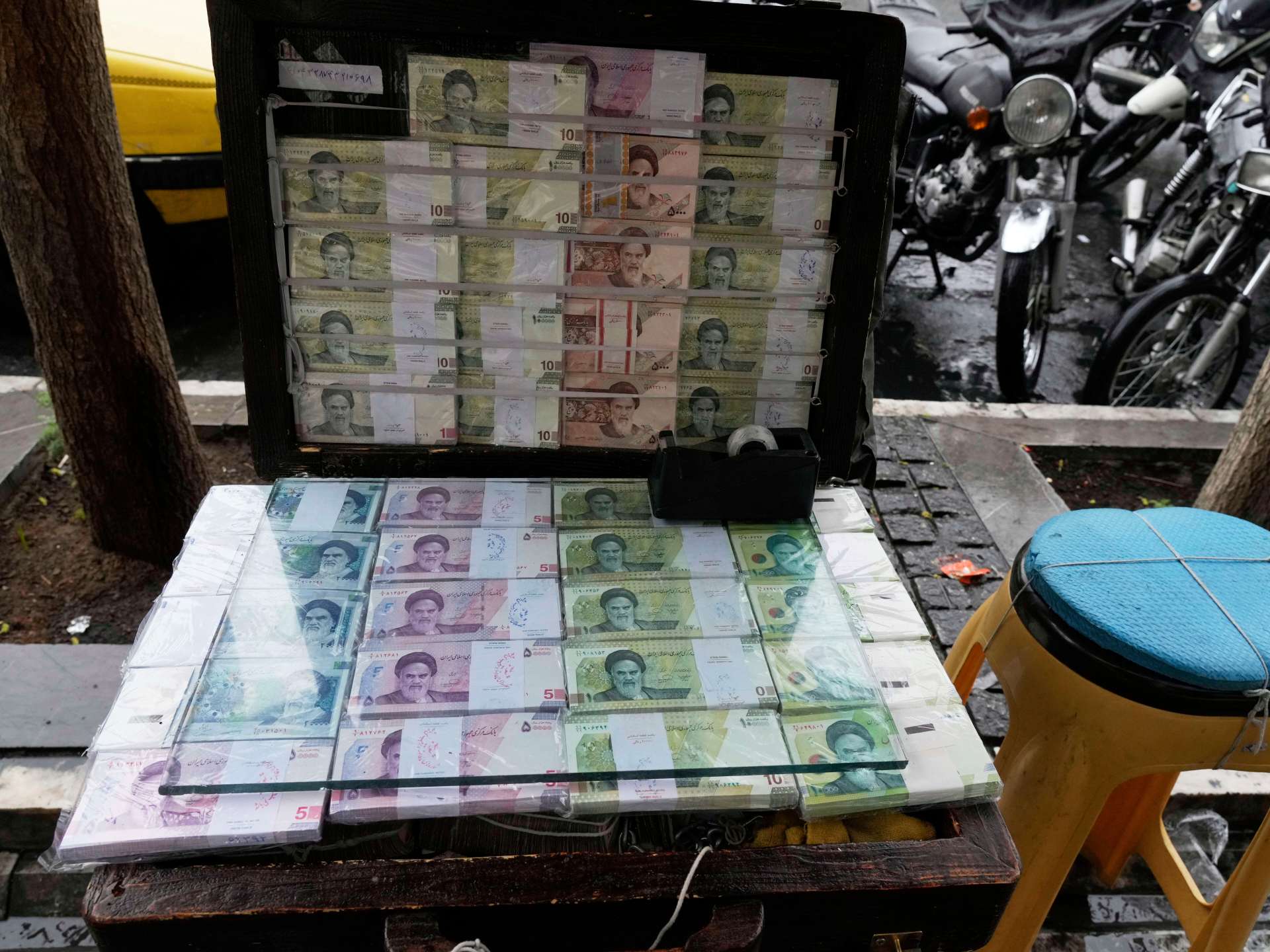
A switch in the system of foreign exchange subsidies announced by Iran’s president, Masoud Pezeshkian, may lead to a short-term rise in food prices, but is intended to be ameliorated by a new system of direct subsidies to consumers. Previously the subsidies were given to those importing products from abroad through exchange rate subsidies. But the decade-old system was wide open for corruption and leakage.
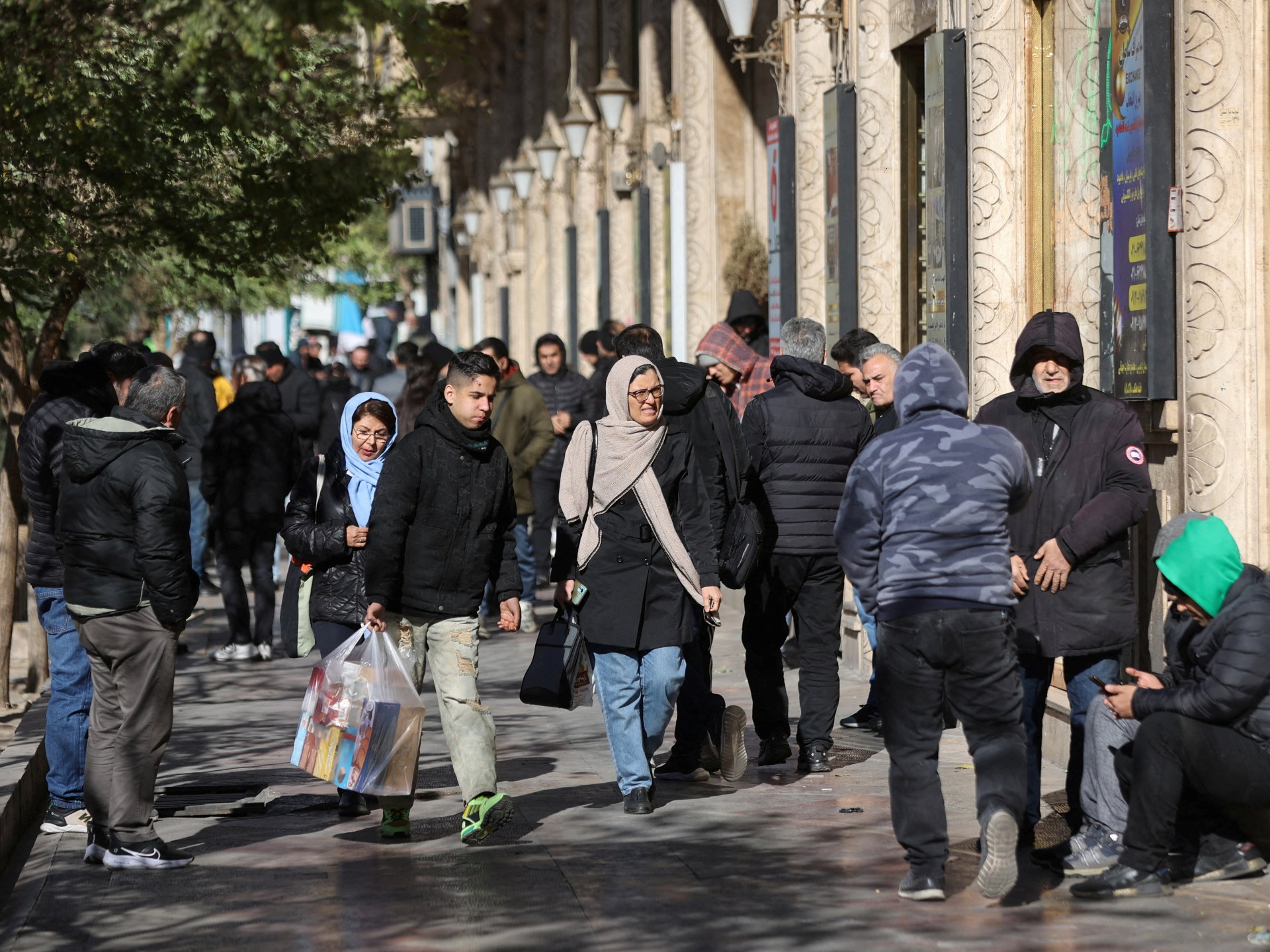
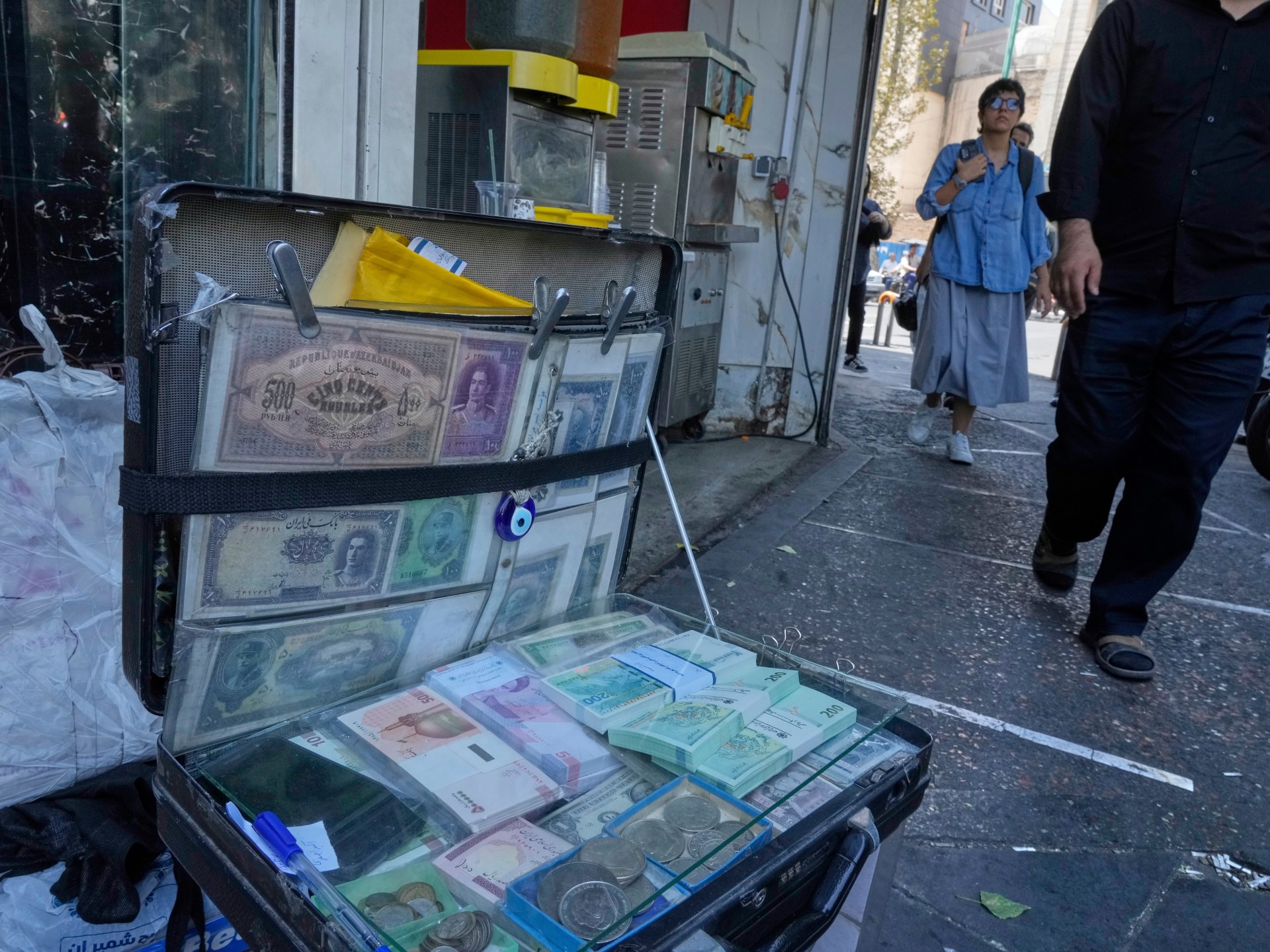
Official figures released on Monday showed that inflation had reached 52.6% in December. Inflation, and a collapse in the value of the rial, led to the protests that began in Tehran’s bazaar, but have now spread to more than 100 towns and cities, including many smaller towns. Police were seen entering the University of Birjand in the south-east of Iran, arresting students inside one of the largest universities in the east of Iran.