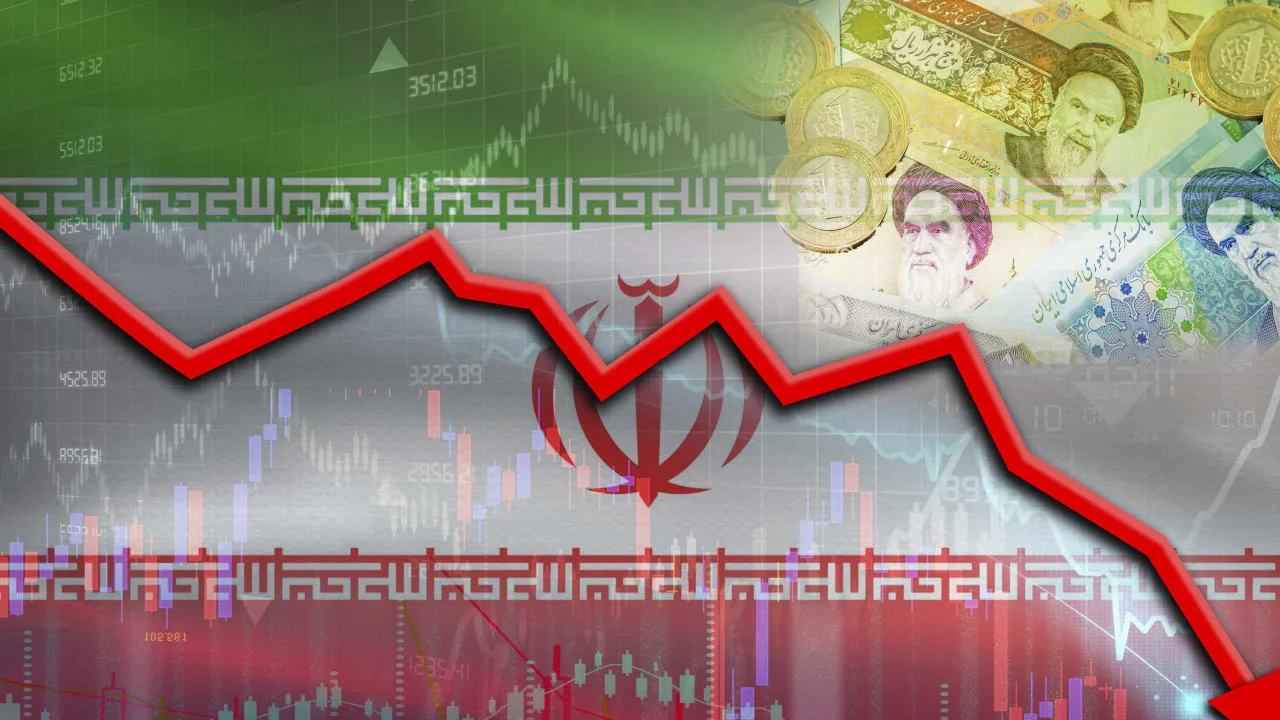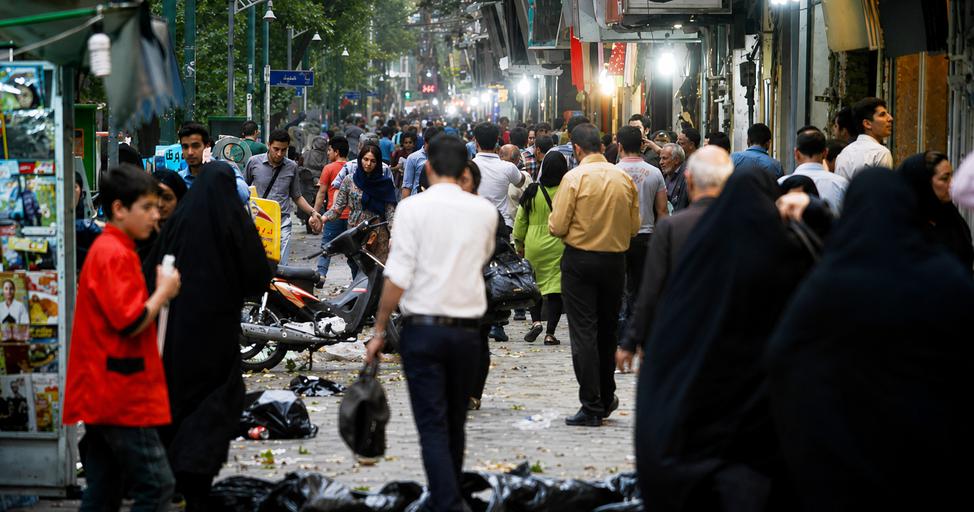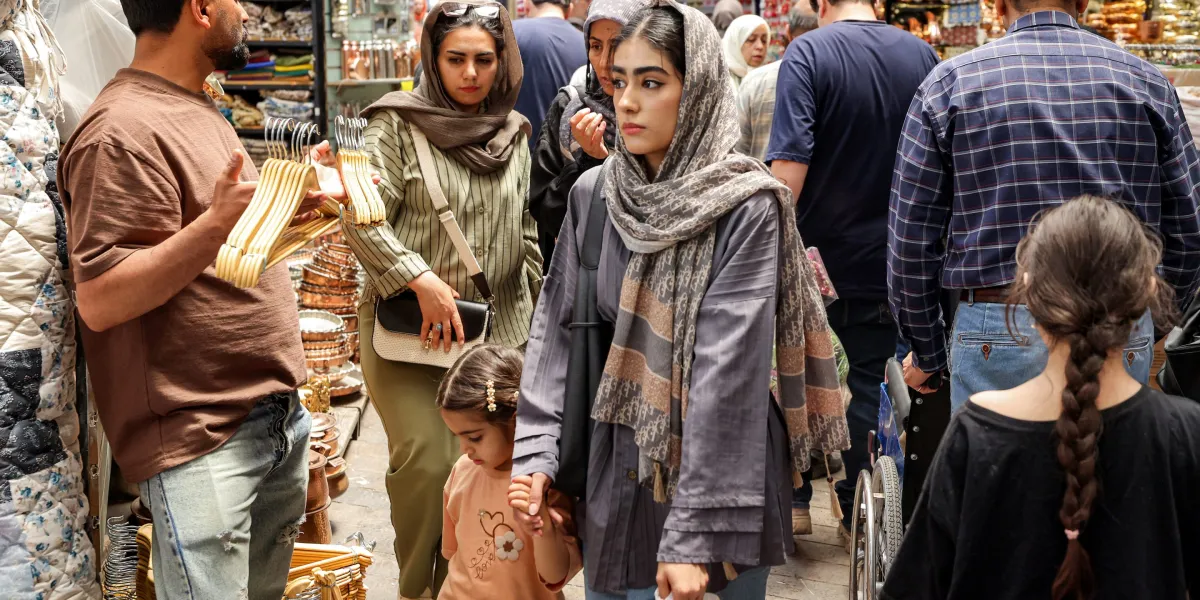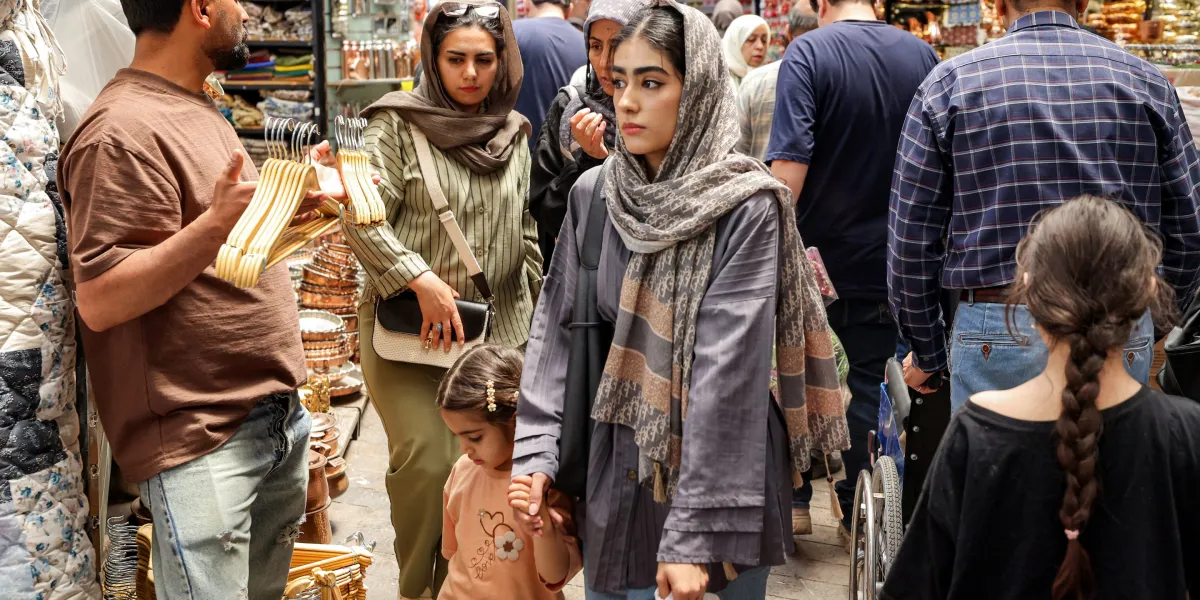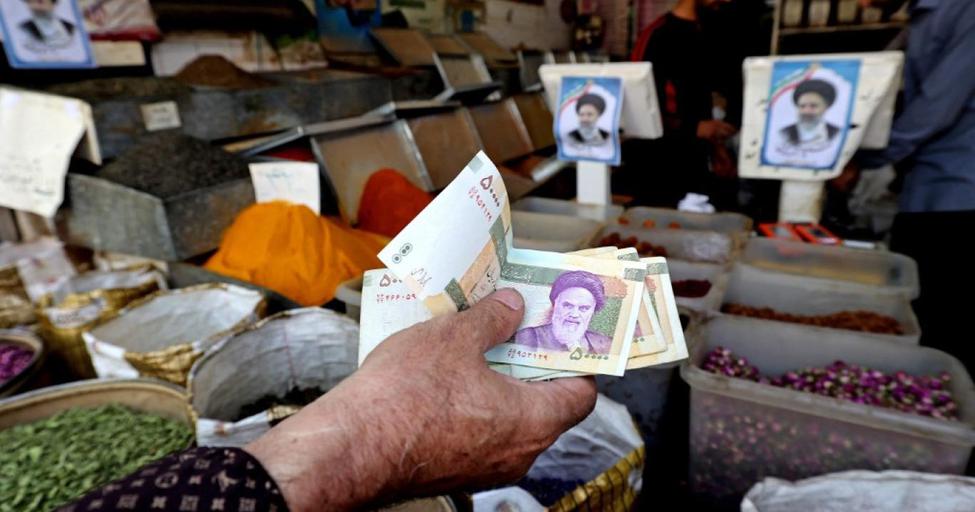
Iran’s economy today is in its most critical state in decades. Runaway inflation, rising unemployment, and the erosion of productive capacity have left millions facing severe livelihood insecurity. This impasse is not the product of a sudden shock; rather, it stems from economic and political decisions made over the past years by high-level institutions, subjecting the country to unprecedented sanctions.
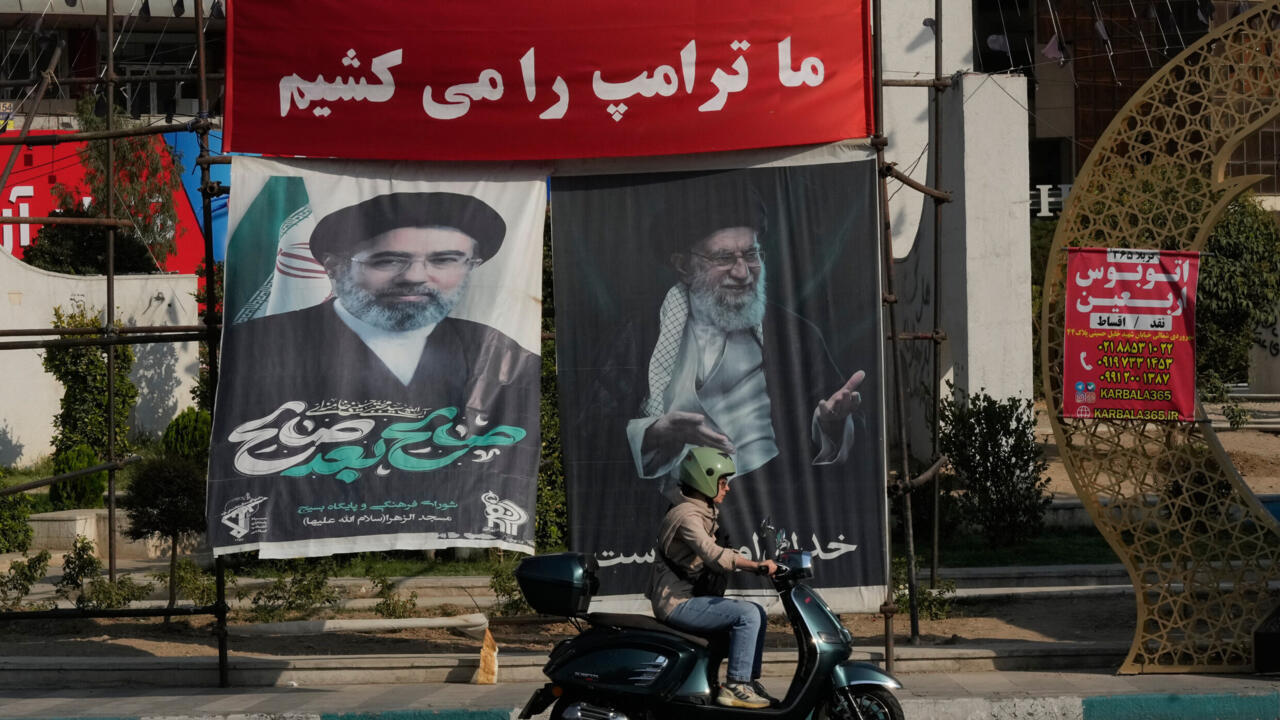
Masoud Nili, a market-oriented economist, is one of the few figures who has acted both as an architect of development plans within the governance apparatus and as a scholar analyzing the country’s economic trajectory. In several recent interviews, he detailed this economic collapse. Yet despite insisting that the current situation is the result of flawed policymaking, his account remains noticeably silent regarding the primary political actors, most notably the strategic decisions of the Supreme Leader of the Islamic Republic.
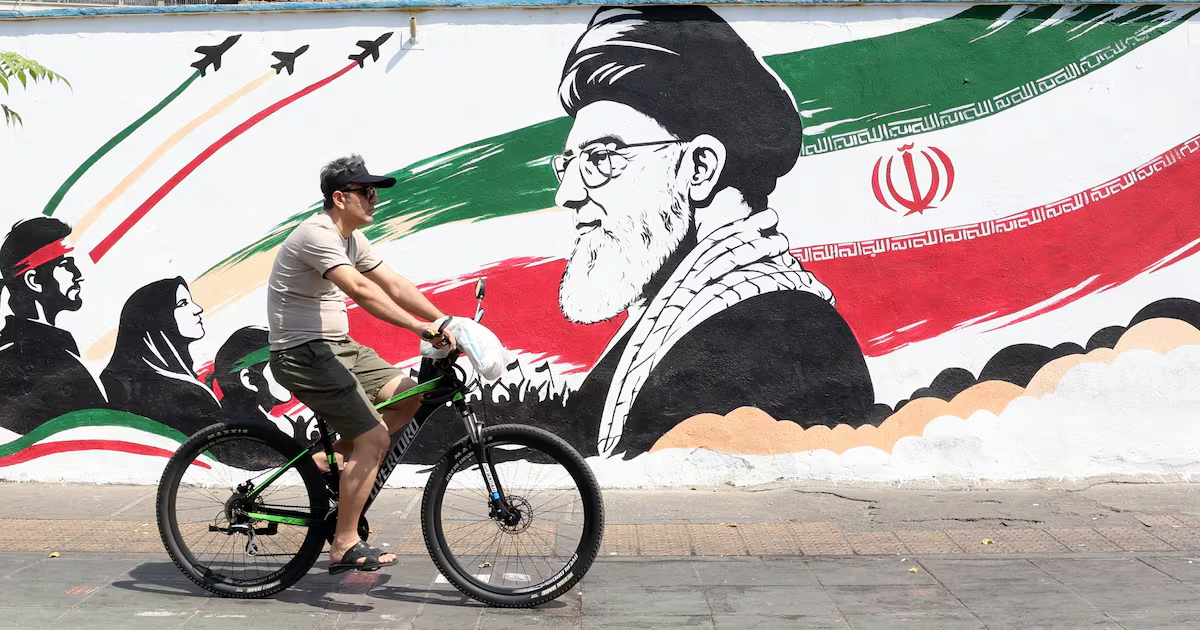
Nili’s critique of “state intervention” and the intrusive presence of politics in the economy gains full meaning only when evaluated alongside the political leadership’s role, parastatal organizations, regional confrontations, and the nuclear program. Synthesizing these elements reveals why Iran’s economy spiraled into crisis and impoverishment, even as official development blueprints claimed to seek integration with the global economy. In practice, the regime’s strategic decisions pivoted on “resistance,” expanding regional influence, and rewarding loyalist constituencies. Relying on Nili’s insights, this report examines the decisions of the Islamic Republic from 2000 to 2013, linking economic choices to their political dimensions to clarify the root causes of today’s economic ruin.