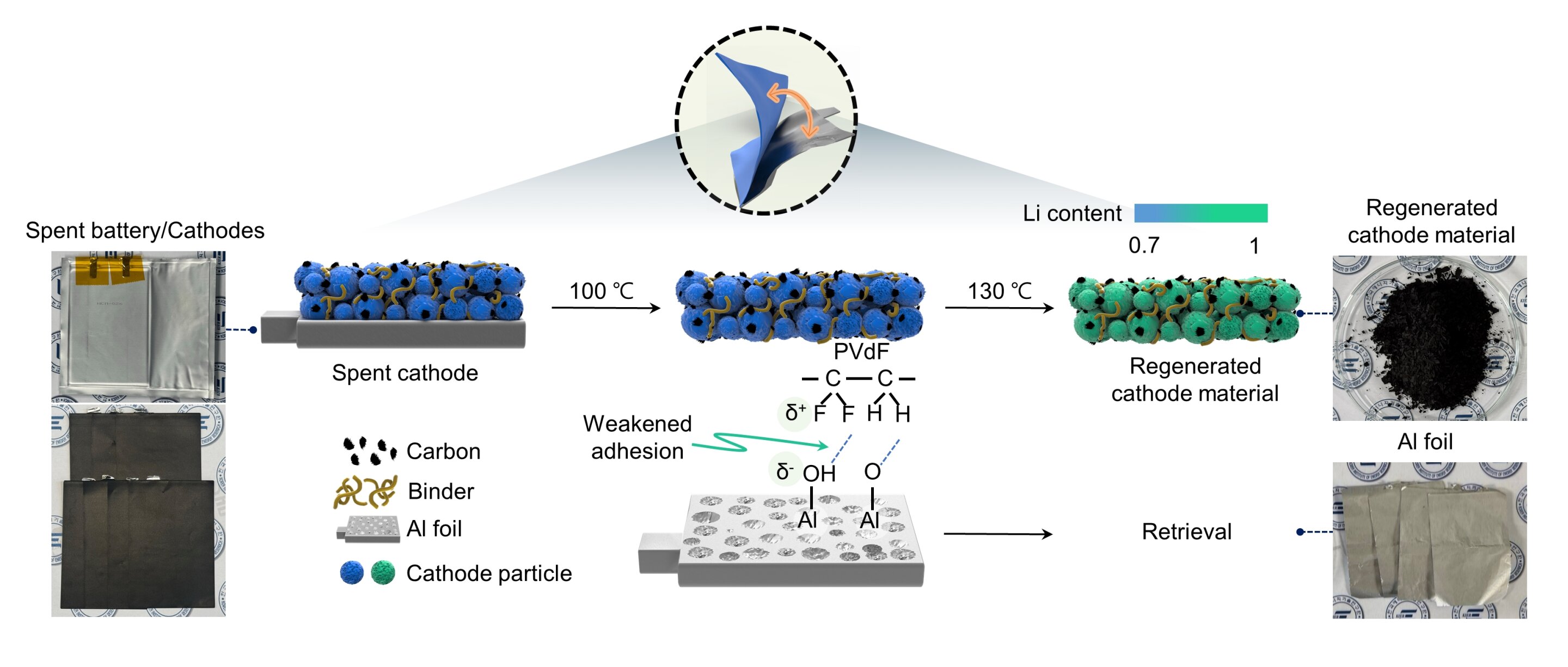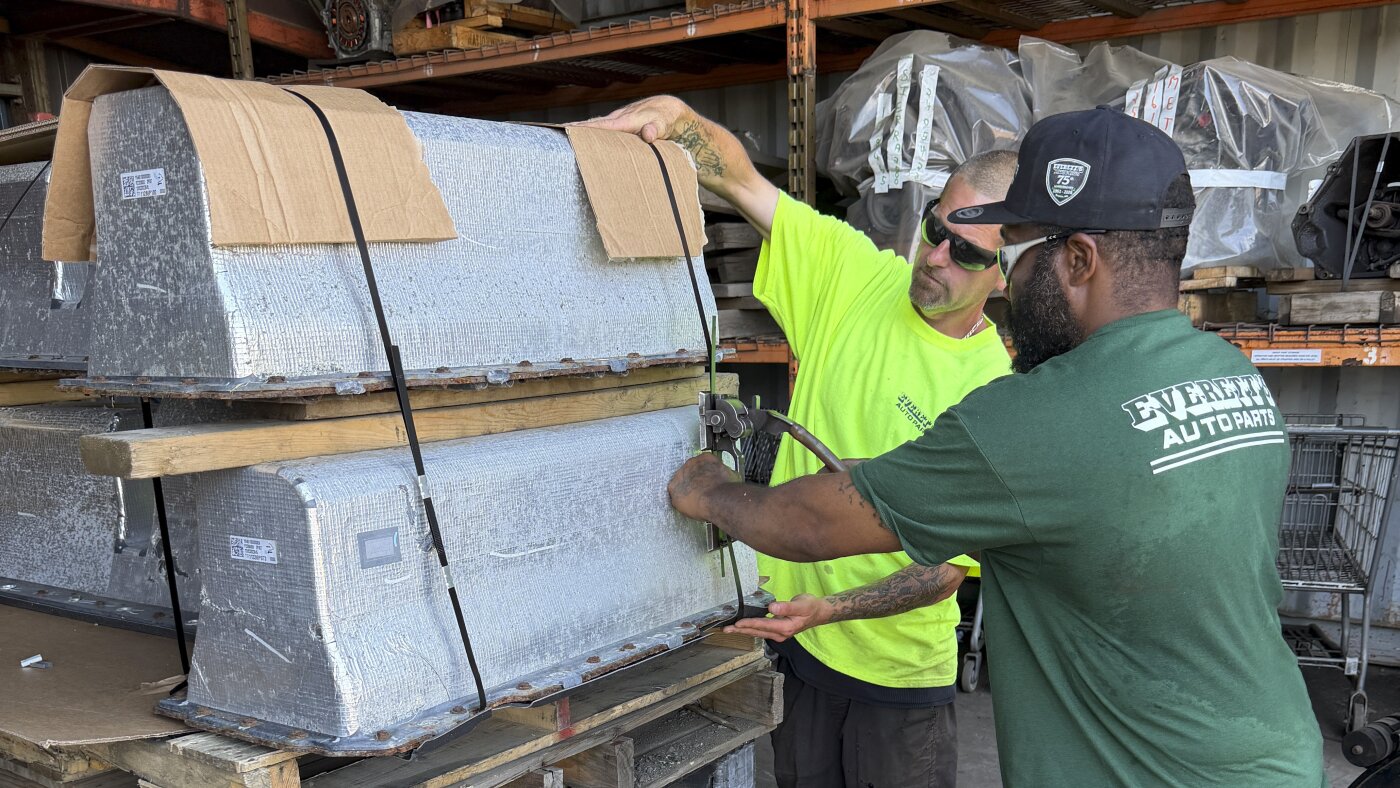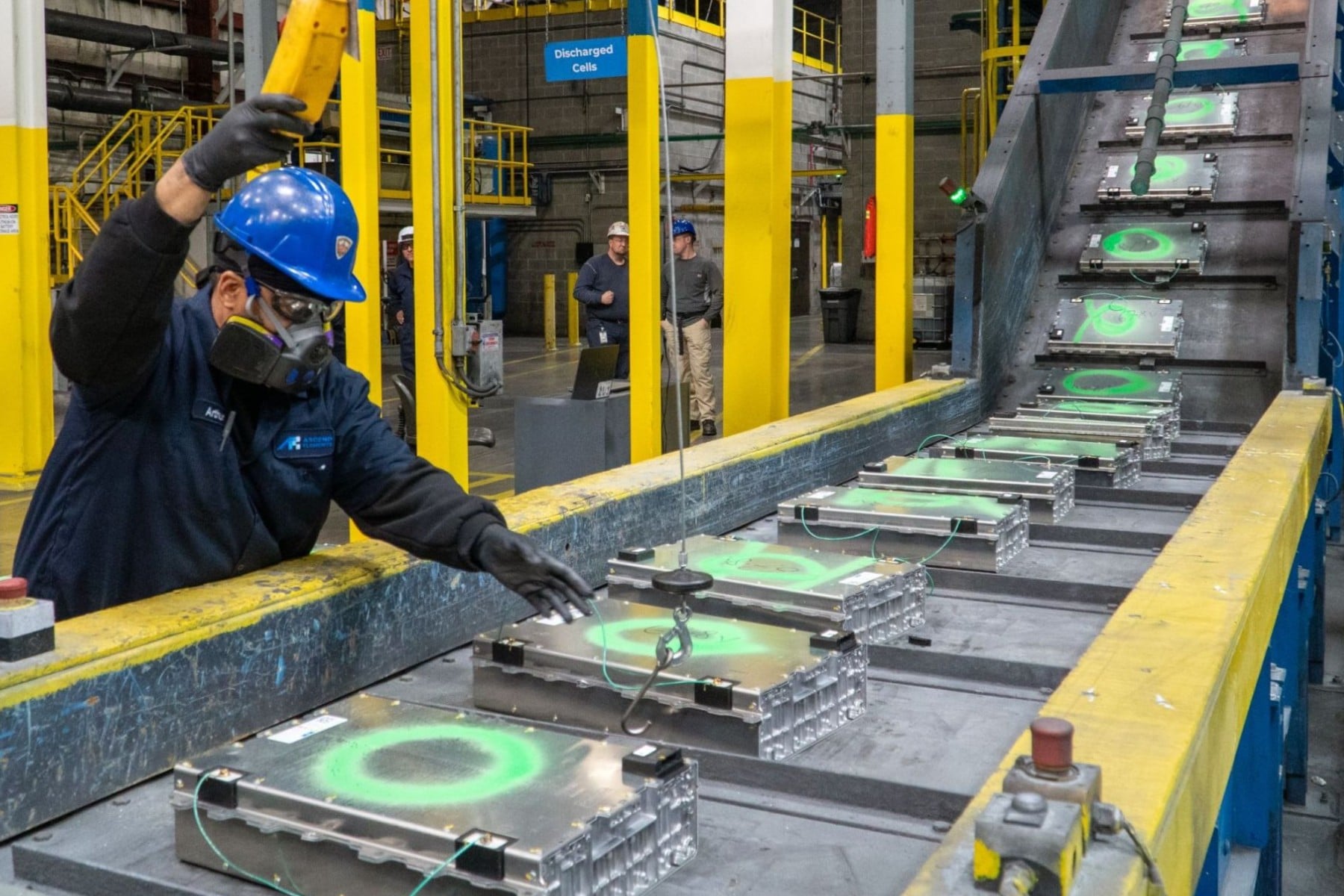
An interim report by the HHL Leipzig Graduate School of Management, conducted as part of the European research project Safeloop, has identified several cost drivers that currently make battery recycling uneconomical in Europe. These include transport of hazardous goods, disassembly of battery packs, and uncertainties in material recovery. Transport costs are particularly high, as removed lithium-ion batteries are classified as hazardous goods and, according to the study, incur transport costs that are on average 16 times higher than those for standard freight.
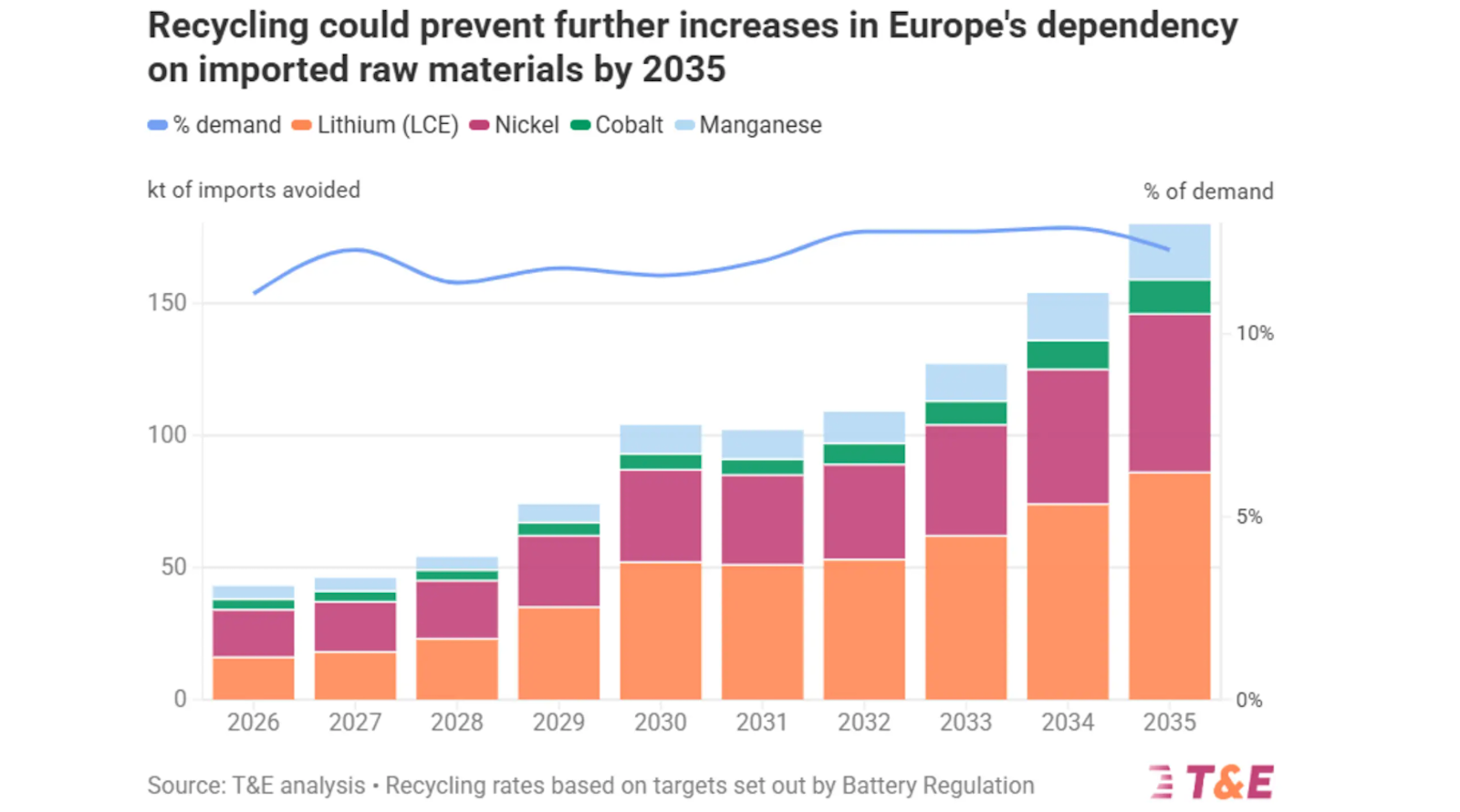
It comes as no surprise then that companies specialising exclusively in battery recycling underperform economically compared to those with a broader business model. The economic viability of recycling is also critical in light of the EU Battery Regulation (Batt-EU-AnpG) introduced in 2025. This regulation stipulates that, as of August 2031, specific minimum proportions of raw materials used in new vehicle, industrial, and starter batteries must be sourced from recycling. The researchers at Safeloop have modelled the potential impact of current recycling losses on battery costs. They found, assuming a 20% recycling quota and full pass-through of losses, a battery pack could become around 6% more expensive.