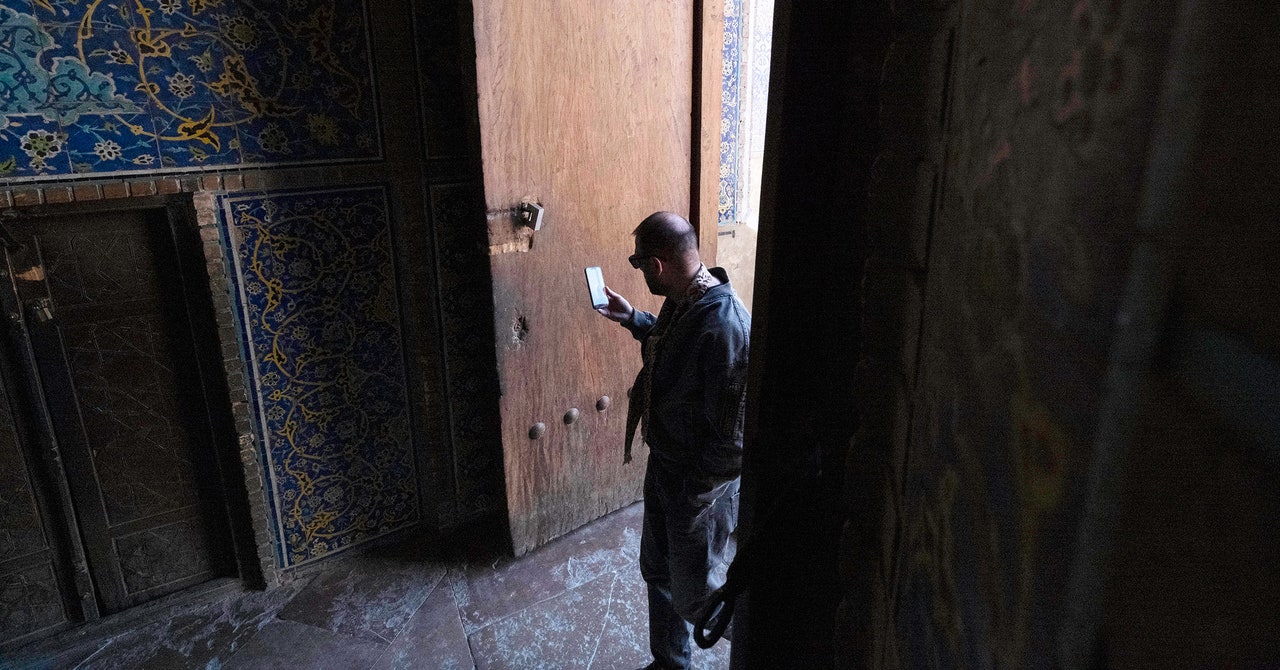
Cutting off SIM cards has emerged as one of the more effective tools available to Iranian authorities seeking to punish critics and civil society activists, with consequences that go well beyond losing mobile phone service.Because access to banking, government, insurance, judicial, and even educational services in Iran is now tied to a verified mobile number and one-time SMS codes, cutting off a person's SIM effectively locks them out of a wide range of essential services and civil rights.One woman, Donya Rad, said she recently discovered she could not renew her car insurance because a new mandatory rule requires registering one's address through a state housing portal -- a process that requires an SMS verification code she could not receive.
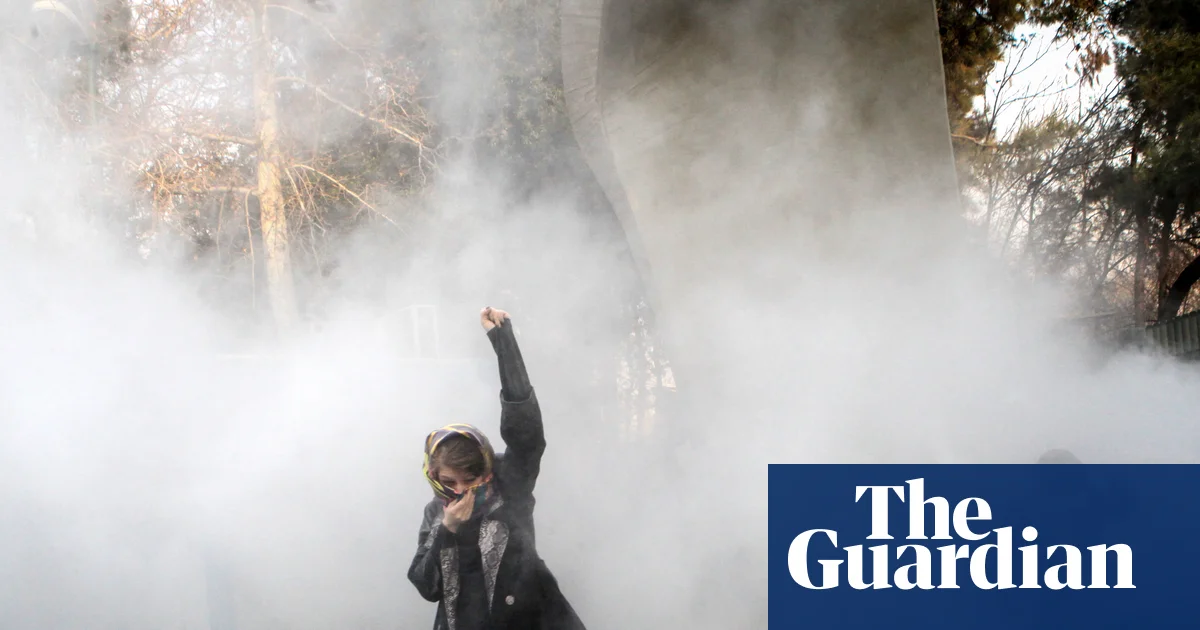
She wrote on X that SIM cutoffs have become so routine over the past two or three years that people talk about them the "way they complain about traffic or the weather." She described it as "a punishment that arrives before any legal charges are filed."Mahsa Safaei, a car mechanic who posts content on Instagram, said her SIM was cut off three years ago because she appeared in videos without a head scarf and in short sleeves. "You asked what I did wrong? What I did was earn an honest living," she said in a video. "It's been three years."Ali Akbar Gorji, a professor of constitutional law, and journalist Saeideh Shafiei both had their SIM cards blocked without warning; both said that when they sought to have the blocks lifted, they were told to delete certain critical social media posts and write 20 posts defending the Islamic republic.The PrecedentThe tactic emerged following the 2022 nationwide protests that gave rise to the Women, Life, Freedom movement and intensified further following the 12-day war with Israel in June 2025.A mobile number in Iran's digital infrastructure now functions as a form of identification used to receive one-time codes, meaning a cutoff can trigger a chain reaction across other services.