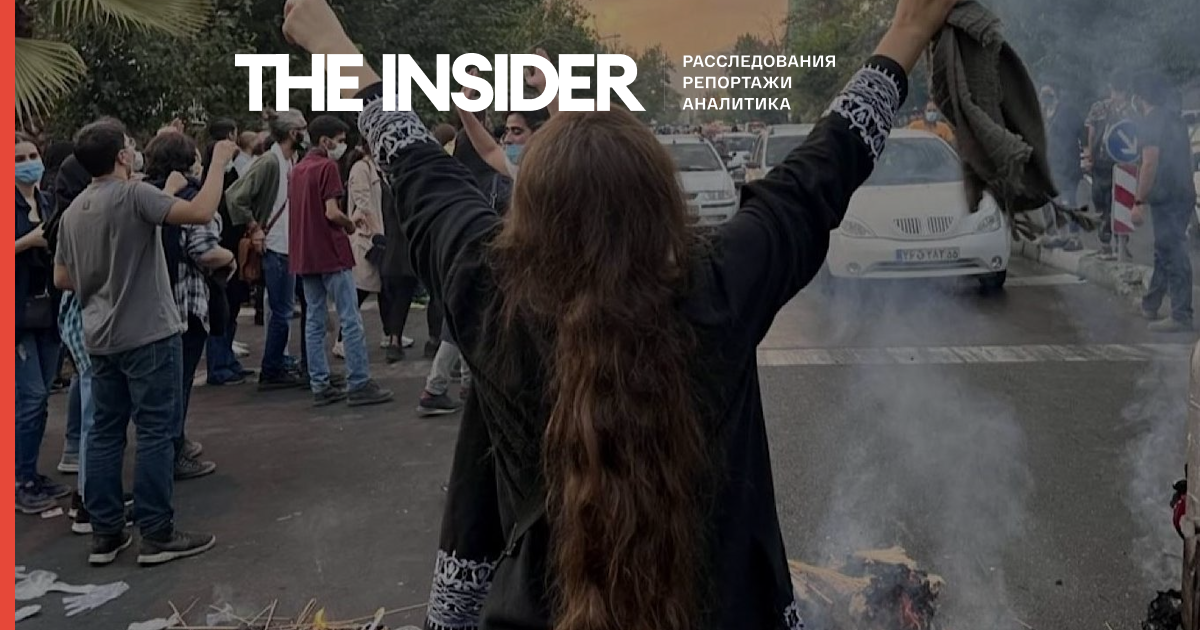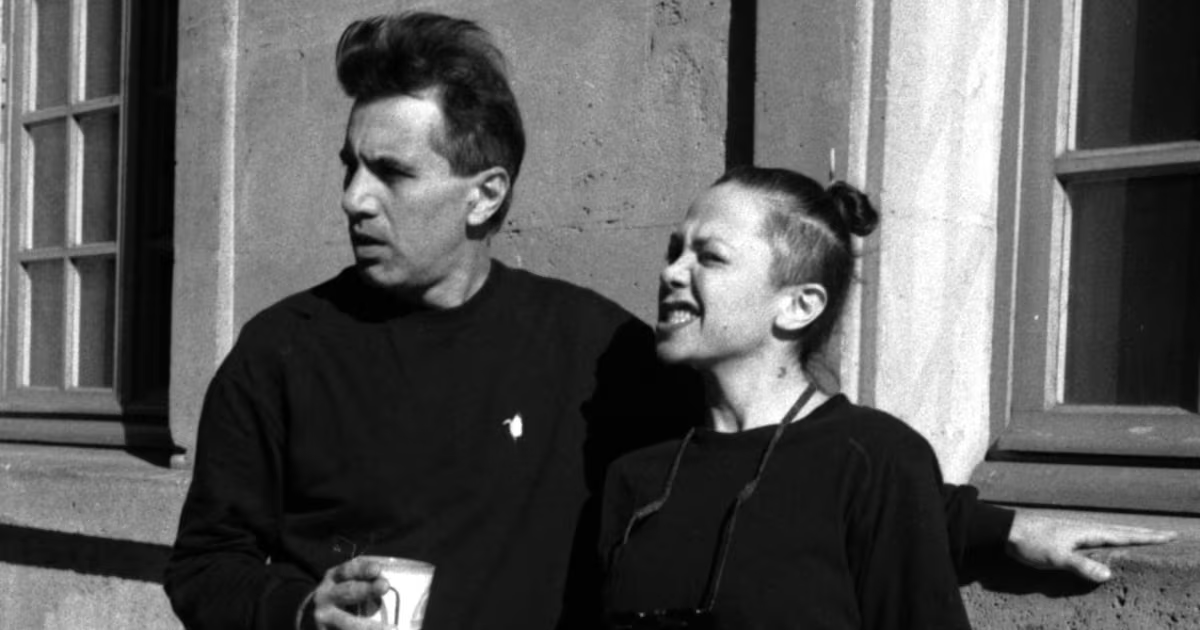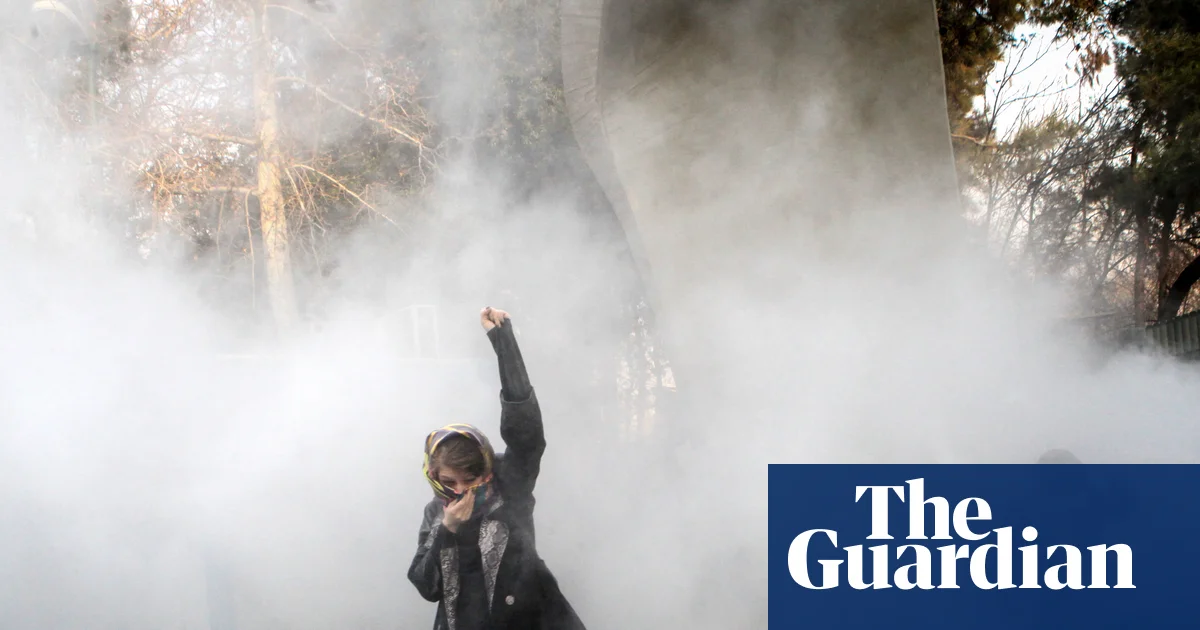
Iran has taken the first step towards criminalising contact with foreign media, in a move human rights groups have said attempts to “sever the entire Iranian society from the rest of the world”.For journalists, researchers and even ordinary citizens, the proposed law being discussed by Iranian lawmakers this month could make speaking to international audiences and groups a potential criminal act and restrict coverage of events such as January’s mass anti-regime protests.Even social media platforms that the regime considers to be “financed” by another country, such as Instagram and X, would fall under the bill, said Moein Khazaeli, an Iranian human rights lawyer at Dadban, a legal counselling centre for Iranian activists.“It means any kind of interview, contact, or sending photographs to them [foreign media or organisations] could lead to six months to two years’ imprisonment. Not just the US and Israel, but any contact with foreign media in any country could be considered a crime if one doesn’t inform the intelligence ministry beforehand,” said Khazaeli.Among the recent examples of the risks facing Iranian journalists is the case of Yalda Moaiery, an acclaimed photographerwho was sentenced this month to 15 years in prison in Tehran for documenting the US-Israeli war on Iran.The Iranian photojournalist Yalda Moaiery, who was sentenced in absentia to 15 years in prison for her work covering the US-Israeli war in Iran. Photograph: Santiago Mejia/San Francisco Chronicle/Polaris/eyevineAlthough Moaiery was charged under the espionage law introduced after last year’s 12-day war between Iran and Israel, Khazaeli said the new bill signalled a broader effort to regulate and punish contact between Iranians and foreign media and institutions. “It could move [Iran] to a North Korea kind of situation,” he said.Moaiery, 44, has spent two decades covering the harsh realities faced by people in Iran, including the nationwide Woman, Life, Freedom protests in 2022 and the anti-regime protests that led to thousands being killed in January.She came to international prominence in 2019 after criticising Trump’s use of one of her photos of a woman at a demonstration near Tehran University, saying Trump’s sanctions were damaging Iranian lives, including those of her friends and family. “This image shows my people and is for my people, and shouldn’t be abused by these men in Washington,” she wrote.Now, in a cruel irony, Moaiery said she had been sentenced in absentia for her work covering the US-Israeli war in Iran and accused of media activity deemed to strengthen and aid Israel and the US.“I have been a critic of Israel and its policies all my life. I am not an Israel supporter, never, ever. And I have always been a critic of American politics. It was like something that you are against, and they want to stick it to you. So it’s hard. It’s super hard,” she told the Guardian.
Iran seeks to criminalise all contact with foreign media in latest ‘chilling’ crackdown
As photojournalist sentenced to 15 years, rights groups warn law would turn civic engagement into security crime
713 words~3 min read