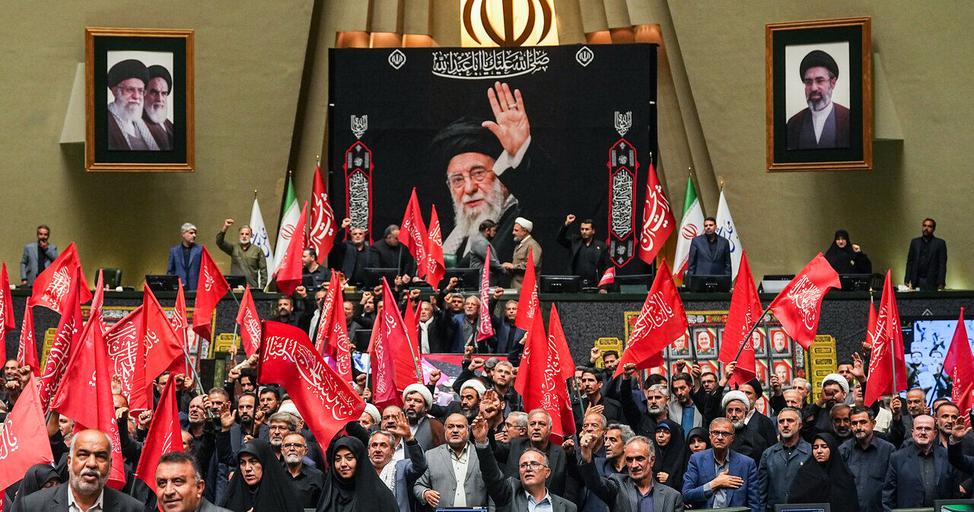
Iran's rubber-stamp parliament recently approved the broad outlines of a bill imposing new restrictions on contacts with foreign institutions, media and organizations, as authorities seek to expand the legal framework for combating what they describe as "foreign influence."
Under the version advanced on Sunday, contacts with foreign media, cooperation with overseas universities and research institutions, communication with foreign embassies and organizations, and the receipt of foreign financial support could be banned, require prior authorization or carry criminal penalties.
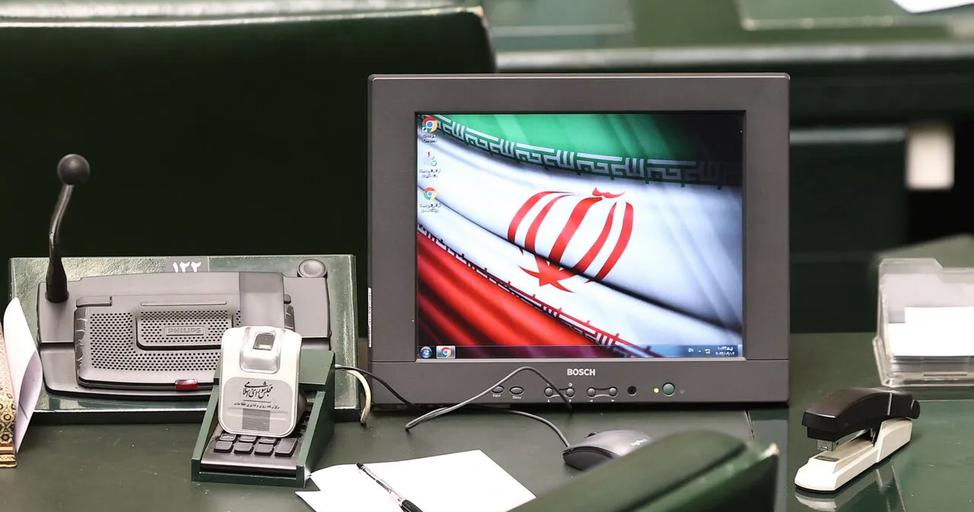
The text is still subject to final approval and must be passed by the 12-member Guardian Council before becoming law. Although Iran ostensibly holds elections for parliament, any candidate must be approved by the unelected Guardian Council, which is loyal to the Islamic Republic's ruling clerics.
Proponents of the bill say it is in response to increased activities of foreign intelligence services, governments and institutions. They also argue that while espionage is already covered by Iranian law, there is no clear legal framework for addressing foreign "influence."
Iran already an information black hole