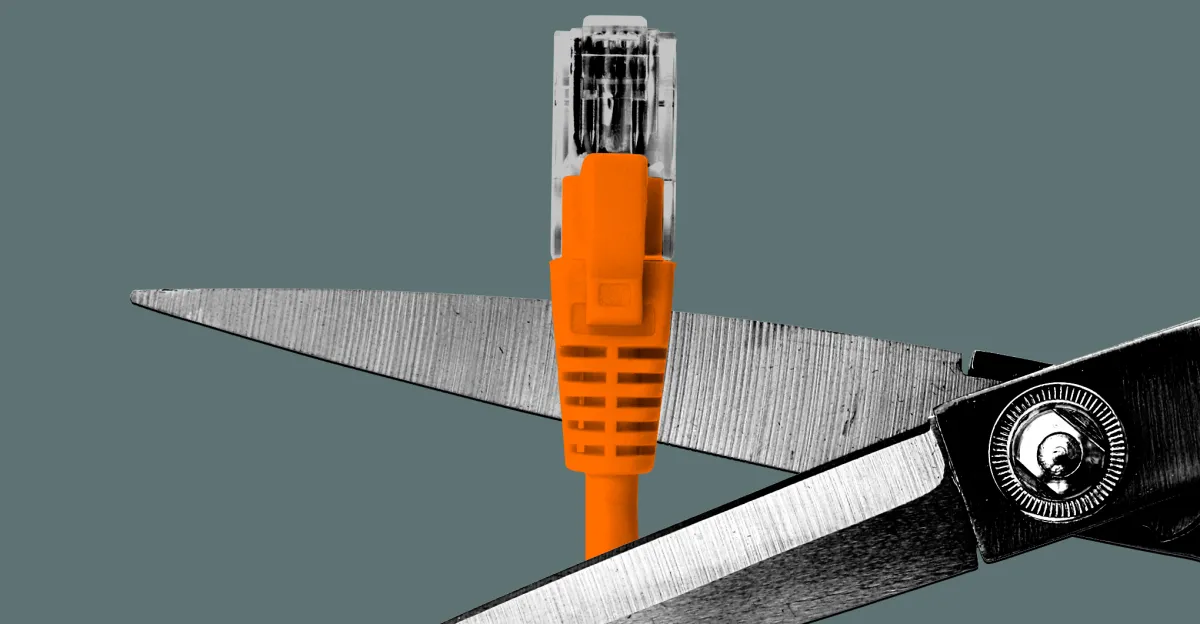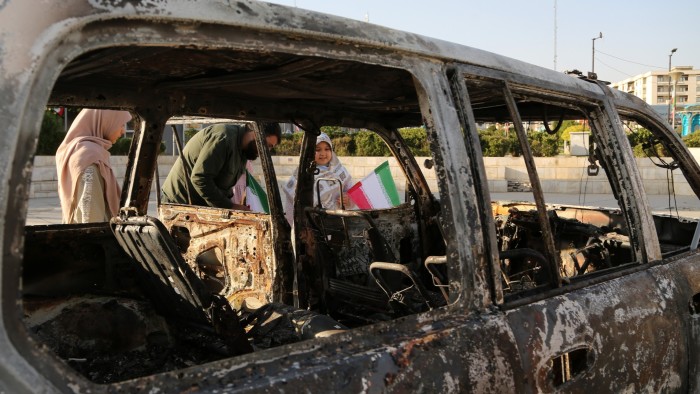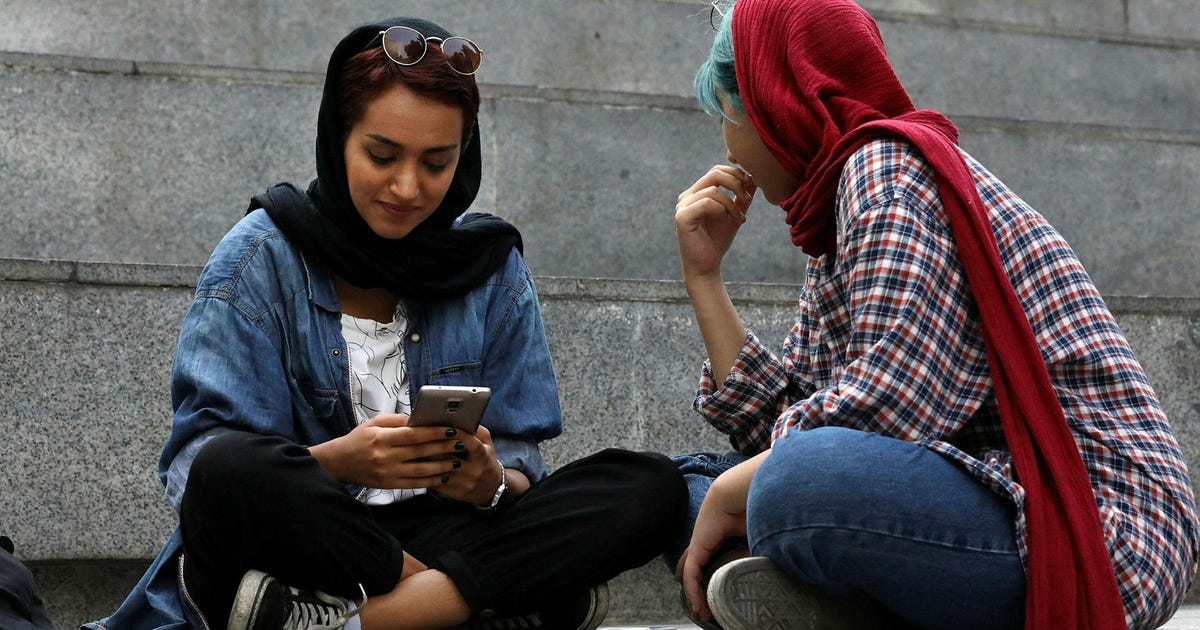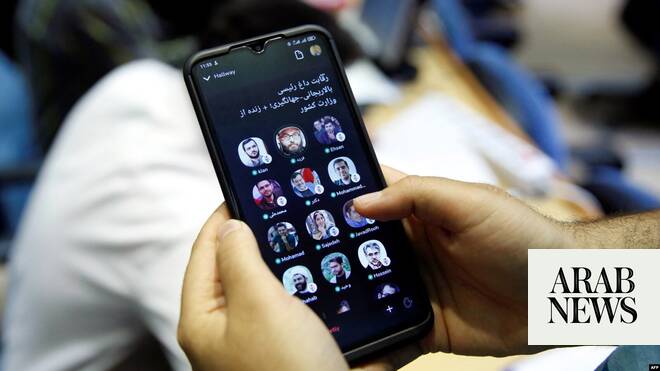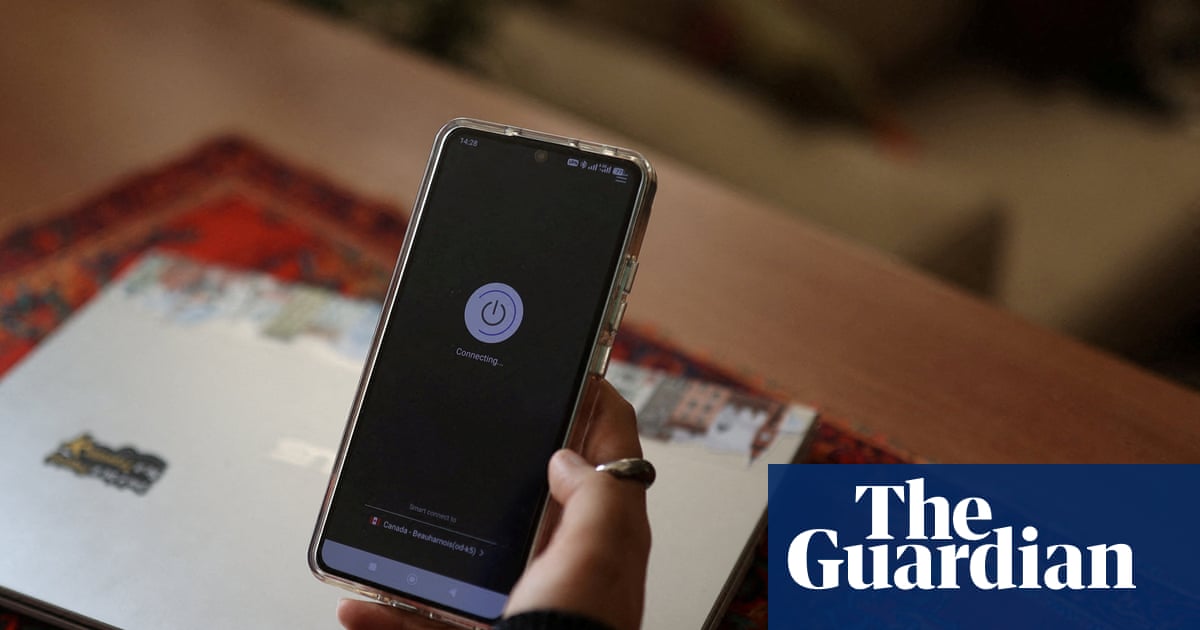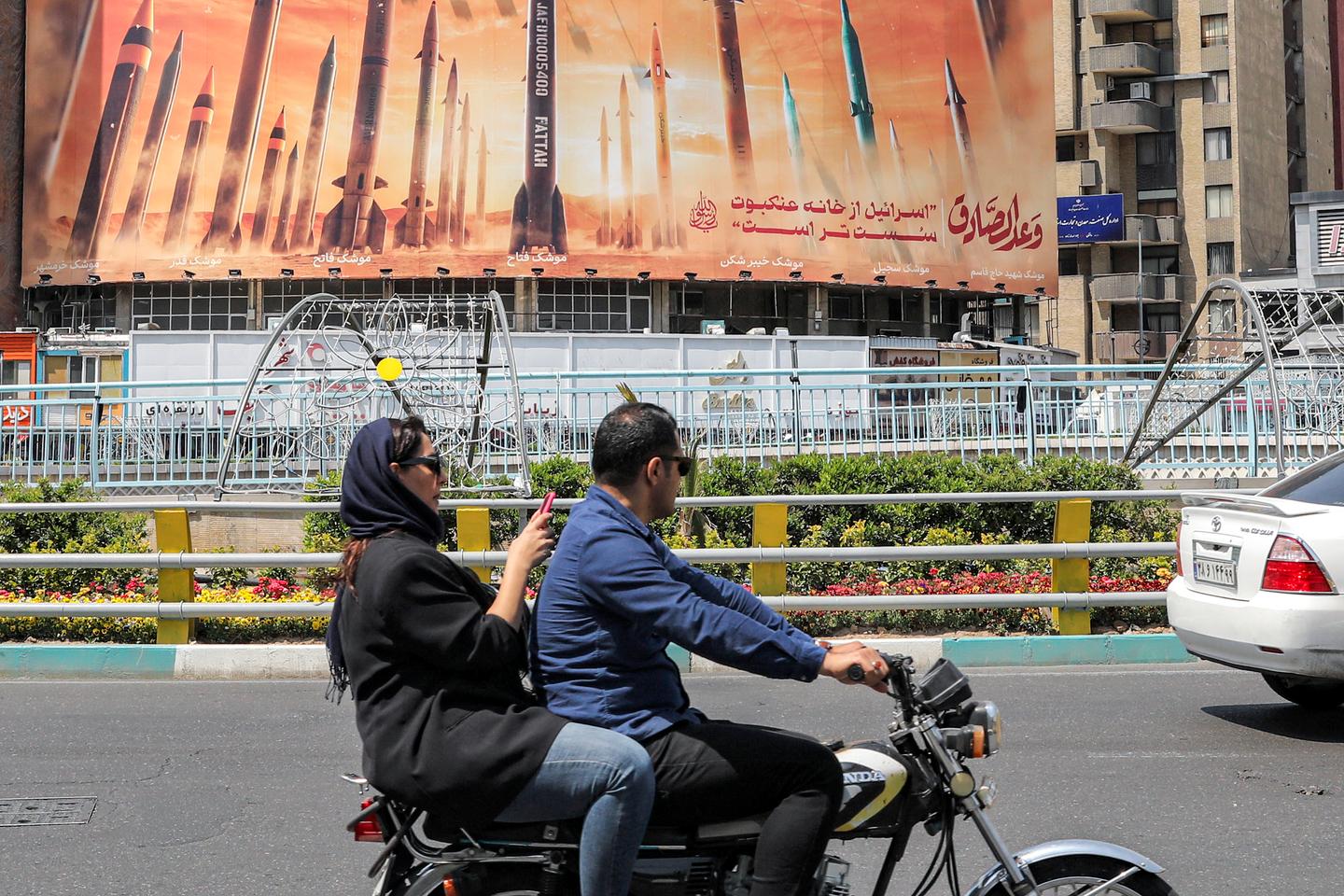
FOR YEARS, THE Iranian regime has been building the technology and infrastructure needed for it to control, censor, and shut down internet access for more than 80 million Iranians. In 2019, the country shut off internet access as police sought to silence protesters, while in 2022 WhatsApp and Instagram connections were severed following protests after the death of 22-year-old Mahsa Amini in police custody. Each shutdown deprives people of information and has huge economic costs. Now as the conflict between Israel and Iran approaches the end of its first week, internet connections within Iran have been restricted again, limiting people’s access to information and stopping them connecting with loved ones who may be in peril.
Hours after Israel’s Air Force bombed targets in Iran on June 13, escalating the shadow conflict between the two countries, the first reports of self-imposed internet disruptions inside Iran emerged. Iran’s Ministry of Communication, according to semi-official state news agency Tasnim, said “temporary restrictions” had been imposed due to the “special conditions” the country was facing. Since then, Israel and Iran have traded fire, continually raising the stakes in the conflict. US president Donald Trump has indicated, but not confirmed, that the United States could support further Israeli efforts to destroy Iranian nuclear facilities.