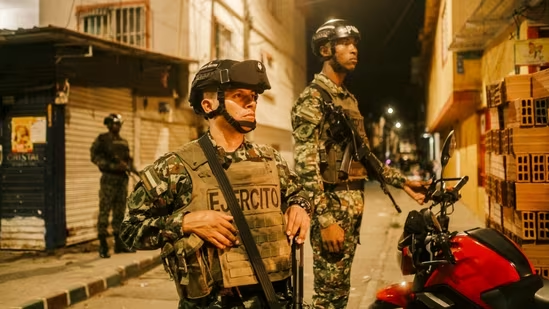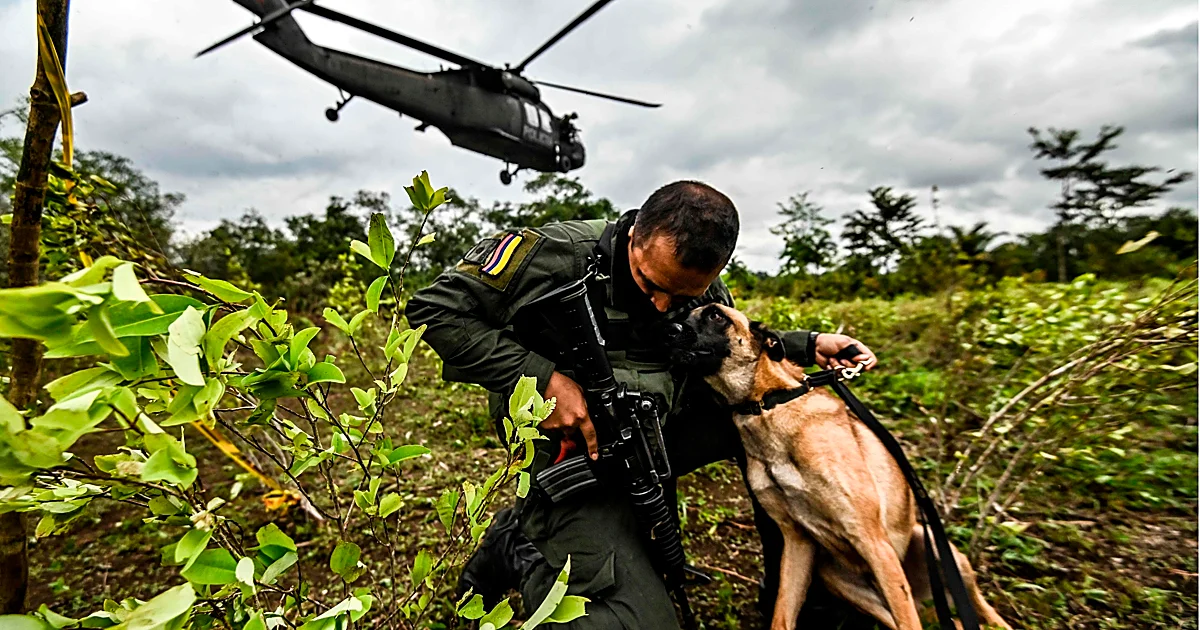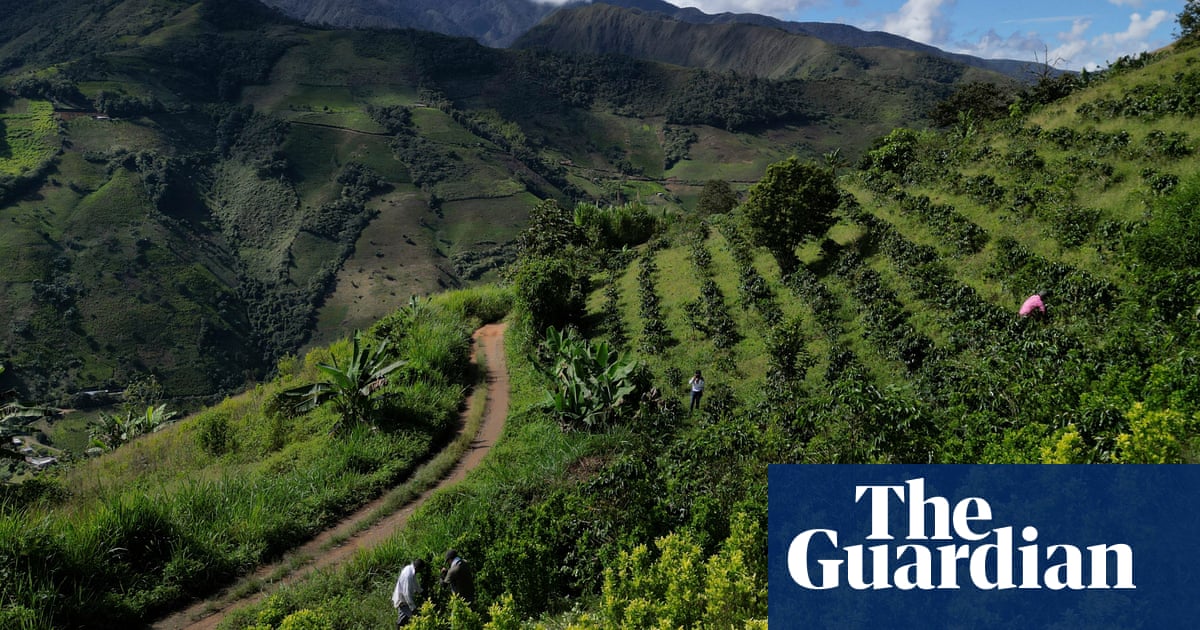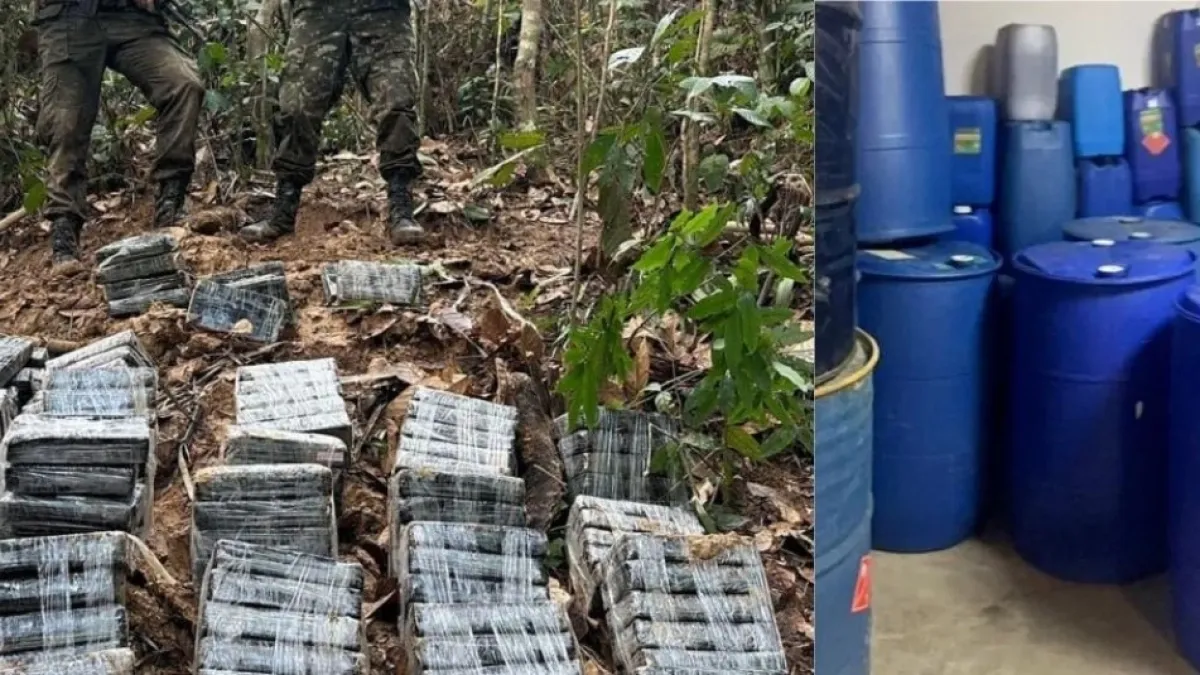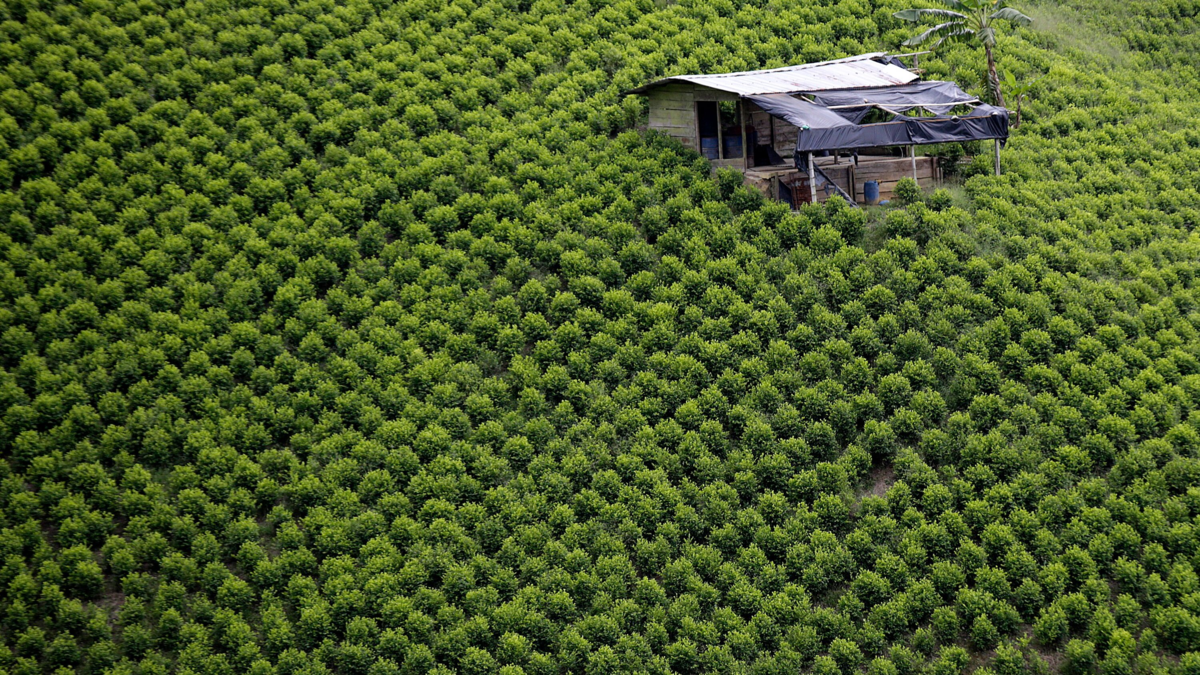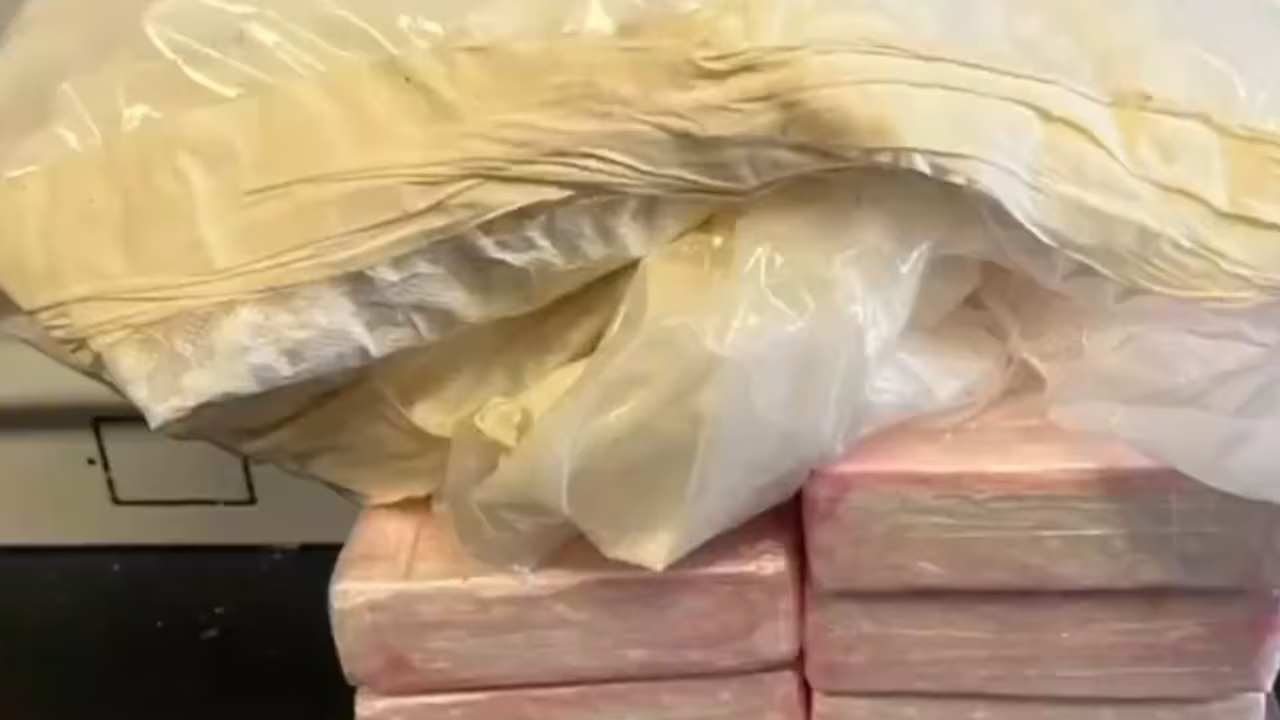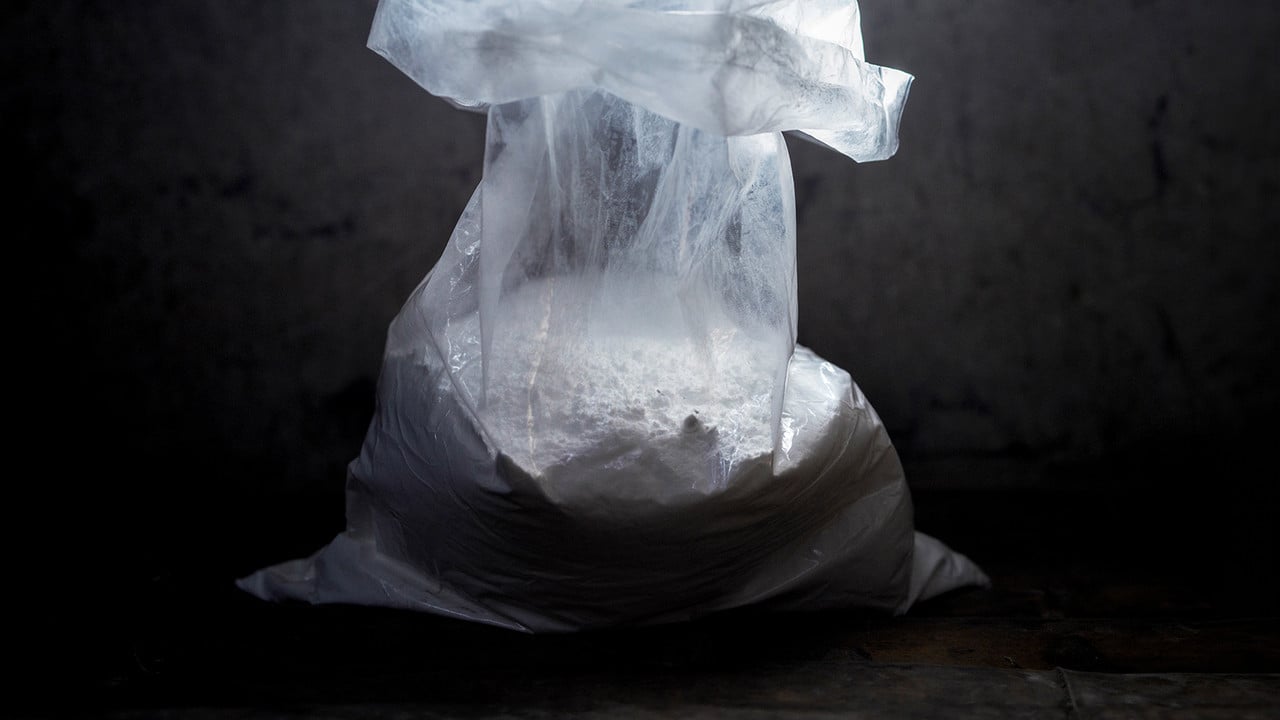
August 28th 2026That is life here: war, war and war.” Brian, a gang member from Potrero Grande, a neighbourhood in Cali, Colombia’s third-largest city, has carried a gun since he was 15 years old. “My hand doesn’t shake anymore,” he said. “Sometimes you have to do things you shouldn’t do to survive around here.” Potrero Grande sits on the banks of the Cauca river, an artery of the country’s cocaine trade. Most of the inhabitants have fled from the drug cartels who wreak havoc in Colombia’s countryside. They are funnelled downstream, and, with few other opportunities available, many end up joining the same cartels from whom they fled. Gang members like Brian are often hooked on the drugs they sell. The pavements are littered with basuco wrappers, brightly coloured scraps of paper containing crude coca base, a cheaper street version of cocaine. “There are no jobs for us,” said Brian. “You leave your résumé, but no one ever calls. But then someone comes offering you a motorcycle just to do this one thing. And you go do it. You kill this guy, you get all this money, and hey, that is how you get started.”Brian’s story is one that Mads Nissen has heard many times before. Since 2016 Nissen, a Danish photographer, has been following the cocaine trail back to its source. He has photographed kingpins and footsoldiers in rainforest drug laboratories amid the haze of petrol, and travelled to the remote farms on the slopes of the Andes where coca plants are cultivated. The cocaine made from the plants grown there will travel thousands of miles. Some will be bought on the back streets of Cali and Medellín, but most of the supply will continue on to the seaports of Tumaco and Buenaventura, Colombia’s main gateways to the Pacific Ocean. From there, it will be smuggled into container ships, or fully submersible vessels called narco-submarines. Eventually, the cocaine will reach Europe’s boardrooms and bars, toilets and trading floors. An estimated 25m people use cocaine worldwide, according to the United Nations; around 22% of them are in Europe. Cocaine production has reached an all-time high to meet growing demand. Since 2024 cocaine has overtaken oil as Colombia’s single biggest export; the country is the largest producer of the drug, responsible for about 70% of what’s sold across the globe. You have to join the dots, said Nissen. “What’s happening in Latin America is very connected with what’s happening [in Europe] and what is happening here is not just a margin of society, whether it’s the party people or the hardcore drug abusers. We’re talking about the democratisation of the drug.” Colombia is well positioned to profit from cocaine. Sharing land borders with five countries, and with maritime access to the Pacific, Atlantic and Caribbean, the country sits at a crossroads for many smuggling routes. And a history of bloody civil war has spawned armed militias which are now keen to facilitate a drugs trade worth some $15bn. Colombian farmers are often forced by narcos to plant the crop. Bloodshed is an effective business strategy: the threat of land theft or murder deters resistance. Cartels embed themselves in remote communities, and profit from ties to politicians and police. “Many people say, in the daytime they come in uniform, in the night-time they come without,” said Nissen. “But it’s the same people, and sometimes even with the same guns.” Colombia’s new right-wing president, Abelardo de la Espriella, previously worked as a lawyer, defending clients with ties to paramilitary groups and narco-trafficking. He has now promised to wage “all-out war” on the drug cartels, supported by the United States, which has pledged a $1bn security package to help him. All previous attempts to suppress the trade have failed. On Espriella’s first day in office, two bomb attacks by guerrilla groups left one police officer dead and several people wounded. The message is clear: an “all-out war” will bring many casualties. In Cali, the local government is hoping to revamp the image of some of the city’s most troubled areas. Potrero Grande will be renamed Nuevo Amanecer, meaning “new dawn”—intended to signal a fresh start for the neighbourhood. But on the streets where Brian grew up, little has changed. “The politicians want to show the world that there is peace,” he said. “But here, between us, we are still killing each other. It is all a lie. There is no peace.” – Bathsheba Lockwood Brook Twenty-five-year-old Jesus Bautista lost his leg and was blinded in one eye after stepping on a landmine while deployed by the Colombian army to fight a drug cartel Members of Los Comandos Jungla pour petrol on equipment used in the cocaine production process
Inside Colombia’s cocaine factories
The $15bn drugs trade has touched every corner of society
788 words~4 min read