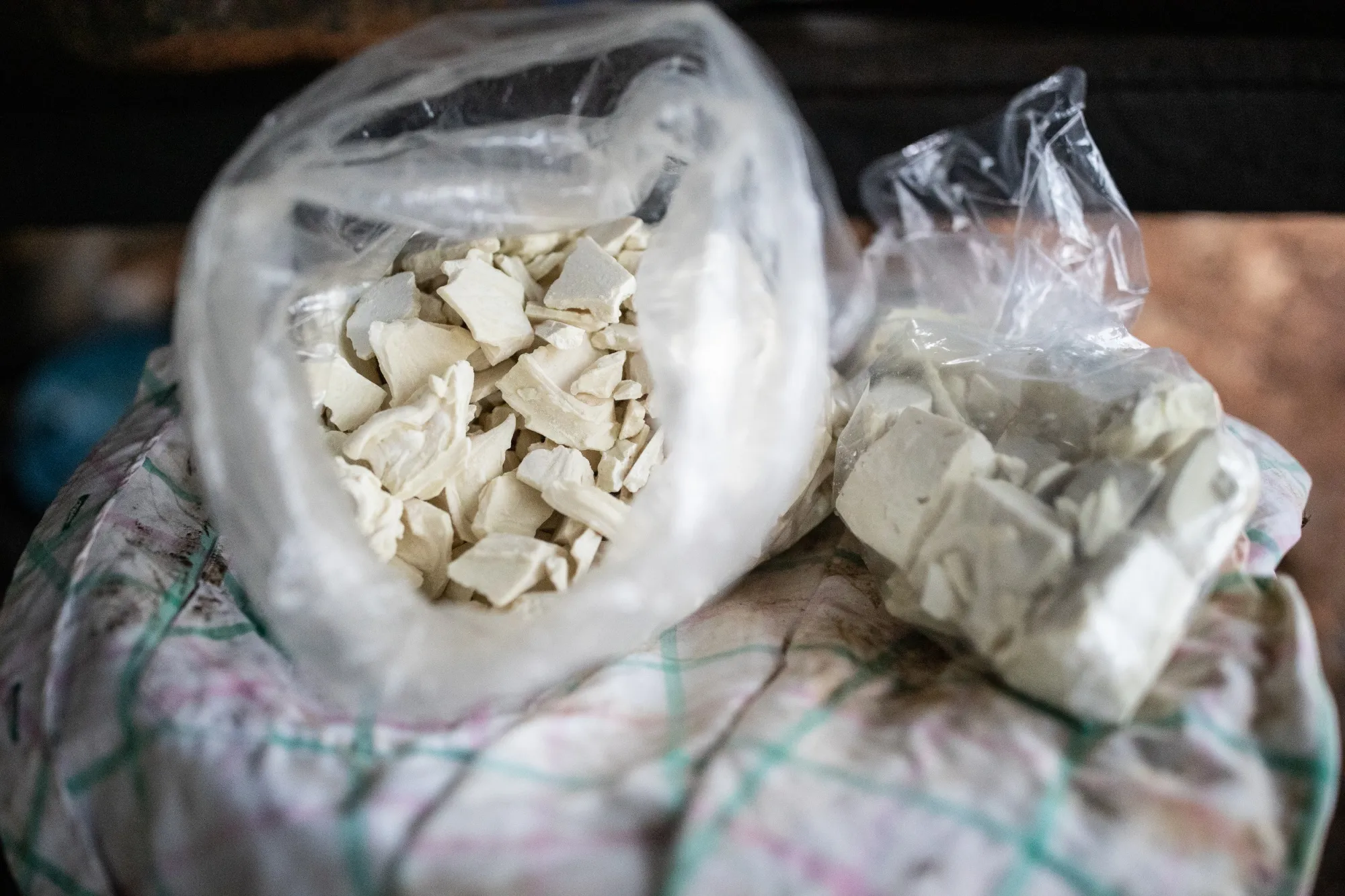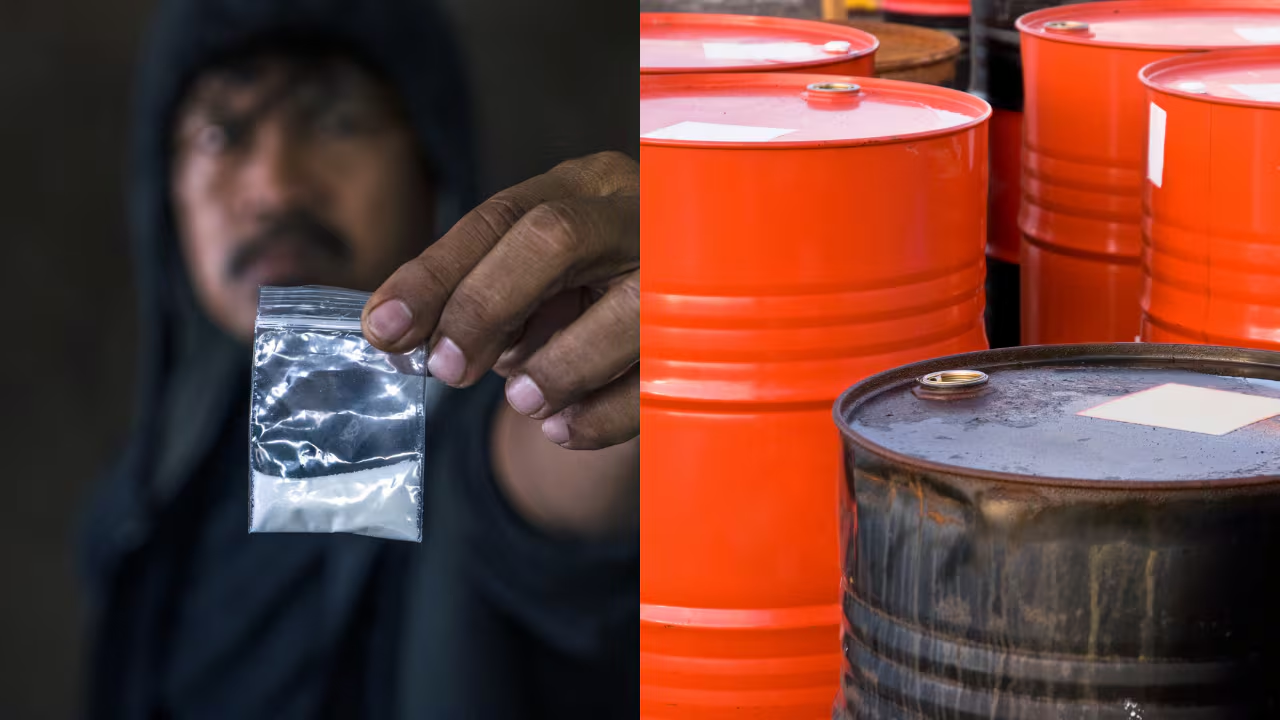
Drug lords in Colombia are making more money from cocaine than the government is making from crude oil sales, a report from a Colombian university has found. At $16.5 billion for 2024, cocaine revenues surpassed oil export revenues, which stood at around $15 billion that year, UPI reported, citing the research from EAFIT University.Oil export revenues, however, remain Colombia’s largest export revenue generator, the research showed. Together with coal exports, oil exceeds the illicit trade in cocaine. Still, cocaine revenues in 2024 were equal to 4.4% of Colombia’s gross domestic product—because output surged.“It is not that cocaine has become more expensive in the domestic market. On the contrary. What we are seeing is a massive increase in the volume of pure production,” one of the authors of the research, economist Santiago Tobon, said. Oil production in the South American country, meanwhile, has been on a consistent decline.State oil company Ecopetrol said earlier this year it expected average production of between 730,000 and 740,000 barrels of oil equivalent daily this year, which would be down from over 750,000 barrels daily as of the first half of 2025—and as much as 1.03 million barrels daily back in 2015. But that was before the Strait of Hormuz shut down for business and prices soared. When that happened, Ecopetrol’s chief executive said the company might adjust its capital expenditure plans for the year. Now that oil prices are back to pre-war levels, the adjustment may not need to be made.Set OilPrice.com as a preferred source in Google here.Then again, the oil production decline in Colombia has been going on for years, the result of guerrilla wars and sabotage of oil pipelines, falling investments, and natural depletion. “Today more investment is required to produce the same amount of oil, due to the natural depletion of the fields and the complexity of the operating environment,” the president of the Colombian Oil and Gas Association said last year.More recently, the Gustavo Petro government has made it a priority to shift Colombia from hydrocarbons to alternative energy, making a $40-billion bet on the energy transition. That bet, however, would need to be financed with oil money for lack of alternative sources of budget money.Colombia’s hydrocarbons agency said last year it expected proven oil reserves, those that can be profitably extracted at current oil prices, were 2.04 billion barrels as of 2024. These could even be estimated higher in 2025 as new technology and techniques allow for pumping more crude from existing fields. Yet the Petro administration’s policies that deliberately aim to reduce oil production have acted as a headwind to the tailwind of new extraction techniques.Since 2022, when he took office, Petro has banned new oil exploration and substantially increased the tax burden on all extractive industries. Some would argue this is not the wisest way to treat the industries that generate the biggest chunk of foreign exchange revenues for the state, but the Colombian president did run on an energy transition platform and Colombians voted for him. As a result, the country earlier this year became dependent on natural gas imports because its own gas production rate was too low to satisfy domestic demand. This is likely to change, however, after the Left lost the presidential election this week to a candidate the media describes as a “hard-right populist”. The winner, Abelardo de la Espriella, has been campaigning for more, not less, oil and gas production.It seems that Colombia may see an energy policy turnaround similar to the one that Donald Trump prompted in the United States. Such a turnaround will probably not bring back foreign investors immediately, but it would certainly help the Andean country change the ratio between illegal cocaine and legal oil in its export revenue mix and reduce its dependence on energy imports.By Charles Kennedy for Oilprice.comMore Top Reads From Oilprice.comADNOC Cuts Murban Crude Price to $101.48 as Hormuz Tensions EaseMiddle East Fuel Oil Exports Set to Hit Four-Month HighIraq Could Quit OPEC in Bid to Pump More Oil
Colombia's Cocaine Trade Now Outearns Its Oil Exports | OilPrice.com
Cocaine revenue topped Colombia's oil exports in 2024, a new study found, as production keeps sliding under Petro's drilling ban.
666 words~3 min read