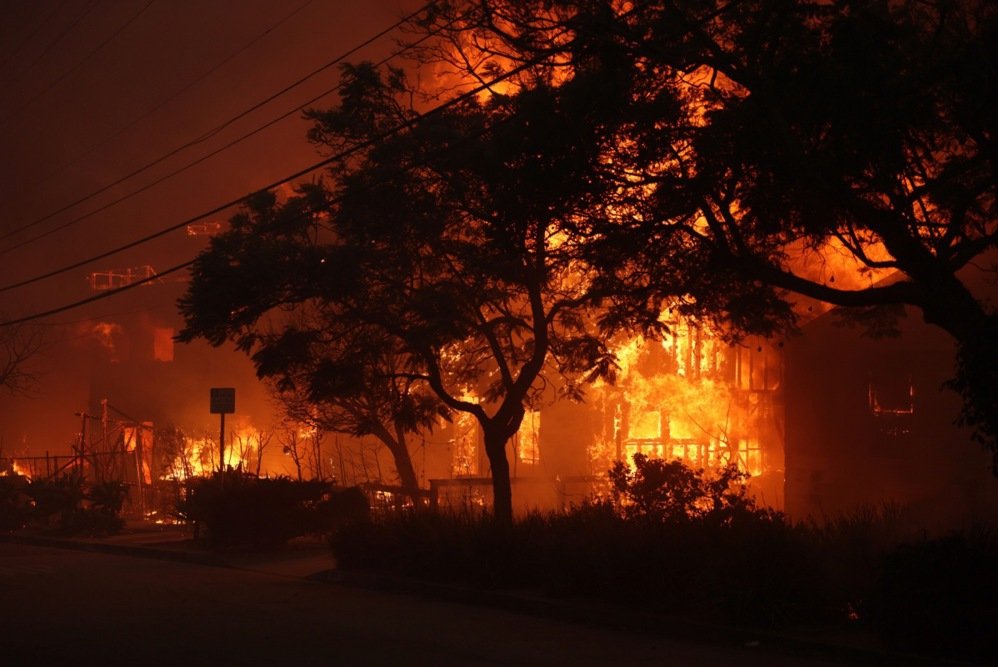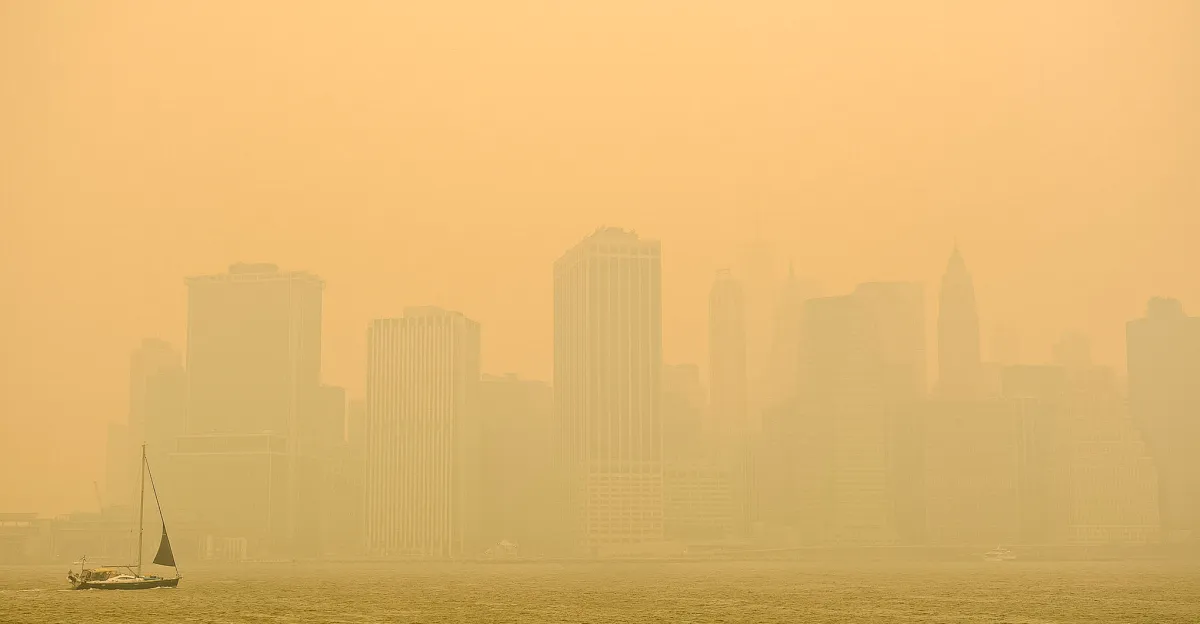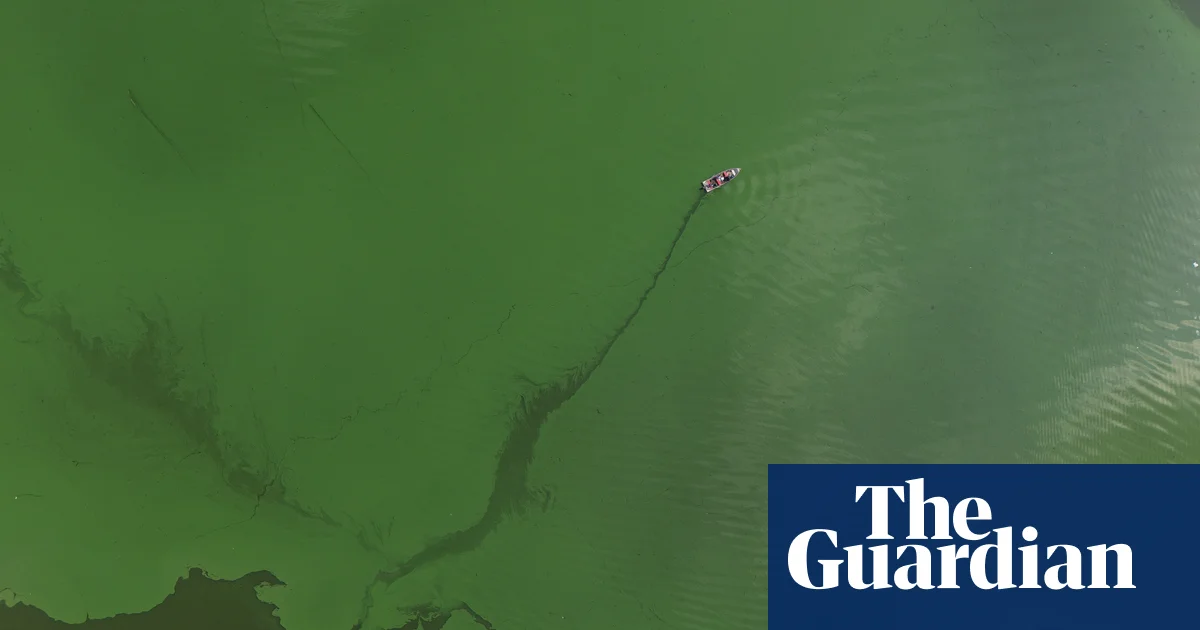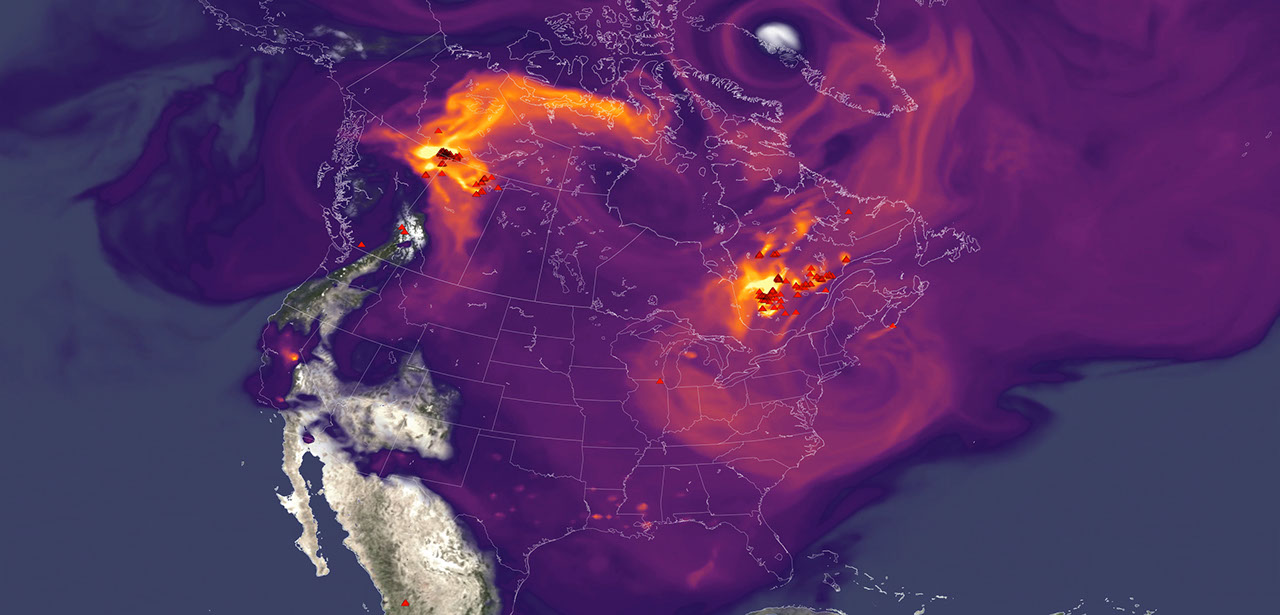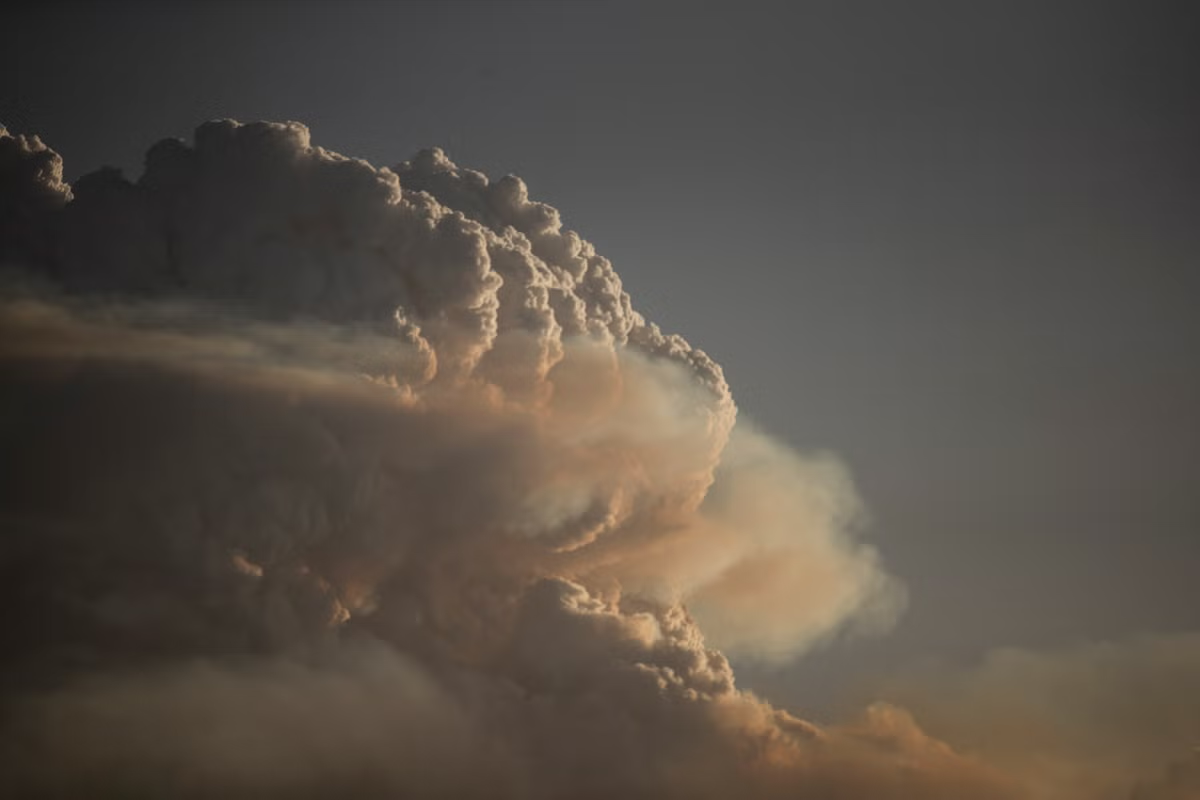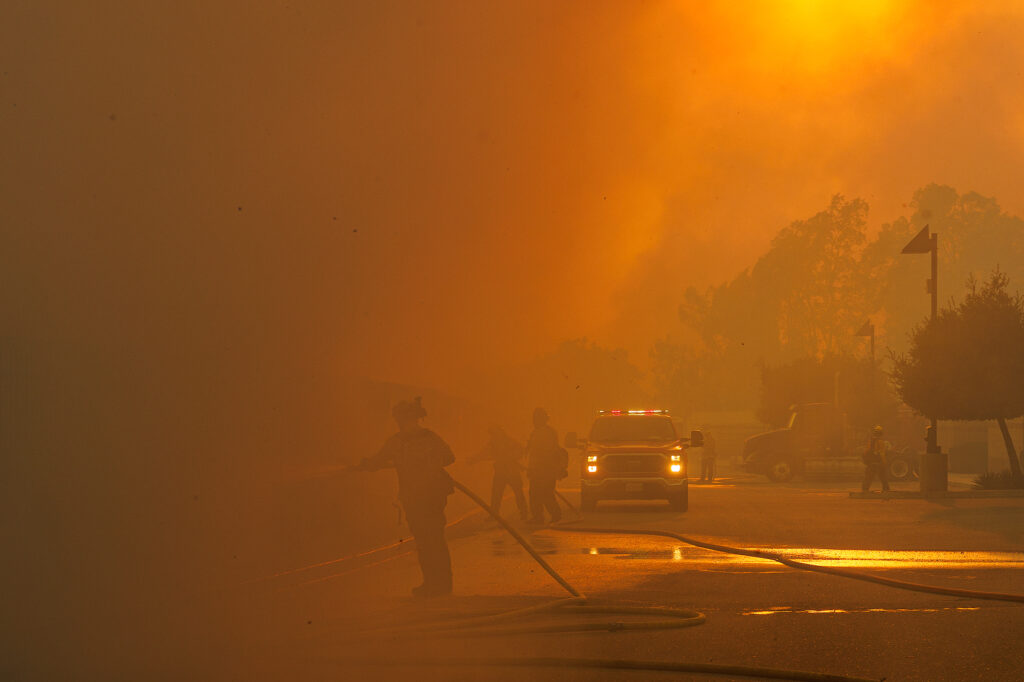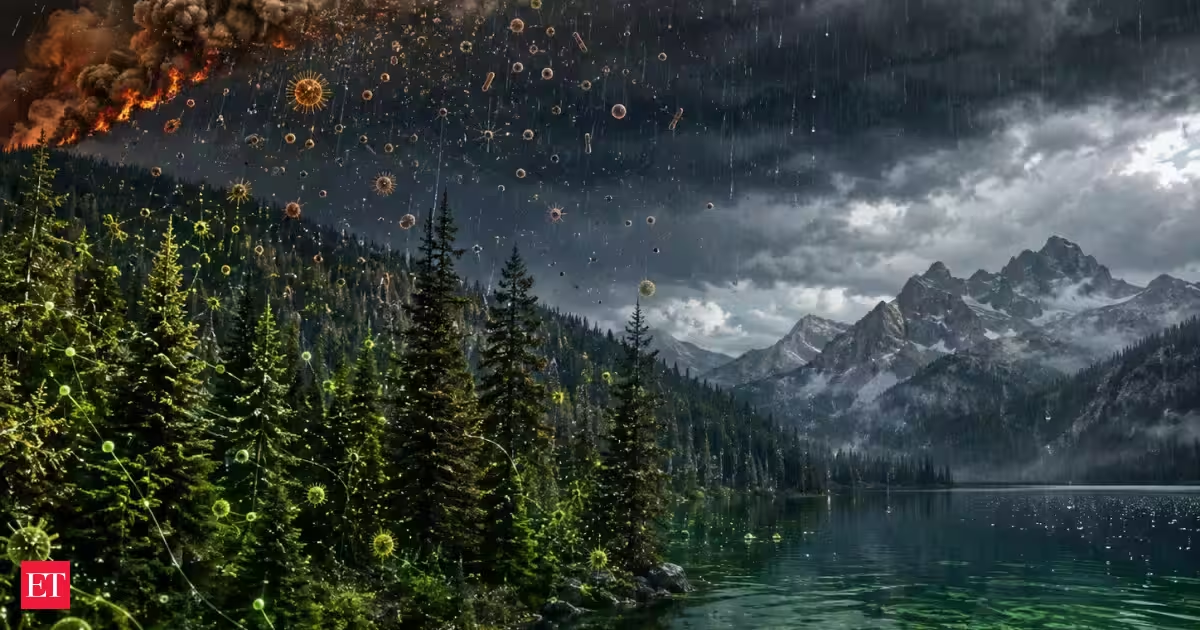
Imagine standing in your backyard under a dark, overcast sky as the first drops of summer rain begin to fall. Thousands of miles away, massive wildland fires have been burning, sending vast plumes of smoke and ash high into the atmosphere. As the rain falls through those drifting plumes, it washes out microscopic particles of nitrogen, phosphorus, and potassium—the exact nutrients plants need to thrive. Long before the sky clears, that downpour has delivered a silent, liquid payload of natural fertilizer directly to the soil and water below.Beyond Air Quality: The Hidden Side of Wildfire SmokeWhile most conversations about wildfire smoke focus on poor air quality and health risks, scientists have uncovered a surprising side effect of drifting fire plumes. When smoke mixes with rain, it creates a phenomenon known as a "smoke-rain day," transforming regular rainfall into a nutrient-rich bath for the ecosystems underneath.Tracking Smoky Rain Across North American EcosystemsAccording to a 2026 study published in the journal Global Change Biology, researchers led by Alexandra G. Ponette-González at the University of Utah, alongside scientists from Utah State University and the Cary Institute of Ecosystem Studies, set out to track how wildfire smoke alters rainwater chemistry across North America. The team combined satellite smoke observations with rainwater samples from more than 250 monitoring stations across 16 U.S. climate regions during 2014, 2020, and 2022.A Surge in Smoke-Rain EventsTheir research revealed that smoky rain events are becoming far more frequent. In 2014, monitoring sites experienced an average of just four smoke-rain days per year. By 2020, that number rose to six, and by 2022, it jumped dramatically to an average of 21 days per site. The Upper Midwest stood out as a primary hotspot for these events across all three years.How Wildfire Plumes Turn Rain into Natural FertilizerThe results showed that rain passing through smoke pulls down significantly higher amounts of essential nutrients than normal rain. When smoke is present, rainwater carries noticeably larger doses of phosphorus, potassium, and nitrogen—elements that living organisms can use almost immediately because they are dissolved directly in water. In a particularly smoky year like 2022, these rare smoke-rain days accounted for nearly a third of all the annual nutrients delivered to the land by rainfall.The Ecological Impact: Boost for Forests, Risk for LakesHowever, the researchers caution that this natural fertilization is neither purely good nor purely bad. As co-author Janice Brahney of Utah State University noted, the ecological impact depends entirely on where the nutrients land. In nutrient-starved forests, smoky rain can act as a natural boost that fuels tree and plant growth. But when those same nutrients wash into lakes and streams, they can trigger rapid algal growth and harmful bacterial blooms, threatening aquatic life.What Changing Fire Patterns Mean for the EnvironmentAs wildfires continue to shape landscapes across North America, understanding how smoky rain delivers nutrients helps scientists better predict the future health of both terrestrial forests and freshwater ecosystems.
Study says wildfire smoke turns rain into liquid fertilizer packed with essential nutrients
Wildfire smoke is transforming rainfall into a nutrient-rich fertilizer for ecosystems. This phenomenon, known as smoke-rain days, is becoming increasingly frequent across North America. Rain passing through smoke carries higher amounts of phosphorus, potassium, and nitrogen. These nutrients can boost forest growth but also harm aquatic life in lakes. Understanding these changing fire patterns helps predict future ecosystem health.
486 words~2 min read