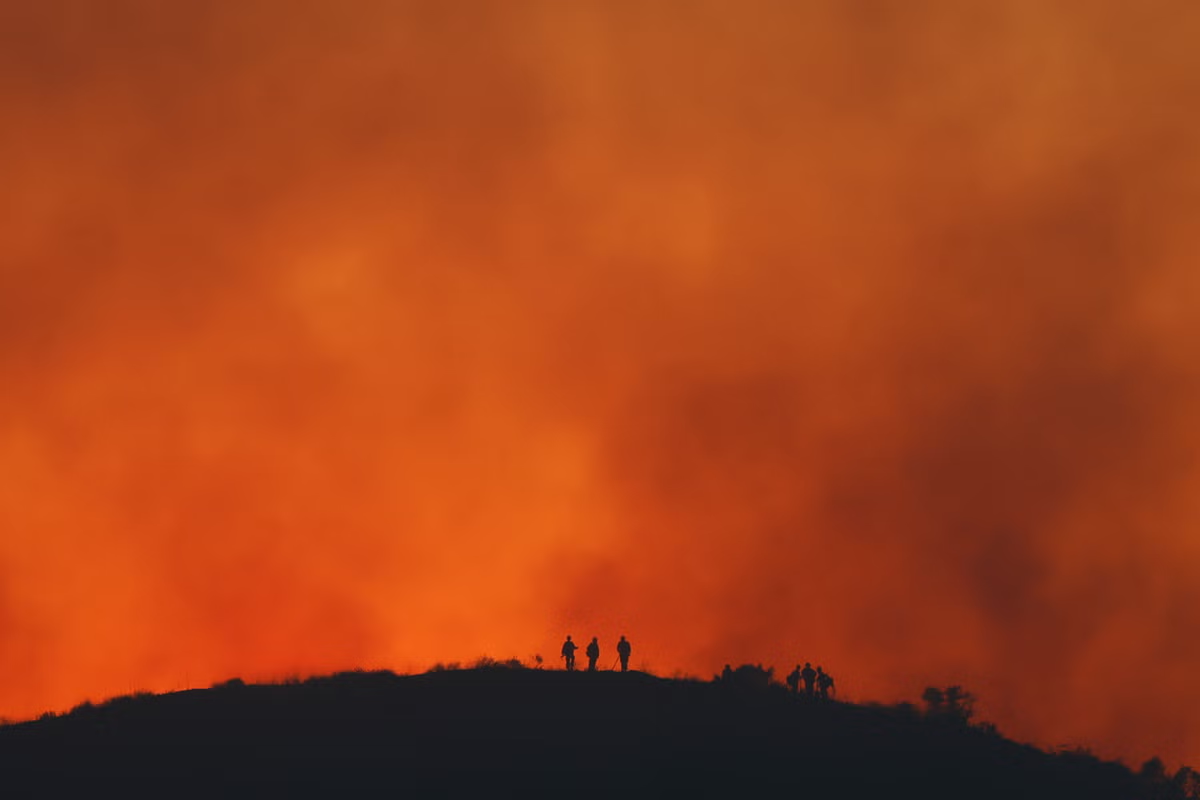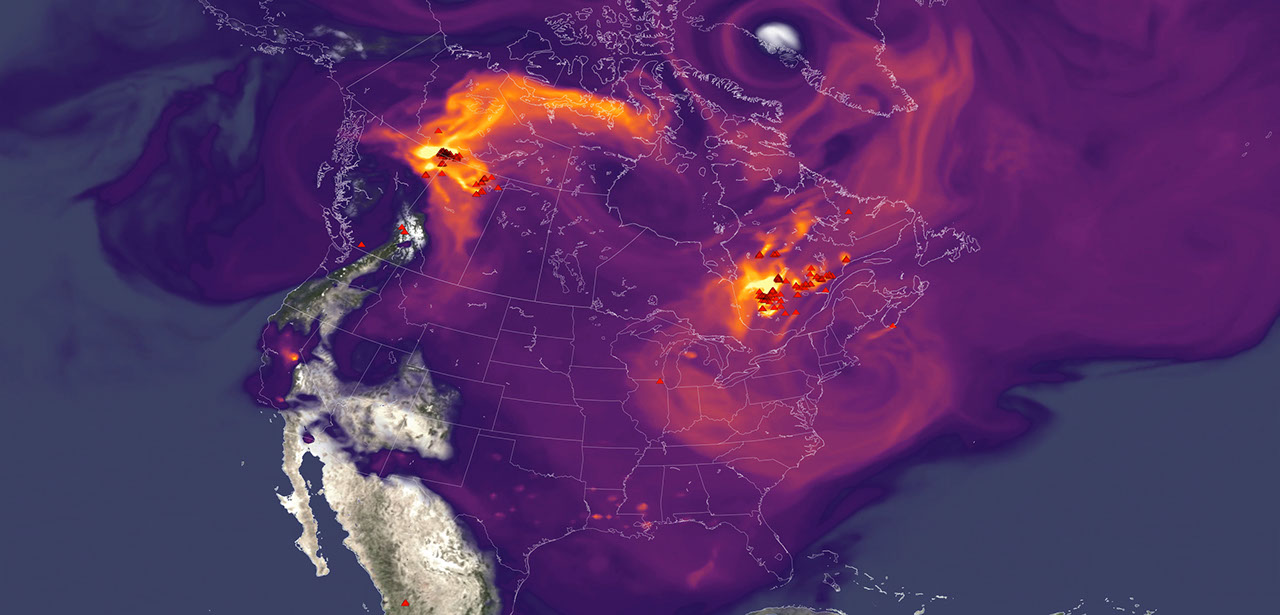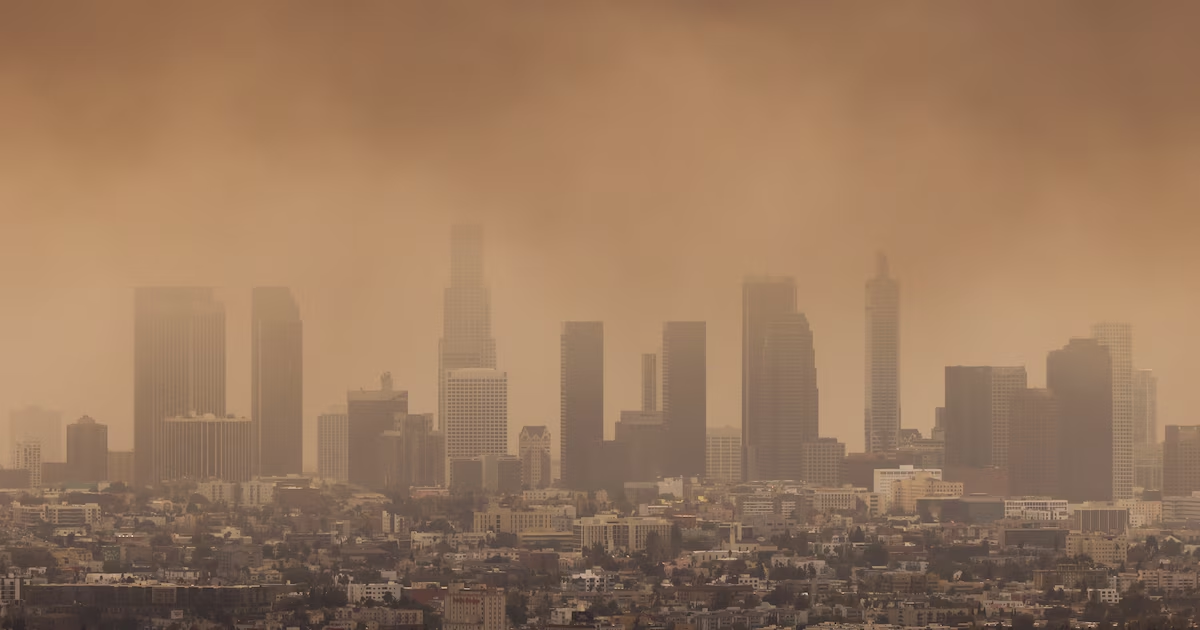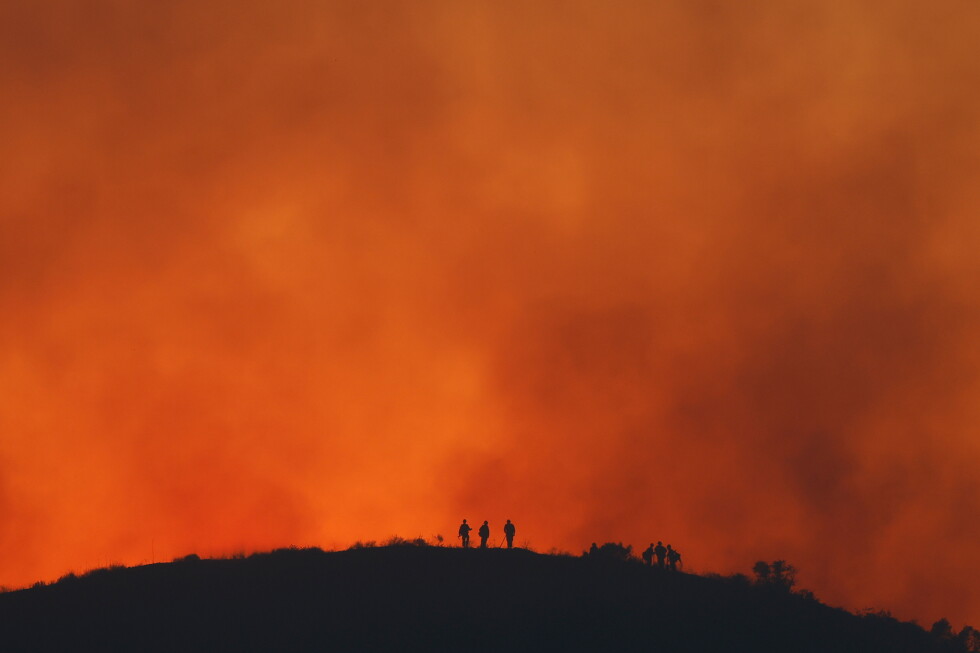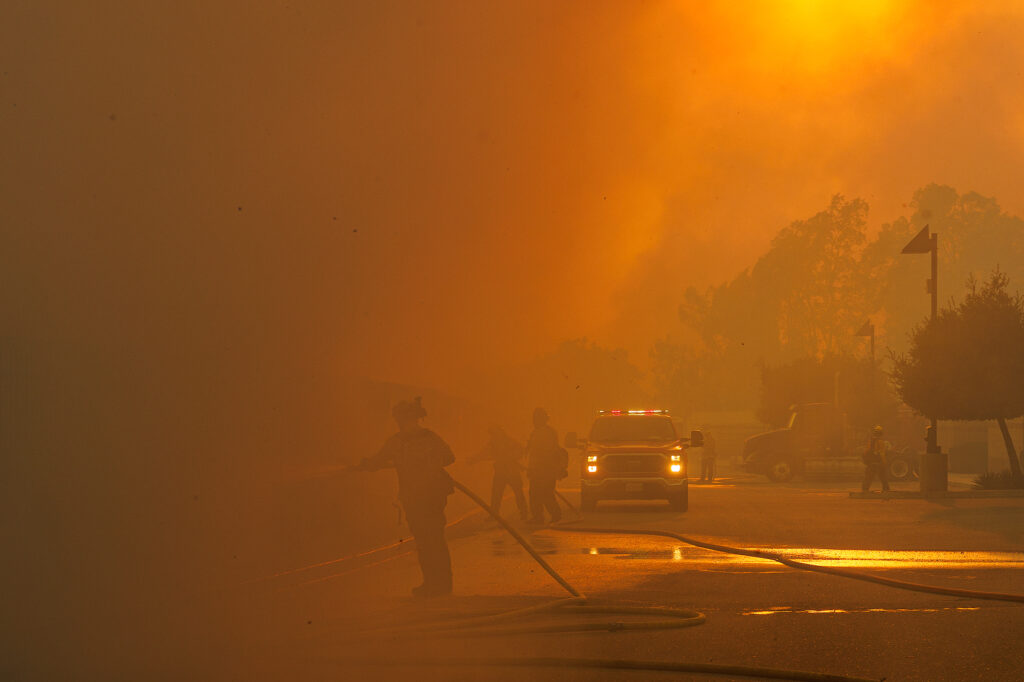
Wildfires have worsened ozone levels across the United States so much over the last decade that they have reversed around four years of progress, a new study has found.
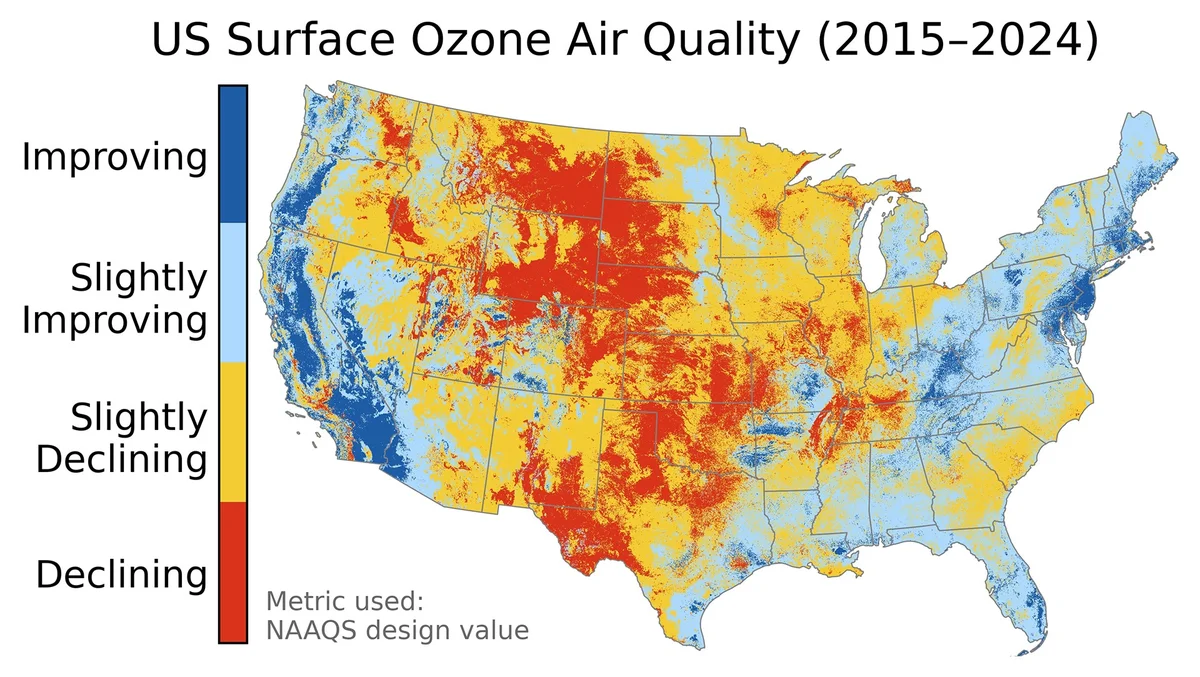
Surface ozone levels, or smog concentrations, steadily increased from 2015 to 2024, deteriorating air quality across the Midwest and Western U.S., researchers at the University of Iowa found in a study released Thursday. According to the study authors, this contributed to an increase of 318 premature deaths per year from fire-sourced ozone since 2013. Their NASA-funded research mapped these ozone levels in kilometer-by-kilometer grids across the entire continental U.S between 2003 and 2024.
They also used AI and machine learning to incorporate different components, such as satellite observations and air quality forecasts into their models. The researchers said they strengthened this by measuring surface ozone levels by parts per billion (ppb) and comparing it against the data from the Environmental Protection Agency. While the models themselves cannot predict future ozone levels, Weizhi Deng, the principal author on the study, is concerned about the trajectory of ozone levels based on their conclusions.
“We want to send a message to the public that they may want to, from any individual standpoint, check the air pollution forecast during the summer wildfire season to limit outdoor activities,” Deng said. “To the policymakers, we want to call for consistent, continued monitoring of surface ozone.”