Wedged between Morocco and Tunisia, Algeria receives a fraction of the number of tourists of its neighbours. But that’s changing. The government wants to triple the number of visitors to 12 million in the next four years by restoring historical sites, encouraging hotel investment and easing visa restrictions.
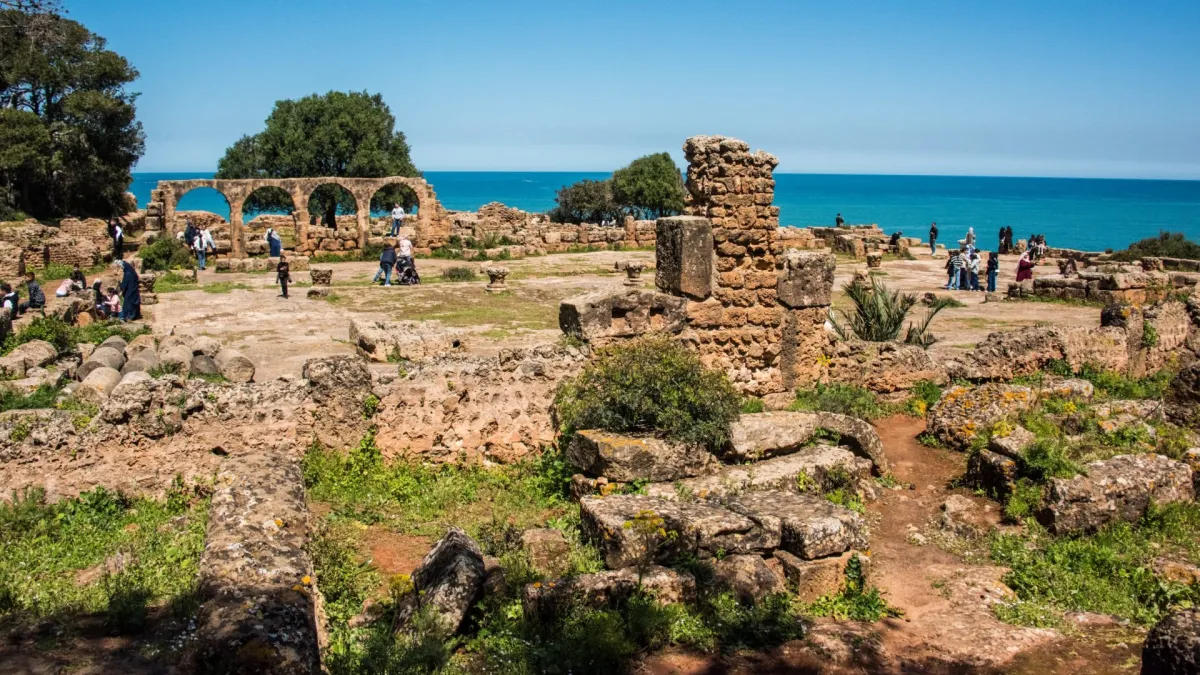
There are many compelling reasons for visiting Africa’s largest country, which is still imbued with its French past, scarcely touched by tourism, and contains some of the most-prized but least-visited sites of antiquity in the western world. Its size also gives it staggering diversity, from the fertile Mediterranean coast to the Atlas Mountains and Sahara Desert.
I have to confess, however, that it was a bargain fish dinner that clinched it for me. On the smart quayside terrace of Le Dauphin, overlooking the old fishing port of Algiers, I was served a rich Provençal fish soup, a fine slab of grilled merou (grouper), and a half-litre bottle of Aboukir rosé for the equivalent of £42 at bank exchange rate – or £24 at the unofficial but easily available street rate.
Shorts
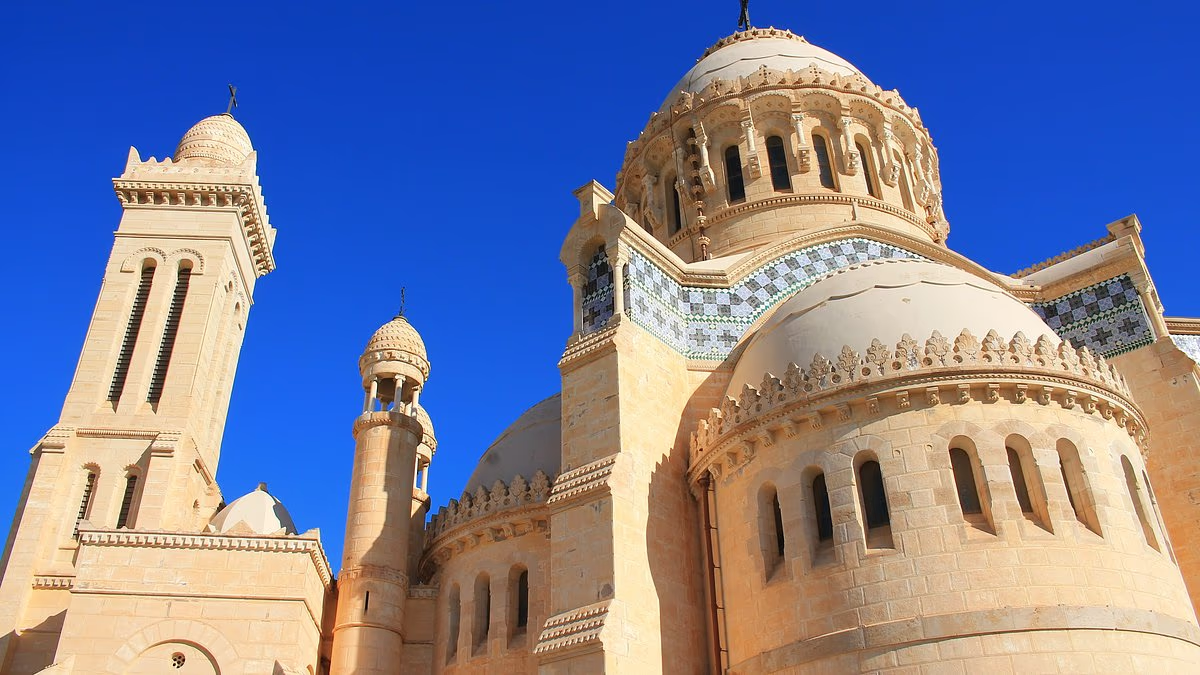
The Algerian capital is often compared to Marseille, 470 miles to the north, not least for the twin Notre Dame statues looking across the sea at each other atop the twin basilicas that dominate the two cities. At Le Dauphin’s Marseille equivalent, the classic Chez Fonfon say, my fish dinner would have cost £100.