Story audio is generated using AI
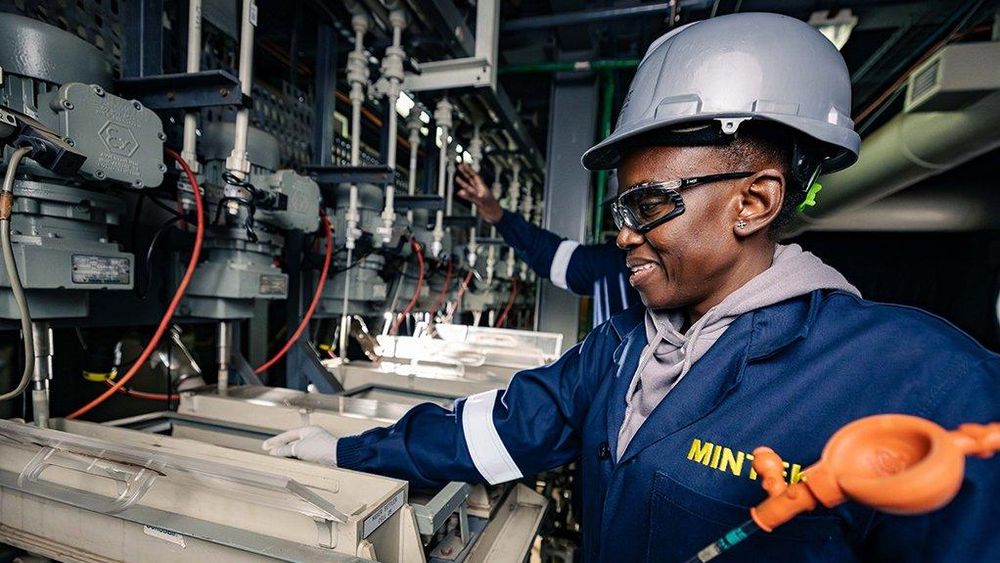
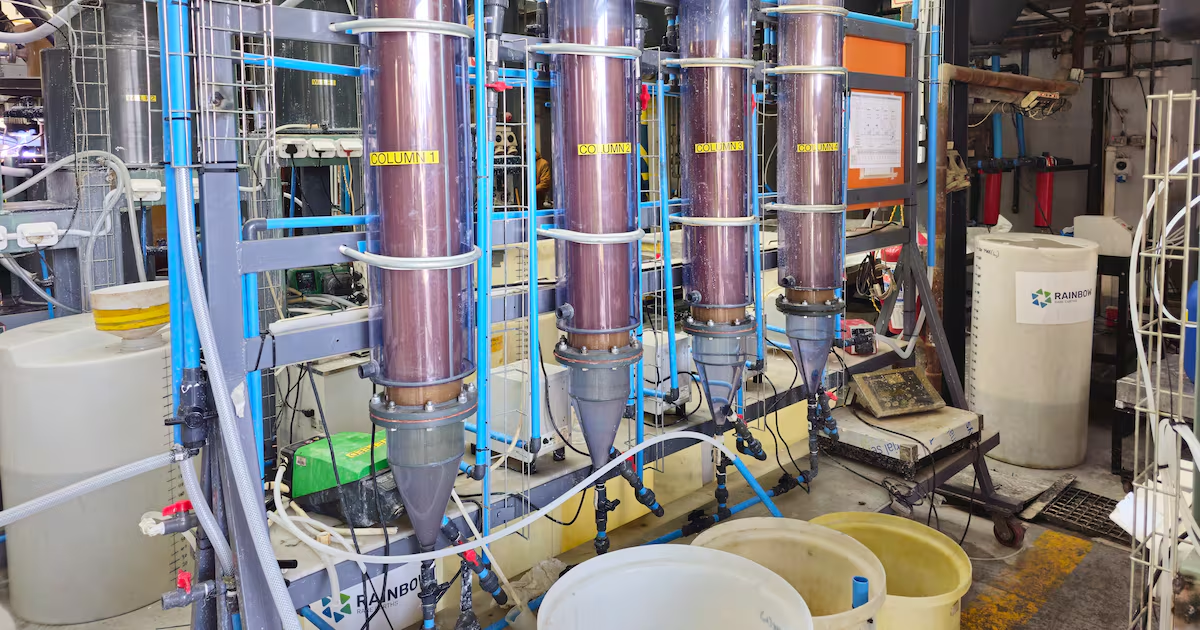
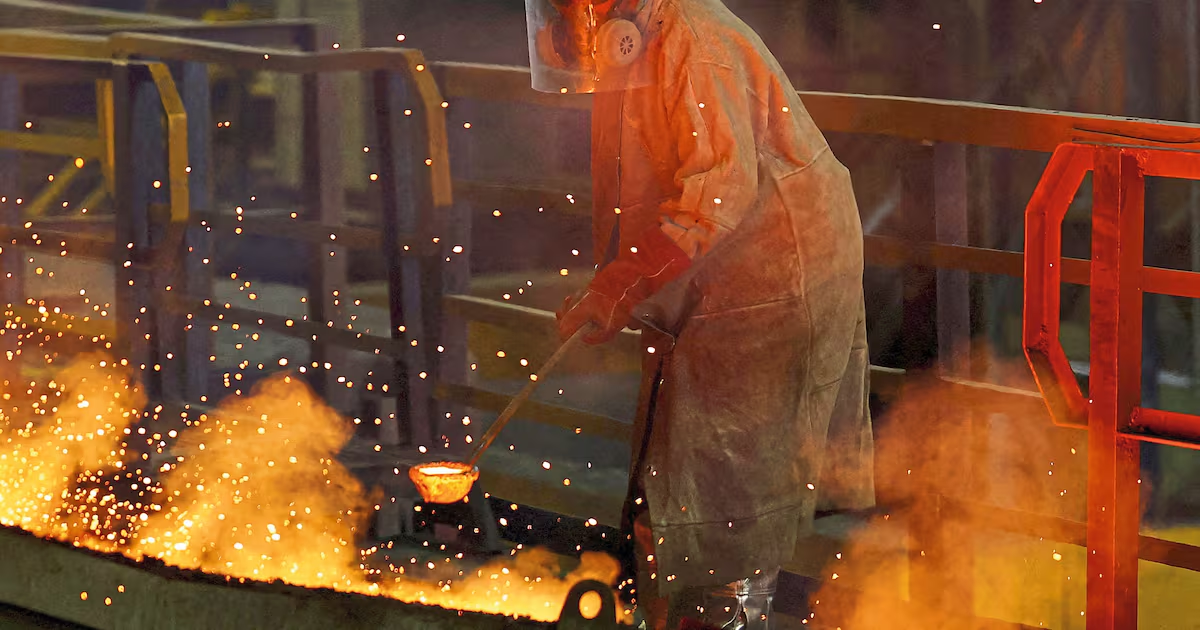
In the heart of the Western Cape, the Steenkampskraal monazite mine is redefining the global rare earth element supply landscape. As the world pivots towards a digital, low-carbon future, demand for rare earths — critical to smartphones, wind turbines, electric vehicles (EVs), defence systems and space technologies — has never been more acute.Through Steenkampskraal, South Africa is poised to meet strategic domestic needs while emerging as a credible international supplier that challenges traditional dominance and advances resource-driven development. Steenkampskraal’s significance lies first in the extraordinary grade of its deposit. With an in-situ total rare earth oxide grade of about 14.5% in the run-of-mine feedstock, total proven and probable reserves in thousands of tonnes, it is recognised as the highest-grade rare earth resource in the world. By contrast, China’s Bayan Obo, the world’s largest rare earth mine by contained resource, operates at an average grade of only 3%–6% total rare earth oxide. Comparable deposits, including Mount Weld mine in Australia (4.12%) and Malawi’s Kangankunde Rare Earth Project (2.2%), have lower grades. As a result, Steenkampskraal can deliver significant output from smaller mining volumes, lowering environmental impact and capital requirements while increasing value per tonne of ore. Steenkampskraal’s product suite is well suited to the digital and green economy. It will produce rare earths such as neodymium, praseodymium, dysprosium and terbium — elements vital to high-performance permanent magnets used in wind turbines, EVs, advanced manufacturing and clean energy systems. The International Energy Agency says global demand for these four rare earth elements was 59 kilotonnes in 2022 and is projected to reach 176 kilotonnes by 2035. For perspective, the current spot price of terbium is $1,180/kg — about R20,000 at today’s exchange rate. Europe’s demand is set to accelerate as the EU scales wind power, electric mobility, digital infrastructure, space and defence industries under its critical raw materials agenda. In the US, demand is driven by net-zero industrial policy, electrified transport, offshore wind, artificial intelligence infrastructure and defence procurement. Asia will remain the largest demand centre, led by China’s magnets, EV, electronics, robotics and renewable-energy manufacturing base, with Japan, South Korea and India expanding strategic procurement. Commercial forecasts placed the global rare earth elements market at about $3.88bn–$3.95bn in 2024, rising to $6.28bn by 2030 and $10.42bn by 2035. Permanent magnets remain the value driver, placing Steenkampskraal’s high-grade magnet rare earth basket at the centre of a tightening global market. For South Africa this creates an opportunity to capture far greater value than raw mineral exports alone. By developing local separation, refining, metal-making and magnet-manufacturing capacity, the country can build new industrial capabilities, attract investment, create skilled jobs and deepen supplier networks in engineering, chemicals, logistics, energy and advanced manufacturing. It would also strengthen export earnings, broaden the tax base, support regional development in the Western Cape and improve South Africa’s leverage in strategic partnerships with countries seeking secure, transparent and diversified sources of critical minerals. Beyond the green economy, Steenkampskraal’s output underpins defence and space applications. Rare earths are indispensable in guidance systems, radar, lasers, satellites, drones, secure communications, propulsion and advanced weapons platforms. Their strategic value lies not only in performance but also in the resilience they provide to national security supply chains. Defence and aerospace manufacturers require consistent access to high-purity inputs, and interruptions can delay procurement, maintenance and innovation cycles. As allied economies reassess dependence on concentrated supply sources, Steenkampskraal offers a credible pathway to diversify sourcing through a democratic, rules-based jurisdiction with established mining regulation. As geopolitical tensions and trade restrictions threaten supply, South Africa can position itself as a reliable partner for nations seeking diversified, transparent and compliant sources of critical minerals. Steenkampskraal is implementing a phased approach from monazite concentrate to advanced hydrometallurgical separation, high-purity rare earth oxides, metals and magnets. Locating this integrated value chain in South Africa maximises domestic economic benefit, supports skills development and technology transfer, and lays the foundation for a rare earth hub serving domestic and export markets. A distinguishing feature of Steenkampskraal is its commitment to sustainability and innovation. The mine is fully licensed and compliant with South Africa’s mining, environmental, water and nuclear regulatory frameworks, aligned with international best practice. It targets 100% renewable energy within three years of commissioning, is rehabilitating its historical footprint, and supports social development and employee equity. The project’s benefits extend beyond rare earths. Steenkampskraal will also produce thorium and radium-228, opening opportunities in clean energy and medical technology. Thorium is being developed for next-generation molten salt reactors, while radium-228 is used in targeted cancer therapies. With approximately 12,000 tonnes of contained thorium, South Africa could strengthen long-term energy security and medical isotope supply. Internationally, Steenkampskraal is reshaping the rare earth landscape. Whereas China’s Bayan Obo represents a giant, lower-grade bulk operation, Steenkampskraal offers a smaller, exceptionally high-grade alternative. Its lower-volume, high-value production model, lower capital intensity and recognised governance practices enhance its appeal to partners seeking ethical and sustainable critical minerals. This matters because rare earth competition is no longer only geological; it is a question of industrial sovereignty. Countries able to mine, process, separate and manufacture within trusted jurisdictions will shape clean energy, digital infrastructure and defence capability. Steenkampskraal’s magnet rare earths support radar, sonar, precision guidance, propulsion, secure communications, satellites, drones, EV motors, wind turbines, robotics, automation, data centres and high-efficiency manufacturing. Economically, the deposit hedges against supply shocks, price volatility and strategic dependence while improving South Africa’s bargaining power in high-value technology markets. The journey from resource to global leadership depends on strategic partnerships, government support and research and development. Steenkampskraal is collaborating with institutions such as Mintek to advance beneficiation, separation and metallisation, supported by investment from the Industrial Development Corporation and other stakeholders so that South Africa can extract, process and manufacture high-value products. Steenkampskraal monazite mine is more than a mining venture; it is a catalyst for South Africa’s emergence in the global rare earth supply chain. By leveraging its unparalleled grade, integrated value chain and sustainability commitment, Steenkampskraal can secure critical materials for digital, green, defence, energy and medical technologies while creating jobs and opportunities. As the world seeks new rare earth sources, South Africa stands ready to lead, innovate and inspire. • Tshitereke, an honorary professor at Unisa’s Thabo Mbeki School of Public and International Affairs, is chief of staff at the mineral and petroleum resources ministry.Business Day