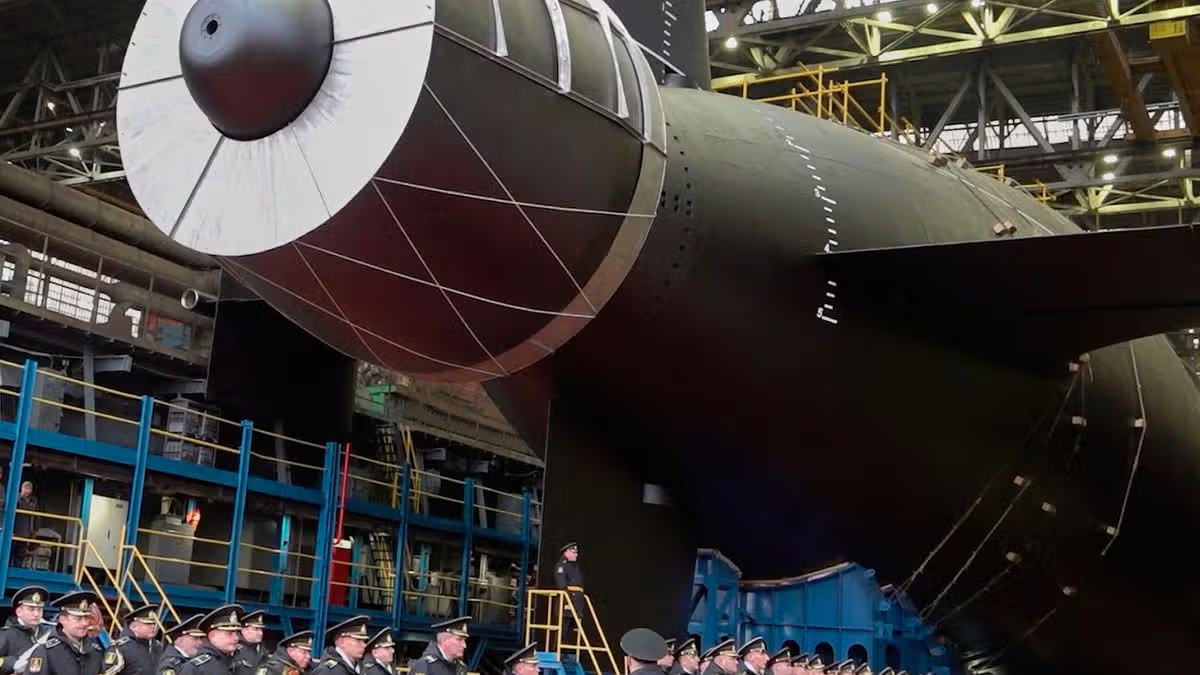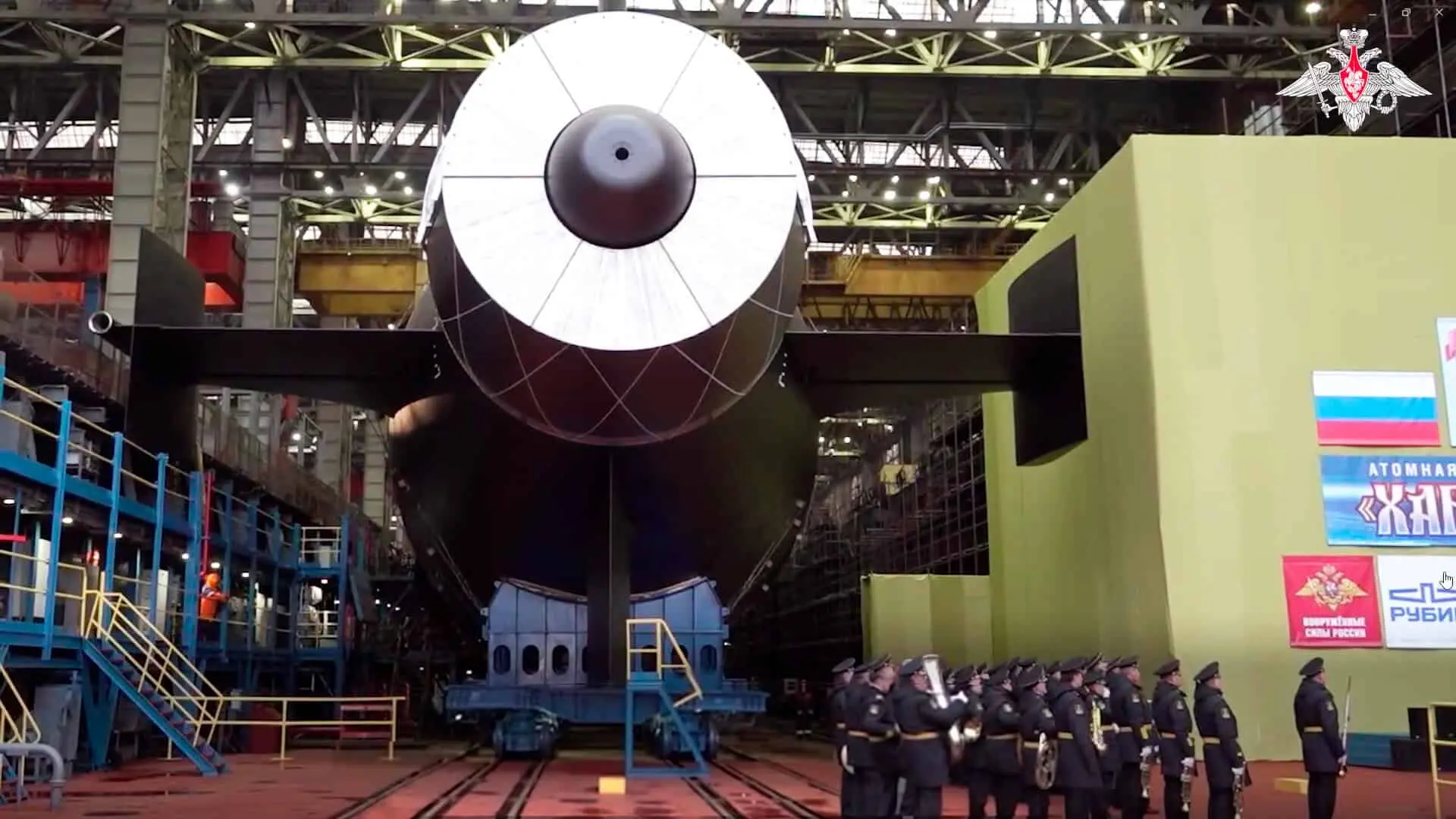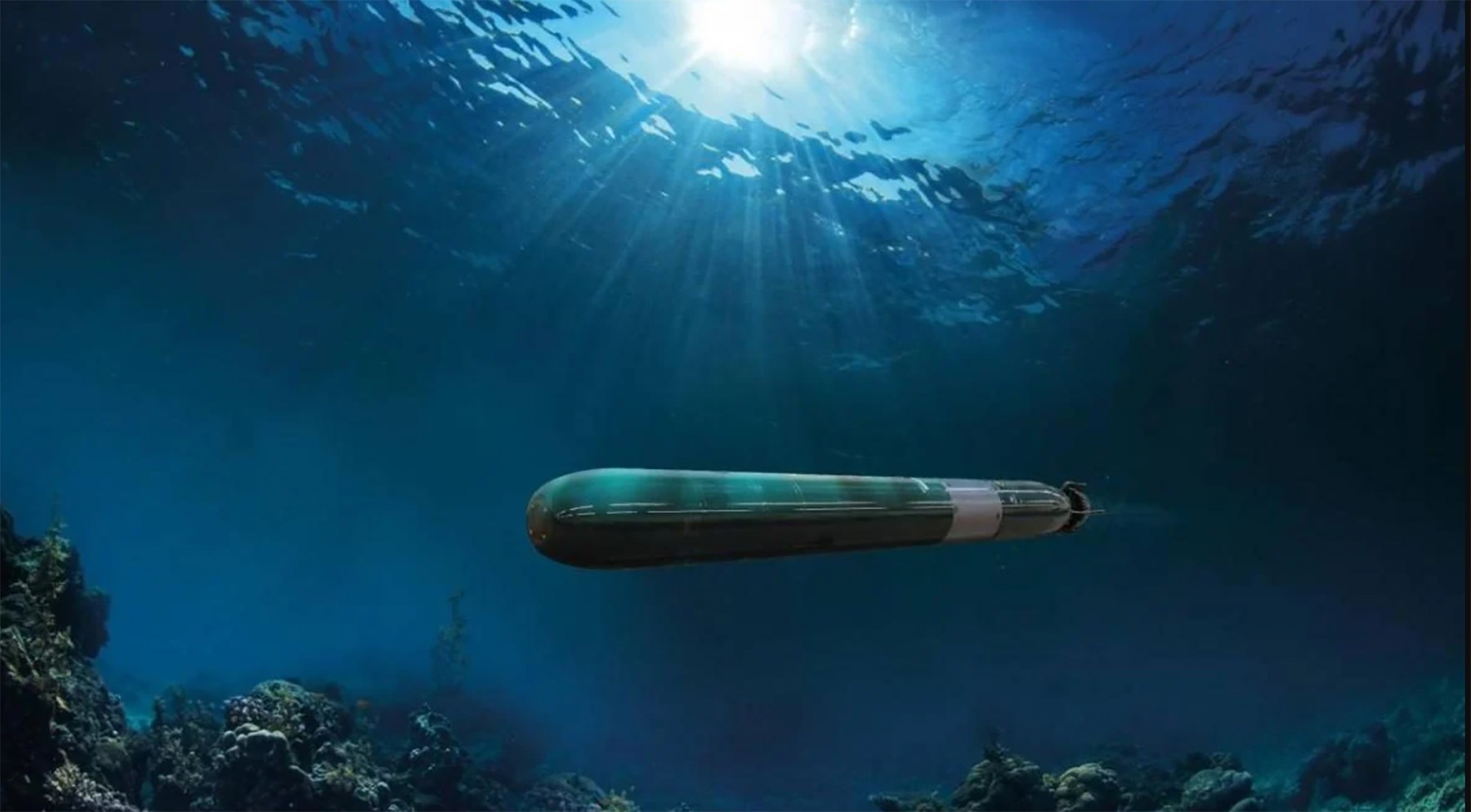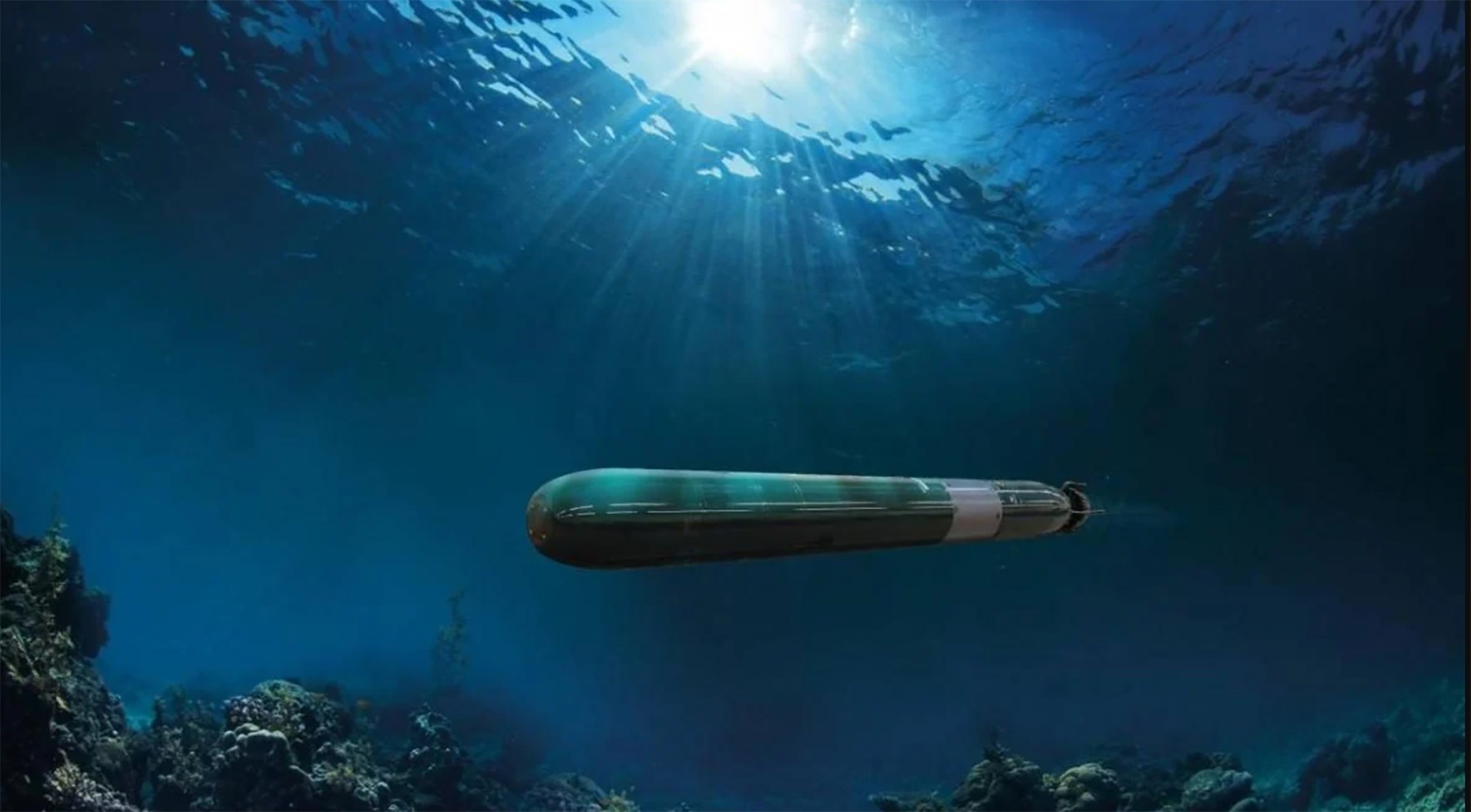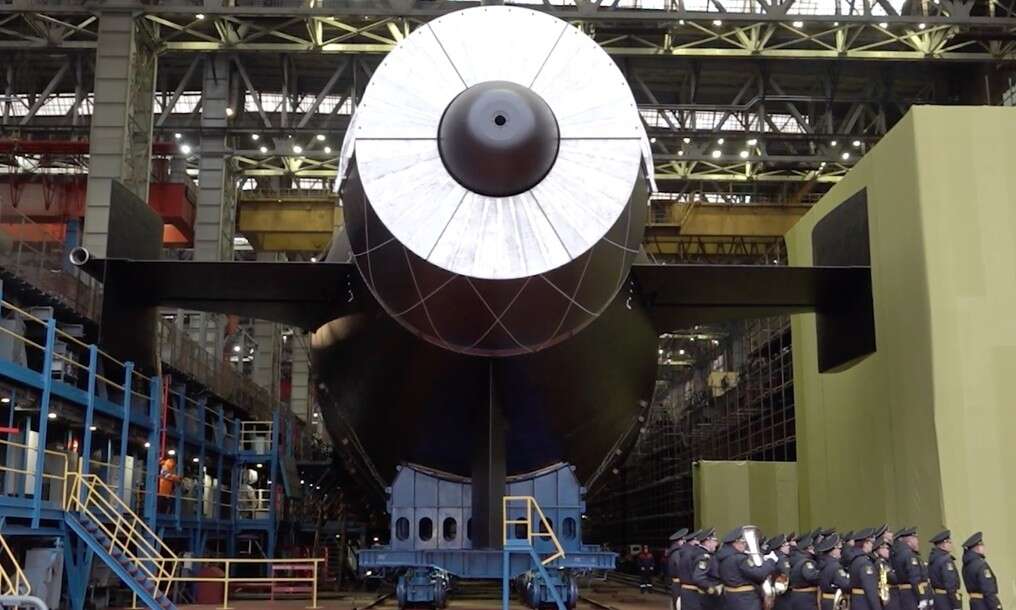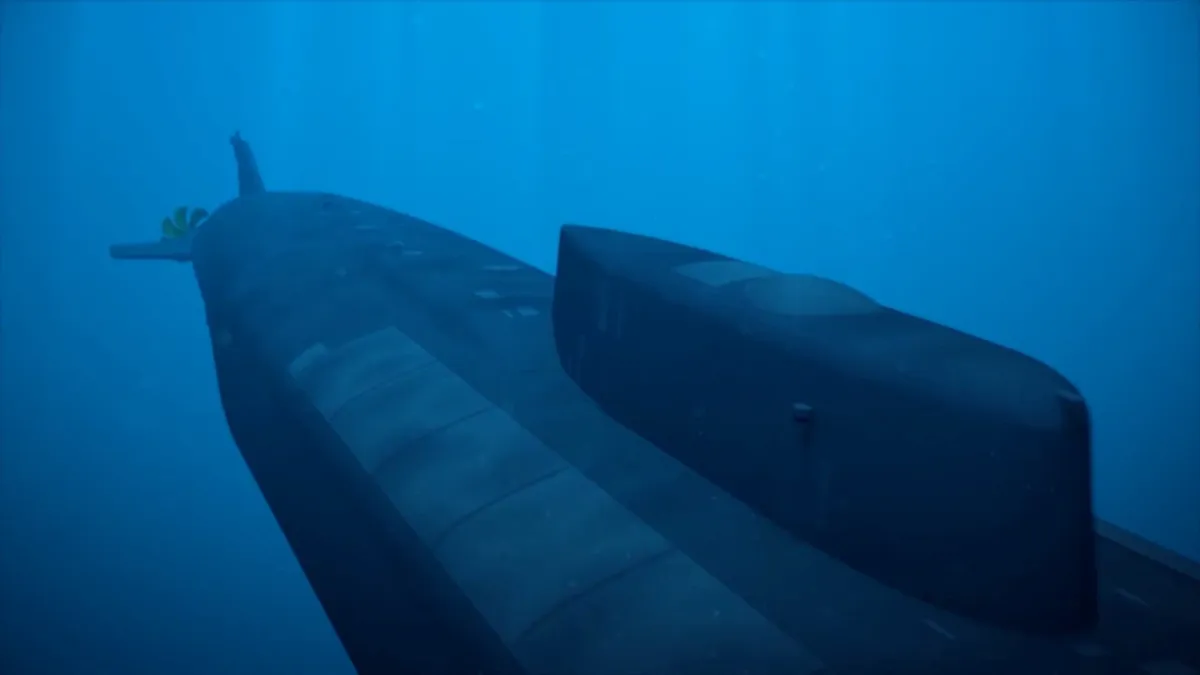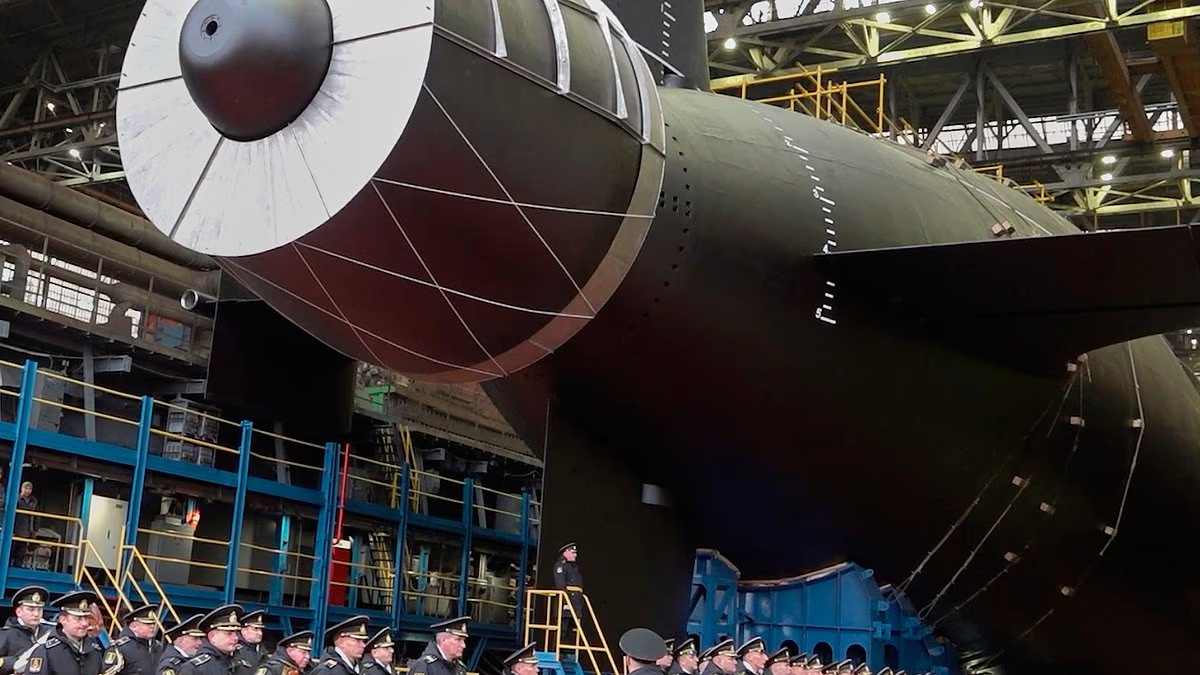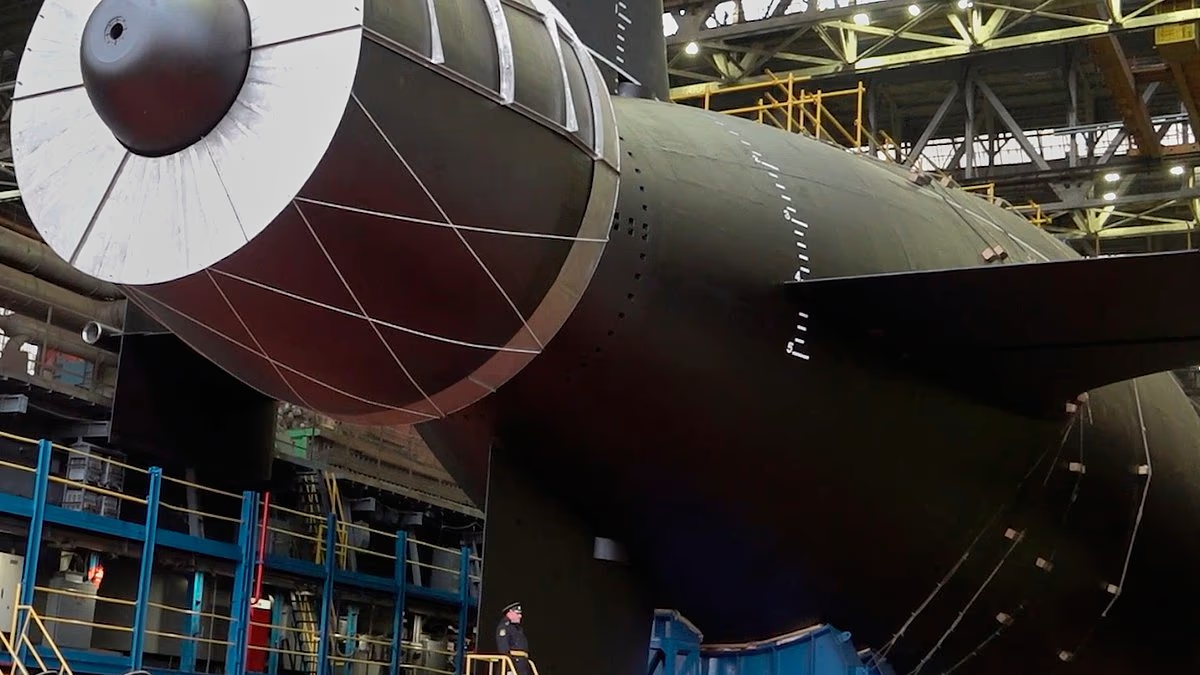
It weighs over 10,000 tons, it is 135 metres long, and it carries half a dozen two-megaton ‘Domesday’ torpedoes capable of triggering a radioactive tsunami large enough to ‘plunge Britain to the depths of the ocean’. No wonder the world held its breath last week as Russia’s latest nuclear-armed submarine departed Severodvinsk Port to begin trials in the White Sea, 140 miles from the Finnish border.Named after Russian explorer Yerofey Khabarov, the Khabarovsk will now undergo rigorous testing before being considered fit for active service.The 100-strong crew as well as a team of onshore engineers will stress-test everything from mooring protocols to propulsion, steering and diving capabilities, as well as the integration of sonar and onboard computing systems. The vessel is eventually expected to travel east to join Russia’s Pacific Fleet, which itself launched a series of missile tests last week from the disputed archipelago of islands north of Japan - triggering a major diplomatic incident.So what would the Khabarovsk role be in a future conflict? Why is Russia spending a rumoured billion dollars on this vessel when its navy already boasts at least 60 active submarines?And it is not the only one, it is just one of a mooted trio of new nuclear-armed subs that could be unleashed on the West.While the design of the Khabarovsk is based on Russia’s Borei-A class nuclear ballistic missile submarines that are a cornerstone of Moscow’s nuclear deterrent, it is, in fact, a bespoke ‘special purpose’ vessel in a class of its own.Khabarovsk is the first submarine designed with a widened bow to accommodate six Poseidon nuclear torpedoes, each measuring 20 metres in length, two metres in diameter and weighing 110 tonnes each. The only other submarine capable of launching these ‘Domesday’ weapons is the RFS Belgorod, which can carry three Poseidon torpedoes, half the number of the Khabarovsk. Russian president Vladimir Putin in Moscow on Thursday
Experts tell FRED KELLY how Putin's nuclear sub could decimate Britain
Named after Russian explorer Yerofey Khabarov, the Khabarovsk will now undergo rigorous testing before being considered fit for active service.
1,250 words~6 min read