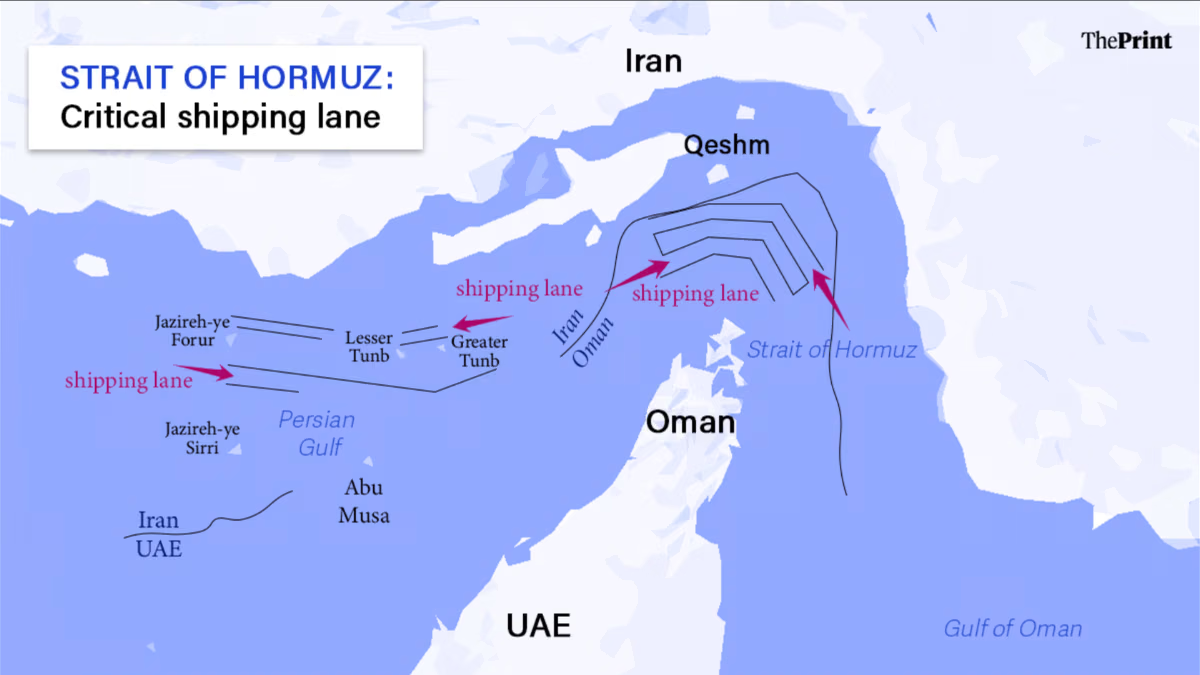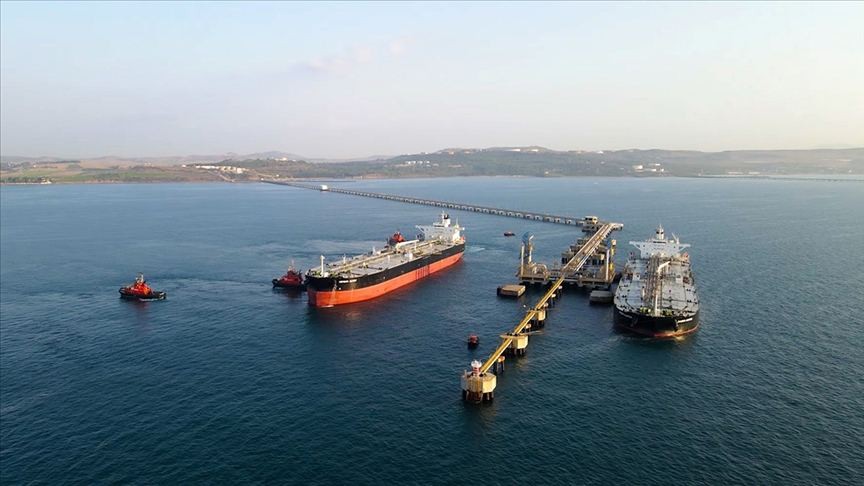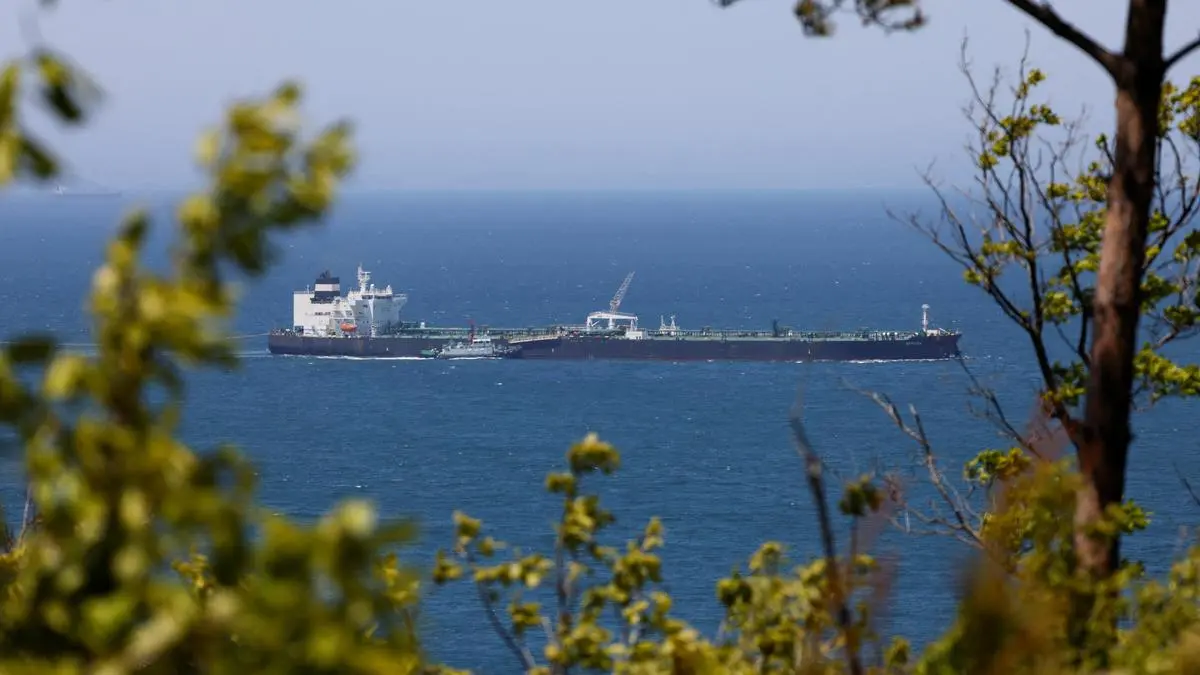
The Strait of Hormuz crisis is creating a new hierarchy among Gulf exporters, set less by who can produce crude than by who controls its journey to market. A patchwork of bypass pipelines, dedicated shuttle fleets, ship-to-ship transfers, tenders and discounts has emerged as Gulf producers grow more desperate and creative, enabling more shipments to pass through the contested chokepoint. The UAE exemplifies both the advantages and risks of controlling export logistics in a prolonged security crisis. Abu Dhabi has combined its Fujairah pipeline with its extensive tanker capacity, managing shuttle runs to move barrels through Hormuz to vessels waiting outside the Gulf. Iraq has also turned to the UAE-pioneered shuttle model to move crude through Hormuz. The strategy has sustained exports, although repeated attacks on UAE-linked vessels underscore the dangers. Saudi Arabia is trying shuttle movements of its own, utilizing its East-West Pipeline to Yanbu. But that pathway is less reliable given the threat of attacks from Iran-allied Houthis in the Red Sea — just this week, the Saudi-owned very large crude carrier (VLCC) Amzan was hit west of Yanbu. Iraq, Qatar and Kuwait have fewer options and are more dependent on foreign owners, traders and buyers to navigate the treacherous strait. Energy Intelligence estimates the UAE and Iraq each moved around 2 million barrels per day of crude and condensate through Hormuz Aug. 1-25, ahead of Saudi Arabia, Kuwait and Qatar. Those crossings include estimated shares of unattributed "dark" tankers, and show how heavily Gulf exports now depend on movements that conventional automatic identification system (AIS) tracking cannot capture.
Crisis Forces Gulf Producers to Rethink How They Sell Oil
From shuttle fleets to deep crude discounts, Mideast players are redistributing shipping risk as the Hormuz disruption reshapes how their barrels reach market.
261 words~1 min read