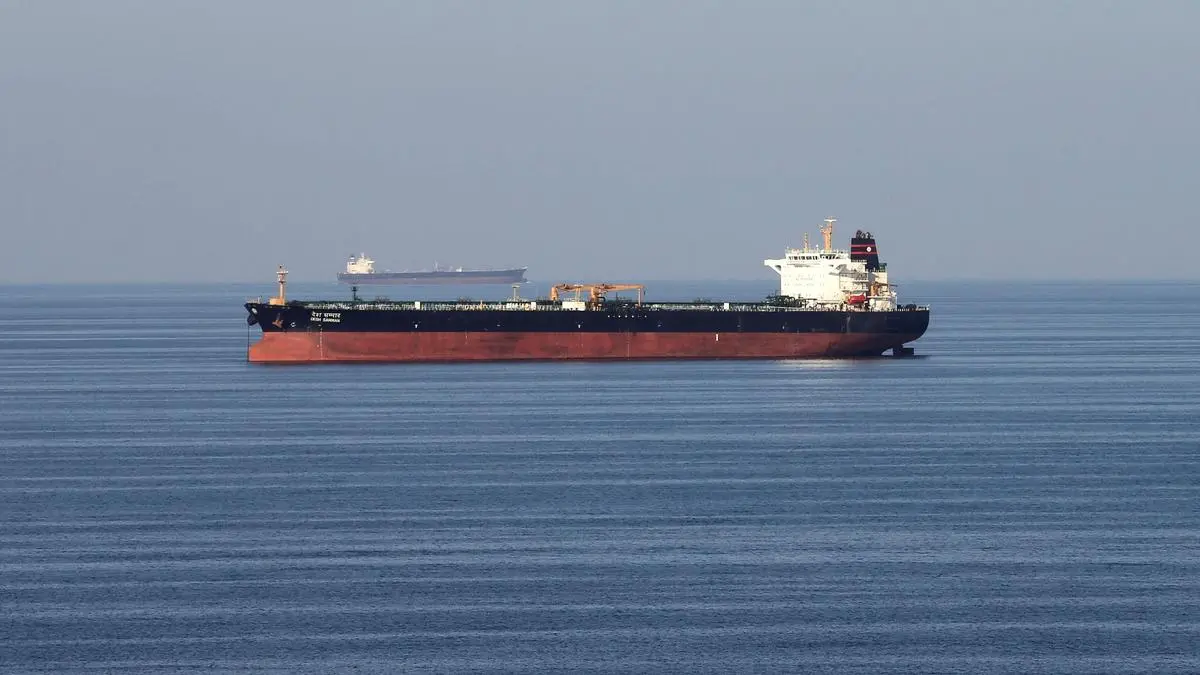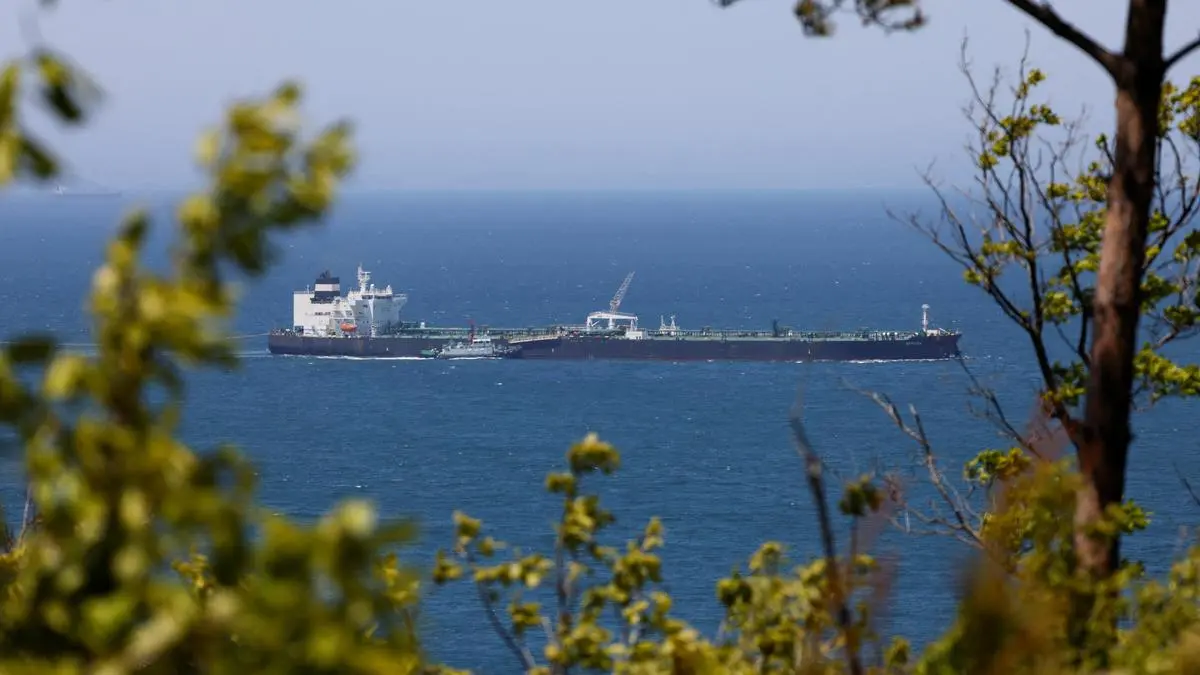
(Image for representation) A crude oil tanker passing through the Strait of Hormuz
| Photo Credit:
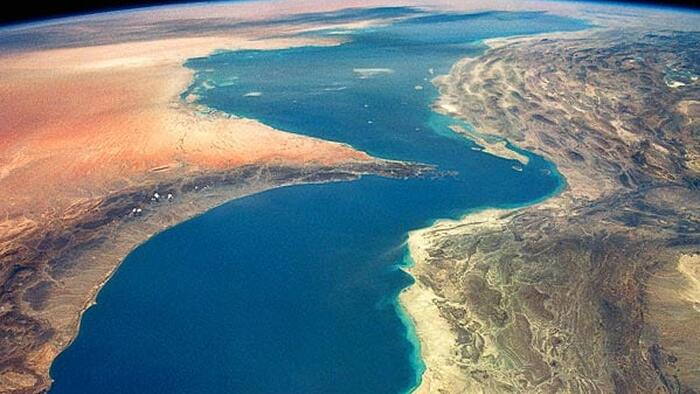
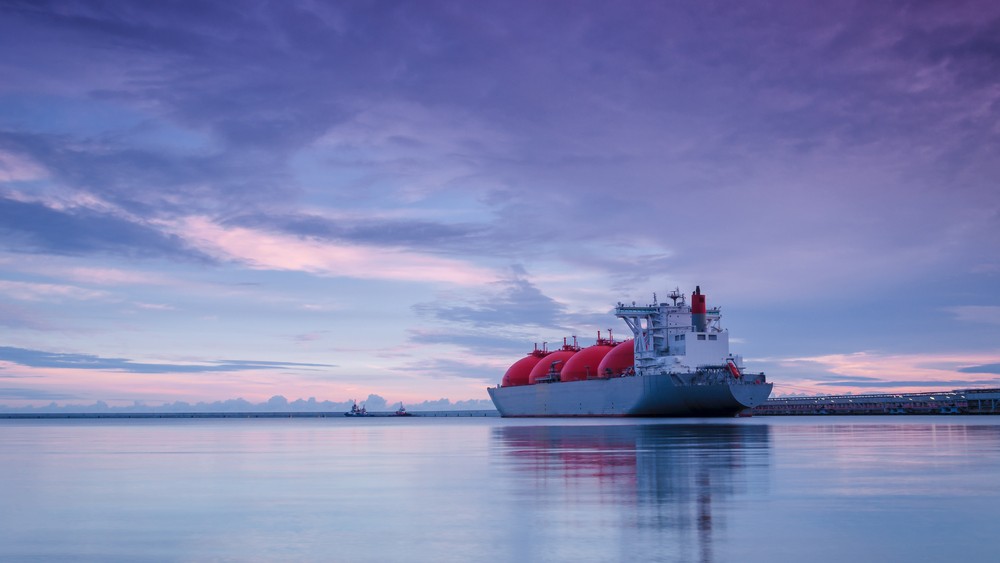
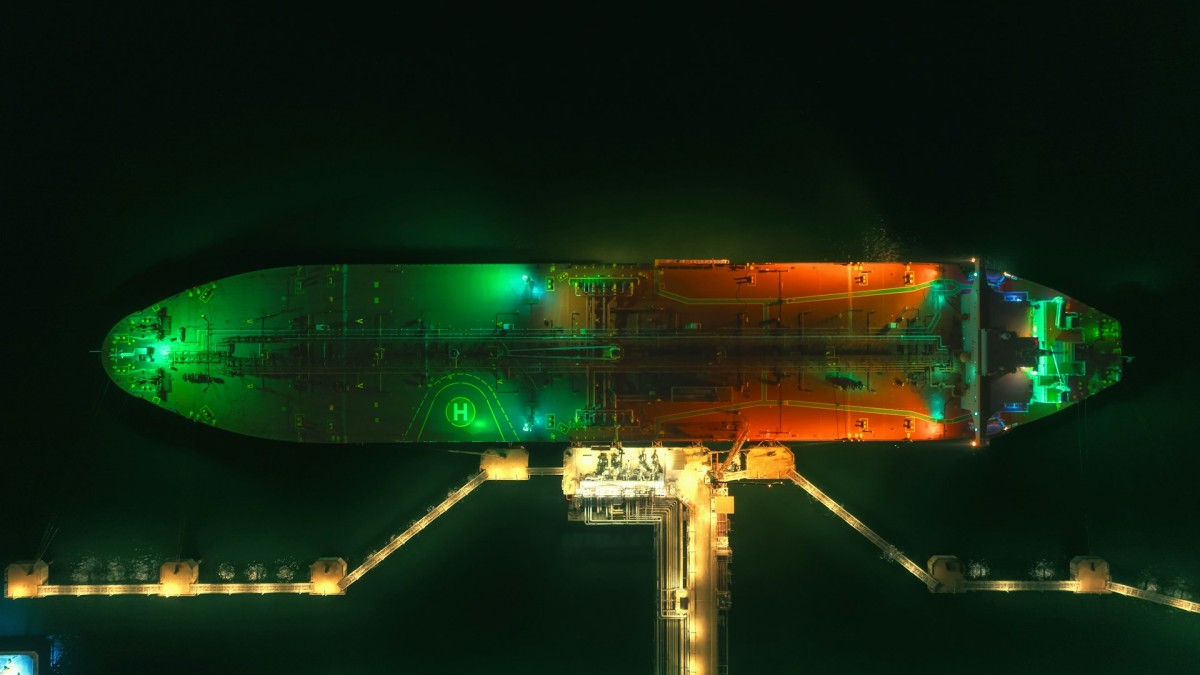
Abu Dhabi National Oil Co. has been quietly ferrying oil and gas shipments out of the Persian Gulf using its own fleet, apparently circumventing both the Iranian navy and US warships to reach energy-starved customers.Leaning on practices including dark transits — when vessels cross the Strait of Hormuz with their transponders switched off — Adnoc has been among the most successful producers when it comes to taking supplies out of the Middle East, according to tracking data, traders and people with knowledge of the matter.Other Middle East producers, along with Western commodity traders, have also sought ways of moving cargoes through Hormuz over almost three months of war, but most lease their tankers, and have found themselves constrained by the risk appetite of the owners.Adnoc, by contrast, has been using vessels controlled by Navig8, a company that’s majority owned by its shipping and logistics arm, and Wanhua Chemical Group, a joint-venture partner, according to the people, who asked not to be named as the information is not public. These include crude and clean petroleum product tankers as well as gas carriers, the people said.The bold gambit highlights the urgency felt by oil producers, who are rushing to get supply to market in part because their storage capacity is limited. Adding to the United Arab Emirates’ eagerness, it officially left the Organization of the Petroleum Exporting Countries on May 1.“With the UAE leaving OPEC and finding ways to send ships through Hormuz in the dark, Adnoc has been willing to take more risks in order to get their oil out,” said Matt Wright, senior freight analyst at intelligence firm Kpler.A spokesperson for Adnoc Logistics & Services said the company could not comment on the position, movements, or routing of its vessels as a matter of policy. Adnoc referred queries to Adnoc L&S.Adnoc’s method allows it to send some recently exited ships back into the Persian Gulf for more cargoes, the people said — so-called shuttle runs that can keep oil and fuels flowing. Once through Hormuz, the vessels typically transfer their cargoes to clients’ tankers in safer waters off Fujairah or Sohar, a known hotspot, or sail to India’s west coast. The short runs mean the producer can make the most of proximity to Hormuz, with crudes such as Upper Zakum typically loading at Zirku Island, while naphtha and liquefied petroleum gas are picked up from Adnoc’s mega-refinery at Ruwais. A return journey takes roughly a week.Adnoc has also exported at least three liquefied natural gas cargoes through Hormuz using dark transits. The latest was spotted over the weekend, loaded with a cargo and heading to western India, according to ship-tracking data. Satellite images show that LNG tankers have been docking at Das Island, Adnoc’s export plant within the Persian Gulf, for at least a month, even though no tankers are broadcasting their positions near the plant.For gas exits, empty tankers head toward the eastern entrance of the strait near the Fujairah anchorage, where they stop transmitting signals, before transiting the waterway to load cargoes from Das Island. The vessels resume broadcasting their location only after clearing Hormuz and entering the Gulf of Oman once again.Specific figures on overall crude, gas and fuel cargoes are hard to tally with certainty, given transponders are off — an increasingly common tactic in the area, as a safety precaution. The shadow practice also means it is unclear if the vessels are sailing through the waterway close to Oman or along the Iran-approved northern route, which may involve toll payments.But the sheer volume of exits underlines the extent to which Adnoc appears to have balanced Iran and the US, as its vessels have avoided either blockade.Senior US officials have said that the US and Iran are closing in on a deal that could reopen Hormuz, even as President Donald Trump said he would not “rush” into an agreement. Over the weekend, he said that a peace deal with Iran had been “largely negotiated”. Key sticking points remain, however, including Iran’s nuclear program.More stories like this are available on bloomberg.comPublished on May 25, 2026