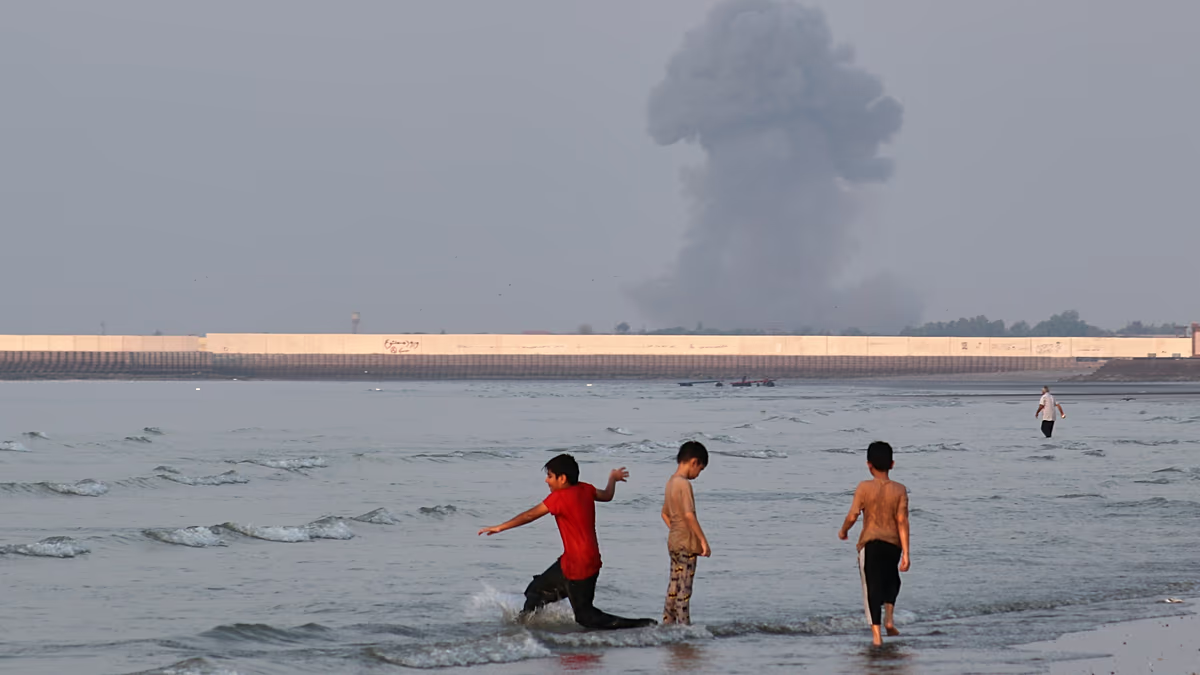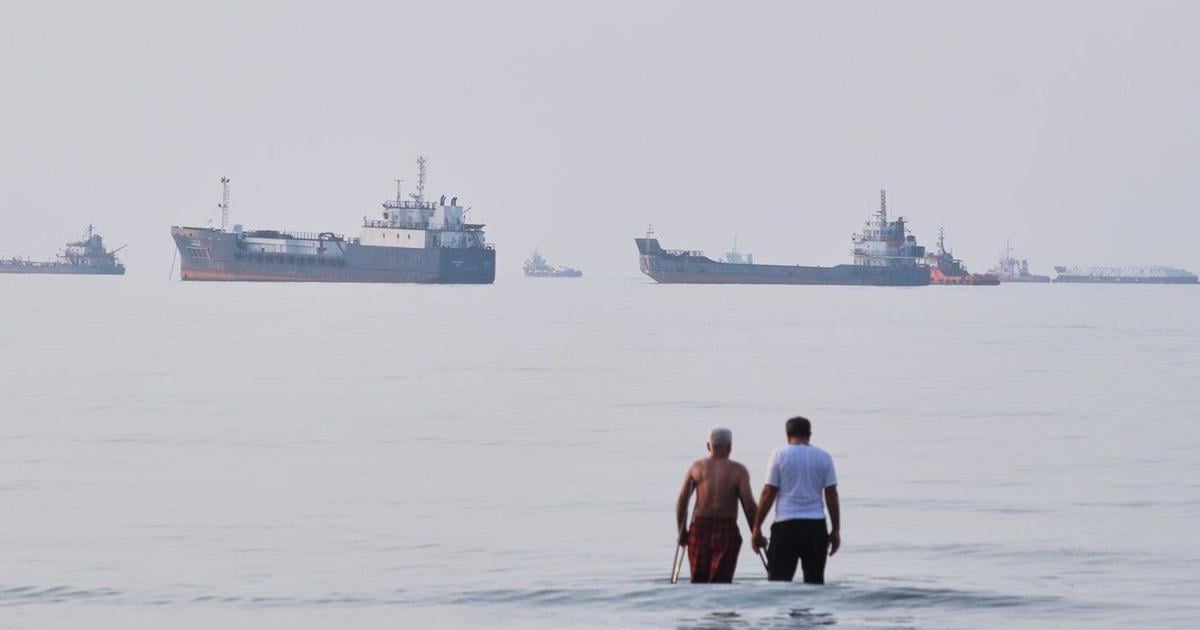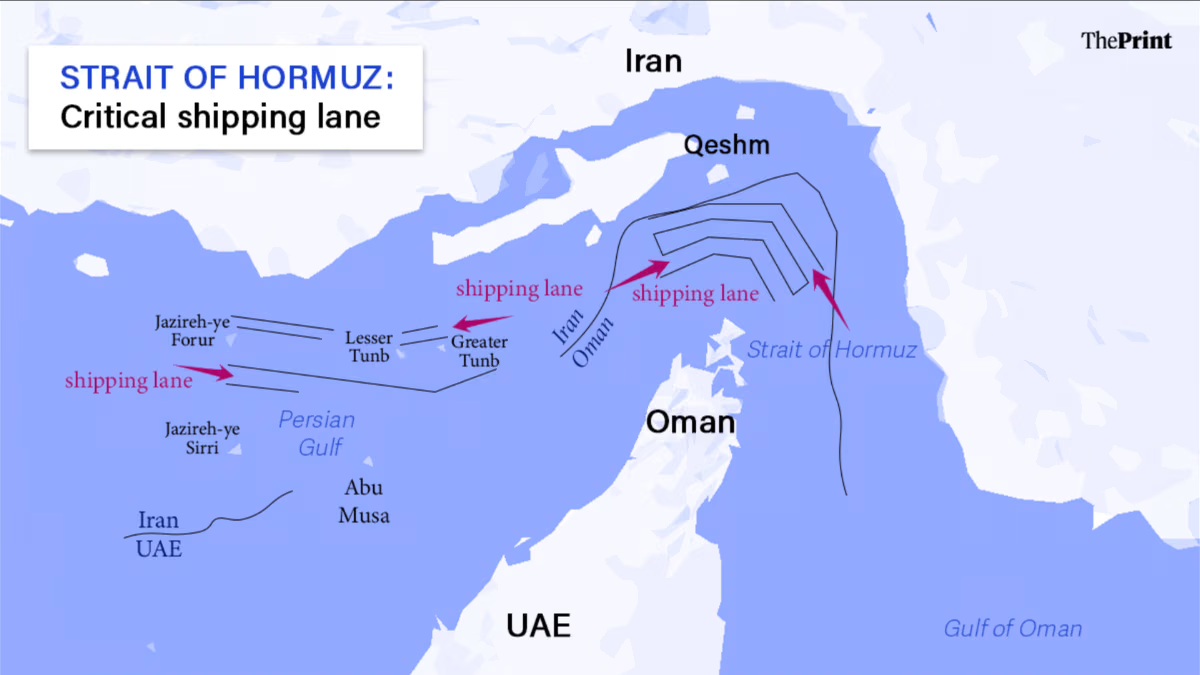
Prior to Feb. 28, some 20 million barrels per day of oil exited the Mideast Gulf via the Strait of Hormuz. With the outbreak of hostilities and effective closure of the strait, Saudi Arabia and the UAE rapidly rerouted 4 million b/d via existing bypass pipelines, bringing the total transported on such routes to almost 9 million b/d. Yet Gulf producers remained hostage to geography and, with it, an Iranian chokehold on their key route to market. They have been dusting off old pipeline plans and hatching new ones as alternatives to the strait, but realistically only a couple of projects have a strong chance of being built in the foreseeable future, adding perhaps another 2 million-4 million b/d. Producers are split between those that have options — the UAE, Saudi Arabia, and, more complex politics notwithstanding, Iraq — and those that have few — Kuwait and Qatar — save striking a deal with Iran.
New Pipeline Plans Offer Limited Relief for Gulf Exporters
The Mideast Gulf's oil producers are expediting new pipelines to bypass the Strait of Hormuz. How realistic are these plans?
155 words~1 min read