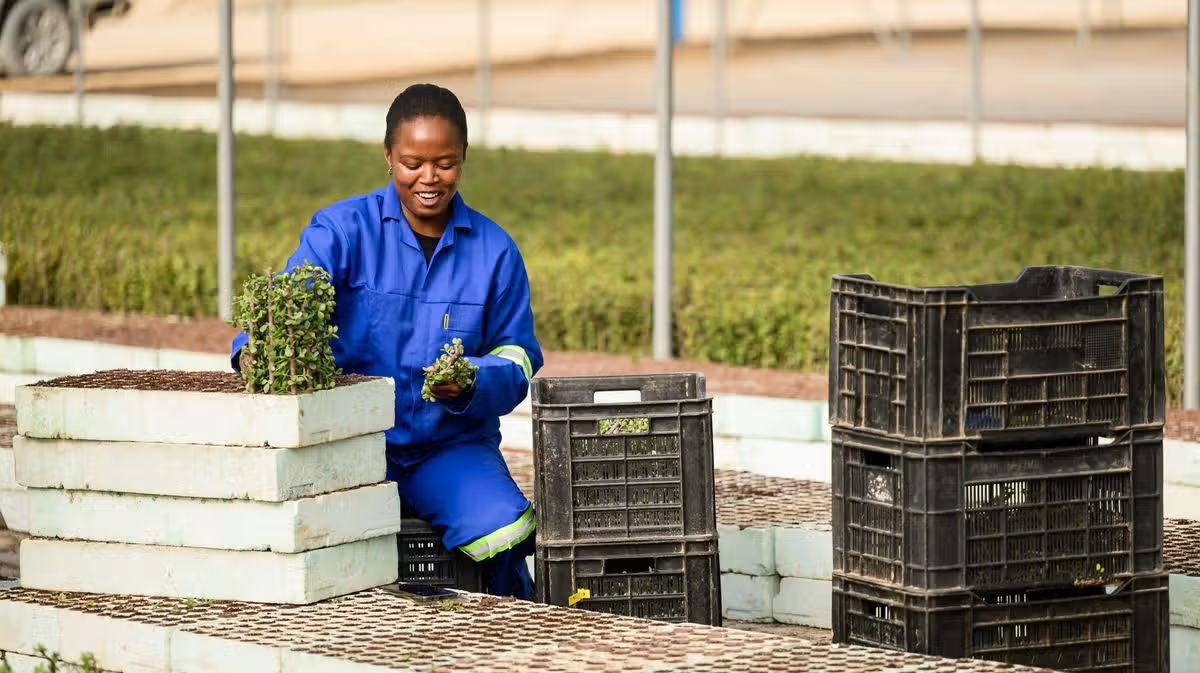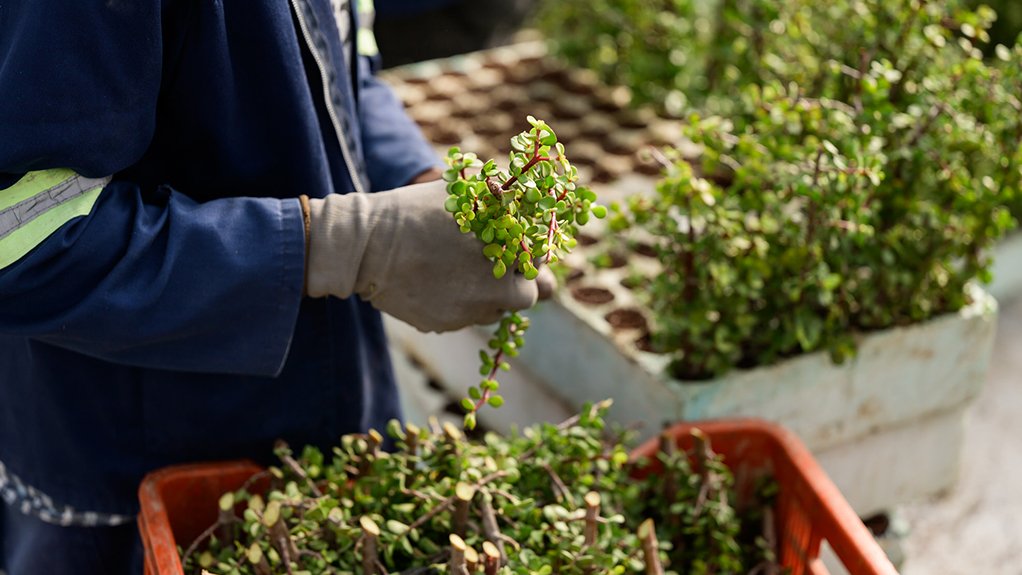
After decades of livestock pressure, 1.5 million hectares (3.7 million acres) of farmland in South Africa’s Albany thicket biome need rehabilitation — the way a burn victim needs lifesaving skin grafts.Carbon finance seems the most likely source of funding, kickstarting the process with the mass planting of an endemic drought-tolerant succulent called spekboom (Portulacaria afra).Until now, restoration projects have been artisanal, but that’s changed with a $91 million loan to a new entrant and tech giant Amazon throwing its hat into the ring.A flush of new funding shows growing faith in a business model for ecosystem restoration, but there’s concern that if projects grow too fast and promise more carbon dioxide drawdown than the emerging science can account for, it could leave projects on shaky ground.
This is the first article in Mongabay’s three-part investigation of spekboom-led ecosystem restoration in South Africa. It is part of an award-winning collaboration between independent science writer Leonie Joubert, the Stellenbosch University School for Climate Studies, and the Henry Nxumalo Foundation which supports investigative journalism in Africa.
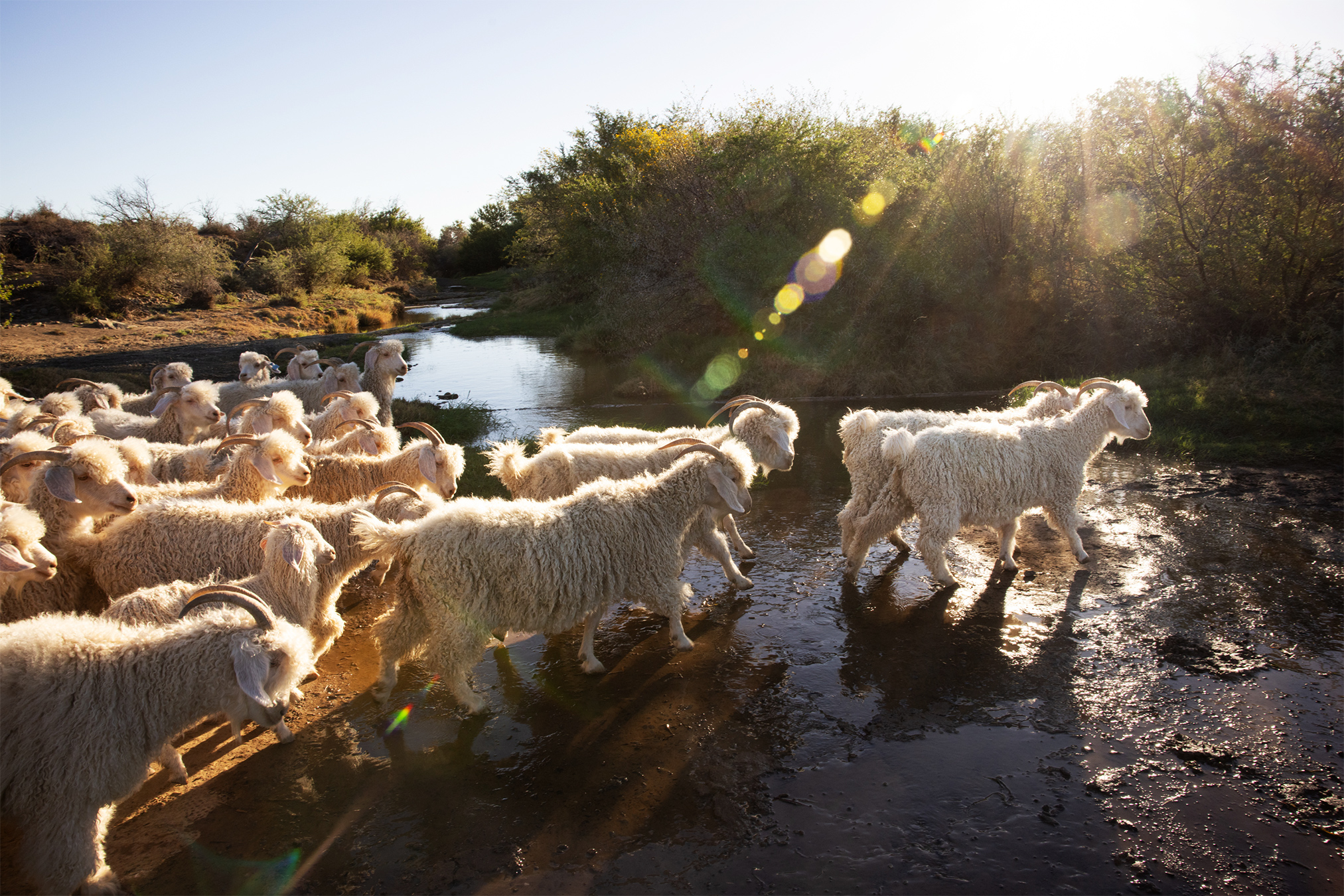
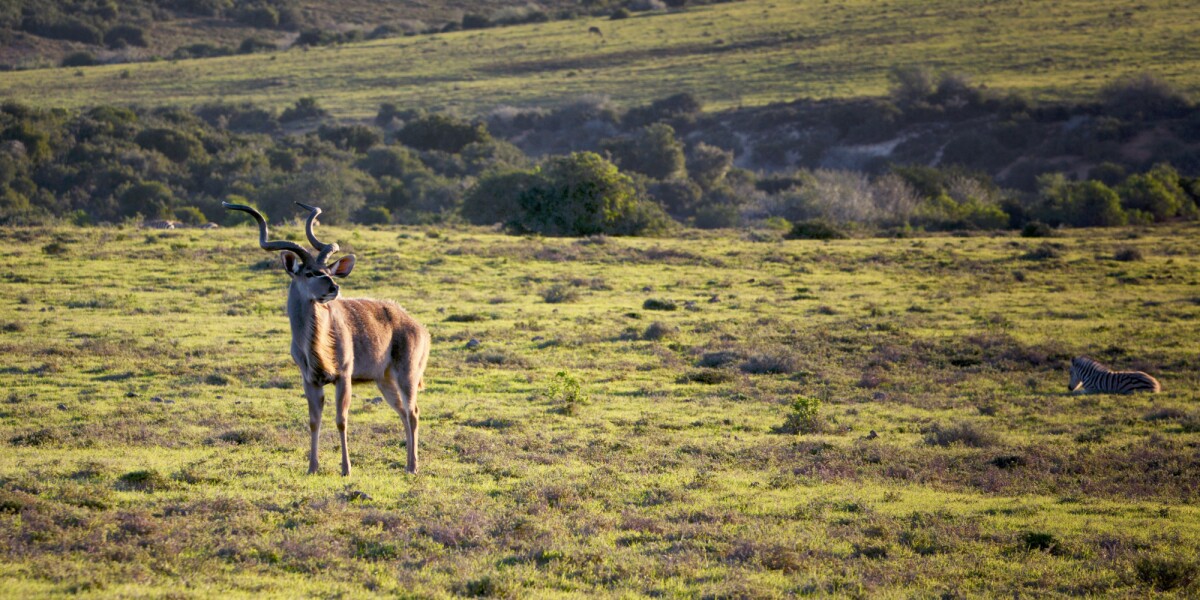
GQEBERHA, South Africa — The spekboom is to goats what ice cream is to a toddler, say the locals in this little nook of South Africa’s Eastern Cape province. This explains why roughly 90% of the Albany thicket plant biome has been stripped by generations of livestock farming, mostly mohair-producing goats. Where there once was impenetrable bush, many farmlands now look like a desert.
 aboutamazon.com