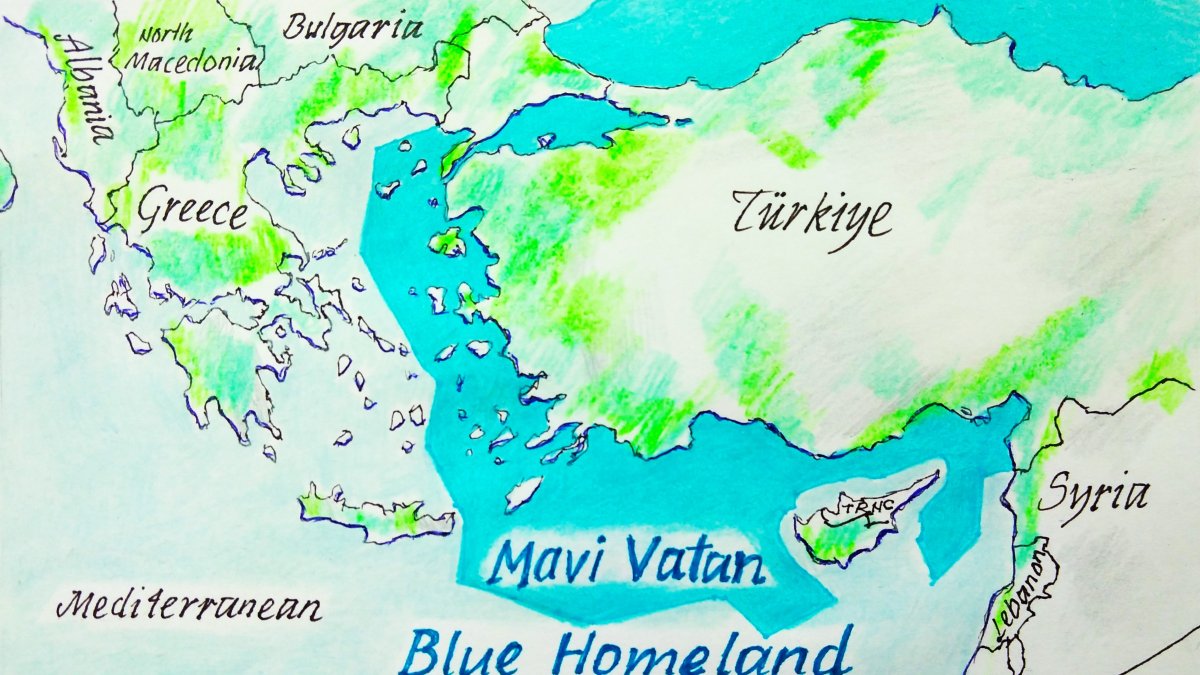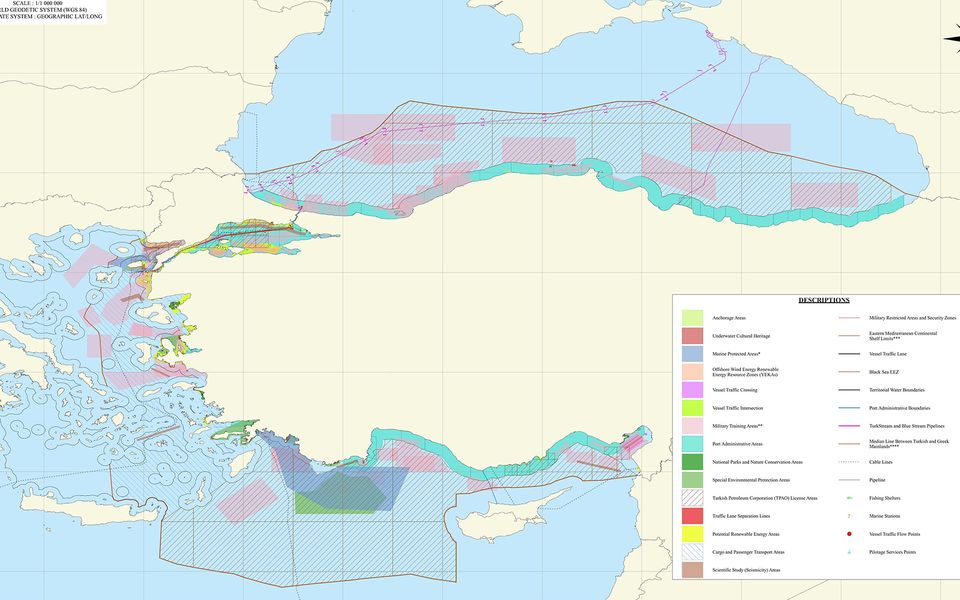
The long-standing dispute between Türkiye and Greece over maritime jurisdiction in the Aegean and Eastern Mediterranean has acquired a new dimension since 2025 through the designation of “marine parks.” Although on paper, these initiatives are presented on ecological grounds such as environmental protection and the sustainability of marine ecosystems, they cannot be assessed solely within the framework of technical environmental policies due to the two countries’ disputes over sovereign rights and areas of jurisdiction in the Aegean Sea.
Rather, deeply rooted disputes concerning the delimitation of maritime zones, the extent of the continental shelf, the limits of territorial waters, competing claims to exclusive economic zones (EEZs), and the legal status of islands, islets and rocks whose sovereignty was not transferred to Greece by treaty lie at the heart of the issue. In this context, the marine park dispute can be interpreted as a contemporary manifestation of the broader geopolitical struggle over sovereignty between the two countries, projected onto the ground through environmental protection narratives.
Greece’s unilateral move
The tensions over marine parks in the Aegean Sea began when Greece announced on July 21, 2025, that it would establish a marine park across a large maritime area between the islands of Milos (Değirmenlik) and Levitha (Koçbaba). Athens justified the move on the grounds of protecting ecosystems, banning bottom trawling, and safeguarding wildlife.