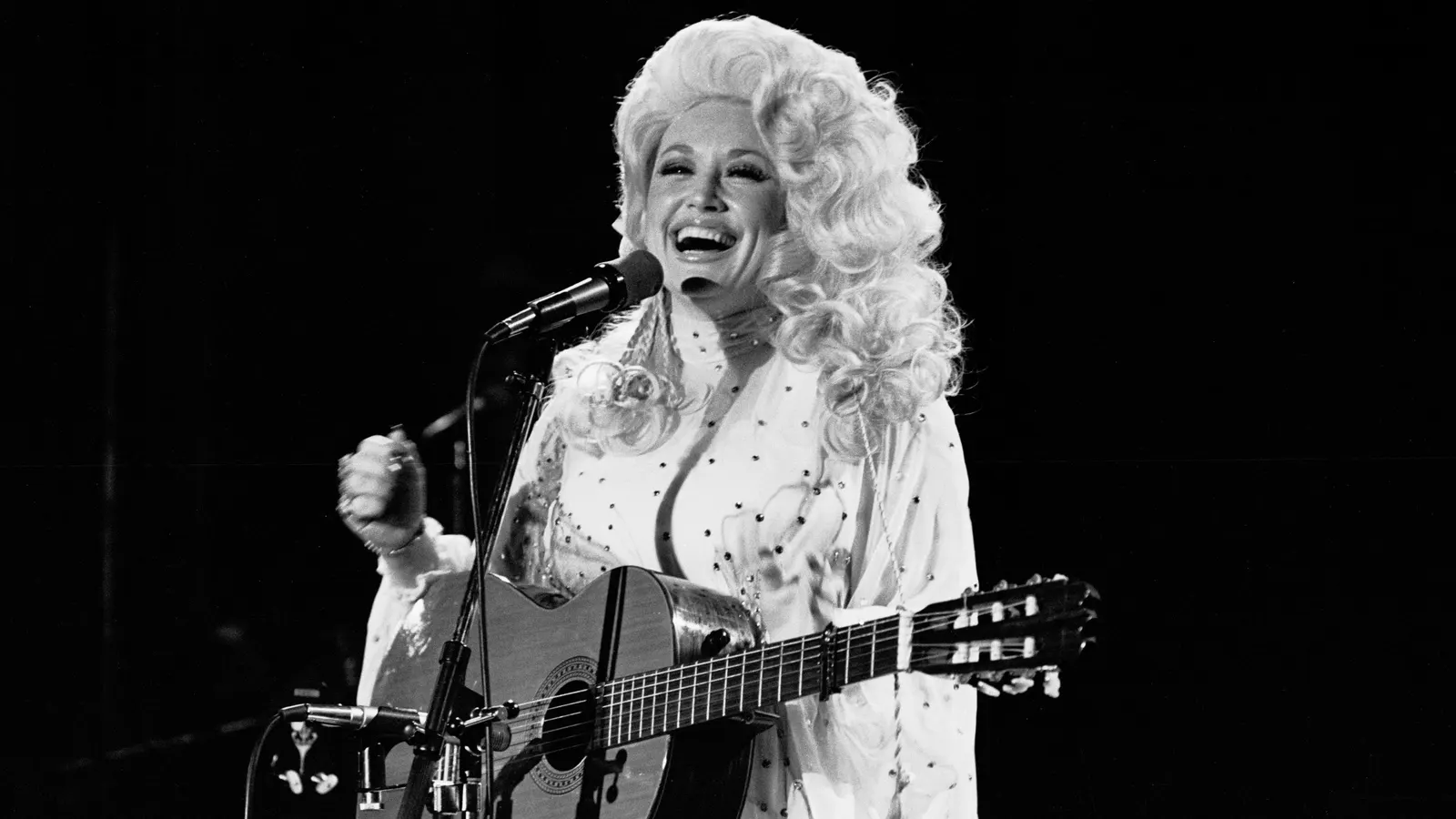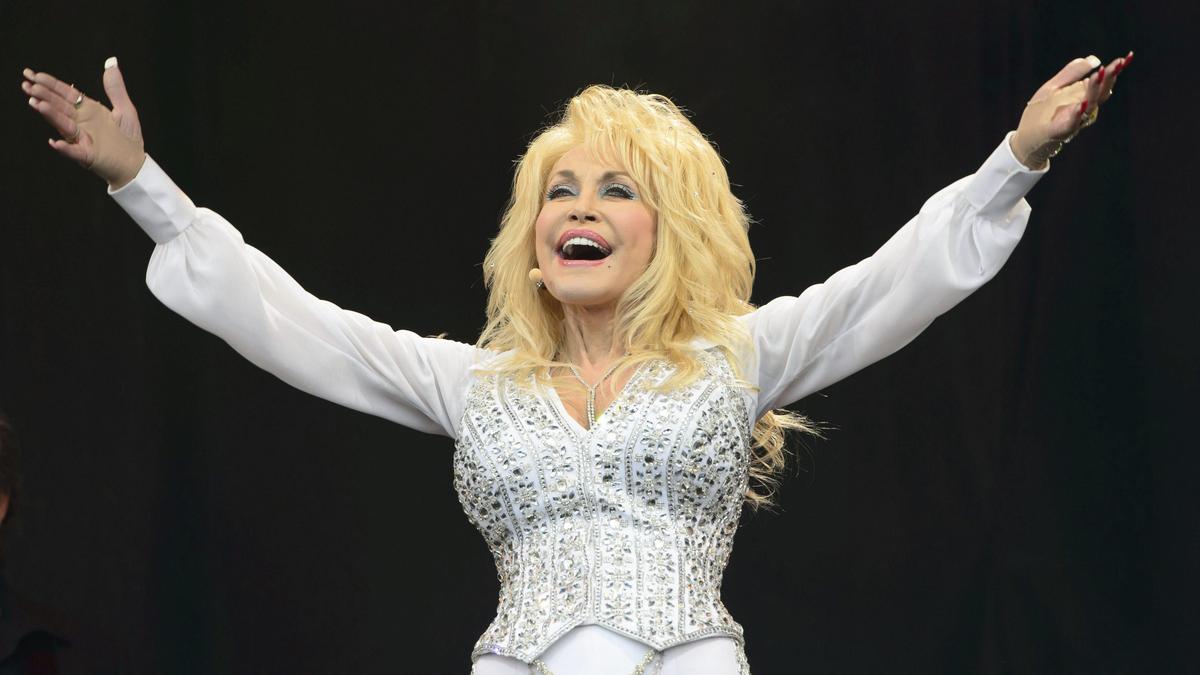
There’s a lot today’s songwriters can learn from Dolly Parton: crafting a catchy hook, adding a hint of drama into a song, writing witty, vulnerable lyrics. Perhaps the most important, though, is when to say “No.”
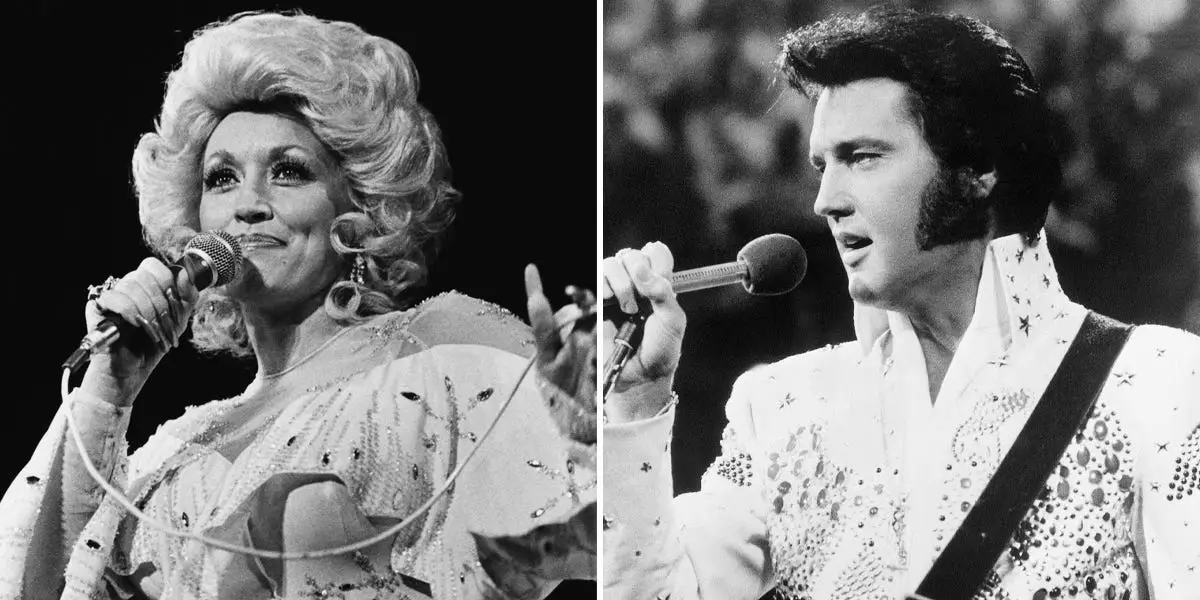
There’s a famous story in industry lore about how, back in the ‘70s, Elvis Presley’s team had come to Parton with an offer for The King to cover “I Will Always Love You.” It was a potentially life-changing offer, even for an already famous Parton, to have one of the world’s most beloved artists turn a song she’d written into a likely smash hit. But it came with strings attached: While Elvis didn’t write a word of the song, his manager, Colonel Tom Parker, demanded he get 50 percent of the publishing credit.
The country icon, who died earlier this week at age 80, refused, recalling to W Magazine in 2021 that the decision “broke my heart — I cried all night. But I had to keep the copyright in my pocket.”
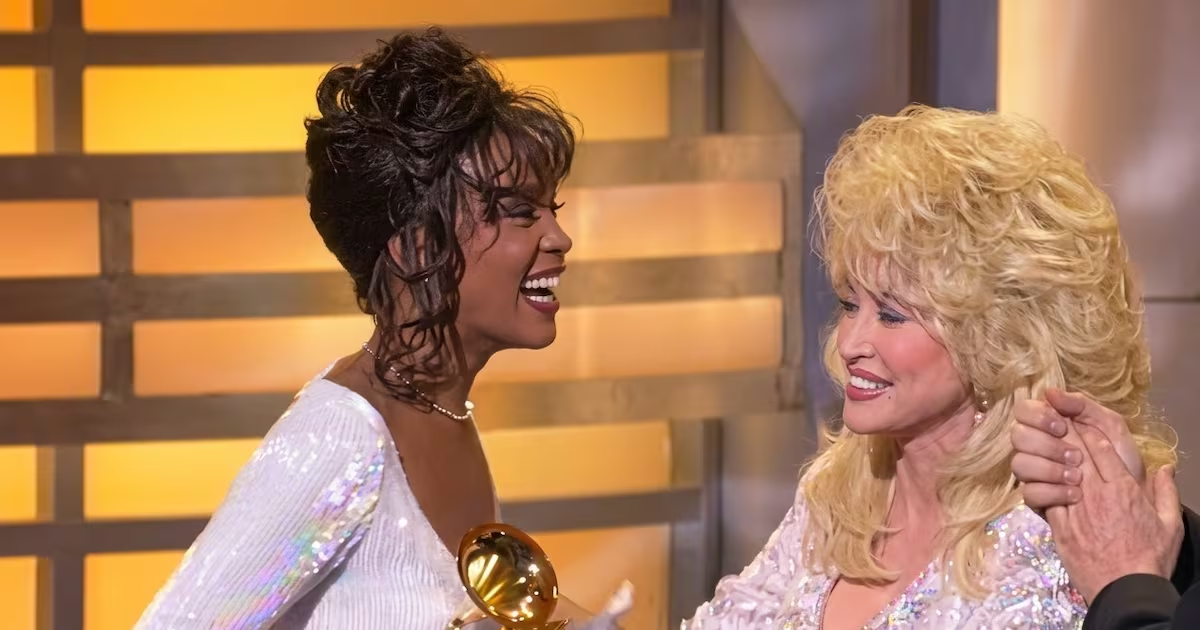
One has to wonder how often she thought about that decision for the ensuing decade. Did she regret it? Would half-credit on an Elvis hit have been worth more than full credit on nothing? Luckily, any of those potential doubts likely washed away by 1992, when Whitney Houston recorded her cover of the song for The Bodyguard, and it became one of the biggest recordings of all time. 11 million sales in America, countless radio spins and nearly a billion Spotify streams, and the copyright is Parton’s alone, bringing in millions of dollars on its own as a sizable piece of the icon’s expansive business empire. “The fact that she did say ‘No,’ it’s not just happenstance that it turned into this giant copyright,” says Erin McAnally, executive director of songwriter advocacy group the Songwriters of North America and a writer herself who collaborated with Parton and Kenny Rogers. “The song is magical to begin with, but that was her smarts. She was an incredibly brilliant businesswoman and she trusted her gut and her work.”