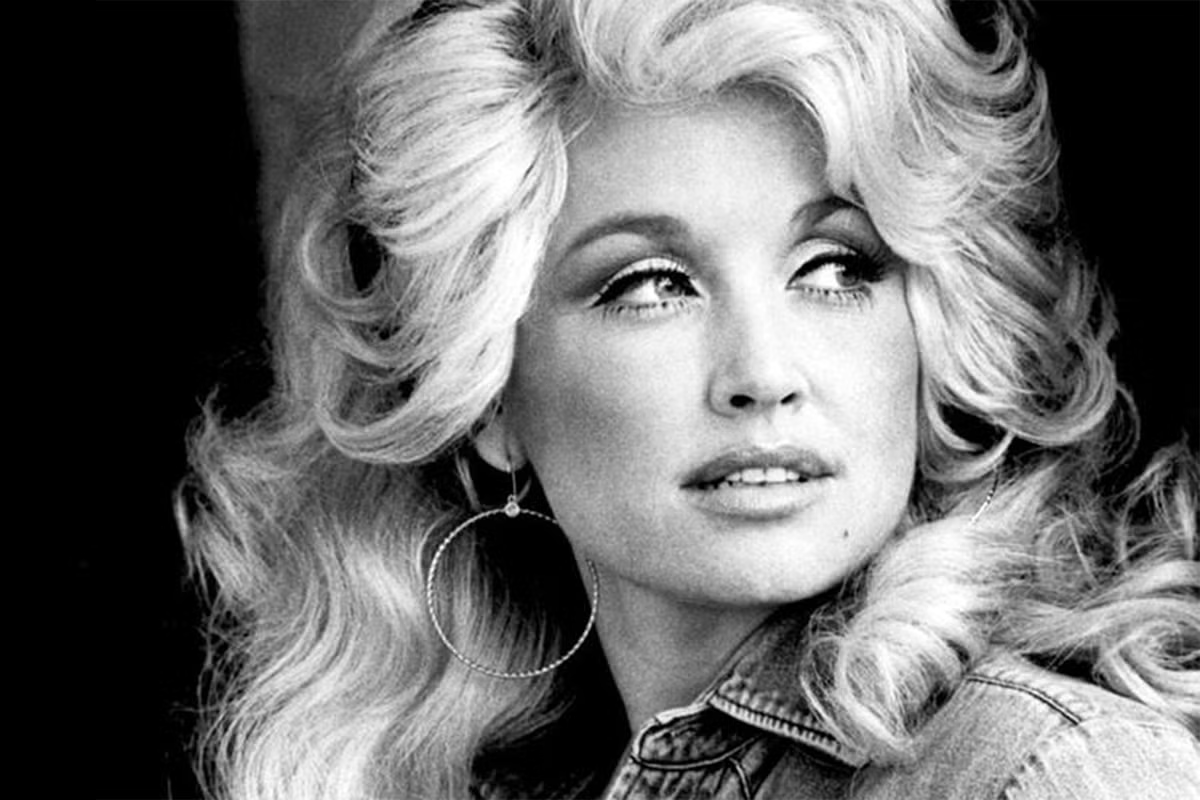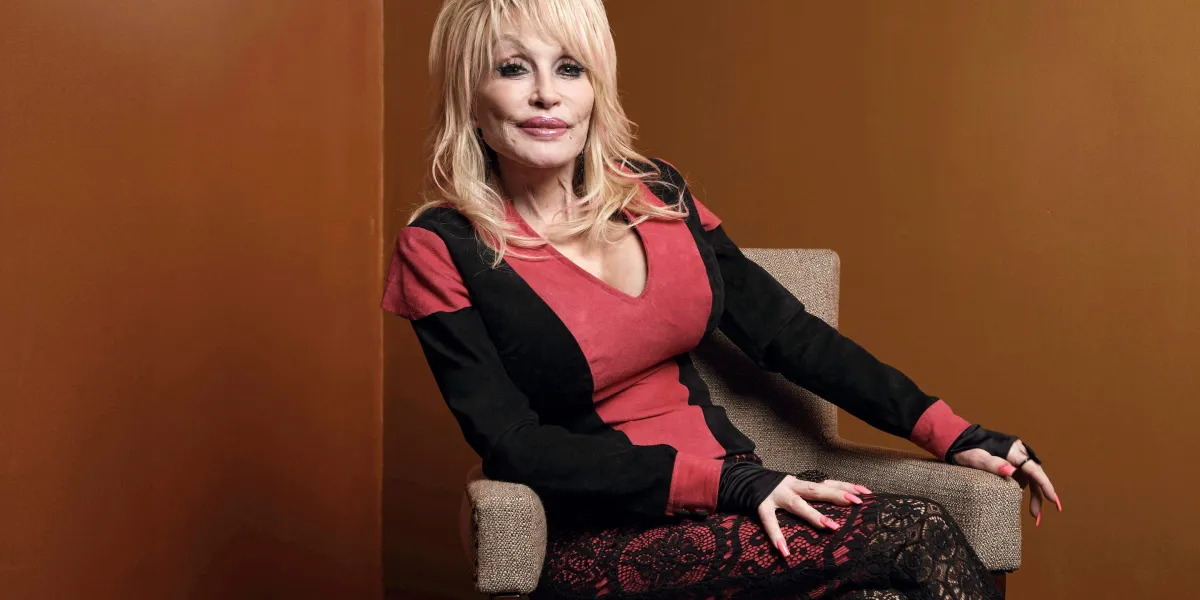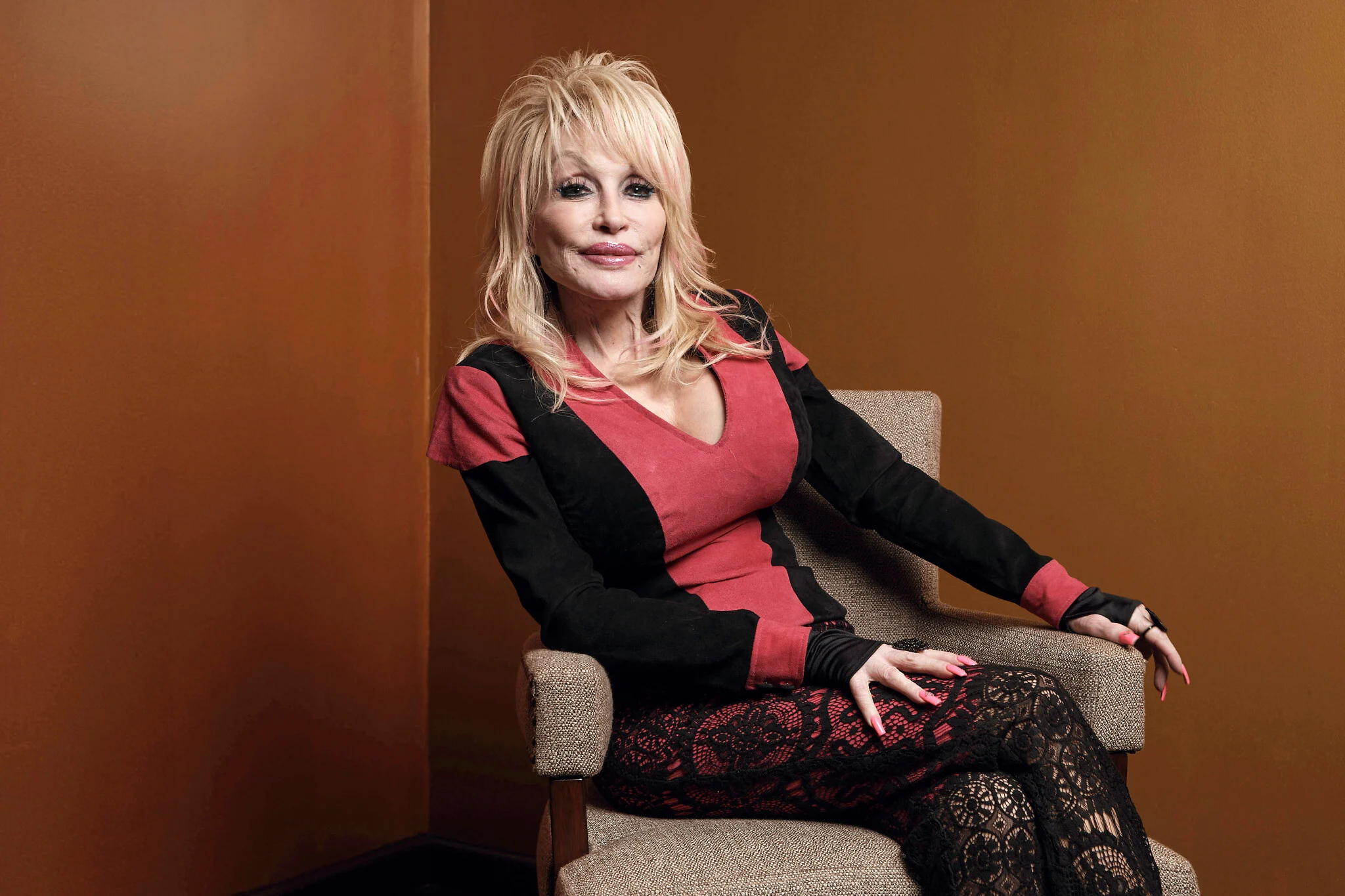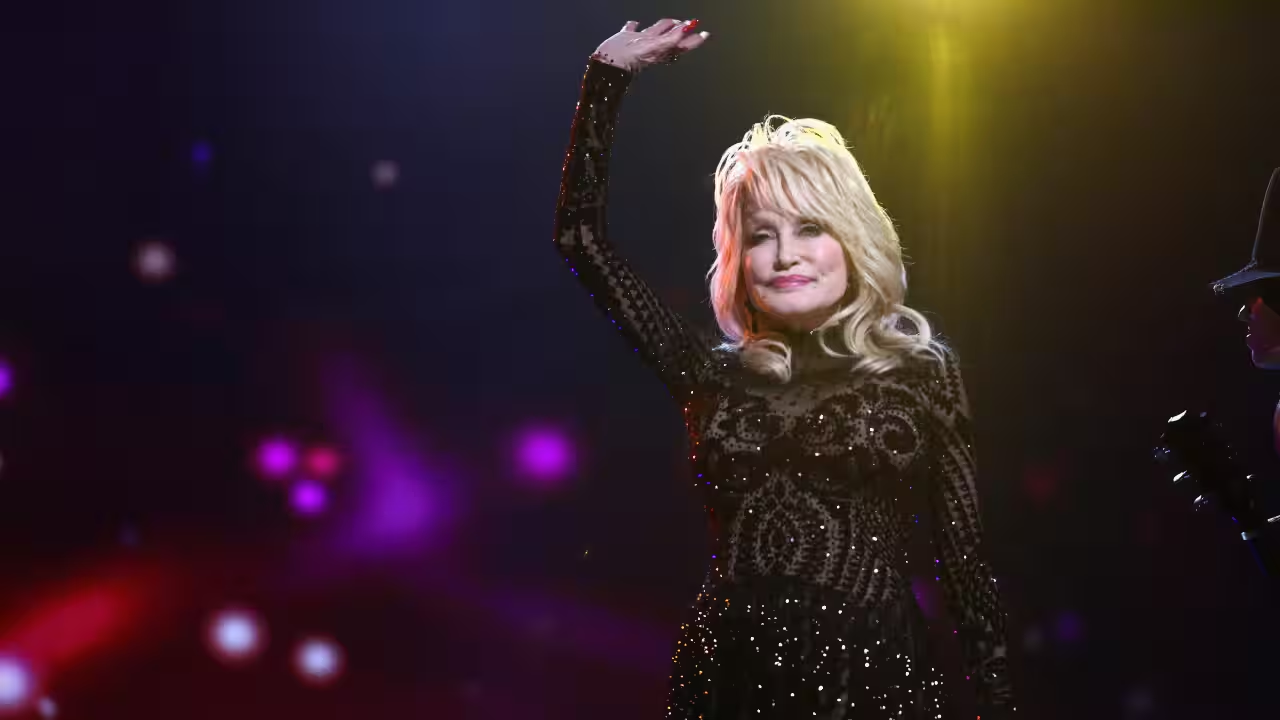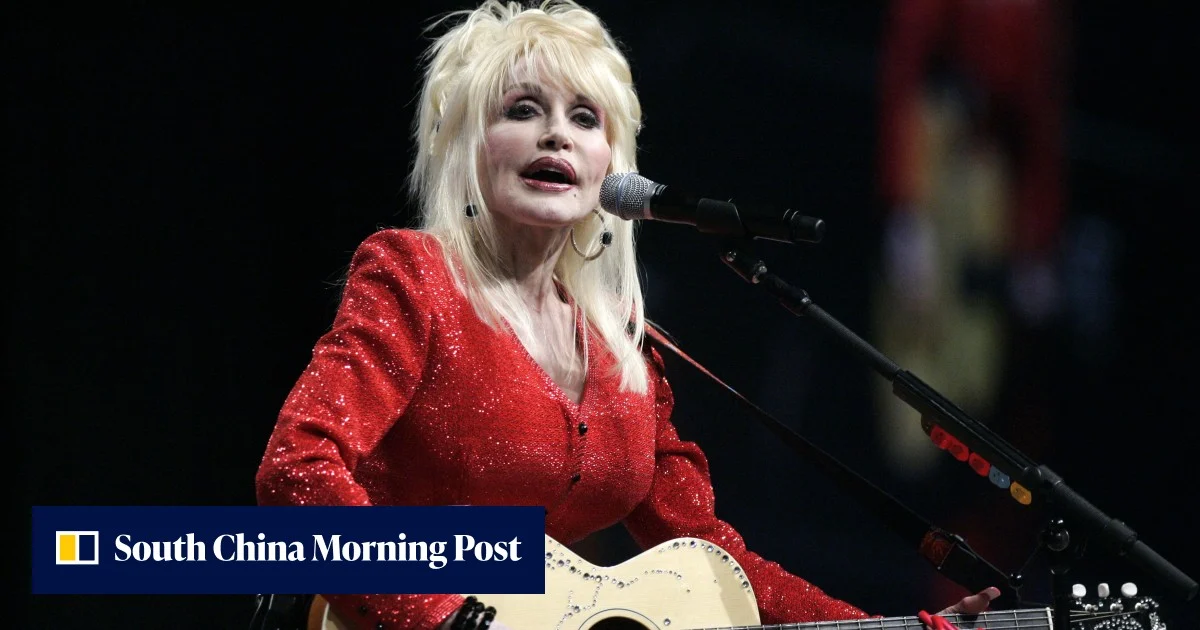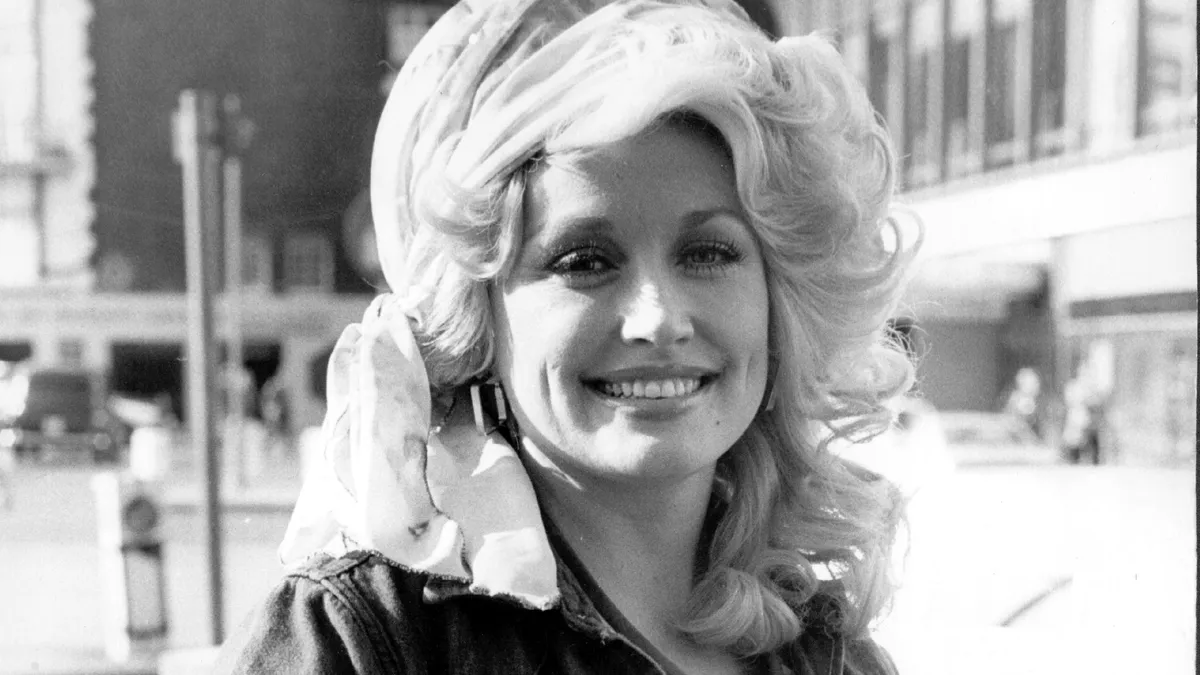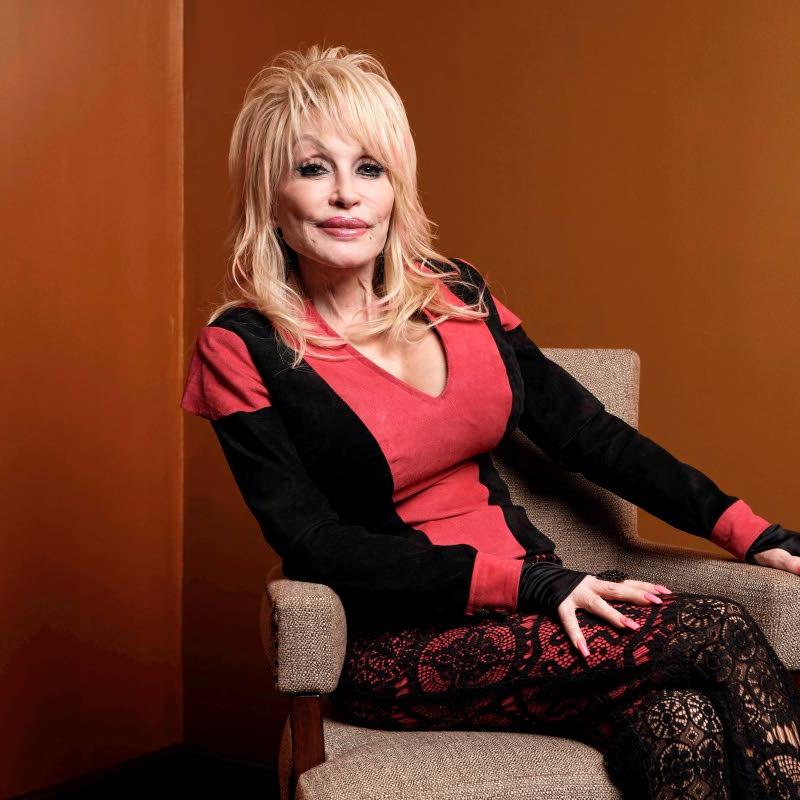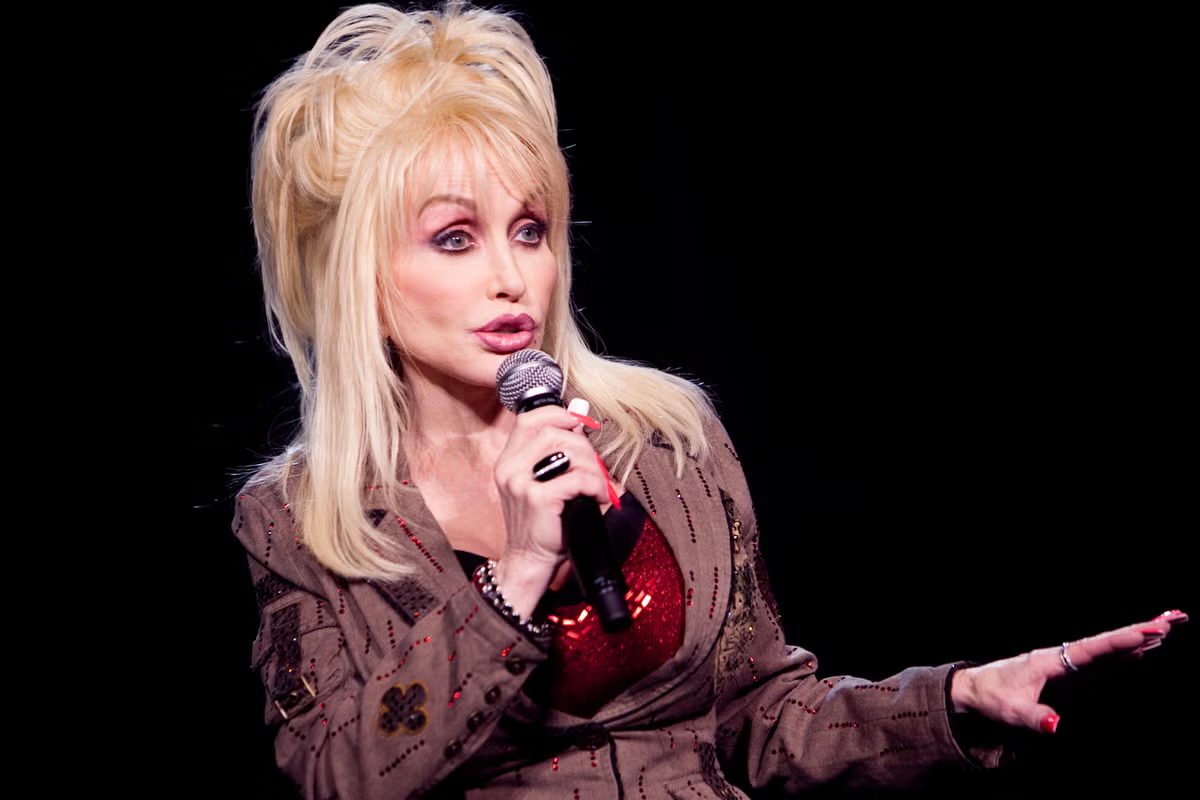
In 1974, the night before Elvis Presley was due in the studio to record ‘I Will Always Love You’, Dolly Parton’s phone rang. Colonel Tom Parker, Presley’s manager, had a condition nobody had mentioned earlier. Elvis would record the song only if Parker’s side received half the publishing rights to it. Parton was 28. She had just walked away from the television show that made her a household name in America, with no guarantee that a solo career would succeed. The biggest star in the world wanted her song. She said no and, by her own account, cried all night. Eighteen years later, Whitney Houston recorded ‘I will always love you’ for the opening sequence of The Bodyguard, turning it into one of the best-selling singles. Because Parton had refused to give up any share of the song’s publishing rights, she received the royalties from its enormous success. She later joked that turning Elvis down had earned her enough money to buy Graceland.
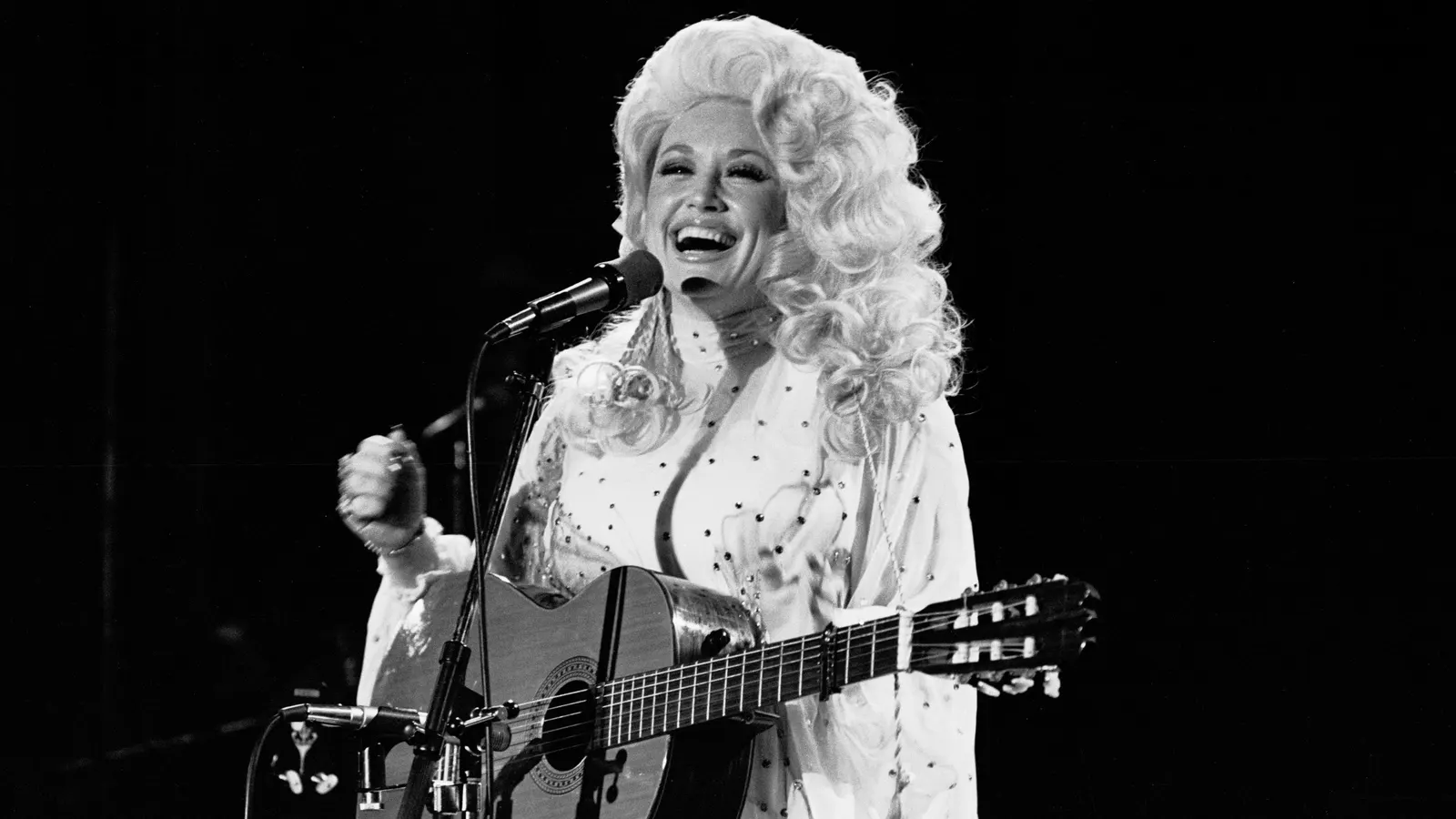
Dolly Parton and the Wagon Masters sing for a Civic Center Music Hall audience in Oklahoma City on October 8, 1968.
| Photo Credit:
Ron Hill Via REUTERS
She told that story for decades, always with a laugh, and how it held the shape of her whole life inside it. Parton, the ‘Queen of Country Music’, died on August 25 at the Vanderbilt-Ingram Cancer Center in Nashville with her family around her. She was 80. Her publicist said she had faced a brief battle with cancer. Dolly Parton was born on January 19, 1946, in a one-room cabin in Sevier County, in the East Tennessee mountains, the fourth of 12 children. Her father, Robert Lee Parton, was a sharecropper who could not read or write. Her mother sang the old ballads that had come over from the British Isles. Parton sang on local radio at 10, appeared at the Grand Ole Opry at 13, and left for Nashville in 1964, the morning after she finished high school. Porter Wagoner brought her onto his television show in September 1967, when she was 21. In Star of the Show, the memoir she published last year, she wrote that the salary of $60,000 a year felt like a million dollars to a girl from Locust Ridge. She stayed seven years and never got a raise. Wagoner gave her jewellery and a Cadillac instead and told her to consider the gifts her raise. She wanted the money.