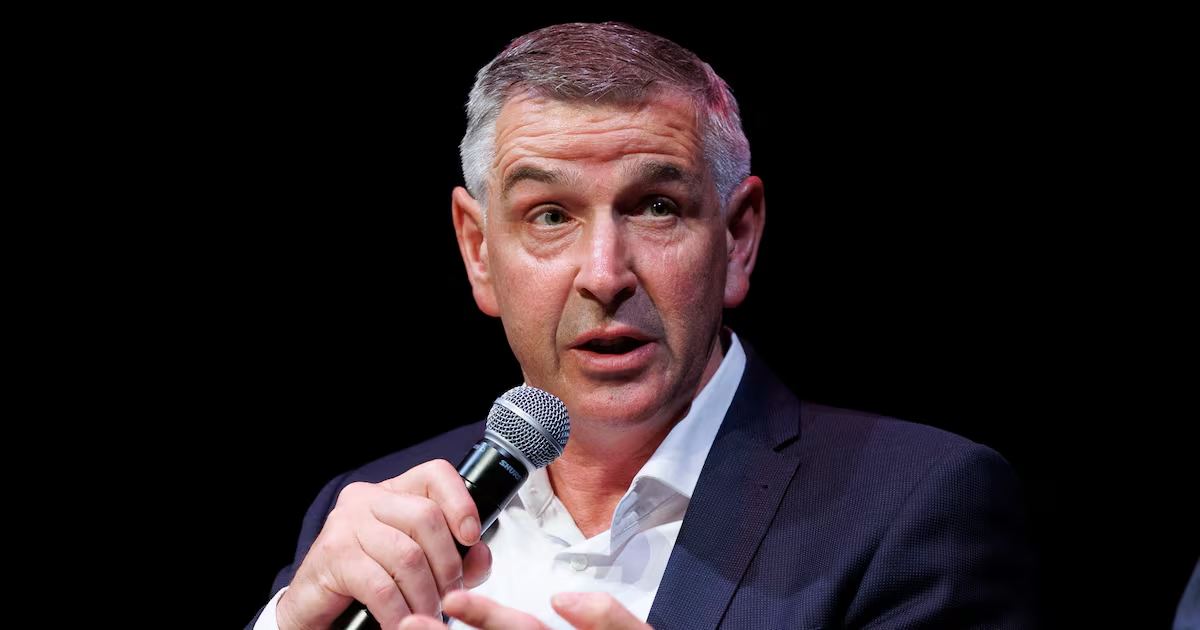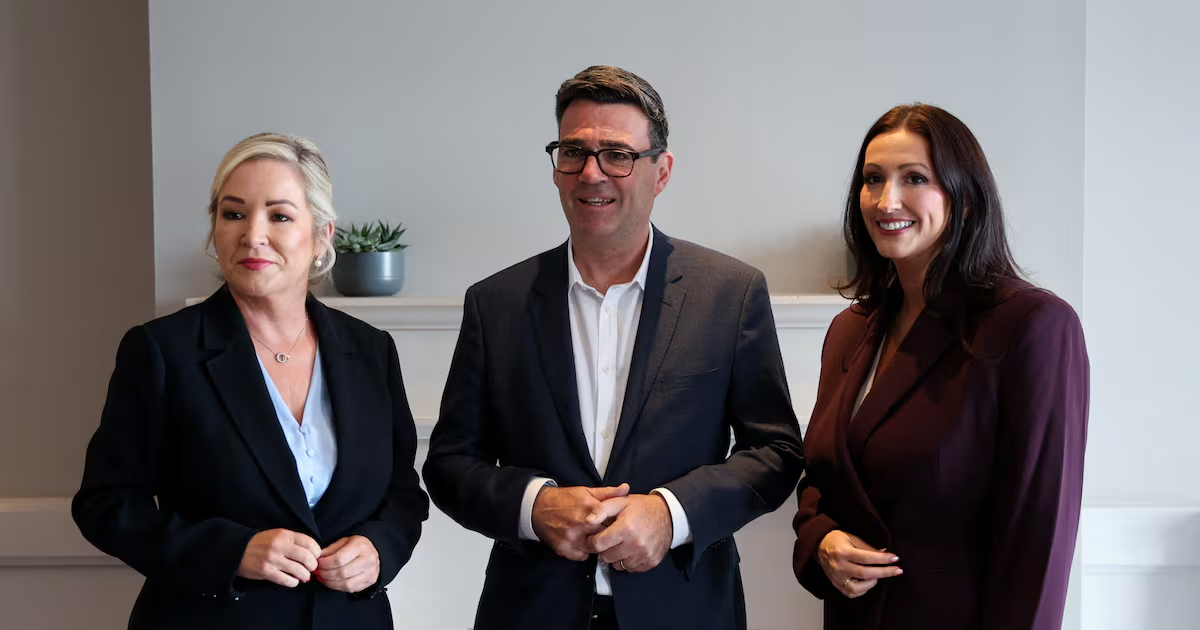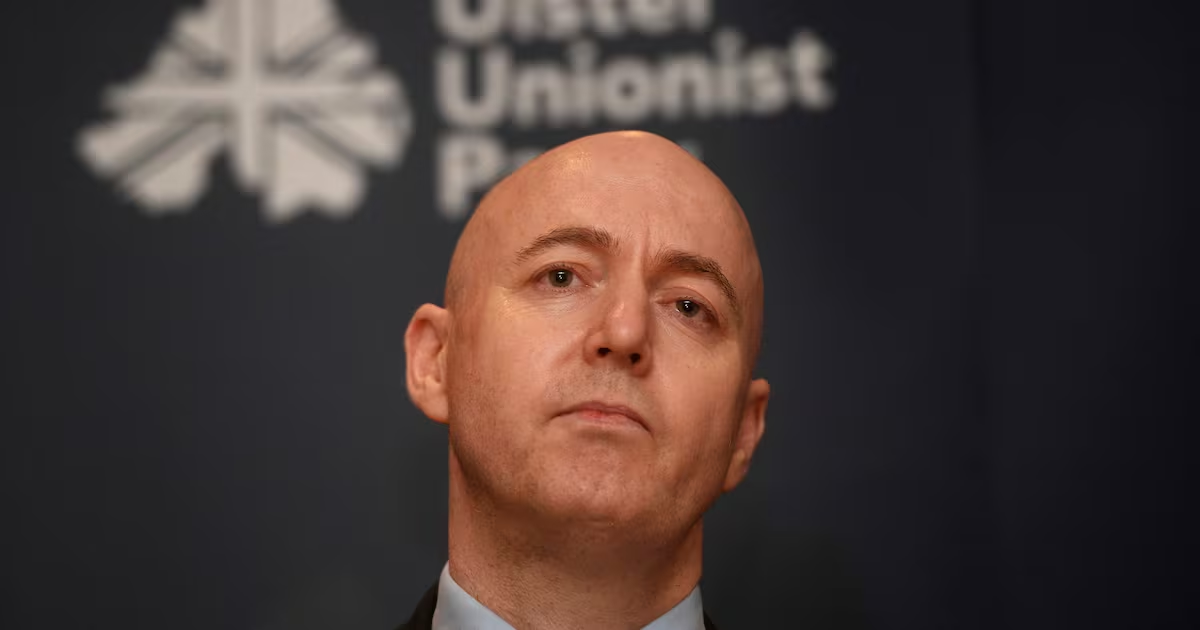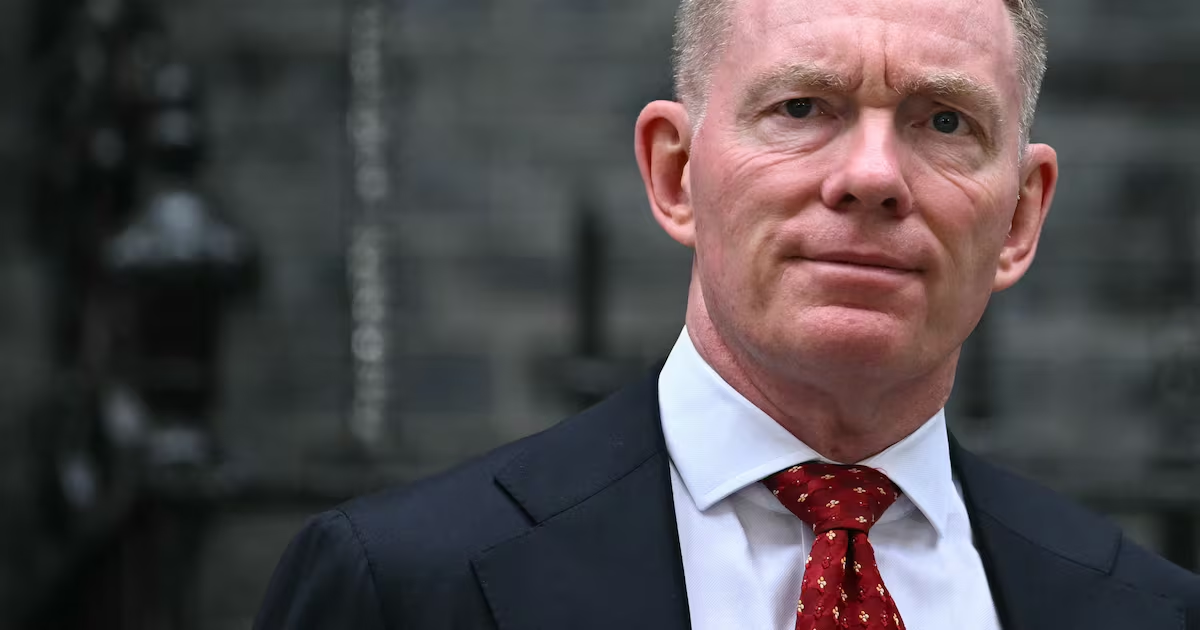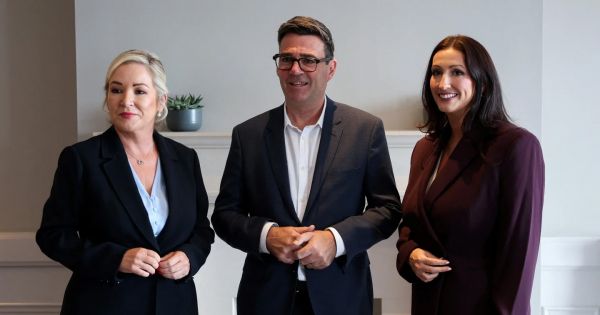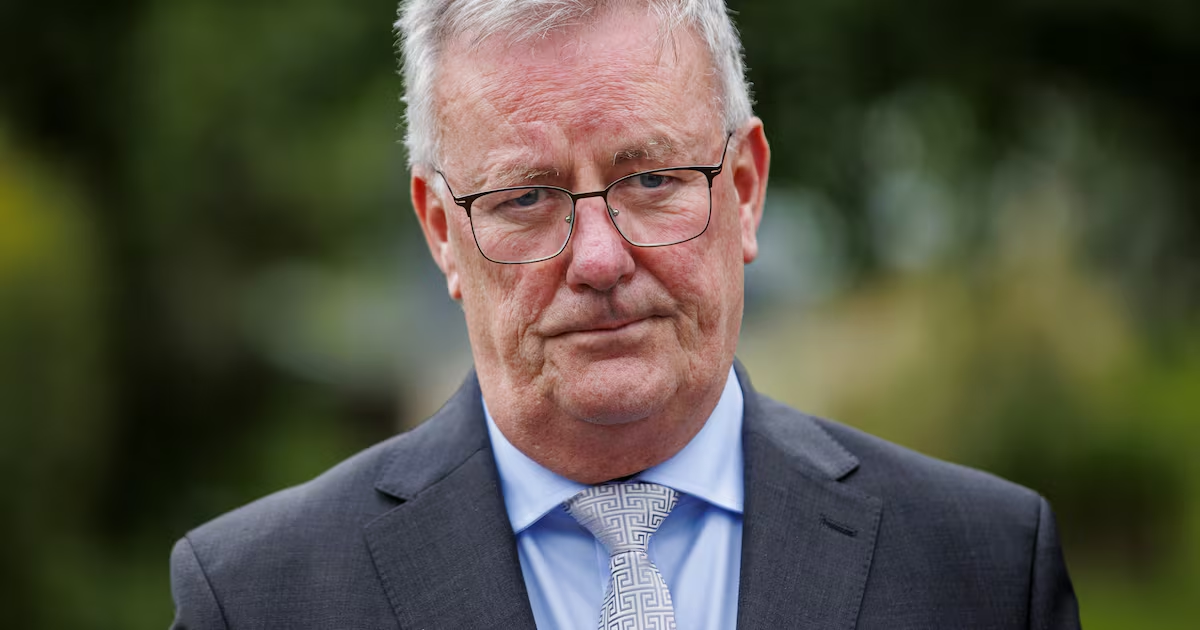
Unionists will welcome the assurances on Thursday from British prime minister Andy Burnham that a Border poll is “off the table.” But they will realise that challenges lie ahead for unionism. Mike Nesbitt, the former leader of the Ulster Unionist Party, said in an interview for The Irish Question, a documentary about a Border poll on Irish unity aired by RTÉ last month, that unionism had to become a much more coherent bloc amid growing uncertainty over the constitutional position of Northern Ireland. Yet, last week Nesbitt resigned as health minister in the Stormont Executive because of a clash with Jon Burrows, the new leader of the UUP, proving that regardless of the bigger picture, all politics is local.The timing could not have been worse for the party. For the first time in 20 years, the UUP was more popular than the Democratic Unionist Party (DUP), according to the latest opinion poll. The DUP has been embroiled in controversy since the conviction of Jeffrey Donaldson, its former leader, for sex offences.This gets to the nub of the challenge facing unionists. Brexit has been profoundly destabilising for Northern Ireland, raising questions about its position in the United Kingdom. Those advocating for a united Ireland feel they now have better cards to play, though many questions remain.Unionists, however, seek to convince voters that the status quo is in their best interests and, at the moment, that is a hard sell. Basic state services such as health and education are suffering from funding shortfalls, as the Stormont Executive remains at loggerheads with the London government about agreeing a budget. Burnham gave no assurances on funding during yesterday’s visit.Jim Allister, the leader of the hardline TUV, is growing in popularity by depicting any compromises agreed by the DUP and UUP as a betrayal of unionists. Nesbitt’s analysis is correct, but his recent resignation as health minister underlines the challenges facing unionist parties in becoming a more coherent bloc.
The Irish Times view on Northern Ireland’s unionists: challenges of coherence
Mike Nesbitt’s resignation as health minister comes at a bad time for the UUP
324 words~1 min read