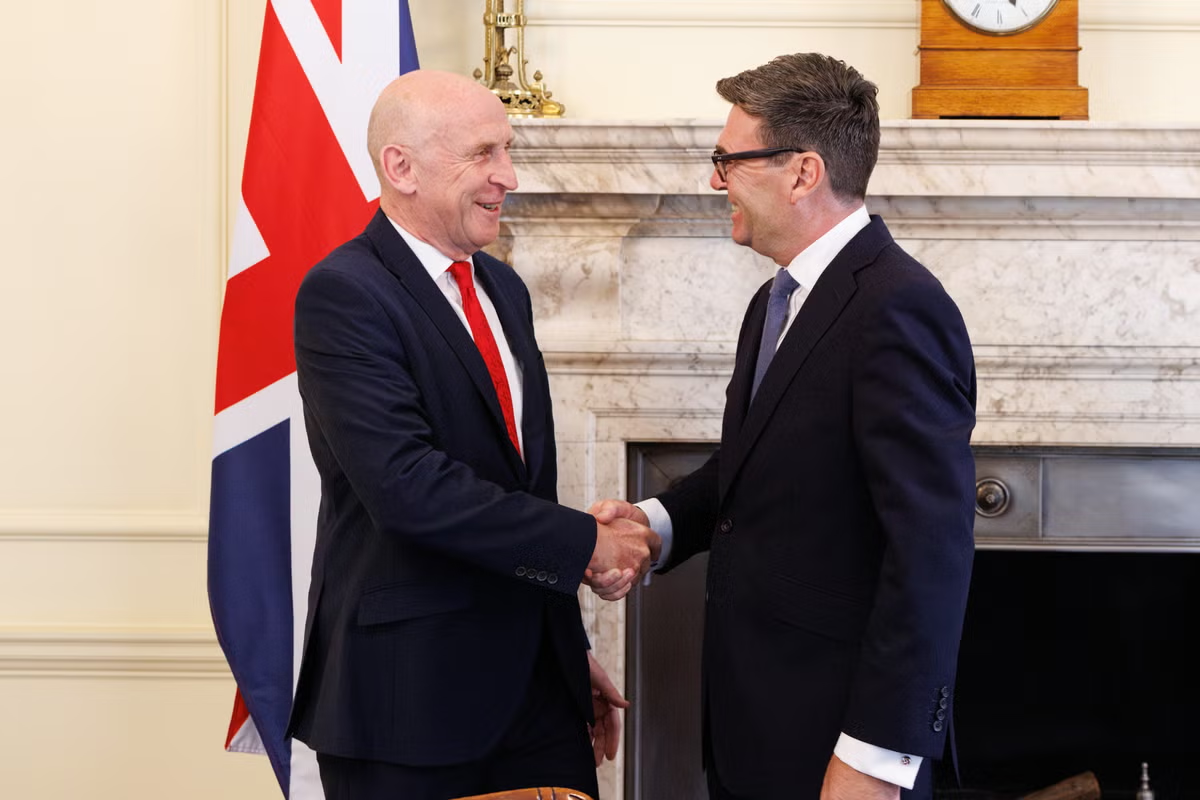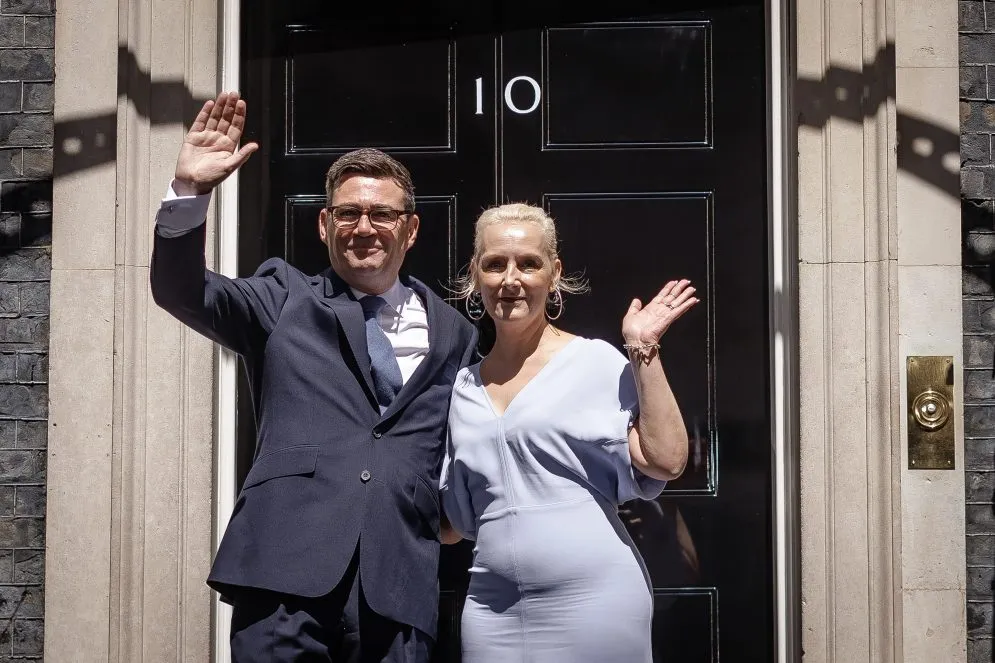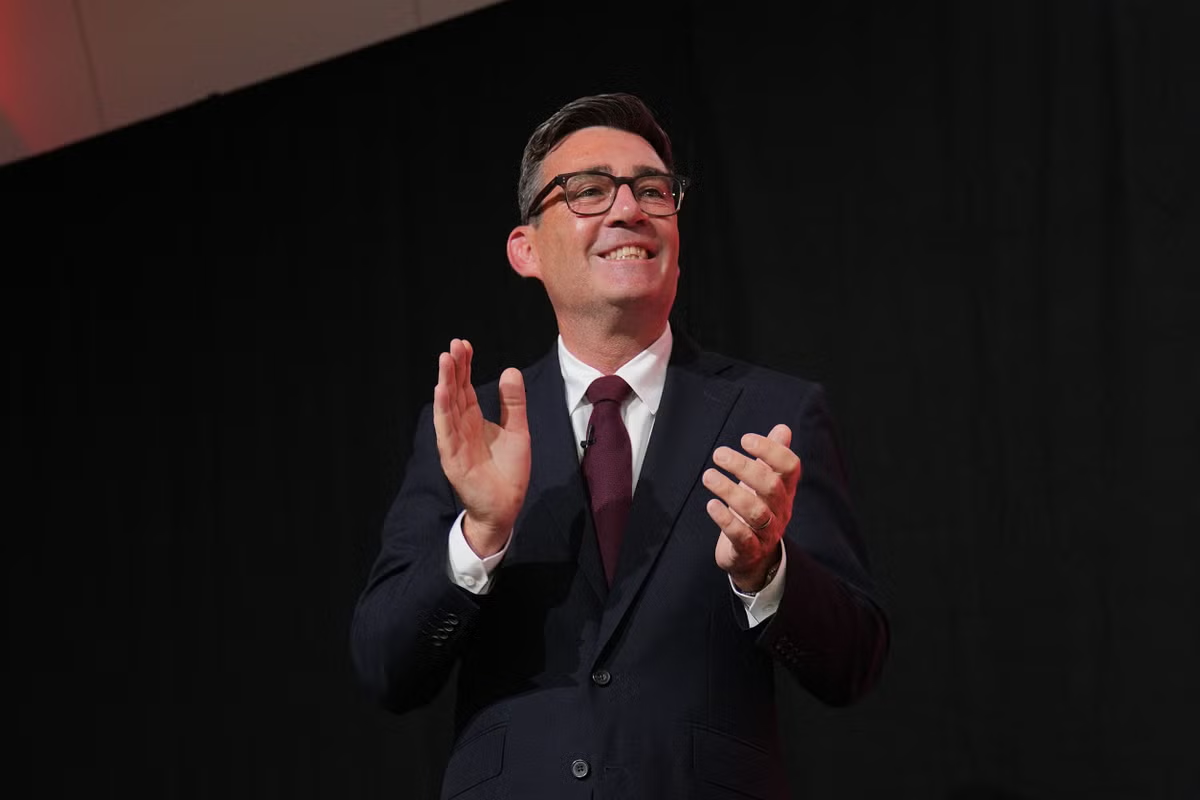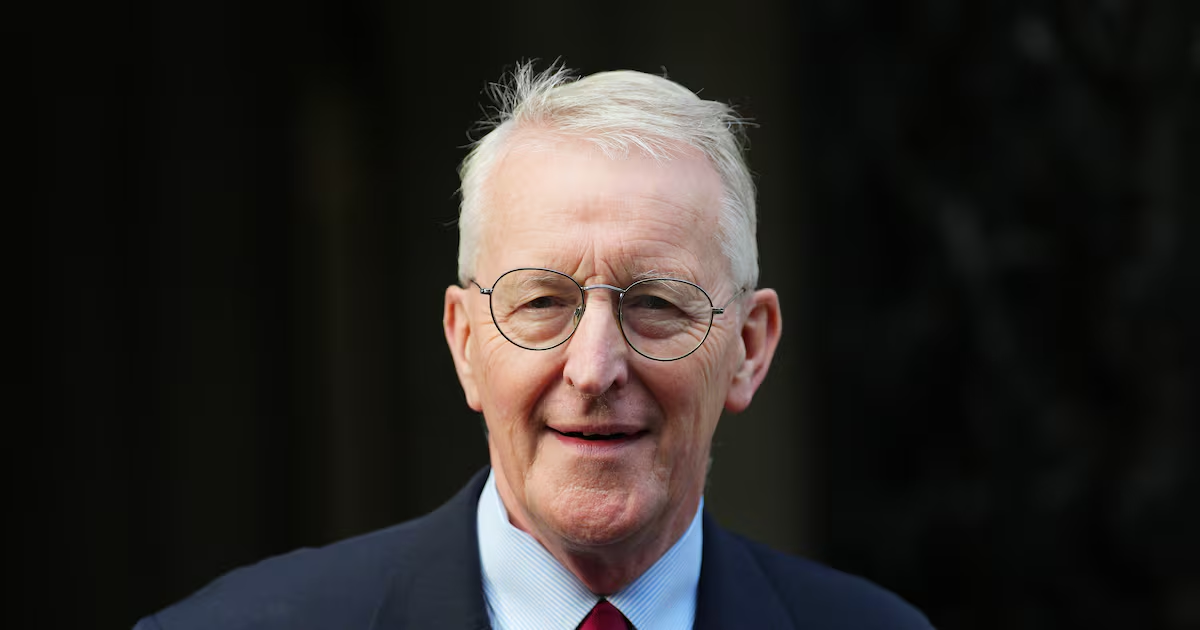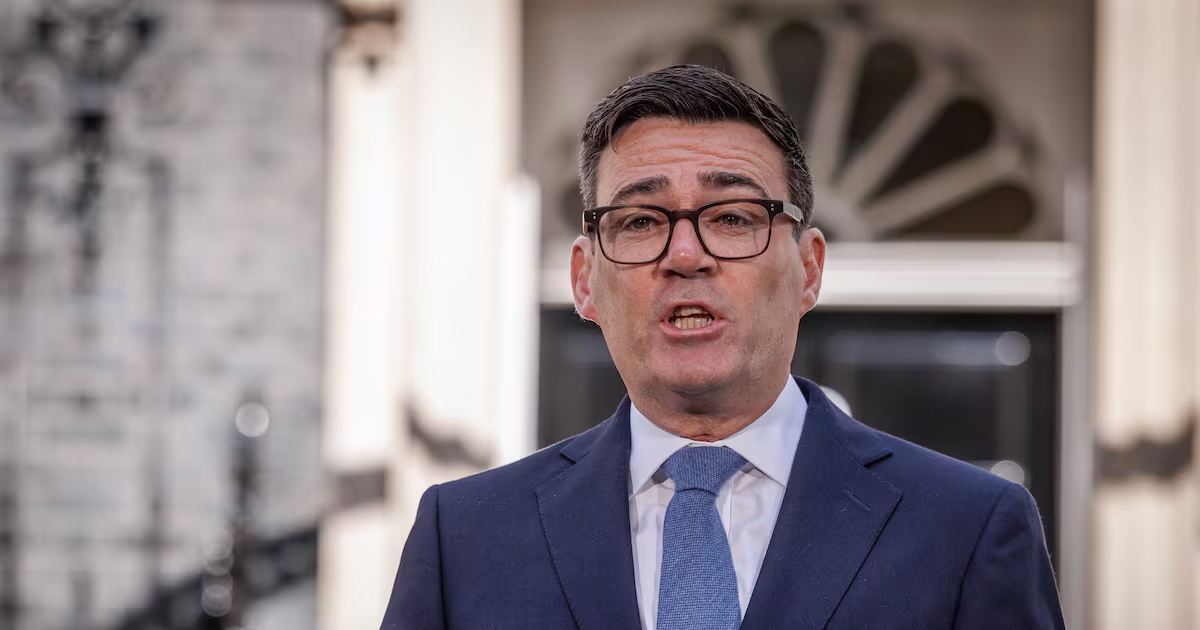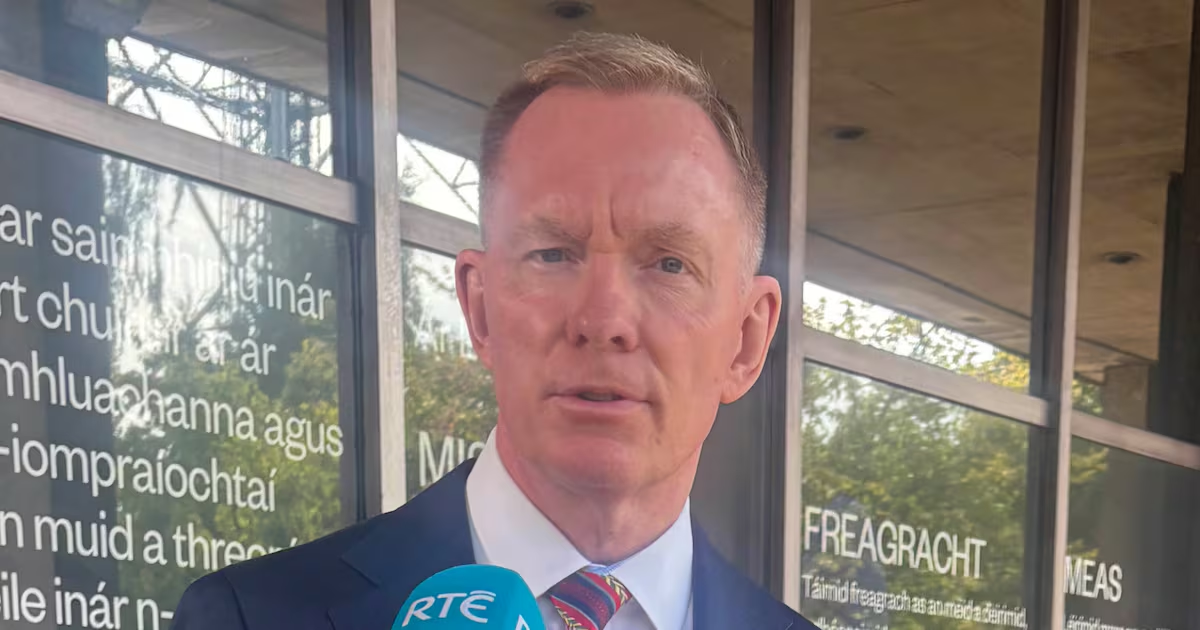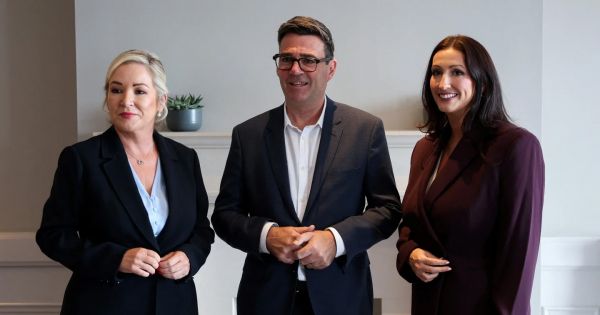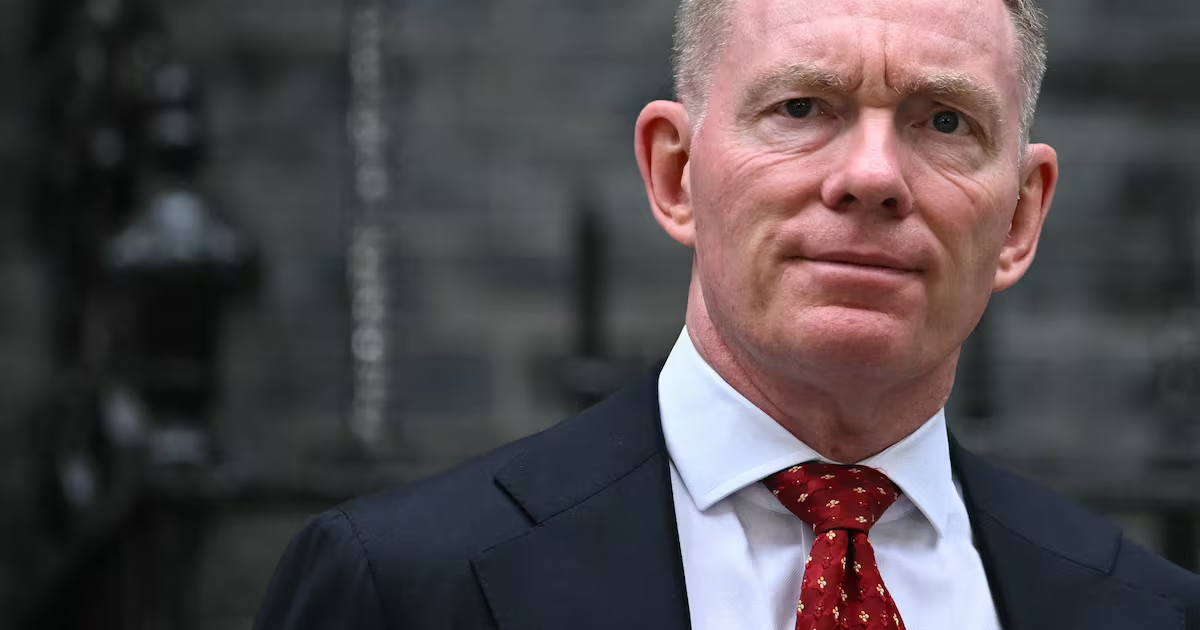
Andy Burnham’s decision to sack Hilary Benn as Northern Ireland Secretary had not been expected in Belfast or Dublin. Benn had developed a good relationship with all parties in Northern Ireland and with the Irish Government. During his time in office over the past two years, he was generally seen as competent and trustworthy.It is unclear what level of priority Burnham will give to Northern Ireland and it may be a challenge for the Irish Government to keep it high on his agenda. Chris Bryant, the new Northern Ireland Secretary, fits the same mould as Benn. He was implacably opposed to Brexit and is on the progressive wing of the Labour Party. He faces a number of challenges in Northern Ireland that will test his political nous. There is the perennial funding crisis. A draft multi-year budget was published last January but it still has to be agreed by the Executive parties. This has threatened steep spending cuts across health, education and other critical social services. A stand-off between London and Stormont has left the whole budget issue effectively stuck. This is a key issue for Bryant . What Burnham’s promises of devolution to the UK regions mean in this context remains to be seen.There are ongoing Troubles legacy issues that have to be addressed and this was on the agenda of a call between Burnham and Taoiseach Micheál Martin on Tuesday. Flows of asylum seekers crossing the Border has led to friction between London and Dublin over the Common Travel Area. And there are Assembly elections that have to be held before next May.This all takes place in the context of the ongoing longer-term debate about the future of Northern Ireland. Following Bryant’s appointment, Gavin Robinson, the leader of the DUP, said that his primary responsibility is to strengthen Northern Ireland’s place in the United Kingdom. Meanwhile Simon Harris, the Tánaiste, has said his party would be bringing forward proposals on “ a unified island” in November. Bryant’s reputation as an honest broker is set to be tested.
The Irish Times view on Burnham and Northern Ireland: a question of priorities
The perennial funding crisis will be high on the agenda
339 words~2 min read