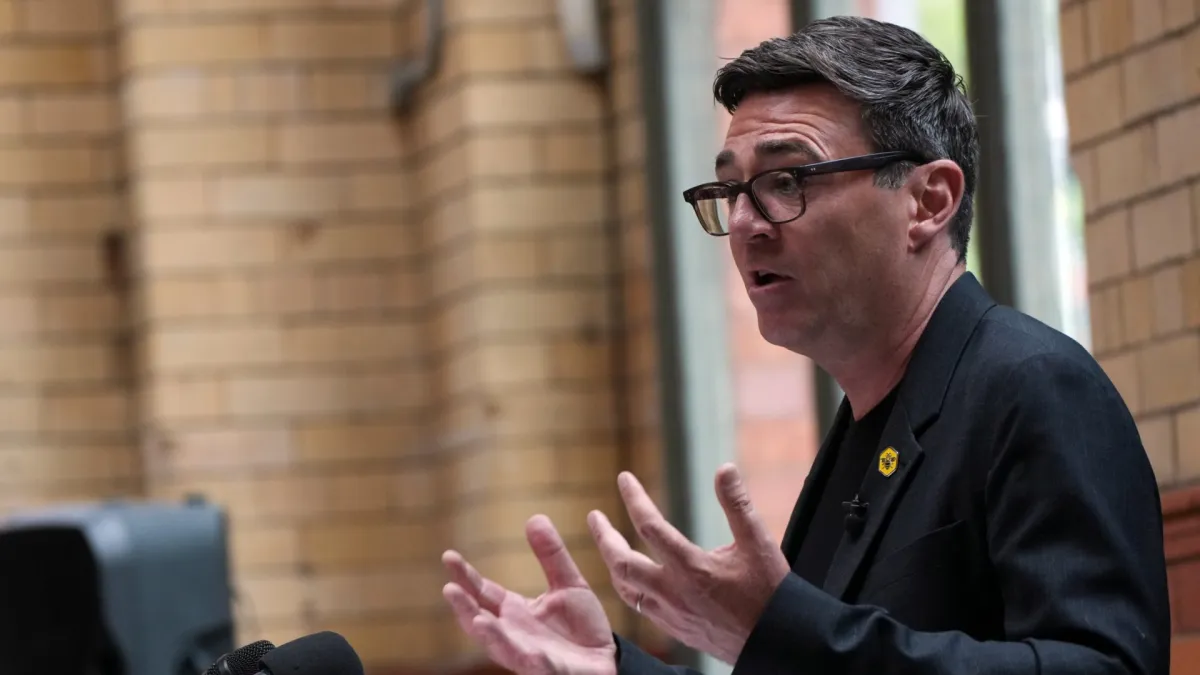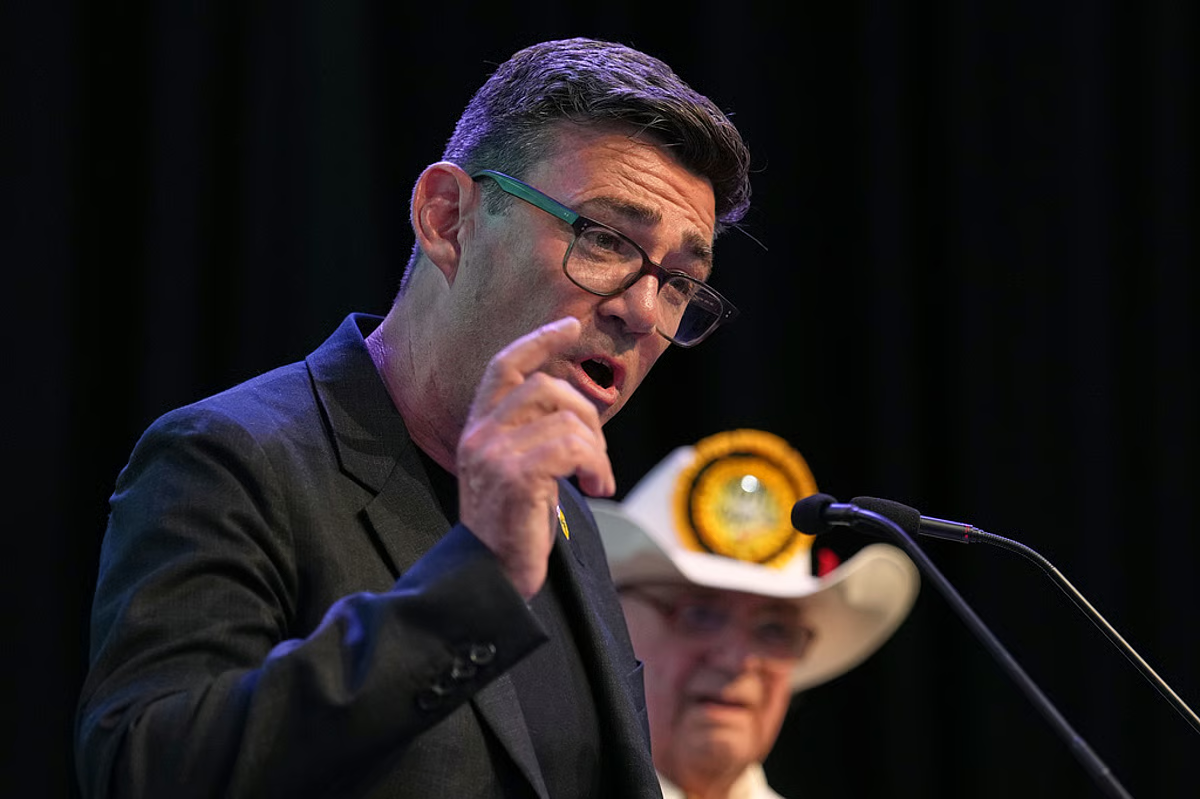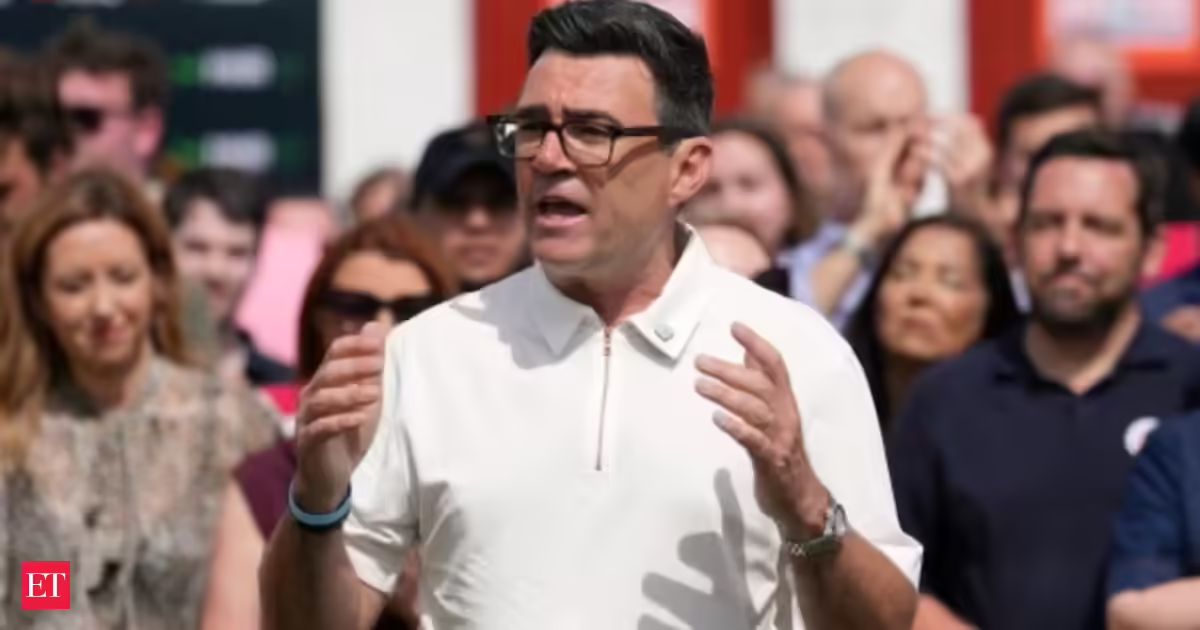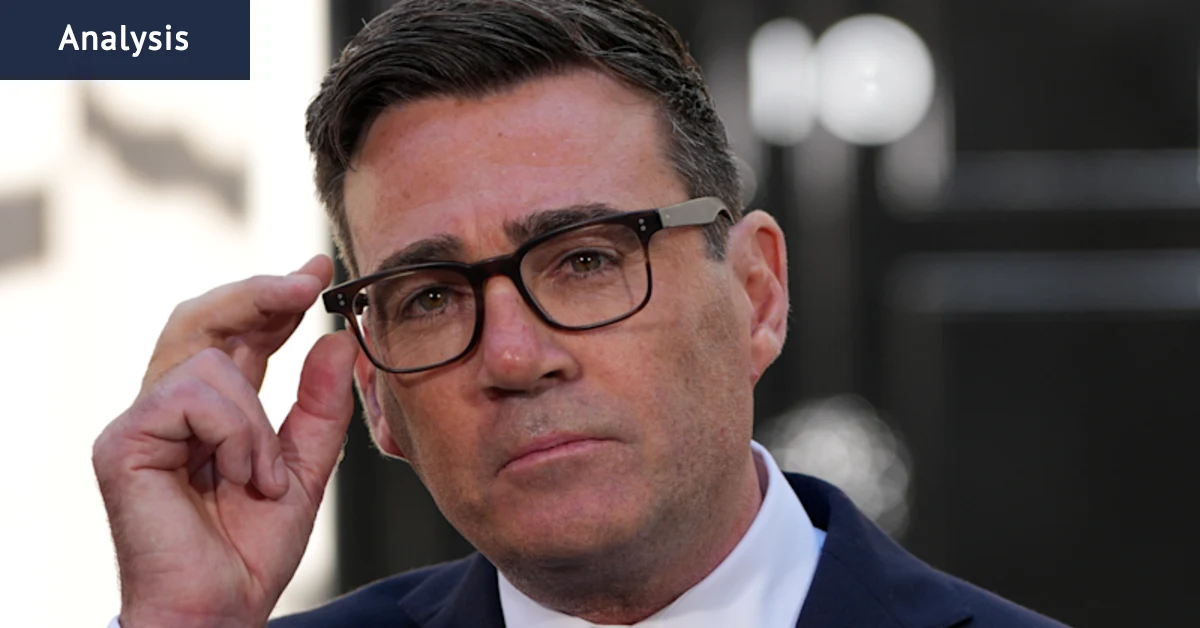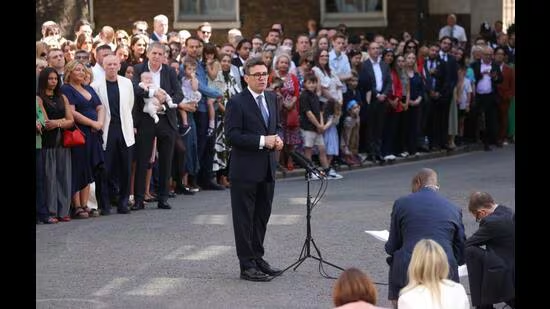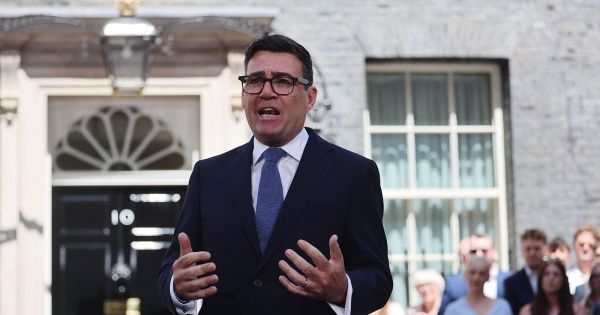
Andy Burnham’s career so far has been built around public services, devolution, and the relationship between government and its citizens. At first glance, that looks like a strength – but also a weakness. Burnham arrives at No. 10 with little direct experience of international affairs.
Manchesterism was built for the challenges of domestic renewal, but those instincts will need to travel beyond the Dover coast.
The good news for Burnham is that prime ministers are not judged by whether they know every foreign policy file; few enter No. 10 as a foreign policy encyclopaedia. The test is not whether they can master every crisis, it is whether they can stop every crisis from mastering them.
Foreign policy is no longer something that just happens overseas. It shapes the price of energy, the cost of food, the resilience of supply chains and the level of defence spending at home. Just ask Keir Starmer whether he expected the Iran conflict, or the threats towards Greenland or tariffs from Washington.
Handling this global instability as PM means deciding what matters most when everything appears urgent. That may make Burnham’s domestic experience more relevant than it first appears. Modern statecraft increasingly depends less on command and control than on setting priorities, building teams and bringing people together around a common purpose – something that comes easy to our new PM.